For homes
We dry bathrooms in occupied homes without turning your week upside down. You get daily check-ins and a clear timeline for the repair.
- Toilet supply line leak
- Tub overflow into hallway
- Shower pan drip
Bathroom Water Damage Restoration in Philadelphia starts with stopping the source and pulling standing water before it reaches your subfloor. We handle toilet supply failures, tub overflows, and shower pan leaks in rowhomes and high-rises from Center City to Northeast Philadelphia. Call 215-281-3000 and we roll a truck to your address today.
 Check the sourcePull the waterLog the readings
Every bathroom job starts with the same core scope: find the source, extract the water, dry the structure, and repair what failed. Add-ons like tile replacement, vanity rebuilds, and mold treatment depend on how long the leak ran and what material it touched. We tell you what is covered before we start, not after.
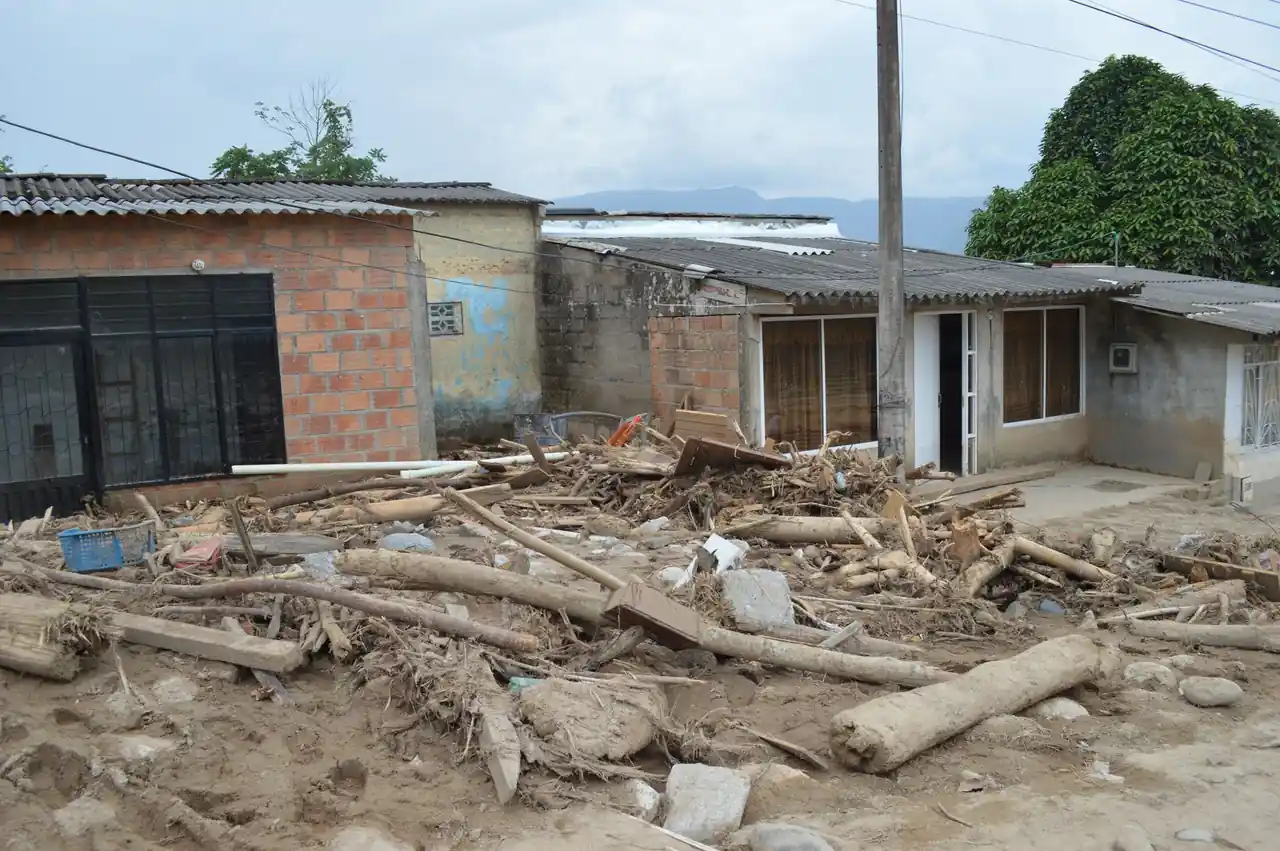
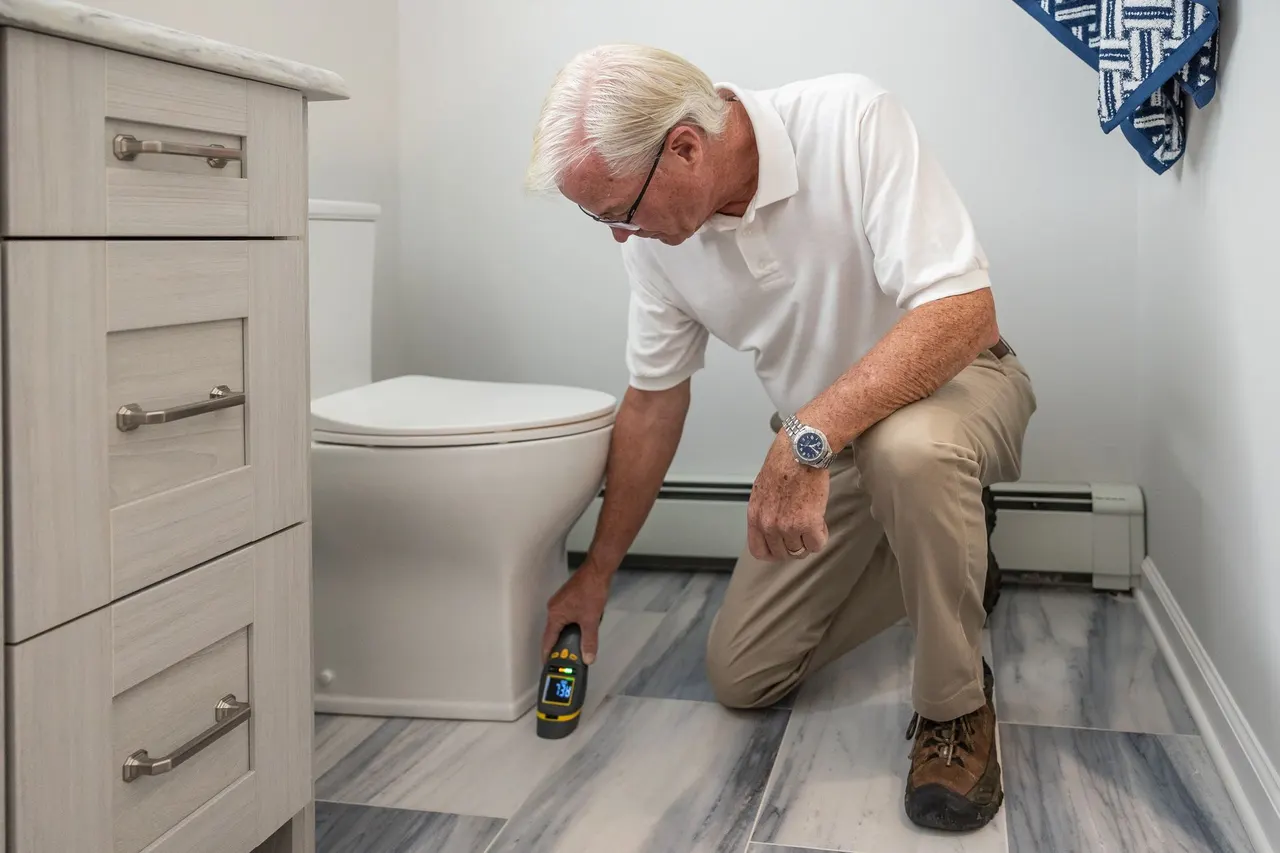
We trace the leak with a moisture meter, hygrometer, and thermal imaging camera, then confirm the water is off. That includes supply lines, wax rings, shower pans, and drain joints. Finding the source first prevents us from drying a room that is still getting wet.
Standing water comes up with a wet/dry vacuum and extraction unit. We pull water from the toilet base, vanity cabinet, floor drain, and any low spot. A standard bathroom floor is dry to the touch within two to four hours.
We set a commercial dehumidifier and air movers, then check readings daily. Drying runs two to four days for most bathrooms. Tile and grout slow the process, so we sometimes use a boroscope to confirm the cavity behind the wall is dry.
Every wet surface gets antimicrobial solution after extraction. That includes framing, subfloor, and the back of drywall where it can be saved. It buys you time and stops mold growth from starting during the drying window.
Once the cavity hits dry standard, we replace drywall, subfloor, baseboard, and sealant.
You get moisture maps, photos, and a drying log at the end. We walk the room with you, test the supply line and drain, and check the ceiling below for new stains before we pack up.
The approach is the same for a home and a business. What changes is the access, the schedule and who needs the paperwork.
We dry bathrooms in occupied homes without turning your week upside down. You get daily check-ins and a clear timeline for the repair.
We work after hours in restaurants, offices, and rentals so your bathroom is back in service fast. Property managers get photo reports for the file.
A plain-language look at what Bathroom Water Damage Restoration involves and when it is needed.
See how it worksBathroom Water Damage Restoration in Philadelphia is the process of extracting standing water, drying the assembly, and repairing what the moisture ruined. A typical bathroom holds three water sources: the supply line, the drain, and the fixture seal. When any of them fails, water wicks into baseboard, subfloor, and the ceiling below. We use a moisture meter and thermal imaging camera to map the wet zone, then set commercial dehumidifier and air mover units to pull humidity down to safe levels.
Philadelphia bathrooms sit in tight rowhome footprints, so water travels sideways into hallways and down into kitchens faster than most homeowners expect. A toilet supply line that lets go at 2 a.m. can soak carpet padding and hardwood flooring before sunrise.
Find the source, dry the cavity, repair the room, and prove it with readings.
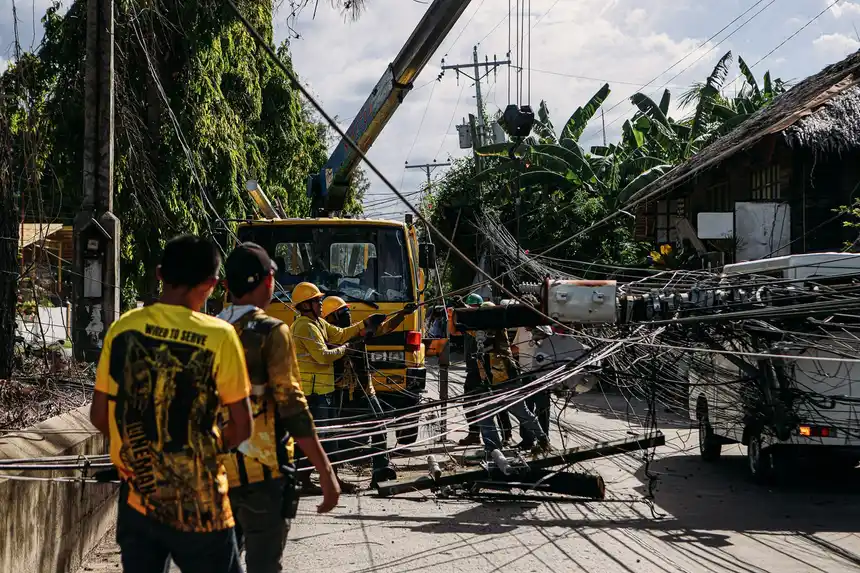
Every job follows the same five steps, whether it is a slow vanity leak in Fishtown or a burst pipe that flooded a Rittenhouse Square condo. You get a clear scope, a drying timeline, and a walkthrough before we pack up.
You call 215-281-3000 and describe what you see. We ask about the water source, how long it has been running, and whether the ceiling below is stained. A crew is dispatched with extraction and drying gear loaded, usually arriving within 60 to 90 minutes inside Philadelphia County.
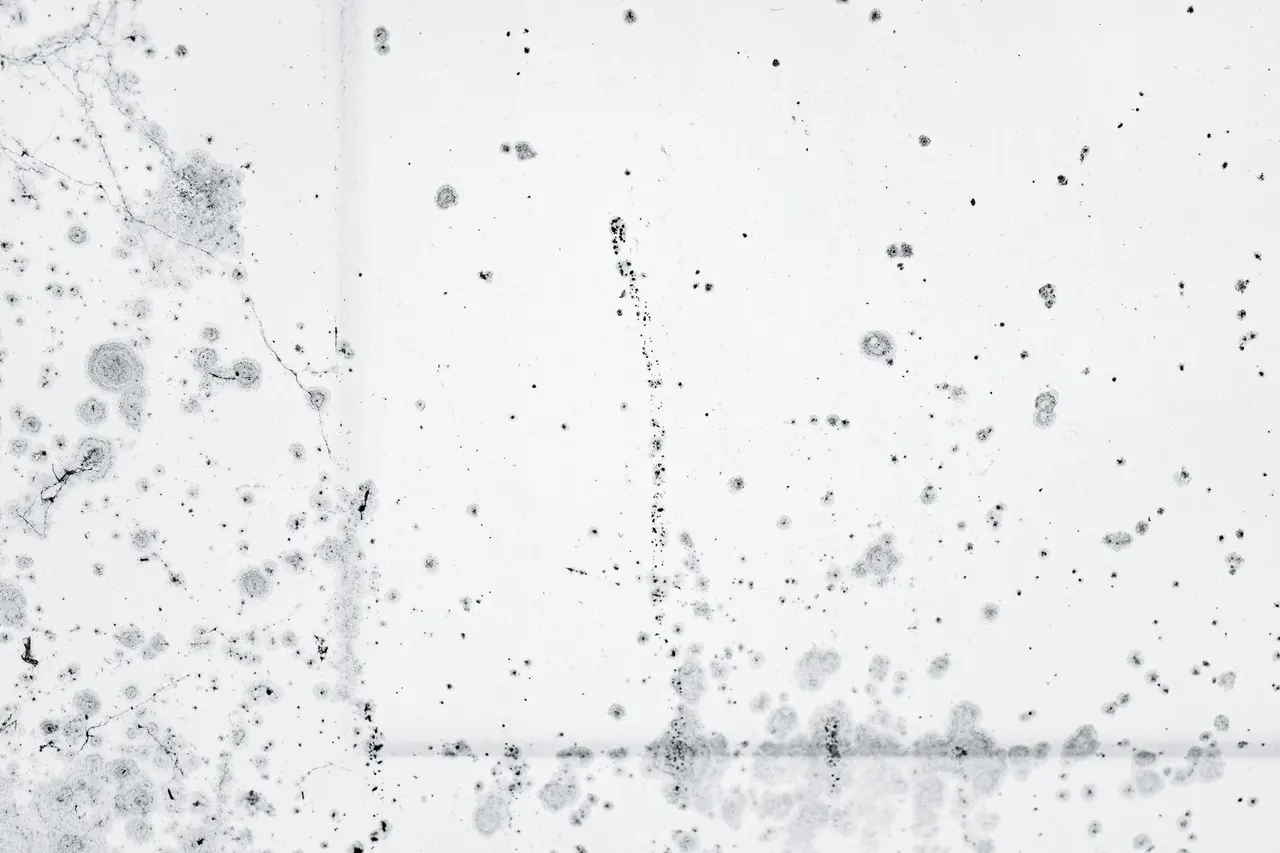
We confirm the water is off, then walk the bathroom with a moisture meter and thermal imaging camera. Readings get logged on a floor plan so you can see exactly where the wet zone starts and stops. This takes 20 to 30 minutes.
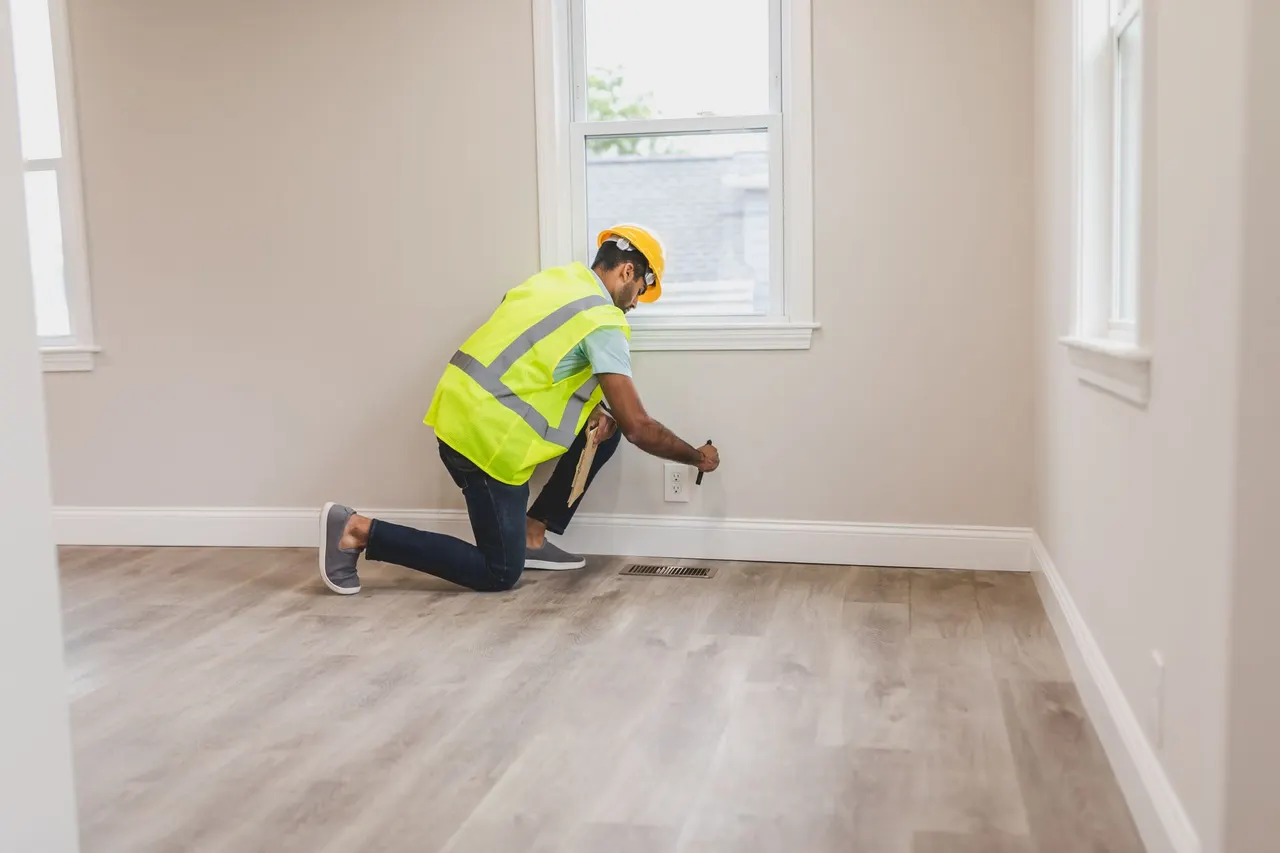
Standing water comes up with a wet/dry vacuum and extraction unit. We remove the toilet if the wax ring failed, pull baseboard to open the wall cavity, and set a commercial dehumidifier plus air movers. Drying runs two to four days with daily moisture checks.
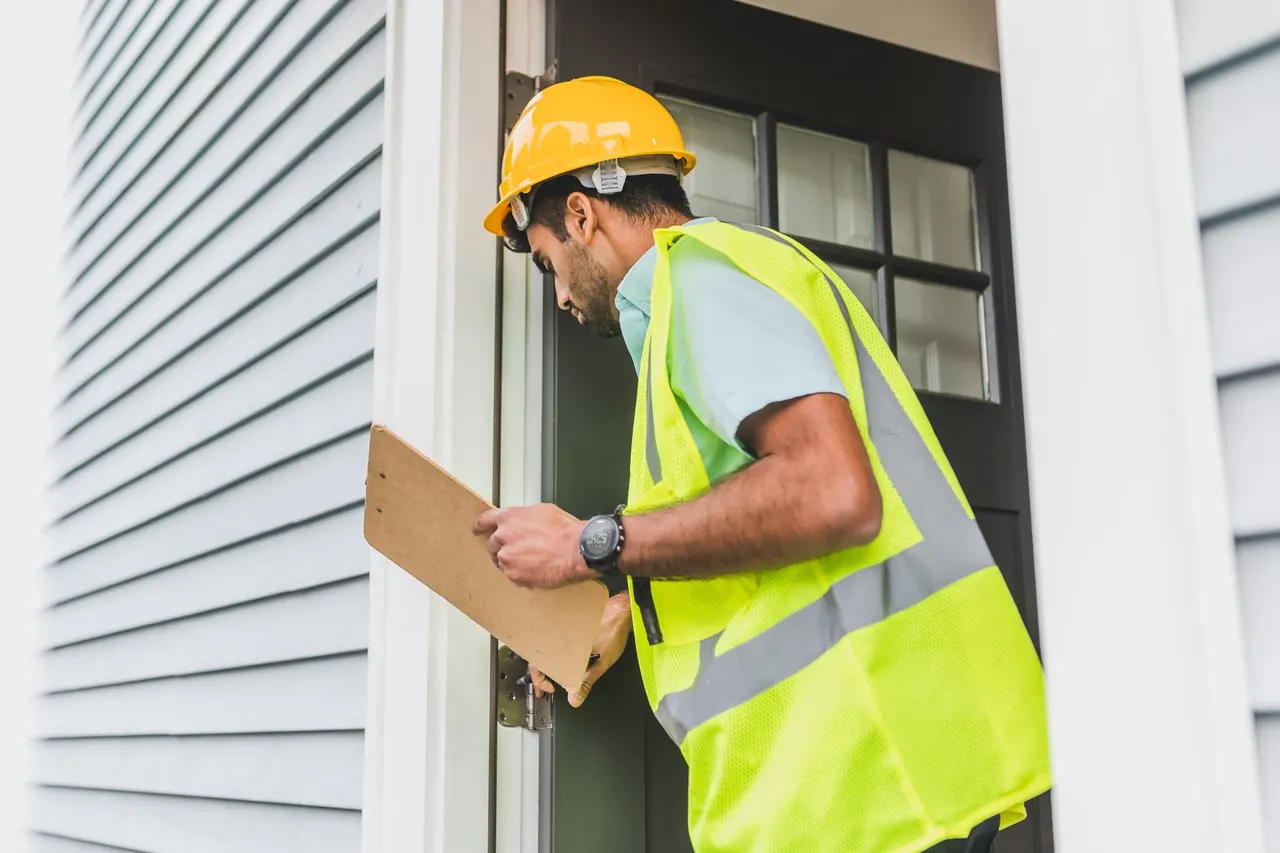
Once readings hit dry standard, we treat framing and subfloor with antimicrobial solution, then rebuild. That means new drywall, sealant at the tub and shower, and a fresh baseboard. Most repairs take one to three days depending on tile and fixture work.
We test the supply line and drain, run the shower, and check the ceiling below for new stains. You get a drying log, photo report, and a written summary of what was replaced. If anything reads wet, we keep equipment running at no extra charge.
Move across a circle, or focus it and press Enter, for an illustrative thermal view of the photograph.
Finds hidden moisture behind tile and inside wall cavities without tearing the room apart. It shows temperature differences that reveal where water has traveled.
Reads moisture content in drywall, subfloor, and framing, plus relative humidity in the air. We log readings daily to confirm the assembly is drying on schedule.
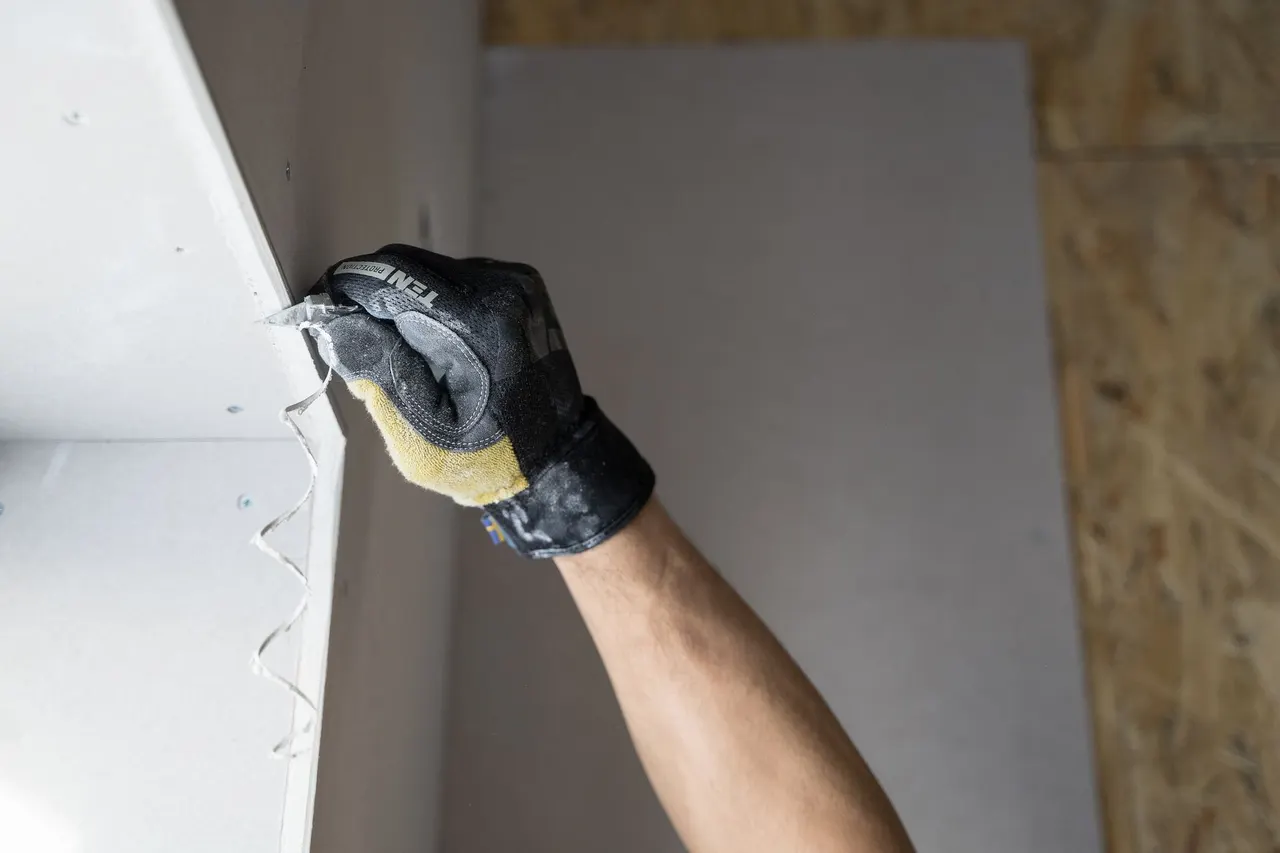
Dri-Eaz and Phoenix Restoration units pull 80 to 130 pints per day. That is what dries a bathroom cavity in three days instead of ten.
High-velocity fans push air across wet surfaces to speed evaporation. We position them to create a circular airflow pattern through the room.
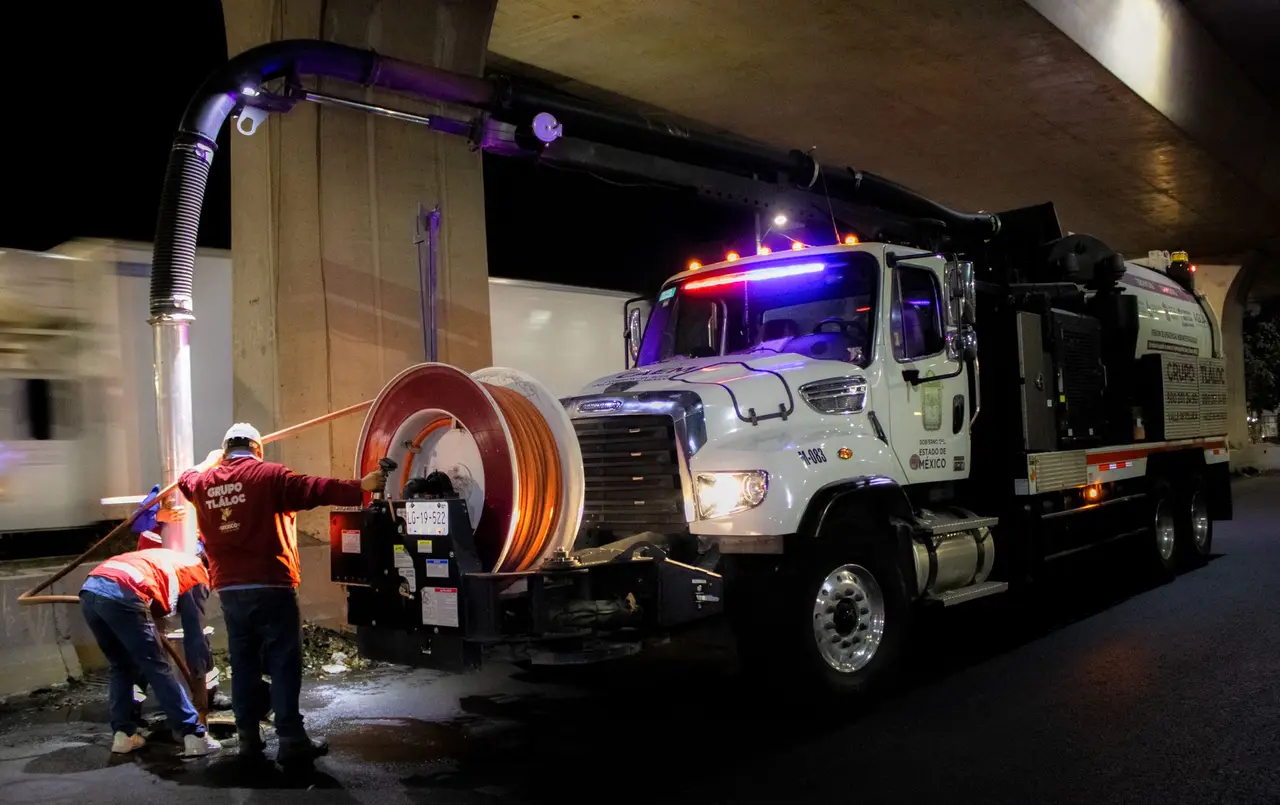
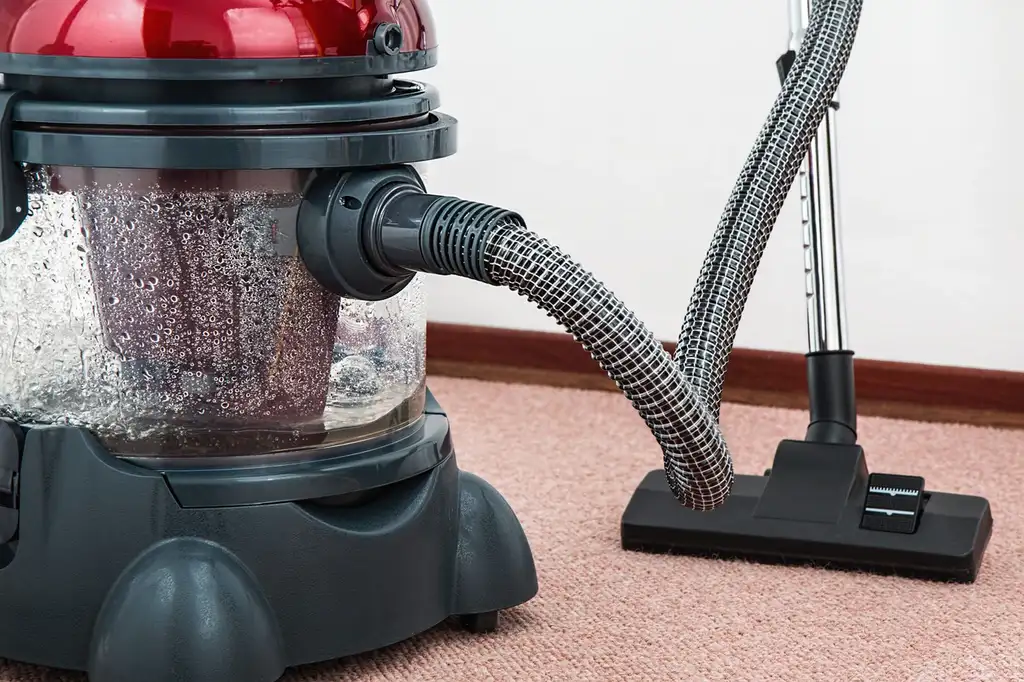
Pulls 12 to 20 gallons per minute from standing water. It empties a flooded bathroom floor fast so drying can start sooner.
Thermal views are illustrative, generated from the photographs.
A small camera on a flexible rod that lets us see inside wall cavities and drain lines without cutting a large opening.
Removes musty odor at the source and captures fine mold spores after drying. We run them after the room hits dry standard.
We follow the IICRC S500 standard for water damage restoration, which sets the dry standard for different materials. Drywall, subfloor, and hardwood each have a target moisture content, and we check against it daily.
We classify the water as Category 1, 2, or 3 based on contamination. A clean supply line leak is Category 1. A toilet overflow with waste is Category 3, which means removing porous material instead of drying it.
We build the repair scope in Xactimate, the estimating platform most insurers use. That gives your adjuster line items they recognize and shortens the time between filing and payment.
When mold is present, we seal the work area with plastic sheeting and run a HEPA vacuum to keep spores out of the rest of the house. Containment stays up until remediation is finished.
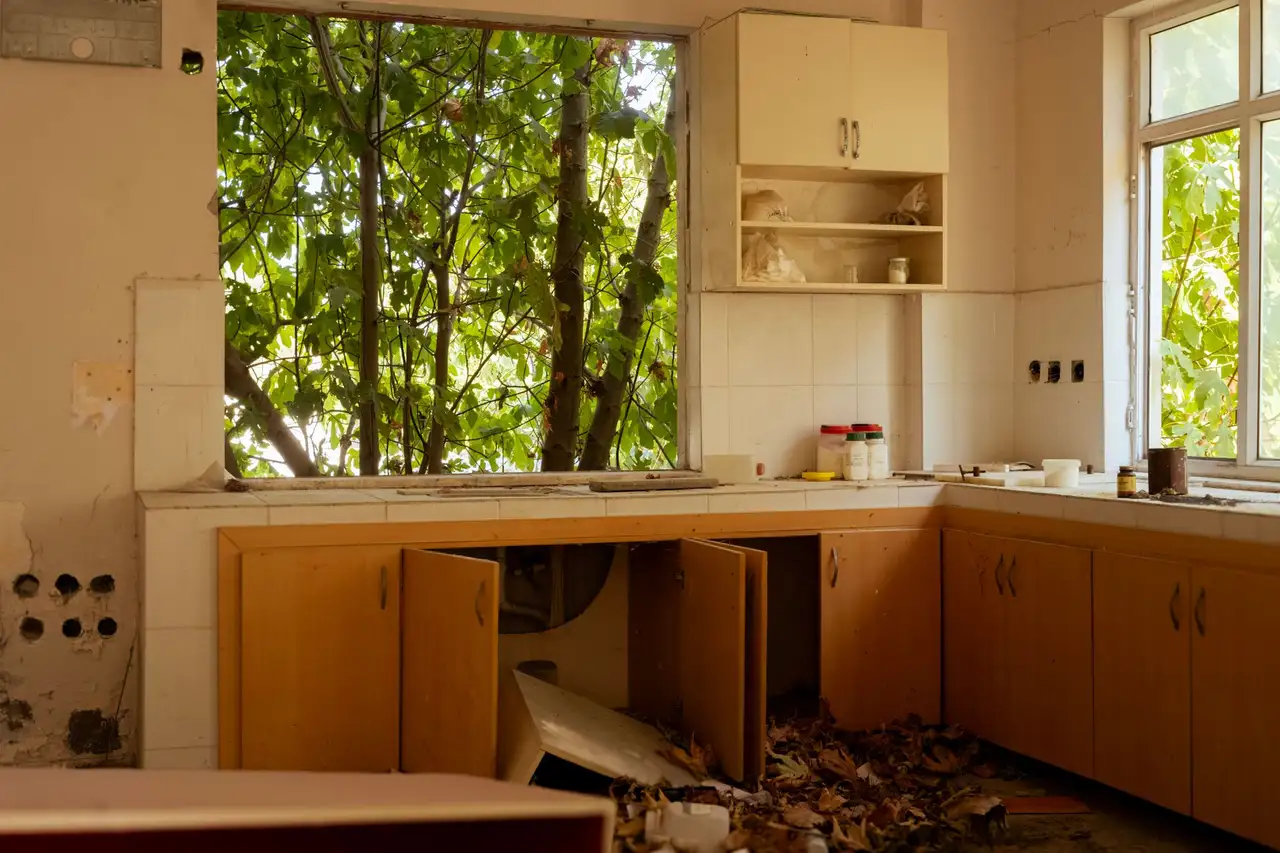
A toilet supply line bursts at 2 a.m. in a Fishtown rowhome and water is running into the kitchen below.
We answer the phone, walk you through shutting the angle stop, and dispatch a crew with extraction and drying gear. The toilet comes up, water comes out, and drying starts before sunrise.
Outcome: The kitchen ceiling is saved, the subfloor dries in three days, and the repair is finished within a week.
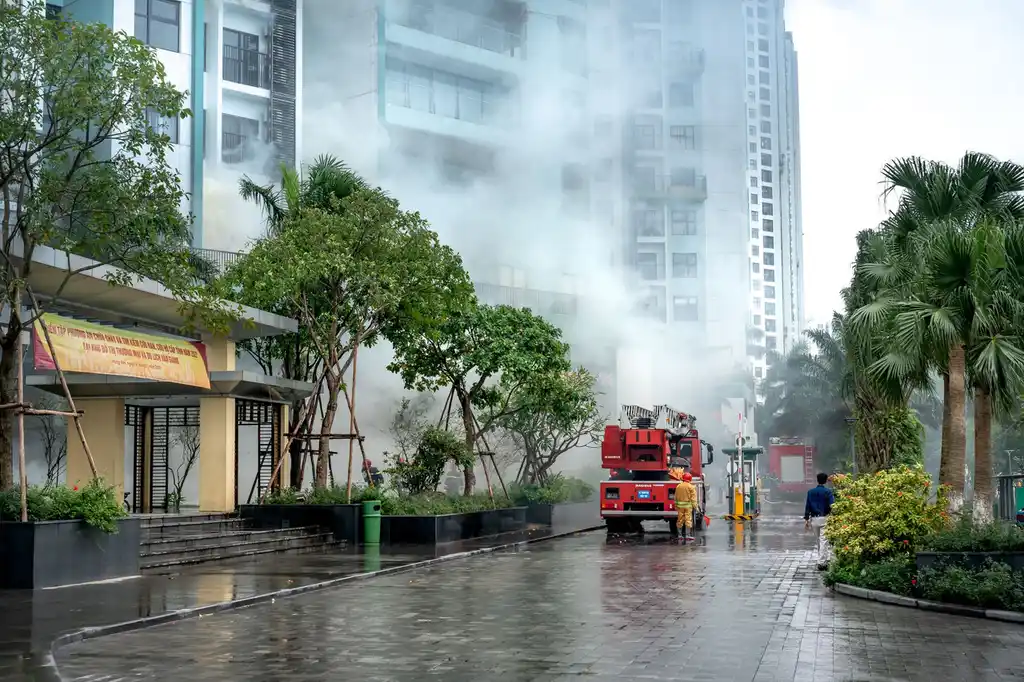
A Center City condo owner notices a musty smell and soft tile near the shower after a slow leak.
We map the wet zone with a thermal camera, open the wall, and treat for mold with antimicrobial solution. Drying runs four days, then we replace the affected drywall and reseal the shower.
Outcome: The smell is gone, the tile is solid again, and the building manager signs off on the repair.
A property manager in University City has three units with recurring bathroom ceiling stains from an upstairs leak.
We inspect all three units, trace the source to a shared drain line, and dry each affected ceiling. Documentation goes to the carrier in Xactimate format so the claim moves quickly.
Outcome: All three ceilings are repaired, the drain line is fixed, and the manager has a photo report for the file.
A Chestnut Hill homeowner finds cupped hardwood in the hallway after a tub overflow.
We extract the water, set drying mats on the hardwood, and control airflow to bring the boards back flat. No sanding needed if we catch it within 48 hours.
Outcome: The floor lies flat again, the finish is intact, and the homeowner avoids a full floor replacement.
A Northeast Philadelphia twin has a sump pump failure that backs water into a first-floor bathroom.
We extract from both the bathroom and the basement, check the sump pump, and dry the slab and joists. The pump gets replaced before we leave.
Outcome: Both levels are dry in four days and the basement stays dry through the next heavy rain.
Philadelphia bathrooms sit in tight rowhome footprints where a leak in one unit can show up two floors down. Most of the housing stock dates to before 1950, which means cast iron drains, galvanized supply lines, and original subfloor that soaks up water like a sponge.
We see the same failures repeat: toilet supply lines that let go in winter, shower pans that crack after 20 years, and tub overflows in twins where the ceiling below is a neighbor's kitchen. Our crews know to check the unit below before we call a job dry. We also follow EPA Lead-Safe practices on pre-1978 homes, because cutting into old drywall can release lead dust.
If you need bathroom water damage restoration in Philadelphia, Pennsylvania, we handle the drying and the repair under one roof.
Before: A supply line burst at 2 a.m. and ran for four hours. The bathroom floor was under an inch of water, the hallway carpet was soaked, and the kitchen ceiling below showed a fresh stain.
After: We extracted 18 gallons, pulled the toilet, and dried the subfloor in three days. The hallway carpet was saved. New drywall and baseboard went in on day five, and the ceiling was patched and painted.
Replace flexible supply lines every five years and check the angle stop for corrosion each spring.
Before: A slow pan leak ran behind the tile for six weeks. The unit below reported a ceiling stain, and a musty smell had settled into the bathroom. Tile near the drain was loose.
After: We mapped the wet zone with a thermal camera, opened the wall, and treated the framing with antimicrobial solution. Drying ran four days. We replaced the affected drywall, resealed the pan, and re-grouted the loose tile.
Re-caulk the shower pan every 12 to 18 months and watch for soft spots near the drain. Catching a pan leak early avoids a full tile tear-out.
Before: A cracked drain under a 1920s bathroom leaked into the first-floor ceiling every time someone showered. The ceiling drywall was stained and soft across a four-foot section.
After: We located the crack with a boroscope, dried the joists and ceiling cavity in three days, and coordinated the drain repair. New drywall and paint went up on day six. The stain has not returned.
Have a plumber camera the drain line every few years in pre-1950 homes. A cracked cast iron line will keep leaking until it is replaced.
Most bathroom leaks look small until you open the wall. Here are the four we see most in Philadelphia rowhomes and high-rises, and what happens if you let them sit.
A dry bathroom, a documented repair, and no repeat leak.
Our water extraction unit pulls 12 to 20 gallons per minute, so a standard bathroom floor is dry to the touch within two to four hours of arrival. We hit the toilet base, vanity cabinet, and floor drain first because those are where standing water hides.
Mold growth starts within 24 to 48 hours of a leak. We apply antimicrobial solution to every wet surface and set drying equipment the same day, which keeps a small bathroom leak from becoming a mold remediation project in your Philadelphia rowhome.
We document moisture readings, take photos, and build the scope in Xactimate so your adjuster sees line items they recognize. That shortens the gap between filing a claim and getting a check for bathroom water damage repair Philadelphia work.
Once the cavity is dry, we replace drywall, subfloor, and baseboard to code.
What a written scope covers and what shapes it. Prices are set by the business after the first look.
Included
Depends on
Clear records you can keep and share.
Daily moisture readings by room
Before, during, and after images
Floor plan showing the wet zone
List of materials replaced
The category of water decides what we can dry and what has to go.
Clean water from a supply line
Gray water with some contamination
Black water with waste or sewage
A list like this tells people straight away whether you cover their street. Not listed? Call and ask: it only takes a minute.
Based in Philadelphia and covering the places around it. Pick one for local details.
Extraction and drying for a small leak lands near the low end. Jobs that include subfloor replacement, tile work, or mold treatment push toward the top. Insurance often covers the drying portion, and we document everything for your adjuster.
Water Damage Restoration Philly handles both the drying and the repair. Call 215-281-3000 and we will tell you on the phone whether your job needs a permit.
Yes, most Philadelphia homeowners policies cover sudden bathroom leaks such as a burst pipe or failed supply line. Slow leaks that have been running for months are often excluded as maintenance. We photograph the source, log moisture readings, and submit the scope in Xactimate so your carrier sees the damage clearly.
Extraction takes two to four hours. Drying runs two to four days with daily moisture checks. Repairs add one to three days depending on tile, drywall, and fixture work. A simple toilet supply leak is often finished in under a week. A shower pan failure with subfloor damage can run eight to ten days.
Other services from the same team.
Water spreads through a Philadelphia rowhome in minutes, not hours. Call 215-281-3000 and we will dispatch a crew with extraction and drying equipment to your address. Same-day service, documented for insurance, and repairs handled by the same team that dries the room.
Call 215-281-3000 any time, day or night. We answer live, ask what happened, and dispatch a crew. If you prefer email, send photos and your address to info@waterdamagerestorationphilly.com and we'll respond within the hour. Most Philadelphia calls get a technician on-site within 60 to 90 minutes.