For Homes
We handle leaks, backups, and storm water in houses, condos, and rentals. You get a walkthrough, a drying plan, and daily updates.
- Burst pipe in basement
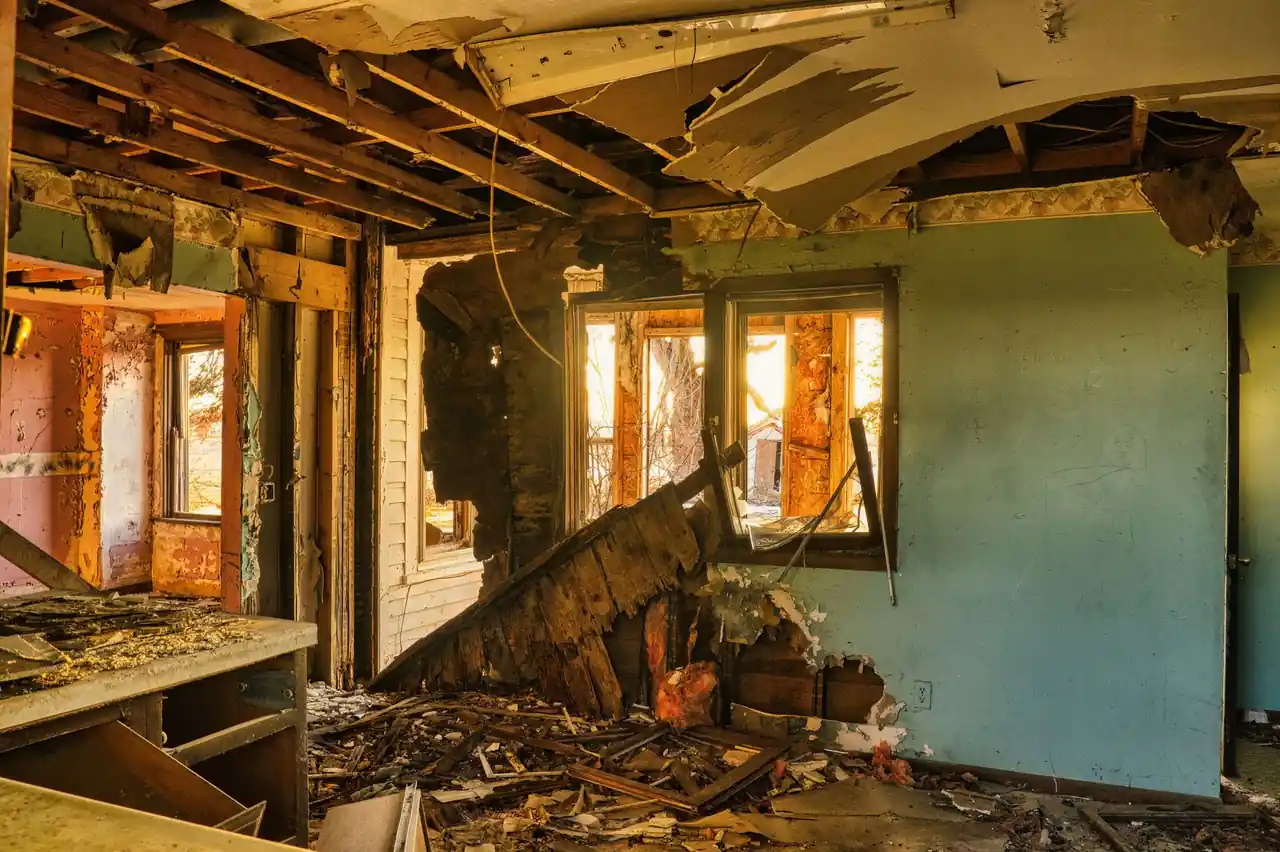
- Sewage backup in basement
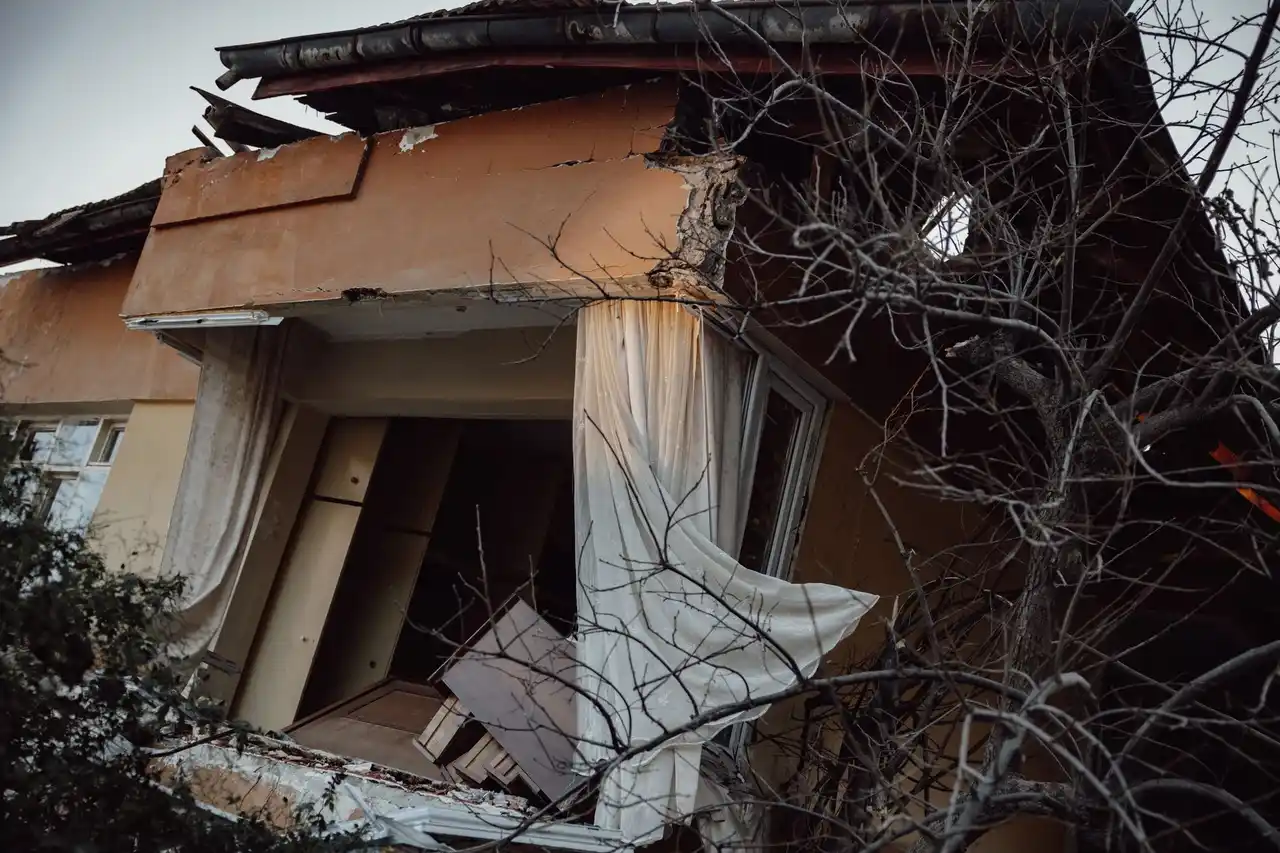
- Roof leak staining ceiling
Water Damage Restoration in Philadelphia means stopping the source, pulling the standing water, and drying the structure before mold takes hold. Water Damage Restoration Philly handles burst pipes, sewage backups, roof leaks, and basement flooding for homeowners, landlords, and property managers from Center City to Northeast Philadelphia. Call 215-281-3000 and we roll a truck the same day.
 Moisture mappingExtraction firstDaily drying logs
Every water damage restoration job starts with the same core scope: find the source, extract the water, dry the structure, and document the loss. Repairs and rebuild are quoted separately once the structure is dry and we know what needs replacing. Here is what is included in a standard restoration.
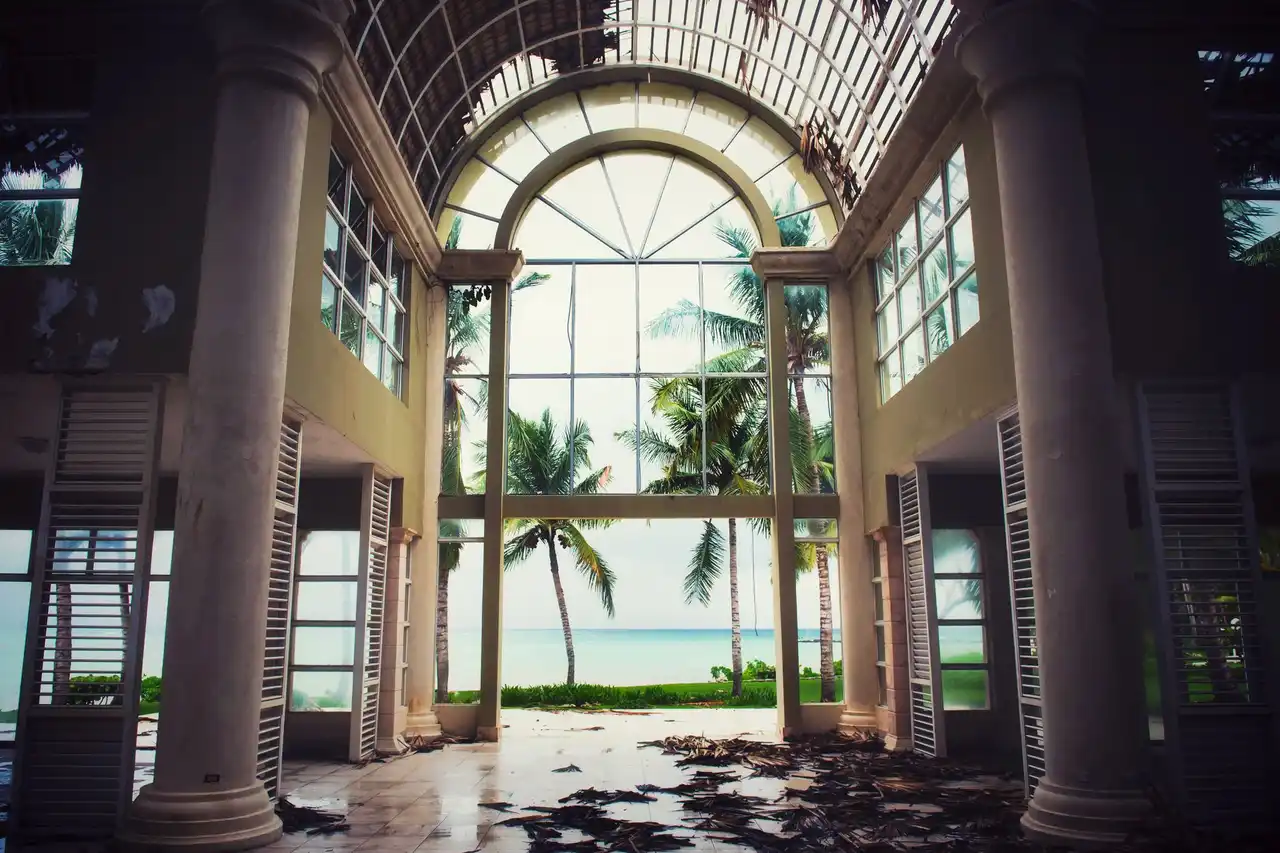
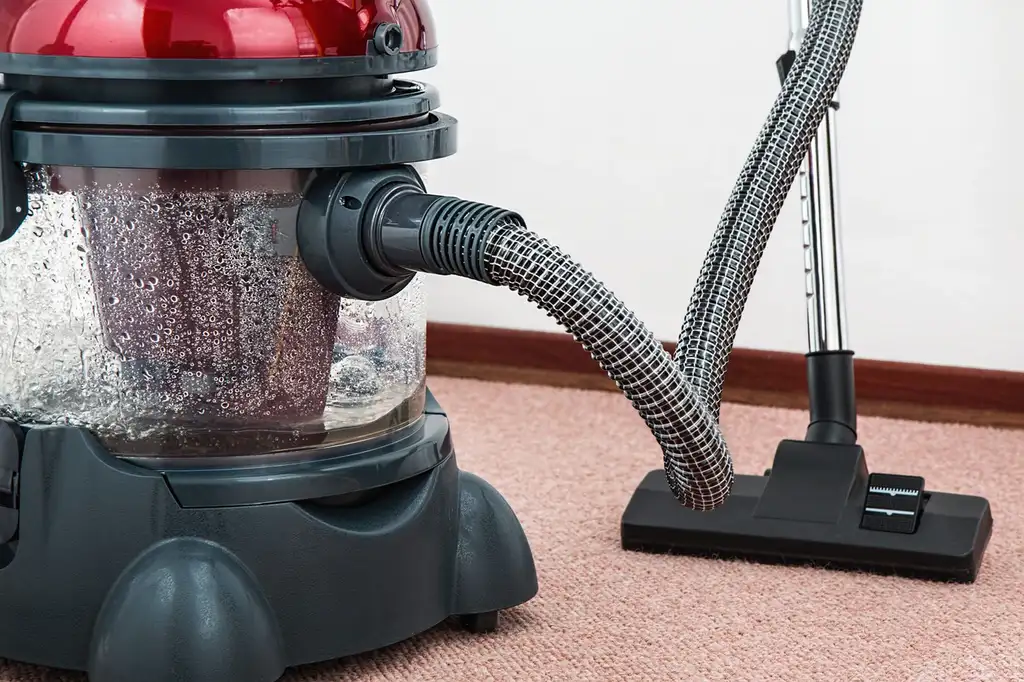
We pull standing water with water extraction units and wet/dry vacuums. Carpet padding gets removed and discarded. For sewage backup, we apply antimicrobial solution to every affected surface before drying begins. This step usually takes two to four hours.
We use a moisture meter, thermal imaging camera, and hygrometer to find hidden moisture behind walls, under floors, and in ceilings. The assessment tells us how far the water traveled and what materials can be dried versus replaced.
We place commercial dehumidifiers and air movers to dry drywall, subfloor, and framing. Plastic sheeting can isolate wet zones. We return daily to log readings and adjust equipment until the structure hits dry standard.
After extraction, we treat affected surfaces with antimicrobial solution to stop mold growth. This is standard on every water loss, and it is required on category 2 and category 3 water like sewage backup and storm flooding.
Musty odors mean moisture or mold is still present. We find the source, dry the structure, and use ozone generators and HEPA vacuums to clear the air. We do not mask odors with fragrance.
We photograph the loss, log moisture readings, and prepare an Xactimate estimate your adjuster can process. We bill the carrier directly when the loss is covered, so you are not fronting the whole job out of pocket.
The approach is the same for a home and a business. What changes is the access, the schedule and who needs the paperwork.
We handle leaks, backups, and storm water in houses, condos, and rentals. You get a walkthrough, a drying plan, and daily updates.
We work around your hours to keep the doors open. You get documentation for your carrier and a schedule that fits your operation.
A plain-language look at what Water Damage Restoration involves and when it is needed.
See how it worksWater Damage Restoration in Philadelphia is the process of extracting standing water, drying structural materials, and returning a property to its pre-loss condition after a leak, backup, or storm event. It starts with a moisture meter and thermal imaging camera to map how far water traveled behind drywall and under hardwood flooring. From there we set water extraction units, commercial dehumidifiers, and air movers, then monitor with hygrometers until the subfloor and framing hit dry standard. Every job is documented with photos and daily readings for your insurance claim.
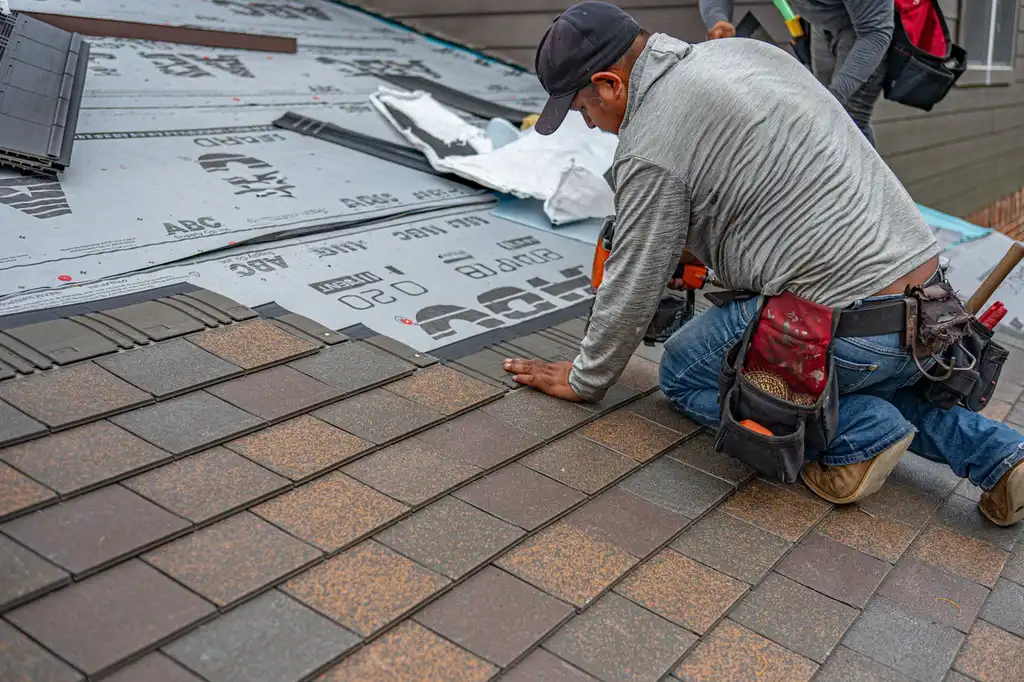
Philadelphia's housing stock makes water damage a year-round problem. Row homes in Fishtown and Kensington share walls and old cast-iron drains that crack under root intrusion. Chestnut Hill and Mount Airy stone foundations wick groundwater after heavy rain. Center City high-rises deal with appliance leaks and HVAC condensate overflow on upper floors that rain down on the units below. When you need water damage repair Philadelphia homeowners can trust, we handle the whole scope: extraction, drying, repairs, and odor removal.
Water damage gets worse by the hour, so extraction and drying come before repairs.
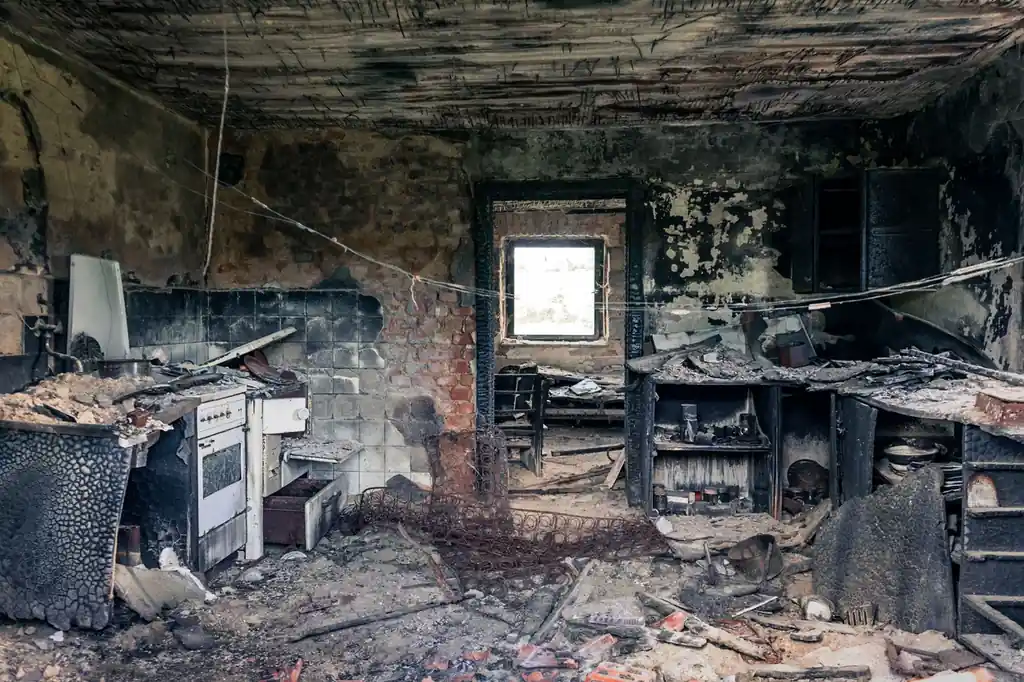
Every job follows the same sequence, whether it is a burst pipe in a Port Richmond rowhouse or a commercial loss in University City. Here is what you can expect from the first call to the final walkthrough.
You call 215-281-3000 and describe what happened. We ask where the water is coming from, whether the source is shut off, and what type of flooring is affected. We give you a rough arrival window and tell you how to cut power to wet areas if it is safe. No phone tree, no waiting for a callback.
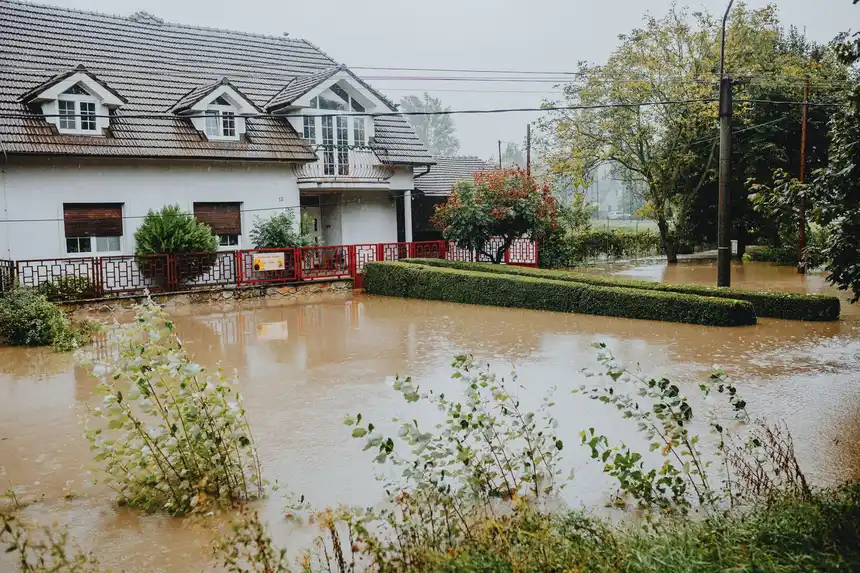
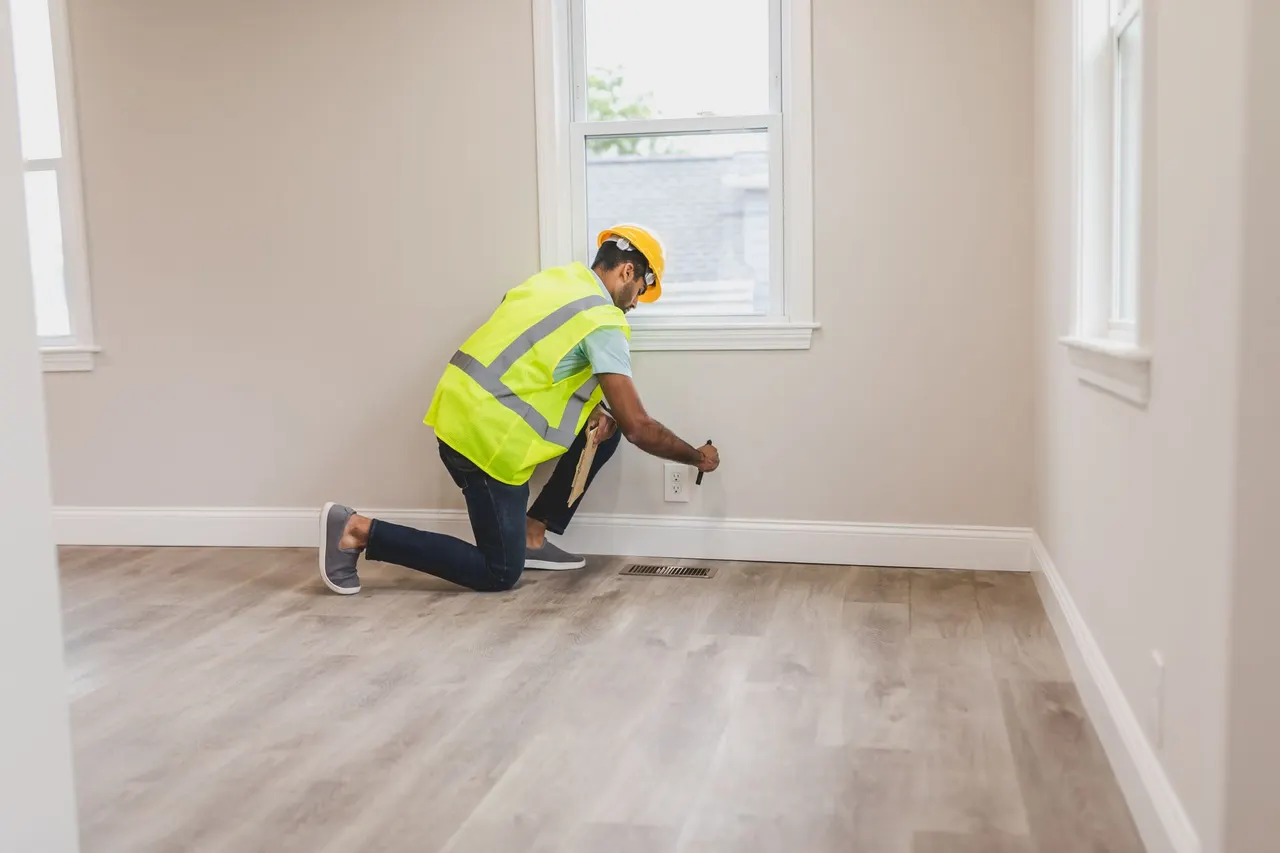
A technician walks the property with a moisture meter, thermal imaging camera, and hygrometer to find hidden moisture behind walls and under floors. We check for sewage contamination, mold growth, and structural water damage. You get a written scope and an honest answer about what needs to happen next.
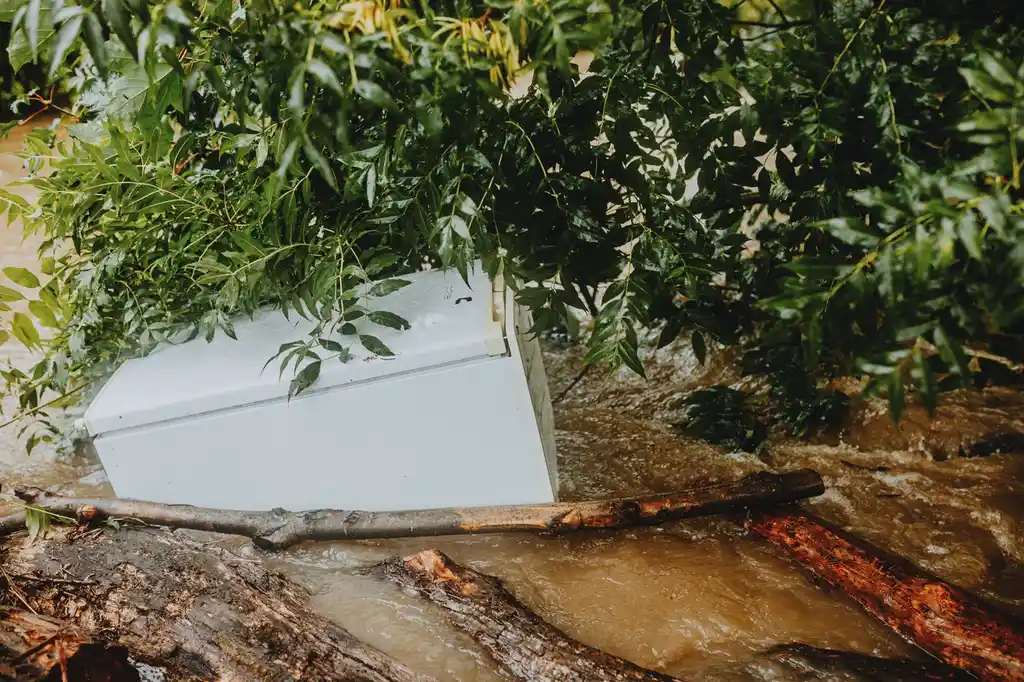
We pull standing water with water extraction units and wet/dry vacuums, starting in the deepest areas. Carpet padding gets removed and discarded because it rarely dries clean. For sewage backup, we apply antimicrobial solution to every affected surface before drying begins. This step usually takes two to four hours on a typical residential loss.
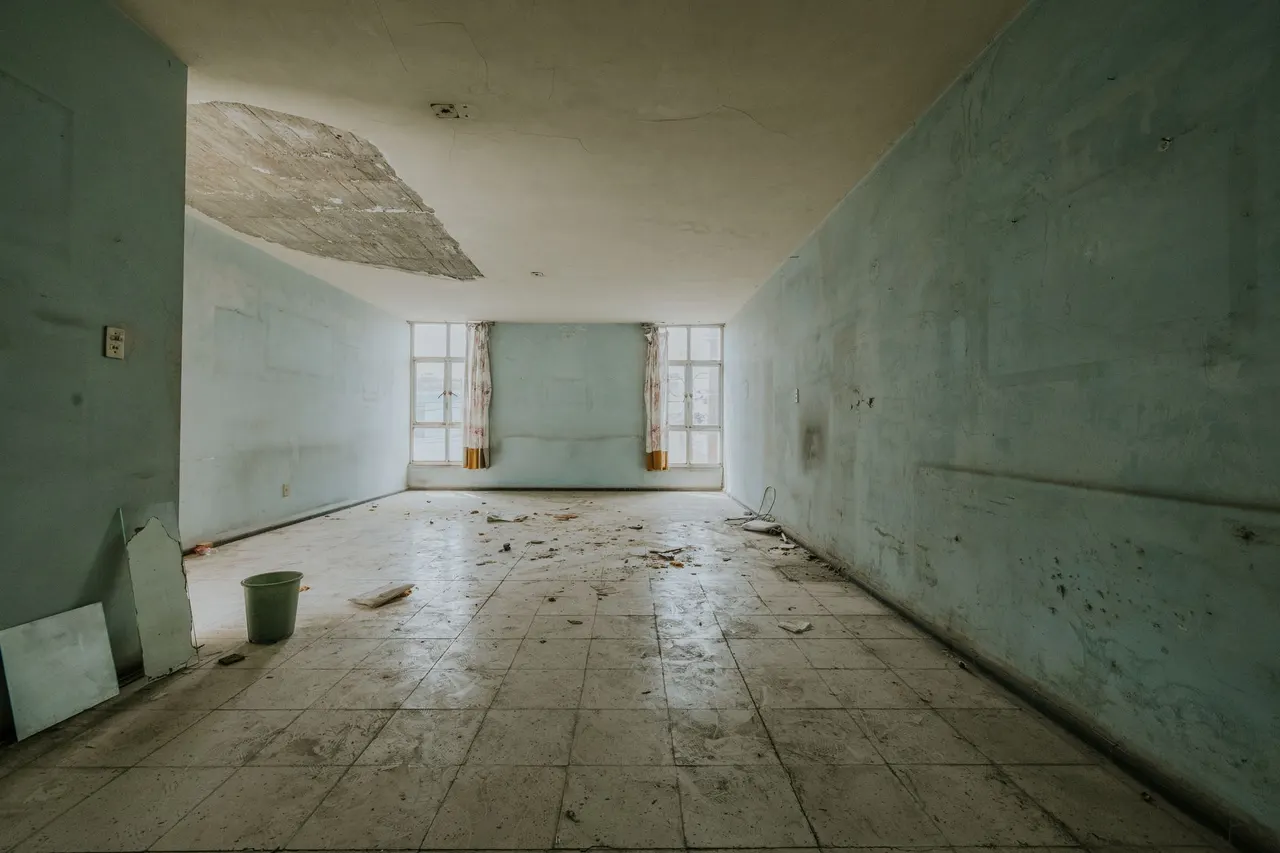
We place commercial dehumidifiers and air movers to pull moisture out of drywall, subfloor, and framing. Plastic sheeting can isolate wet zones so the equipment works efficiently. We return daily to log readings with a hygrometer and adjust equipment placement. Most residential jobs dry in three to five days.
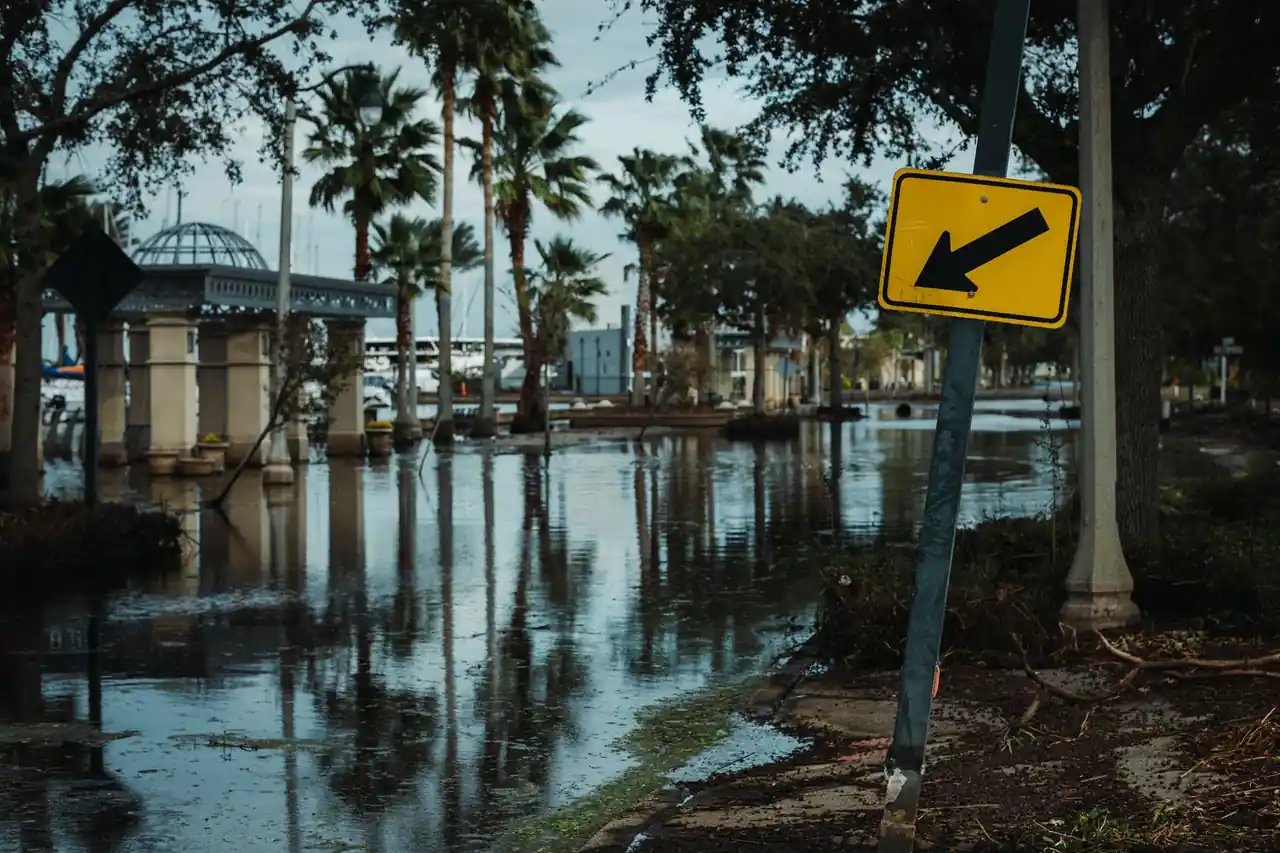
Once the structure hits dry standard, we handle the rebuild: drywall, baseboard, paint, flooring, and trim. We do a final moisture check and walk you through the finished space. You get a photo report and drying log for your records and your insurance carrier.
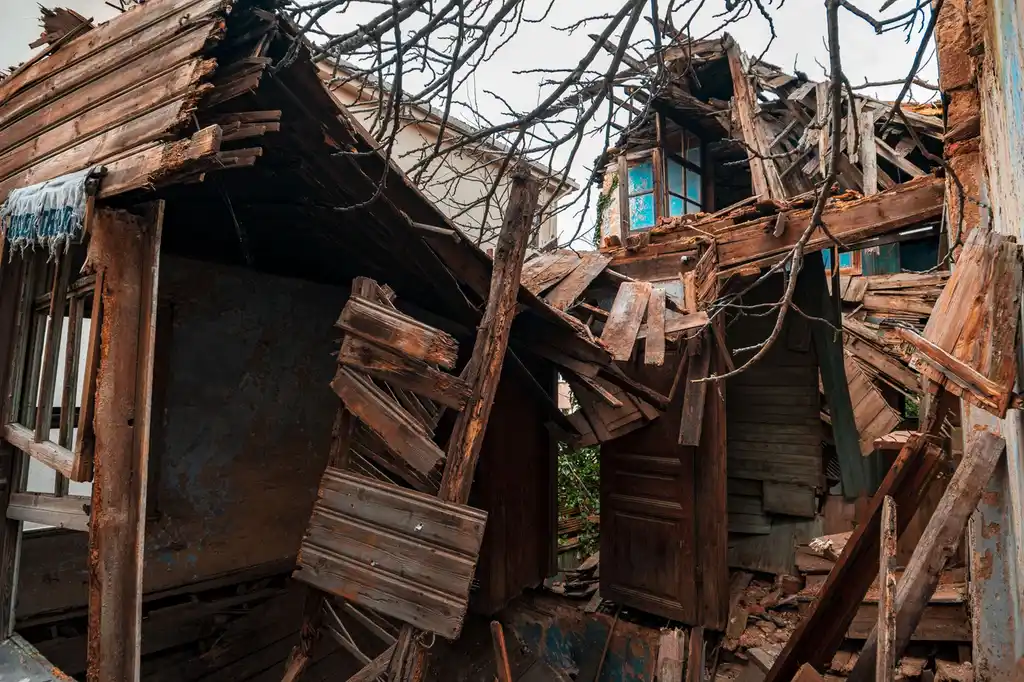
Move across a circle, or focus it and press Enter, for an illustrative thermal view of the photograph.
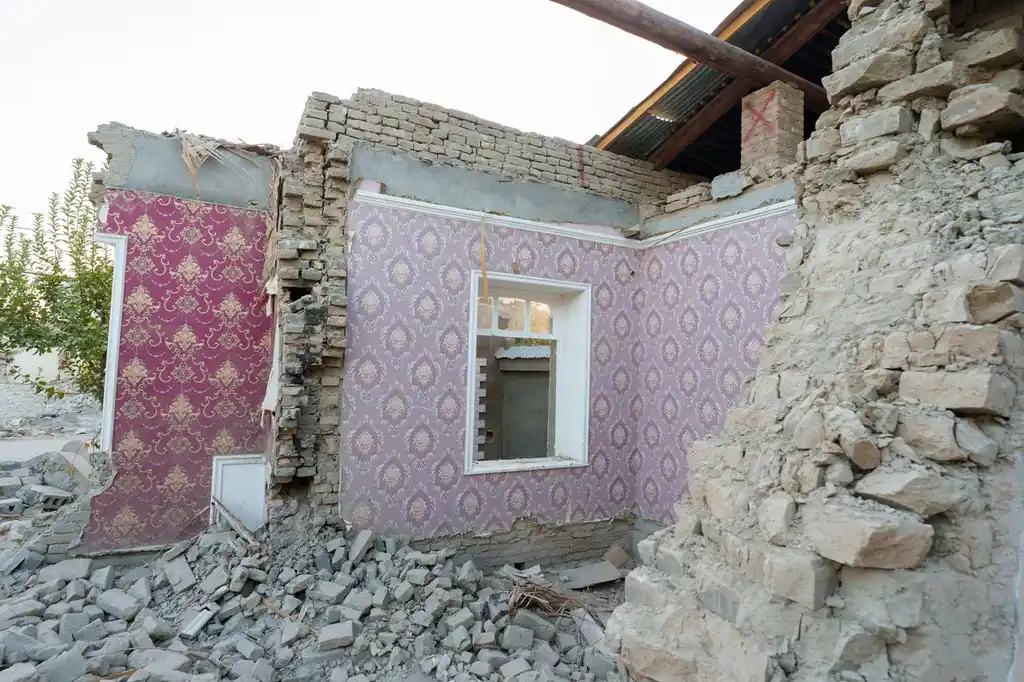
Pulls standing water from carpet, hardwood, and concrete faster than a shop vac. We use it first on every job to remove the bulk of the water before drying equipment goes down.
Removes moisture from the air so wet materials can dry. We use Dri-Eaz and Phoenix Restoration units that pull gallons of water per day, which is what makes structural drying work in Philadelphia humidity.
Circulates air across wet surfaces to speed evaporation. We position them to dry drywall, subfloor, and framing, and we adjust placement daily based on moisture readings.
Finds hidden moisture behind walls and under floors by reading temperature differences. It shows us where water traveled even when the surface looks dry.
Measures moisture content in materials and relative humidity in the air. We log readings daily to track drying progress and confirm when the structure hits dry standard.
Thermal views are illustrative, generated from the photographs.
A camera on a flexible probe that lets us see inside wall cavities and crawl spaces without tearing them open. We use it to check for mold growth and hidden water.
Ozone generators neutralize odors after a water loss. HEPA vacuums capture mold spores and debris. We use both on jobs where odor or mold is a concern.
The S500 is the industry standard for water damage restoration. It defines water categories, drying goals, and documentation requirements. We follow it on every job, which is why our drying logs hold up with insurance adjusters.
We map the affected area with a moisture meter and thermal imaging camera before we set equipment. The map tells us where to place dehumidifiers and air movers and gives us a baseline to measure drying progress against.
We record moisture readings every day and adjust equipment placement based on the numbers. The log is your proof that the structure is dry and your documentation if the insurance company asks questions.
After extraction, we apply antimicrobial solution to affected surfaces. It stops mold growth during the drying period, which matters in Philadelphia's humid summers and on category 2 and 3 water losses.
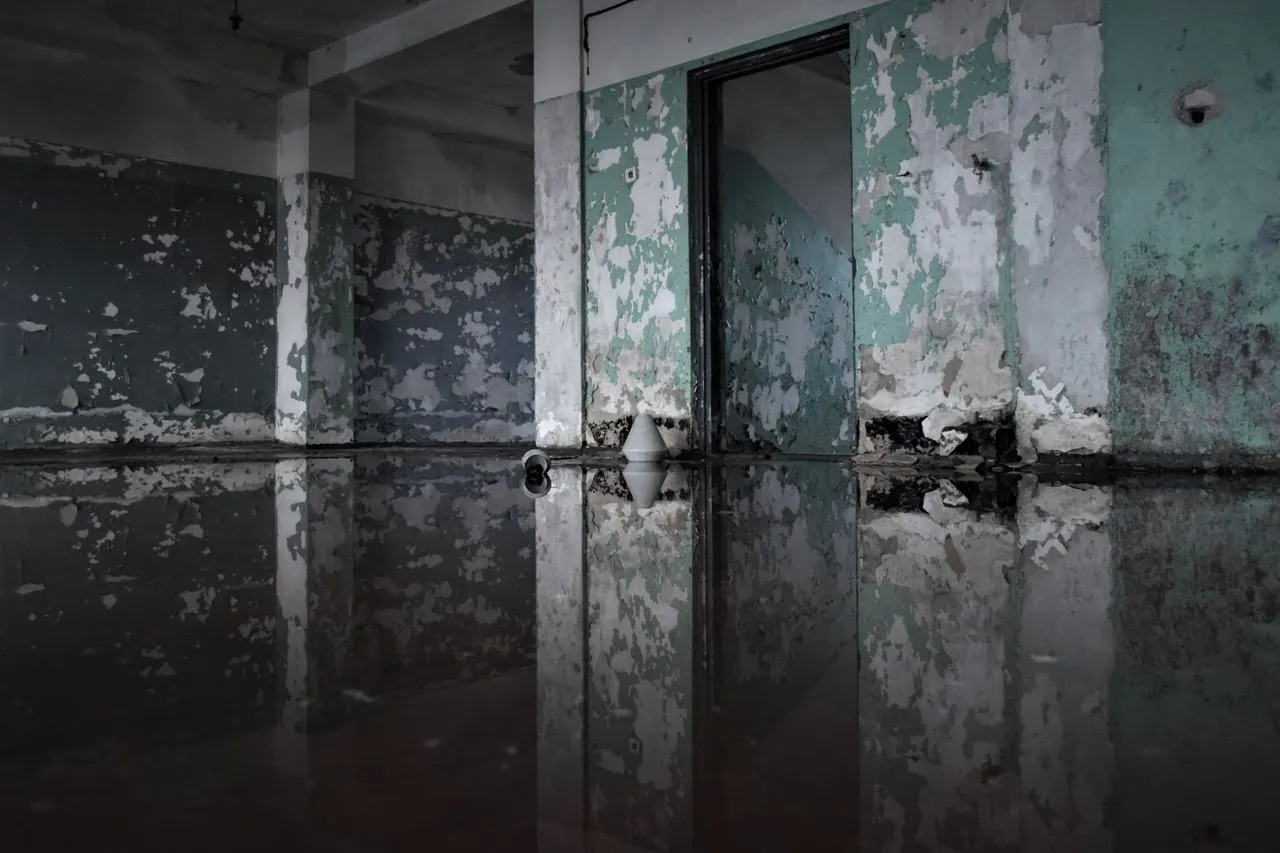
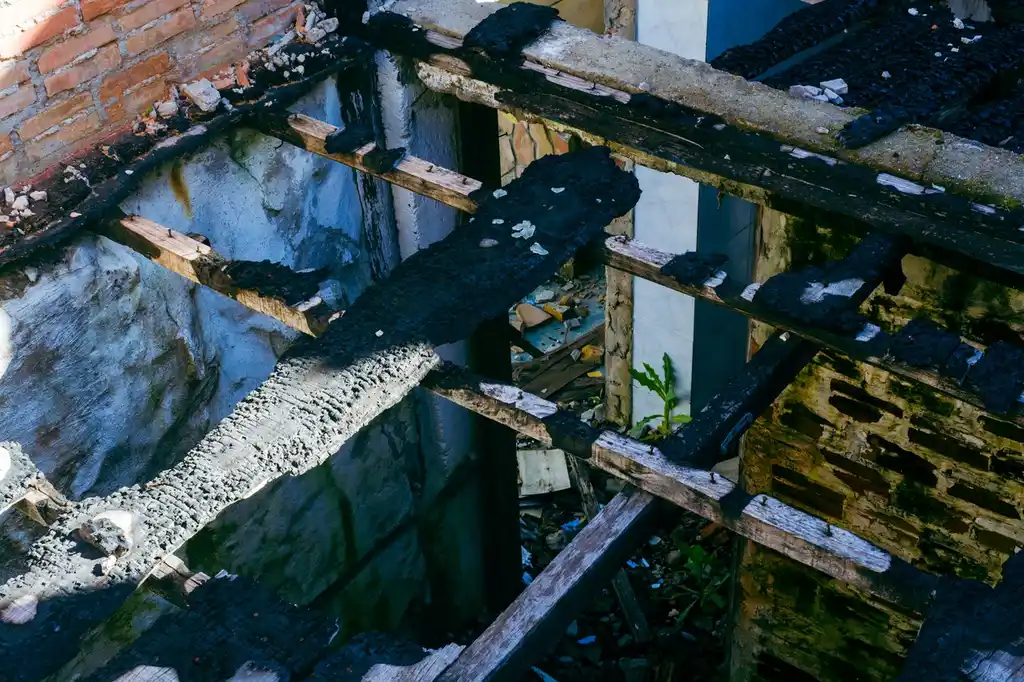
A pipe froze and burst overnight in a Roxborough rowhouse during a January cold snap.
We shut the water main, extract the standing water from the basement and first floor, and set drying equipment. We check the walls with a thermal imaging camera for hidden moisture and document everything for the insurance claim.
Outcome: The structure dried in four days. We repaired the drywall and baseboard, and the homeowner's policy covered the work minus the deductible.
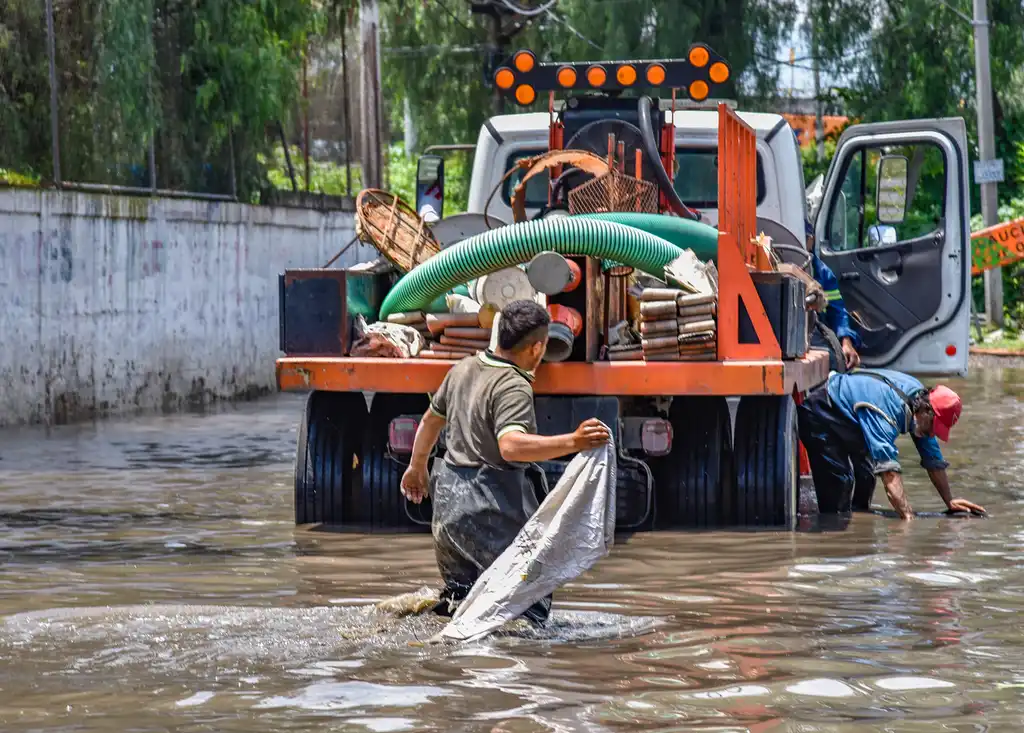
A washing machine supply line failed on the second floor of a Center City condo, sending water into the unit below.
We extracted water from both units, dried the ceilings and walls, and coordinated with both owners and the building management. We documented the loss for two separate insurance claims.
Outcome: Both units were dry in five days. We repaired the drywall in both ceilings and the condo below was back to normal within two weeks.
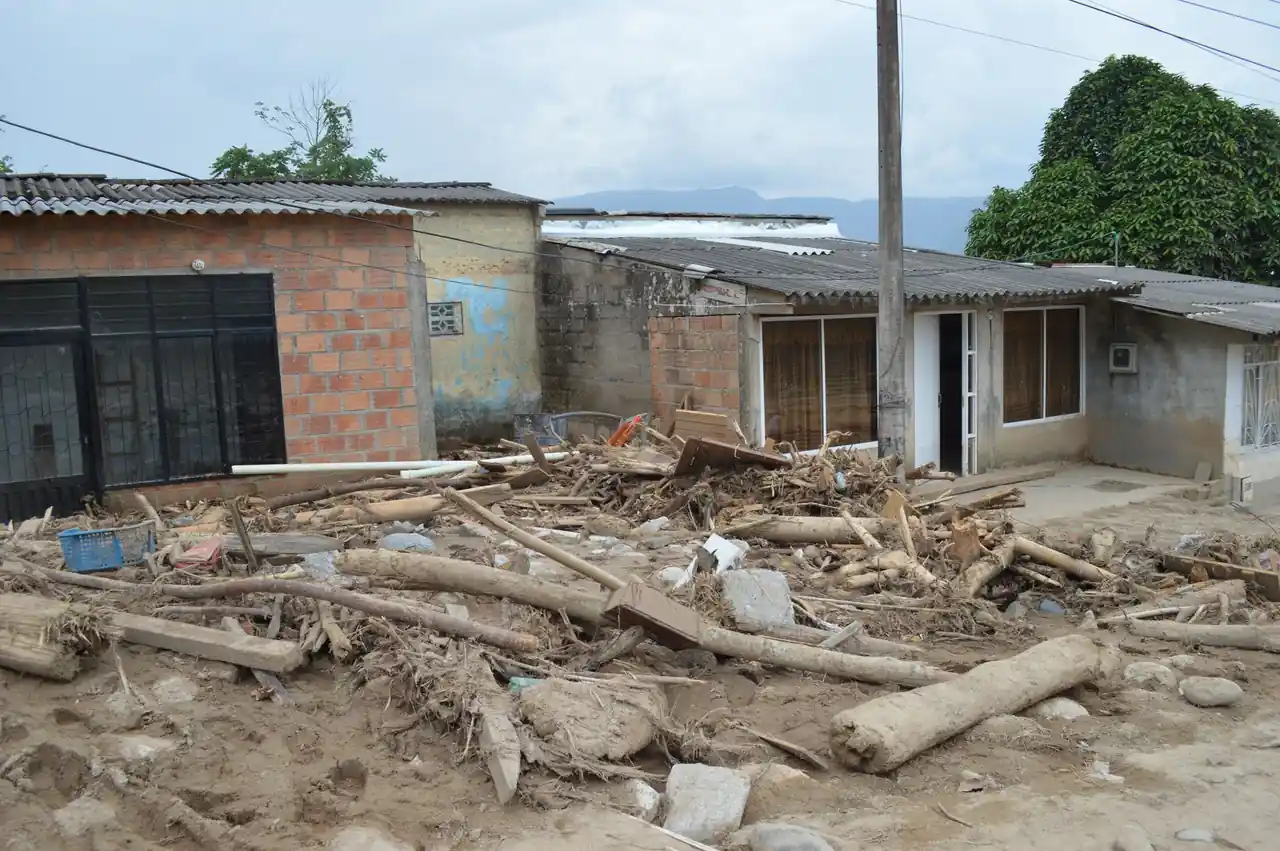
A summer storm drove rain through a failing roof in Germantown, staining the ceiling and soaking the attic insulation.
We tarped the roof, extracted water from the ceiling cavity, and removed the wet insulation. We dried the framing with air movers and dehumidifiers, then repaired the ceiling drywall.
Outcome: The ceiling was repaired and painted to match. The homeowner had the roof patched at the same time so the leak would not return.
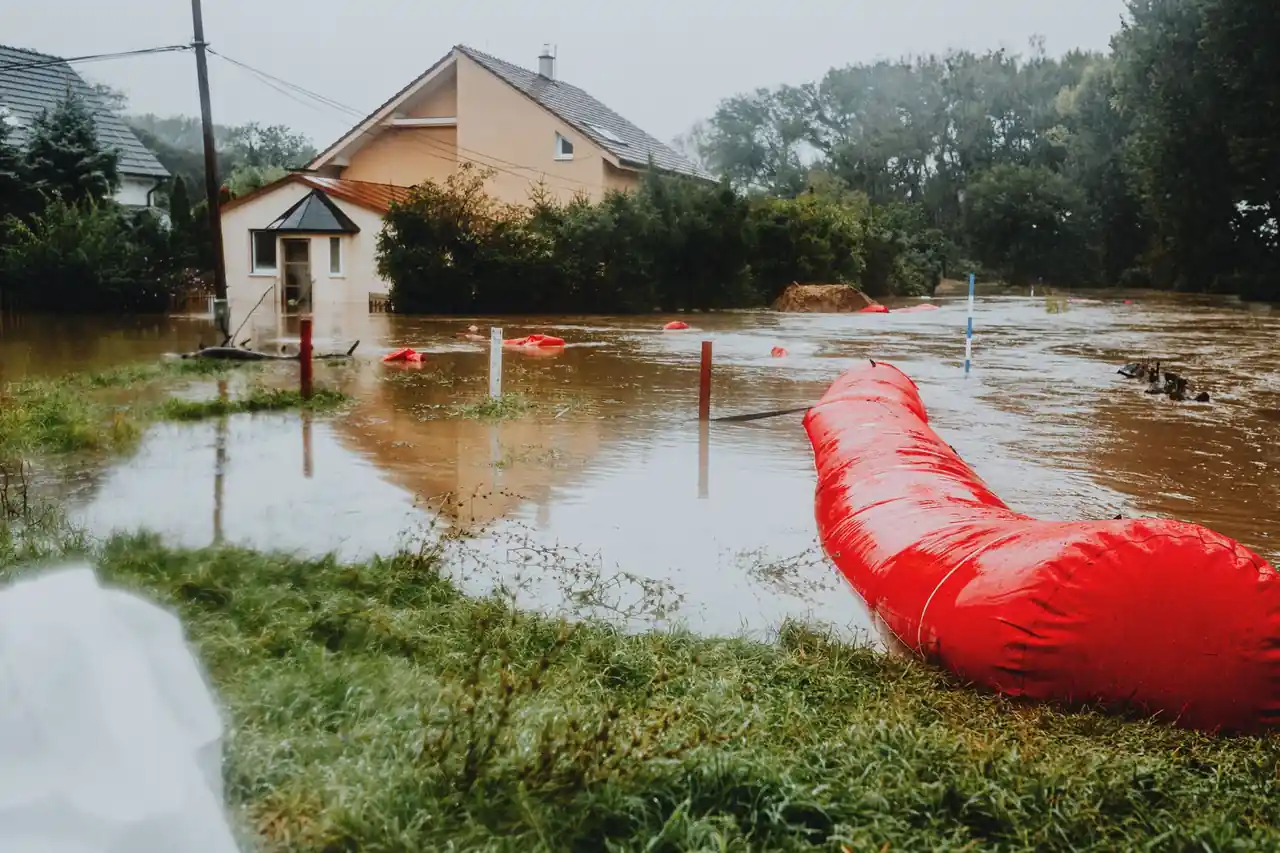
A sewage backup filled a finished basement in Port Richmond after heavy rain overwhelmed the municipal line.
We extracted the water, removed contaminated carpet and drywall, and treated every surface with antimicrobial solution. We used ozone generators for odor removal and repaired the basement once it was dry.
Outcome: The basement was dry in five days and fully repaired in three weeks. The odor was gone and the space was safe to use again.
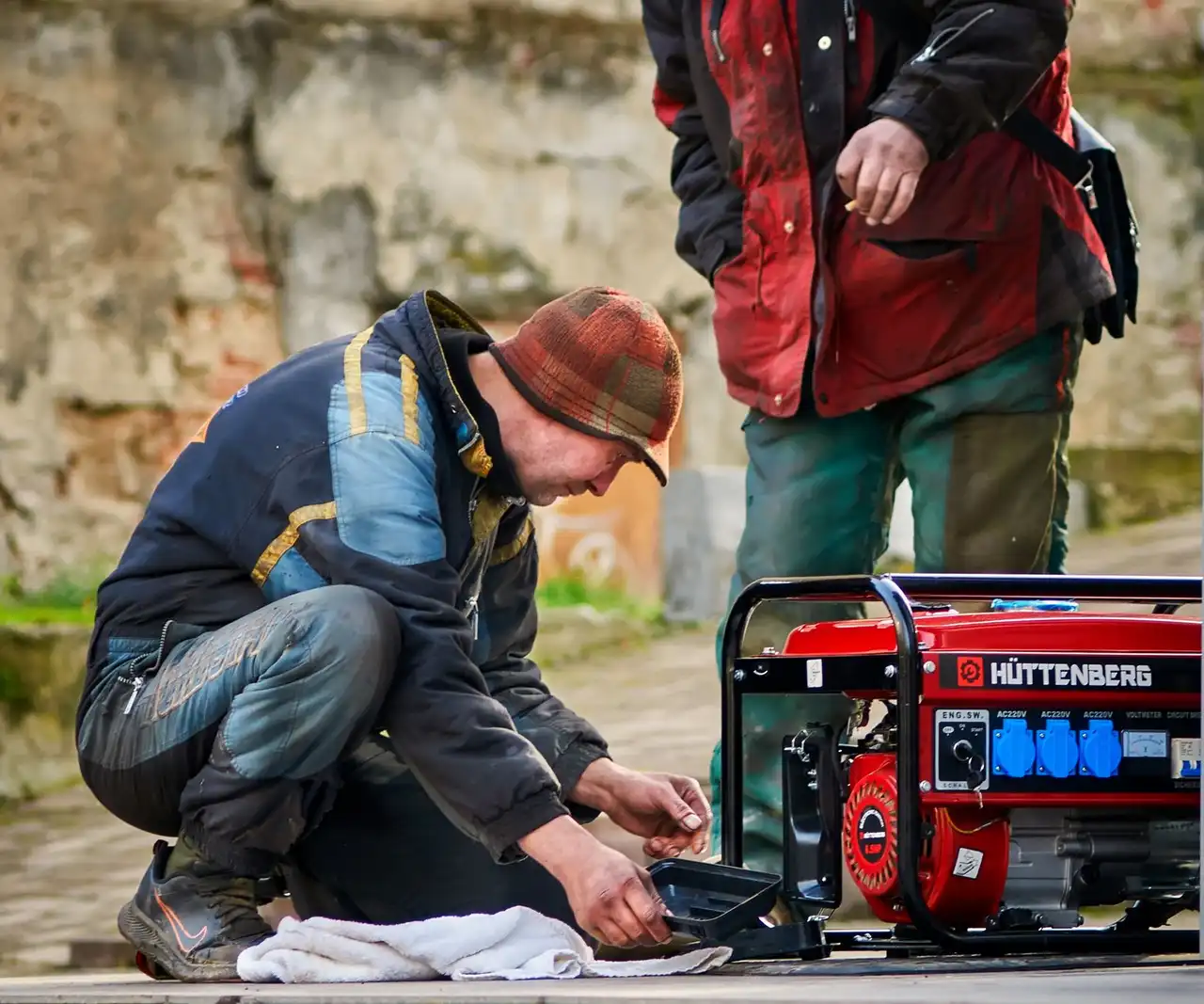
A commercial kitchen in University City had a dishwasher line fail overnight, flooding the prep area before staff arrived.
We worked before opening hours, extracted the water, and dried the tile and drywall with commercial dehumidifiers. We documented the loss for the owner's commercial policy.
Outcome: The kitchen was dry in three days and back in service without missing a single day of business.
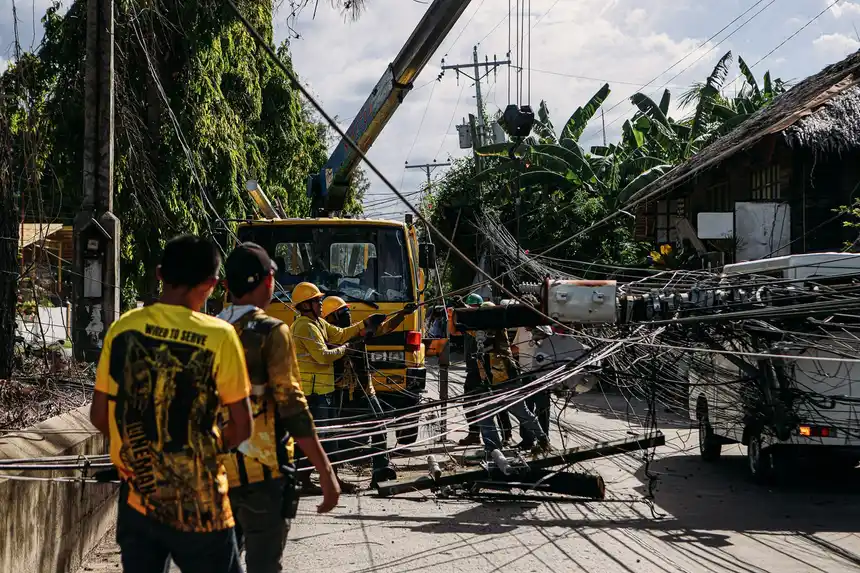
Philadelphia water damage is shaped by the city's building stock and weather. Most of the housing is rowhomes built before 1950, which means old cast-iron drains, galvanized supply lines, and stone foundations that wick groundwater. Winter freezes split pipes in unheated basements and crawl spaces from Roxborough to Bridesburg.
Summer storms overwhelm sump pumps in the Northeast and drive roof leaks in Germantown and Mount Airy. Center City high-rises deal with appliance leaks and HVAC condensate overflow that damage multiple units at once. If you need affordable water damage repair in Philadelphia, call 215-281-3000 and we will tell you what the job actually requires.
Before: A supply line split behind the kitchen wall overnight. Water ran into the basement and soaked the subfloor, drywall, and a section of hardwood. The homeowner found two inches of standing water at 6 a.m.
After: We extracted the water in three hours, dried the structure in four days, and repaired the drywall and hardwood. Moisture readings confirmed the framing was dry before we closed the walls.
We recommended insulating the pipe run and keeping the basement above 55 degrees in winter. The homeowner also added a water alarm near the supply line.
Before: Heavy rain overwhelmed the municipal line and sewage backed up into a finished basement. Carpet, drywall, and furniture were contaminated. The odor was strong enough that the family could not use the space.
After: We removed the contaminated materials, treated every surface with antimicrobial solution, and dried the basement in five days. Ozone treatment cleared the odor, and we repaired the drywall and flooring in three weeks.
We checked the backwater valve and recommended a yearly inspection before storm season. The homeowner also added a battery backup to the sump pump.
Before: A clogged condensate line on the 12th floor sent water through the ceiling of the unit below. The ceiling drywall sagged, and the tenant reported a musty smell within two days.
After: We extracted the water, dried the ceiling cavity with air movers and dehumidifiers, and replaced the sagging drywall. Both units were dry in four days and repaired within two weeks.
We recommended a yearly condensate line flush before cooling season. Building management now schedules it for every unit on the line.
Water damage shows up in different ways depending on the building and the season. These are the problems we see most often in Philadelphia, and what happens when they are ignored.
Fast extraction and documented drying keep the repair bill down.
Most emergency water damage restoration Philadelphia PA calls get a technician on site within 60 to 90 minutes. That speed matters because every hour of standing water raises the odds of mold growth and structural water damage.
We document the loss with photos, moisture readings, and an Xactimate estimate your adjuster can read. Most homeowners insurance policies cover sudden water damage repair in Philadelphia, so we bill the carrier directly and walk you through the claim. You are not fronting the whole job out of pocket.
Our crew holds IICRC WRT and IICRC ASD credentials, so the drying plan follows the S500 standard rather than guesswork. We use Dri-Eaz and Phoenix Restoration equipment, log daily moisture readings, and do not pull the dehumidifiers until the numbers say the structure is dry.
Extraction and drying are only half the job. We also handle drywall water damage repair, baseboard replacement, hardwood floor drying and restoration, and odor removal. One crew, one invoice, no waiting on a second contractor to finish what the first one started.
What a written scope covers and what shapes it. Prices are set by the business after the first look.
Included
Depends on
Clear records you can keep and share.
Daily moisture readings recorded
Before, during, and after photos
What is included and what is not
Dry standard confirmed before equipment removal
The category of water determines how much material has to be removed and how we treat the space.
Clean water from a supply line
Gray water with some contamination
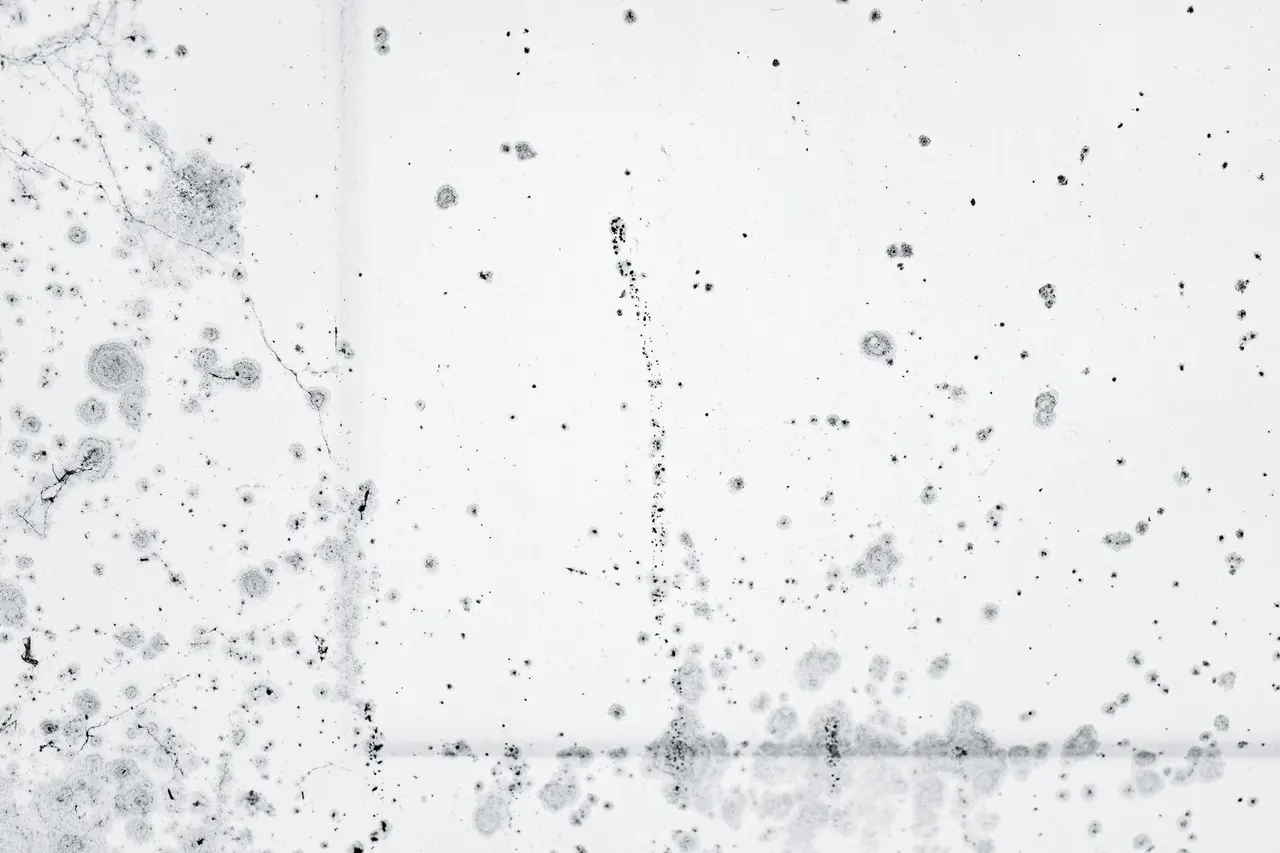
Black water from sewage or flooding
A list like this tells people straight away whether you cover their street. Not listed? Call and ask: it only takes a minute.
Based in Philadelphia and covering the places around it. Pick one for local details.
Square footage, water category, and how long the water sat are the biggest cost drivers. We give you a written scope before work starts, and we bill your insurance carrier directly when the loss is covered.
Water Damage Restoration Philly handles water damage repair in Philadelphia, Pennsylvania, including extraction, structural drying, and the rebuild. We are based in Philadelphia County and serve every neighborhood from Center City to Torresdale. Call 215-281-3000 and we will schedule an assessment.
Most Philadelphia homeowners policies cover sudden and accidental water damage, like a burst pipe, appliance leak, or storm-driven roof leak. They typically exclude gradual leaks and long-term neglect. We document the loss with photos, moisture readings, and an Xactimate estimate your adjuster can process. We bill the carrier directly and explain what your policy is likely to cover before we start.
Extraction takes two to four hours on a typical residential job. Structural drying runs three to five days with daily moisture checks. Repairs after drying add another three to ten days depending on scope. A small bathroom leak might be fully finished in a week. A flooded basement with drywall and flooring replacement can take two to three weeks. We give you a timeline after the initial assessment.
Other services from the same team.
Water is still spreading while you read this. Call 215-281-3000 and we will dispatch a technician to your Philadelphia address today. We handle extraction, drying, repairs, and insurance documentation. One call, one crew, start to finish.
Call 215-281-3000 any time, day or night. We answer live, ask what happened, and dispatch a crew. If you prefer email, send photos and your address to info@waterdamagerestorationphilly.com and we'll respond within the hour. Most Philadelphia calls get a technician on-site within 60 to 90 minutes.