For Homes
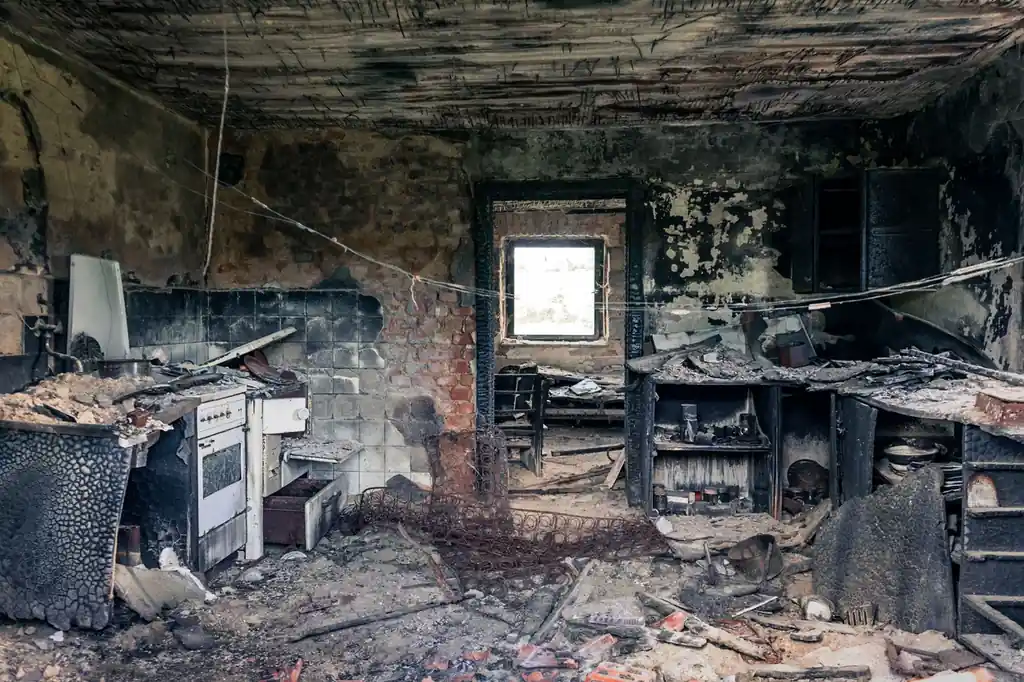
Sewage backups in Philadelphia homes usually start at a basement floor drain. We pump the water, remove what is contaminated, and dry the structure.
- Basement floor drain backup
- Sump pump failure flooding
- Laundry sink overflow
When a sewer line backs up into your basement, the clock is running. Our sewage backup cleanup Philadelphia PA crews extract contaminated water, remove soaked materials, and sanitize the space so it is safe to use again. Call 215-281-3000 and we will tell you exactly what happens next.
 Moisture mappingContainment setupDaily drying logs
Every sewage backup is different, but the core scope is consistent. Here is what we handle on a standard residential or commercial job in Philadelphia. If your situation needs something beyond this, we will tell you before we start.
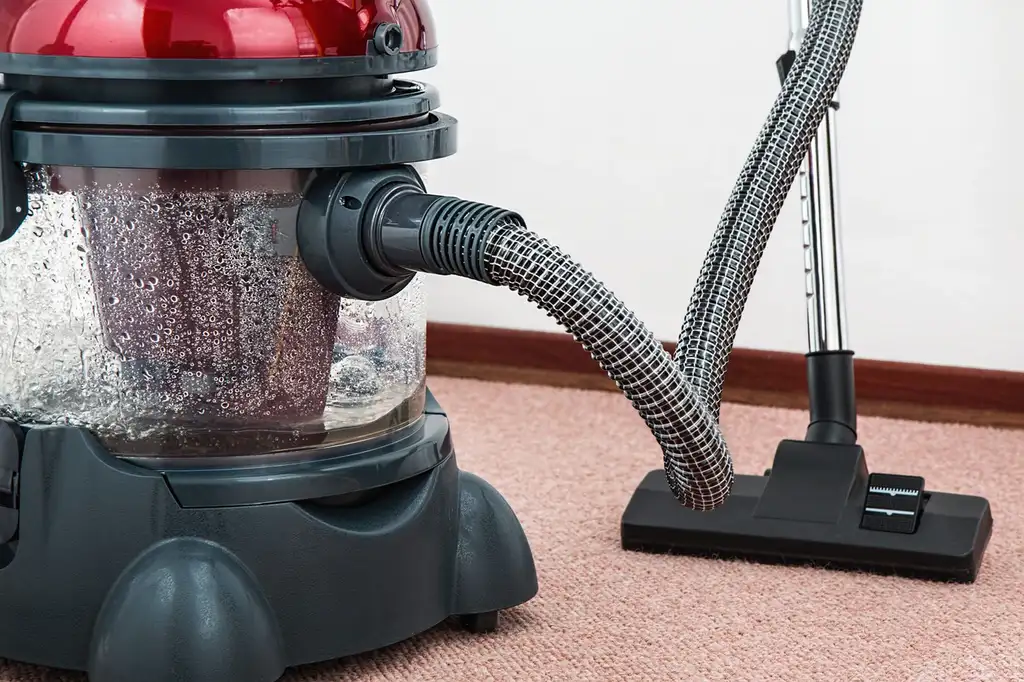
We pump standing sewage with a water extraction unit and wet/dry vacuum, working from the farthest corner back toward the drain. A typical Philadelphia basement takes two to four hours to pump down, depending on how much water is standing.
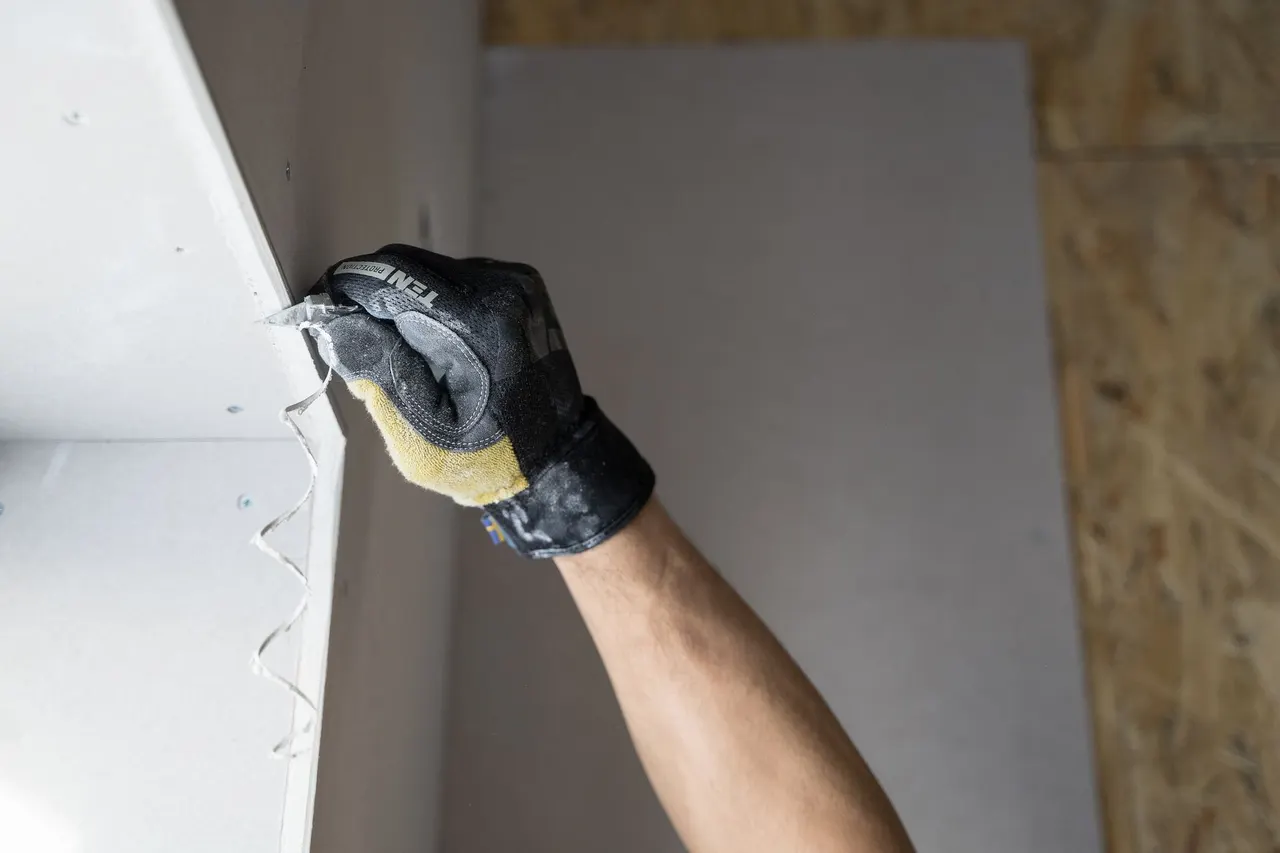
Sewage-soaked carpet padding, insulation, baseboard, and drywall come out. We cut drywall 12 to 24 inches above the water line and bag everything for disposal. This step is what stops the smell from coming back.
After removal, we treat framing, subfloor, and concrete with an antimicrobial solution. This kills bacteria and viruses left behind by the sewage and gives the space a clean baseline before drying begins.
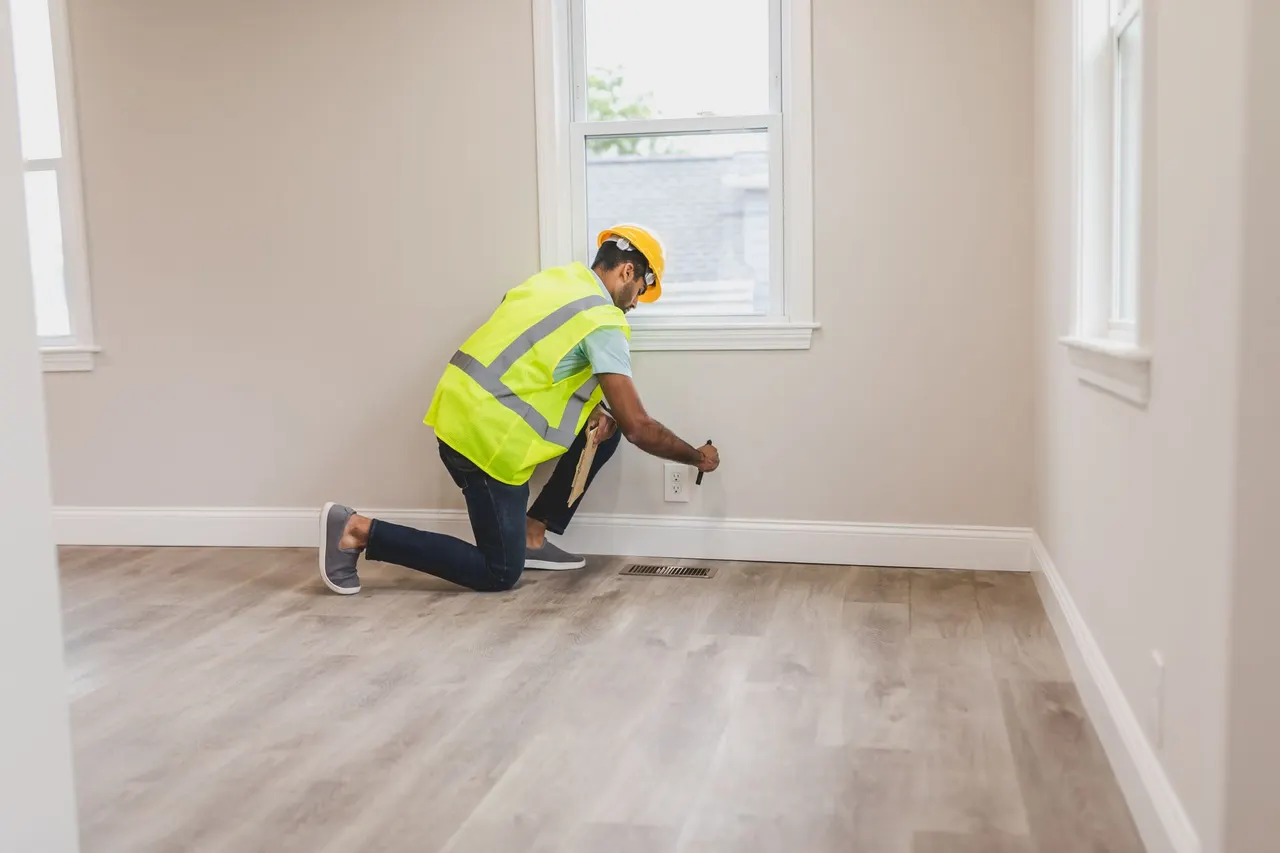
We set commercial dehumidifiers and air movers and check readings daily with a moisture meter and thermal imaging camera. Most basements reach dry standard in three to five days. We do not pull equipment until the numbers say it is done.
Sewage odor lingers in porous materials and cavities. We use HEPA vacuums and ozone generators where appropriate to eliminate the source. If the HVAC system was affected, we clean and sanitize the ducts before you run the system again.
Photos, moisture readings, drying logs, and an Xactimate-compatible scope go to your carrier. We bill insurance directly and can answer adjuster questions. That documentation is often what gets a claim approved without a fight.
The approach is the same for a home and a business. What changes is the access, the schedule and who needs the paperwork.
Sewage backups in Philadelphia homes usually start at a basement floor drain. We pump the water, remove what is contaminated, and dry the structure.
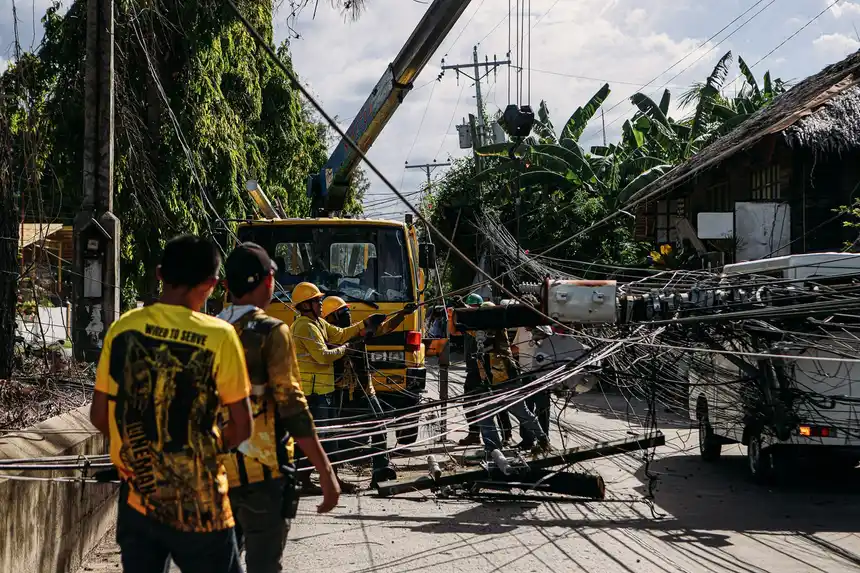
A backup in a commercial space means lost revenue and inspection risk. We work around your hours and document the loss for your carrier.
A plain-language look at what Sewage Backup Cleanup involves and when it is needed.
See how it worksSewage backup cleanup Philadelphia PA is a Category 3 water remediation service that removes raw sewage, contaminated standing water, and soaked building materials from a home or business, then disinfects and dries the affected area. It is not a mop-and-bucket job. Sewage carries bacteria, viruses, and parasites, so anything porous it touches, including carpet padding, drywall, and insulation, usually has to come out. We pump the standing water, bag the contaminated debris, treat the framing and subfloor with an antimicrobial solution, and run commercial dehumidifiers until the moisture meter reads dry.
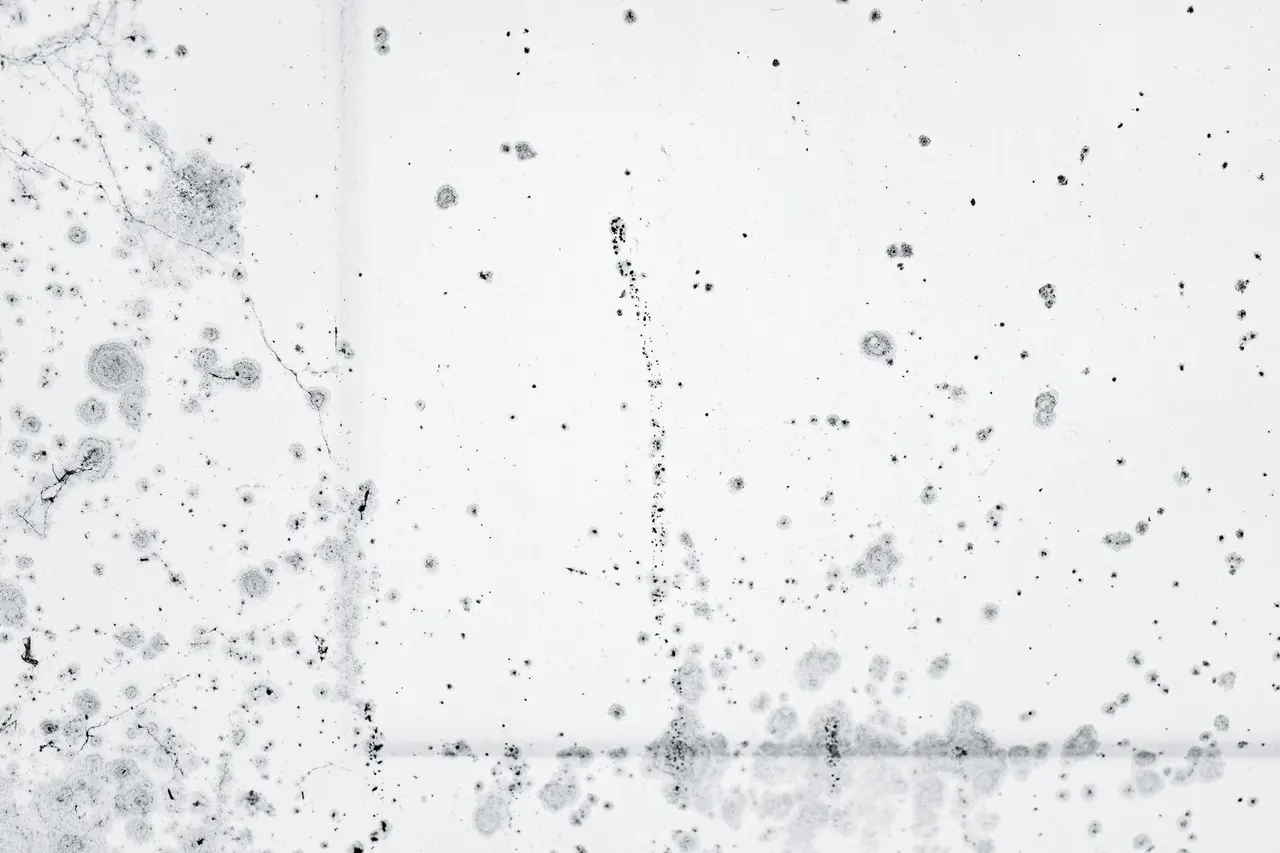
Philadelphia's older housing stock makes this a common call. Cast iron drain lines in Center City rowhouses and Fishtown twins corrode from the inside, and a heavy rain can push the combined sewer system past capacity, sending water up through floor drains and basement toilets. We see it most after summer downpours and during winter thaws. If you are searching for sewage backup cleanup near me Philadelphia and your basement smells like a sewer, do not wait. Every hour of standing sewage wicks higher into drywall and baseboard, and mold growth can start within 24 to 48 hours.
Sewage cleanup is removal, treatment, and documented drying, not just pumping water.
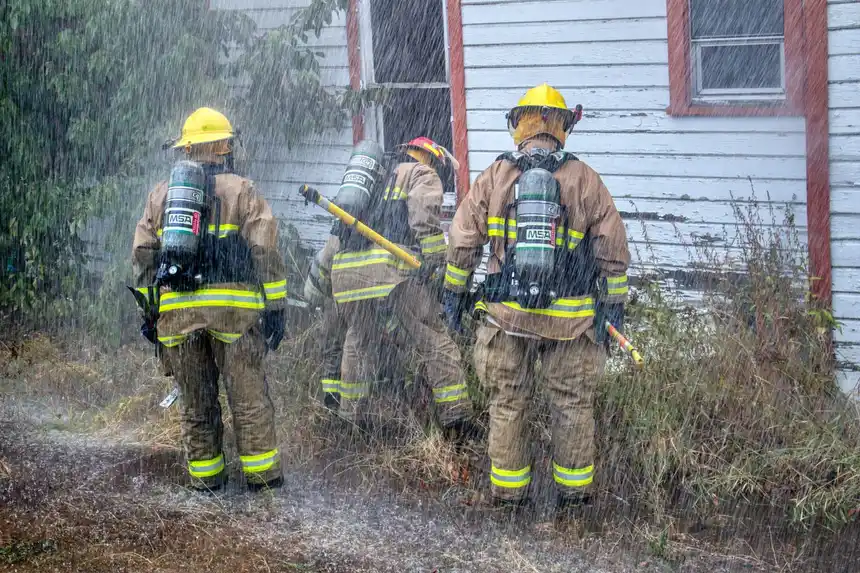
From the first call to the final moisture reading, here is what you can expect when we handle a sewage backup in Philadelphia. No mystery, no runaround.
You call 215-281-3000 and describe what is happening. We ask where the water is coming from, how deep it is, and whether the source is still flowing. If the main is still backing up, we tell you to stop using water and call a plumber. We schedule a crew and give you a realistic arrival window, usually two to four hours for emergency sewage backup cleanup Philadelphia PA calls.
On arrival, we walk the space with you, then seal off the affected area with plastic sheeting so contamination does not spread to clean rooms. We pump standing sewage with a water extraction unit and wet/dry vacuum, working from the farthest corner back toward the drain. A typical basement takes two to four hours to pump down.
Sewage-soaked carpet padding, insulation, baseboard, and drywall come out. We cut drywall 12 to 24 inches above the water line so we can see how far the wicking traveled. Everything goes into sealed bags and off the property. This is the step most homeowners underestimate, and skipping it is why basements smell for months.
We treat framing, subfloor, and concrete with an antimicrobial solution, then set commercial dehumidifiers and air movers. We check moisture with a hygrometer and thermal imaging camera daily. Most jobs reach dry standard in three to five days. If a cavity is suspect, we scope it with a boroscope before we close anything up.
Before we pull equipment, we take final moisture readings and compare them to the dry standard for the material. We walk you through what was removed, what was treated, and what to watch for. You get the drying log and photo documentation for your insurance claim. If a sump pump failed, we can talk through replacement options before the next storm.
Move across a circle, or focus it and press Enter, for an illustrative thermal view of the photograph.
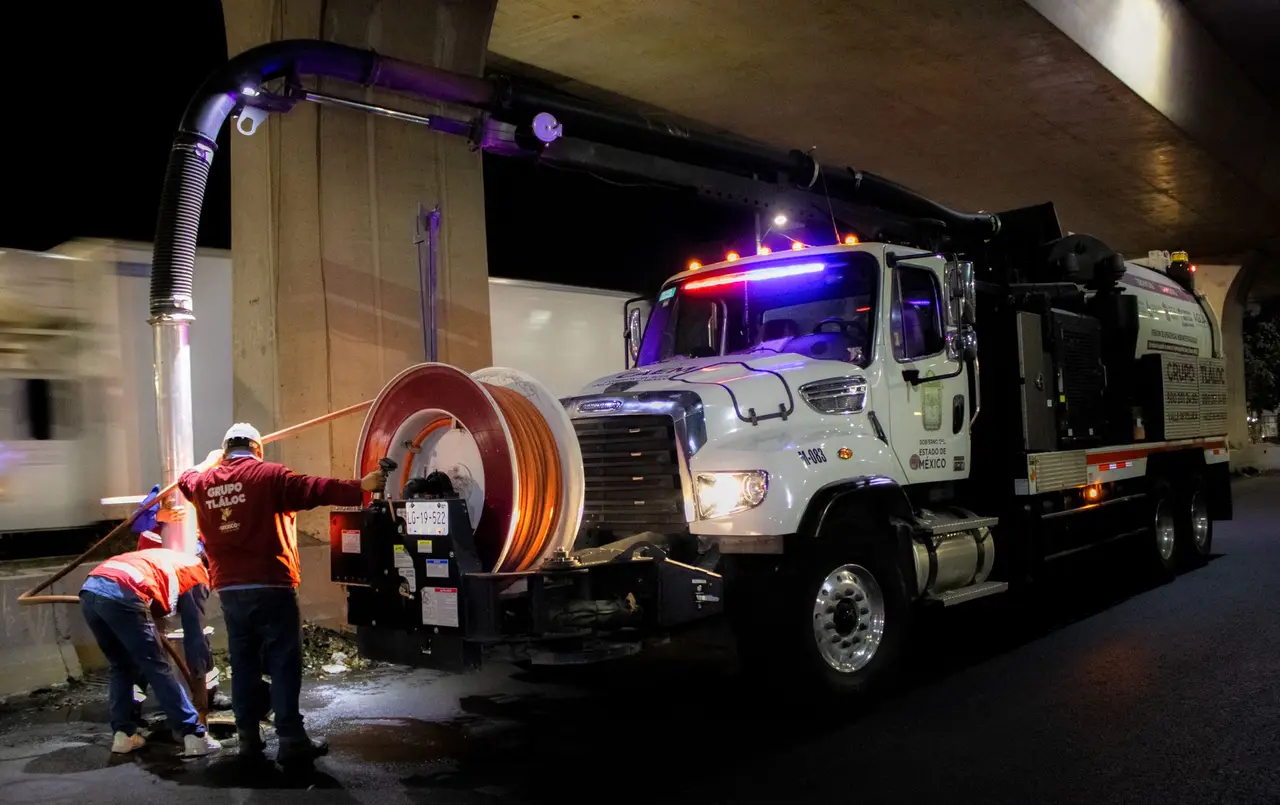
Truck-mounted and portable units that pull standing sewage out of basements and crawl spaces fast, often moving hundreds of gallons in a single visit.
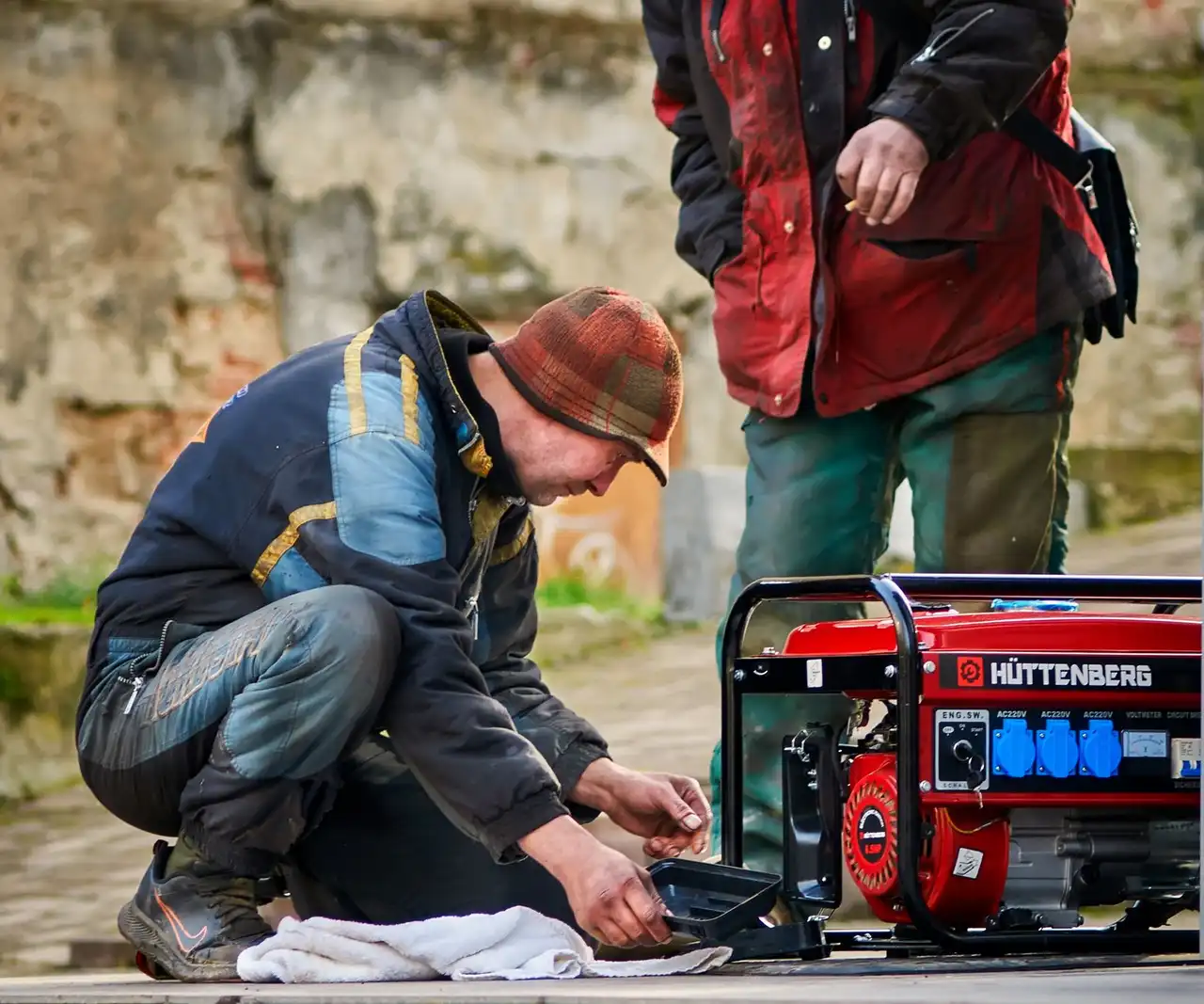
Dri-Eaz and Phoenix Restoration units that pull moisture out of the air inside the containment zone, speeding up structural drying.
High-velocity fans that circulate air across floors and walls to evaporate moisture from framing, subfloor, and drywall.
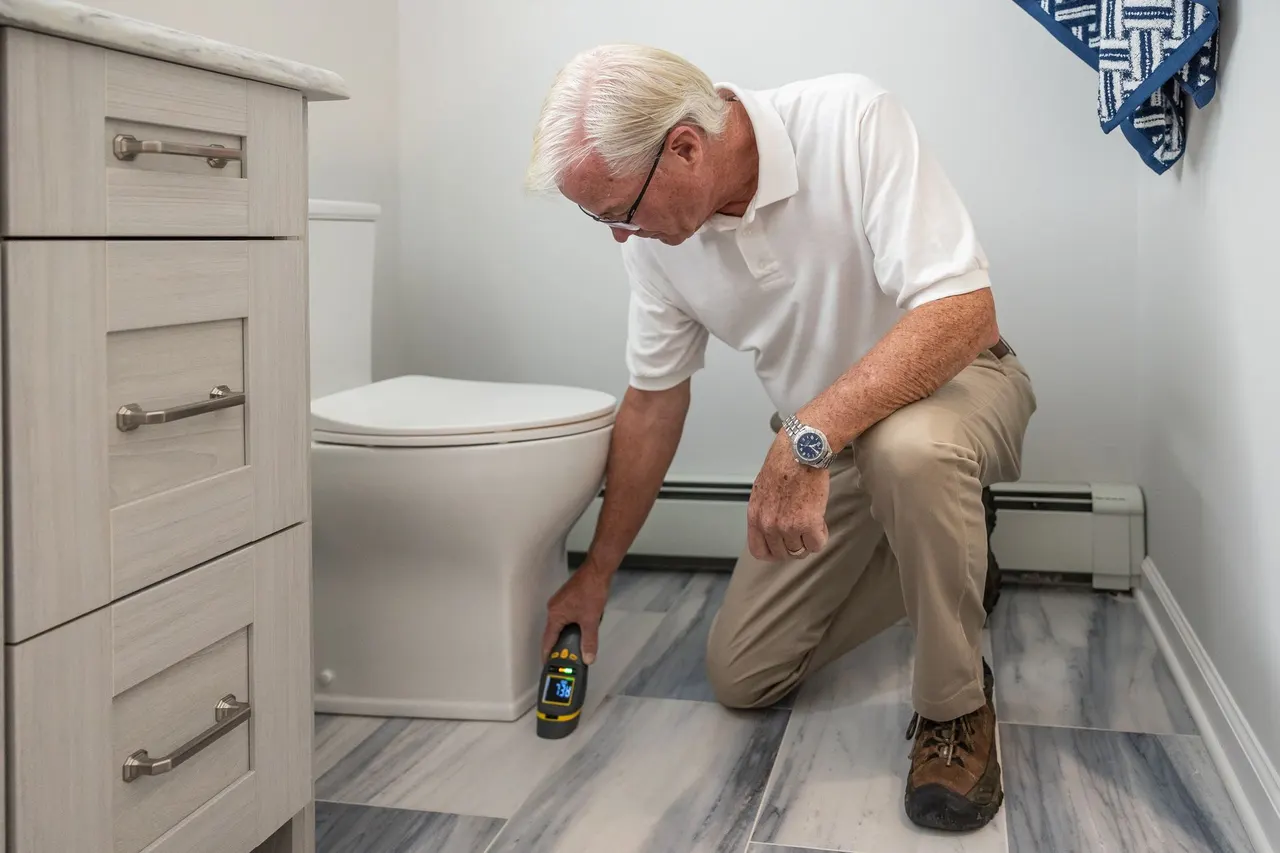
Handheld tools that measure moisture content in materials and relative humidity in the air, so we know when drying is complete.
Reveals hidden moisture behind walls and under floors without cutting into them, so we find the full extent of the contamination.
Thermal views are illustrative, generated from the photographs.
A camera on a flexible probe that lets us inspect inside wall cavities and under floors before we close anything up.
Used together to eliminate sewage odor at the source and capture fine particles that can carry bacteria.
The industry standard for water damage restoration, including Category 3 contaminated water. It defines how we classify the loss, how far we remove materials, and what drying goals we have to hit before the job is complete.
The standard for mold remediation. If mold growth is present or suspected after a sewage backup, we follow S520 protocols for containment, removal, and verification.
We apply an antimicrobial solution to framing, subfloor, and concrete after contaminated materials are removed. This kills bacteria and viruses left behind and gives the space a clean baseline before drying.
We build the scope in Xactimate, the software most insurance carriers use. That means your adjuster sees a line-item scope they recognize, which speeds up the claim and reduces back-and-forth.
A rowhouse in Fishtown has a floor drain backing up during a summer downpour, sending sewage across the basement floor.
We extract the standing water, remove saturated carpet padding and drywall, treat the concrete and framing with an antimicrobial solution, and set up drying equipment. We check moisture daily until the readings hit dry standard.
Outcome: The basement is dry, sanitized, and safe to use again in three to five days. You get the drying log and photos for your insurance claim.
A restaurant in South Philadelphia has a sewer backup in the kitchen overnight, contaminating the floor and lower cabinets.
We work after hours to pump the water, remove contaminated materials, and sanitize the space. We document everything for the health inspector and your insurance carrier, and we coordinate with your staff on reopening.
Outcome: The kitchen passes inspection and reopens within two to three days. The documentation supports your business interruption claim.
A twin home in Northeast Philadelphia has a sump pump failure during a storm, flooding a finished basement with sewage-contaminated water.
We pump the water, cut out soaked drywall 12 to 24 inches above the water line, remove carpet and padding, treat the structure, and dry with commercial dehumidifiers and air movers.
Outcome: The basement is dry in four to five days. We talk through sump pump replacement options so the next storm does not cause the same damage.
A property manager in University City discovers a sewage backup in a 12-unit building's basement laundry room on a Saturday morning.
We respond the same day, contain the area, extract the water, remove contaminated materials, and set up drying equipment. We document the loss and bill the carrier directly.
Outcome: The laundry room is back in service within a week, and the building's insurance claim is supported with a full Xactimate-compatible scope.
A homeowner in Center City notices a sewer smell in the basement weeks after a minor backup that was mopped up but never properly treated.
We inspect with a boroscope and thermal imaging camera, find contaminated material behind the baseboard, remove it, treat the area, and run an ozone generator to eliminate the odor.
Outcome: The smell is gone, and the basement passes a moisture check. We provide documentation of the work for your records.
Philadelphia's housing stock is old, and that shapes every sewage backup we handle. Many rowhouses in Center City, Fishtown, and Queen Village still have cast iron drain lines that corrode from the inside and root-intrude. When they fail, sewage comes up through the lowest drain, usually a basement floor drain or a laundry sink. The city's combined sewer system adds another layer.
During heavy summer rain or a winter thaw, stormwater and sewage share the same pipes, and when they surcharge, water pushes into basements across Philadelphia County. We see a spike in calls from June through September and again during January and February thaws. Finished basements in the Northeast and South Philadelphia often have carpet, drywall, and insulation that have to come out.
Crawl spaces in older neighborhoods hold moisture and odor long after the water is gone.
Before: A summer storm pushed sewage up through a floor drain, leaving three inches of contaminated water across a 600-square-foot basement. Carpet padding, baseboard, and the bottom 18 inches of drywall were soaked. The homeowner called at 6 a.m. after discovering the smell.
After: We pumped the water in three hours, removed 40 feet of baseboard and 120 square feet of drywall, treated the framing and concrete, and dried the space in four days. Final moisture readings matched dry standard for concrete and wood framing.
We recommended a backwater valve on the main drain and a battery backup sump pump. Both reduce the chance of a repeat backup during the next heavy storm.
Before: A Friday night sewer backup flooded a restaurant kitchen with an inch of contaminated water. The floor drain was still backing up when we arrived. Lower cabinets, a rubber mat, and the bottom of a drywall wall were affected.
After: We stopped the source with the plumber, pumped the water, removed the contaminated drywall and mat, sanitized the floor and cabinets, and dried the kitchen in three days. The health inspector signed off on Monday morning.
We suggested a scheduled drain cleaning every six months and a floor drain trap primer to keep the seal from drying out between uses.
Before: A sump pump failed during a storm and a finished basement took on two inches of sewage-contaminated water. Carpet, padding, and the bottom two feet of drywall in a 500-square-foot space were saturated. The homeowner was worried about mold.
After: We extracted the water, removed 500 square feet of carpet and padding, cut out the soaked drywall, treated the framing, and dried the space in five days. Final readings showed no elevated moisture, and no mold growth was found.
We replaced the sump pump with a primary and battery backup system and set a reminder to test the float every quarter before storm season.
Sewage backups cause more than a wet floor. They create health hazards, structural damage, and odor that can linger for months if the cleanup is done wrong. Here are the problems we see most often and how we fix them.
A dry, sanitized space and documentation your insurance accepts.
We answer the phone at 2 a.m. when a floor drain backs up during a storm. Most Philadelphia addresses get a crew on site the same day, often within two to four hours. We arrive with a water extraction unit, wet/dry vacuum, and enough plastic sheeting to isolate the contaminated zone before we start pulling water.
Sewage is Category 3 water, which means it is grossly contaminated. We treat it that way. Crews wear proper protective gear, remove saturated carpet padding and drywall, and apply an antimicrobial solution to framing and subfloor. We do not dry contaminated materials in place and call it clean.
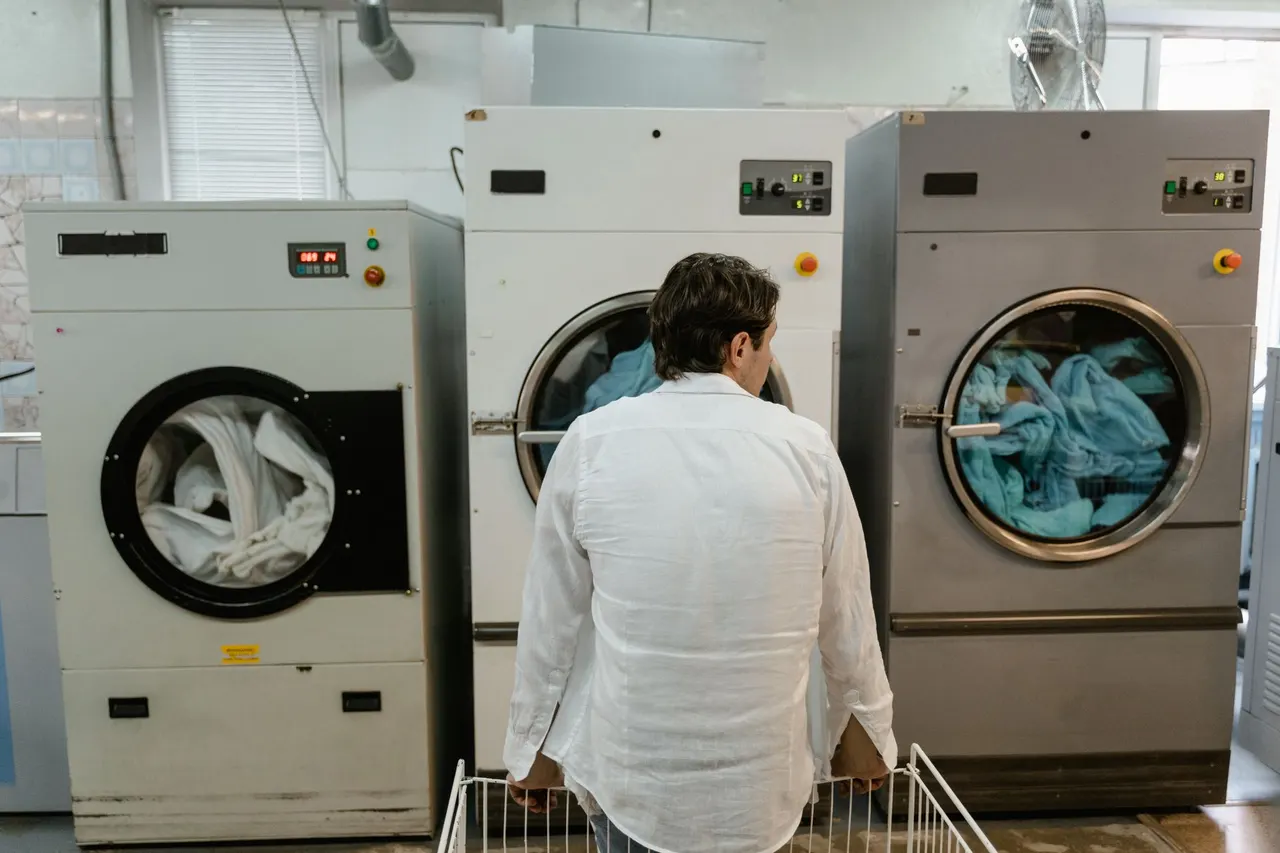
We place commercial dehumidifiers and air movers, then check readings with a moisture meter and thermal imaging camera every day. Drying logs show the before-and-after numbers, which matters when you file a claim. Most basements hit dry standard in three to five days.
We work in Philadelphia County every week and know what L&I wants to see on a finished job. We also document the loss with photos, moisture readings, and an Xactimate-compatible scope so your adjuster has what they need. That paperwork is often the difference between a covered claim and a fight.
What a written scope covers and what shapes it. Prices are set by the business after the first look.
Included
Depends on
Clear records you can keep and share.
Daily moisture readings, dated
Before, during, and after
Line-item work summary
Affected areas marked
Sewage is Category 3 water, the most contaminated classification. It requires removal and treatment, not drying in place.
Clean water from a sanitary source
Gray water with some contamination
Grossly contaminated sewage water
A list like this tells people straight away whether you cover their street. Not listed? Call and ask: it only takes a minute.
Based in Philadelphia and covering the places around it. Pick one for local details.
A small basement with a few inches of sewage might land near the low end. A finished basement with soaked carpet, drywall, and insulation pushes toward the high end. We give you a written scope before work starts so there are no surprises.
Water Damage Restoration Philly handles sewage backup cleanup in Philadelphia, Pennsylvania, including emergency calls. We cover Center City, Fishtown, the Northeast, South Philadelphia, and everywhere in between. Call 215-281-3000 and we will schedule a crew, usually the same day.
Most homeowners policies cover sudden sewage backup if you have the endorsement, which is often called sewer backup coverage. Standard policies may exclude it, so check your declarations page. We document the loss with photos, moisture readings, and an Xactimate-compatible scope and bill your carrier directly. If the claim is denied, we can still complete the work and provide the documentation you need to appeal.
Extraction and removal usually take one day. Drying takes three to five days for a typical Philadelphia basement, with daily moisture checks. If the backup reached finished drywall or hardwood flooring, expect four to seven days before we can confirm dry standard. We do not pull equipment until the moisture meter and thermal imaging camera readings match the dry standard for the material.
Other services from the same team.
Standing sewage gets worse by the hour. Our crews are ready to extract, sanitize, and dry your Philadelphia property before mold takes hold. One call, and we handle the rest. Call 215-281-3000 and we will dispatch a crew today.
Call 215-281-3000 any time, day or night. We answer live, ask what happened, and dispatch a crew. If you prefer email, send photos and your address to info@waterdamagerestorationphilly.com and we'll respond within the hour. Most Philadelphia calls get a technician on-site within 60 to 90 minutes.