For Homes
We handle storm water in basements, ceilings, and wall cavities for homeowners and tenants. You get a clear scope and daily updates while the structure dries.
- Basement takes on water
- Ceiling stain after storm
- Sump pump stops working
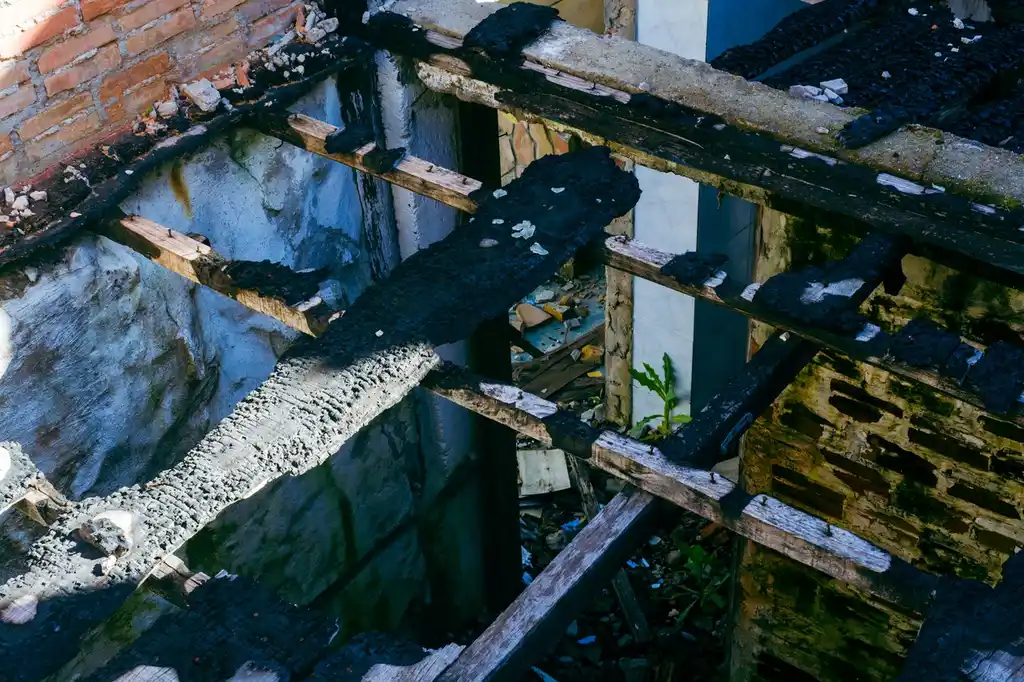
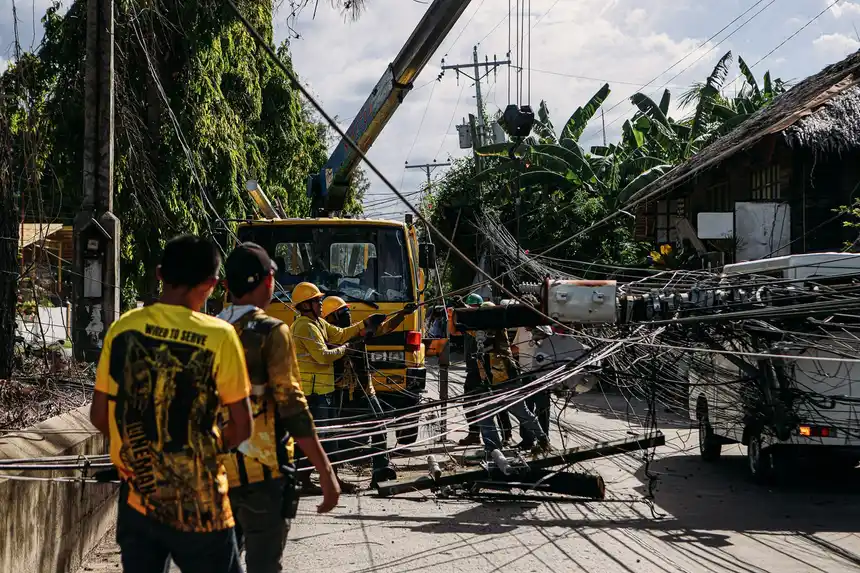
When a nor'easter tears shingles off your roof or a summer squall pushes water through your basement wall, storm damage restoration Philadelphia PA crews need to be on site fast. We handle storm damage repair in Philadelphia for rowhomes, twins, and commercial buildings across Philadelphia County. One call starts the drying, the tarping, and the paperwork your insurance adjuster will ask for.
 Moisture mappedTarp and dryDaily readings
Every storm job is different, but the core scope is the same: stop the water, dry the structure, document the loss, and repair the damage. Here is what is included on a standard storm damage restoration in Philadelphia, Pennsylvania job, and what we add only when the property needs it.
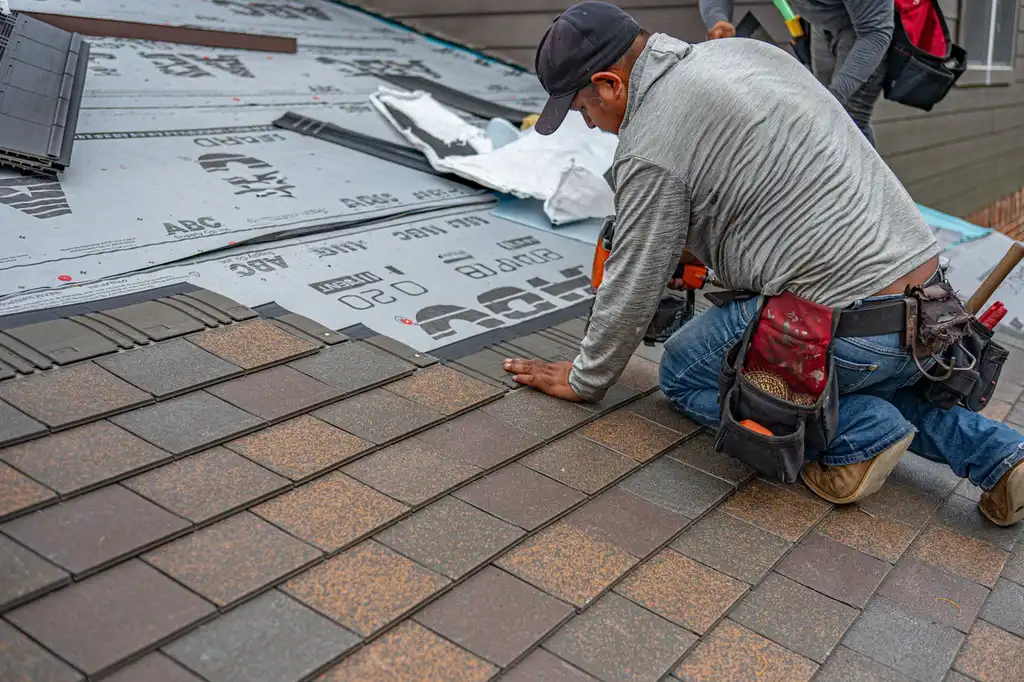
We cover roof damage with tarps and board broken windows the same day, so the next rain does not add to the loss.
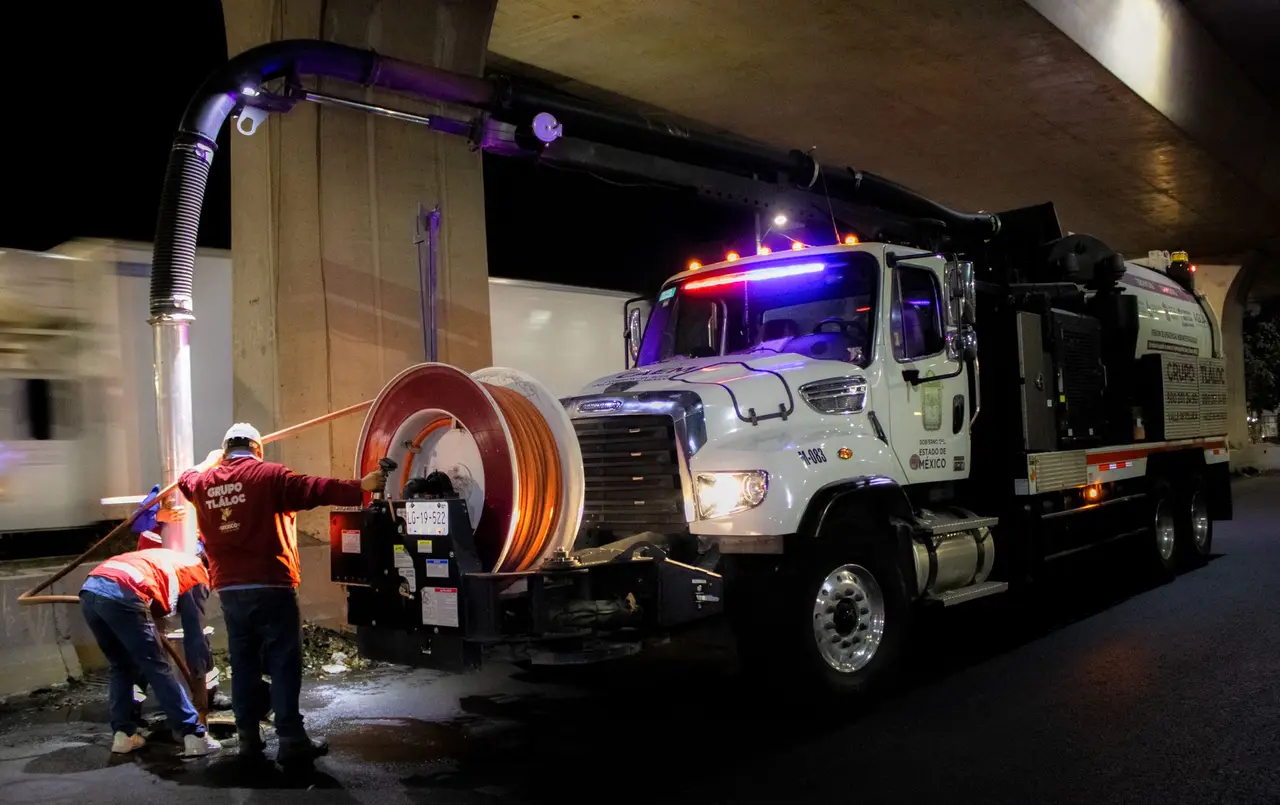
Truck-mounted extraction and wet/dry vacuums pull standing water out of basements, crawl spaces, and carpet. We remove it fast because every hour of standing water pushes the drying schedule out another day.
We log moisture meter, hygrometer, and thermal imaging readings every day and photograph them. You get the full record at the end, which is exactly what your adjuster needs to approve the claim.
Commercial dehumidifiers and air movers are placed by the IICRC S500 standard and adjusted as the readings change. We do not pull equipment until the structure reads dry.
Any storm water that entered from outside or through a sewer gets treated with antimicrobial solution. We treat framing, subfloor, and block walls before we close anything back up.
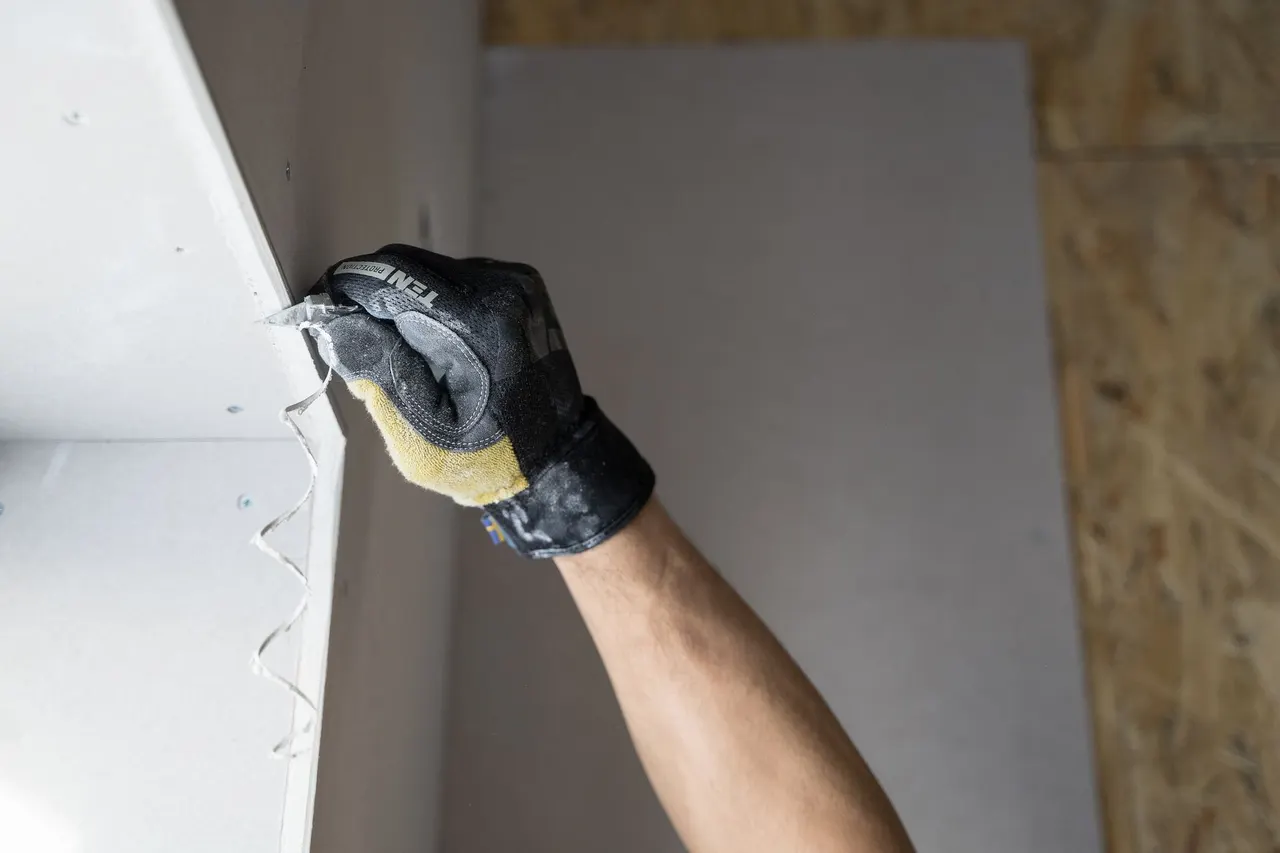
Drywall, insulation, baseboard, hardwood flooring, and ceiling repairs are handled by our own crew. You get one scope and one schedule instead of three contractors and a lot of phone calls.
The approach is the same for a home and a business. What changes is the access, the schedule and who needs the paperwork.
We handle storm water in basements, ceilings, and wall cavities for homeowners and tenants. You get a clear scope and daily updates while the structure dries.
We respond to storm losses in storefronts, offices, and multi-unit buildings. Work is scheduled around your hours so you can stay open while we dry.
A plain-language look at what Storm Damage Restoration involves and when it is needed.
See how it worksStorm damage restoration Philadelphia PA is the process of stabilizing a building after wind, hail, or heavy rain, then drying and repairing everything the weather touched. It starts with emergency board-up or tarp-over, moves into water extraction and structural drying, and ends with the drywall, flooring, and roofing repairs that put your property back the way it was. We document moisture readings before and after so you can prove the loss and the fix.
Philadelphia storms hit old housing stock hard. A 1910 rowhome in Fishtown has original brick, plaster, and knob-and-tube wiring that reacts differently than a new build in Northern Liberties. Wind-driven rain finds every failed flashing detail, and a clogged roof drain can dump 40 gallons a minute into a ceiling. That is why storm damage repair in Philadelphia has to start with a real assessment, not a shop vac and a fan.
Storm damage gets worse with every hour the water sits.
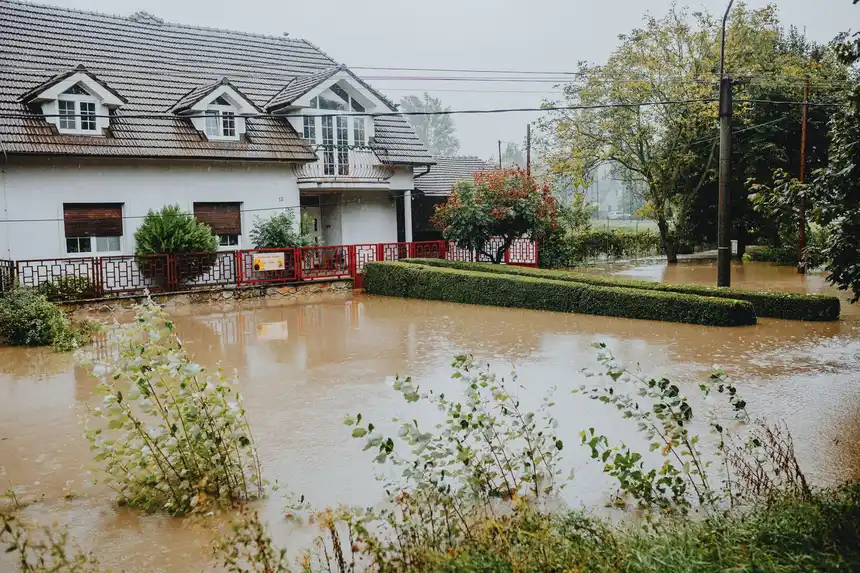
You will know what is happening at every stage. Here is the five-step process we run on storm damage restoration in Philadelphia, Pennsylvania, from the first phone call to the final walkthrough.
We answer the phone, ask what hit and where the water is coming in, and give you two or three things to do right now, like shutting off the breaker to a wet ceiling or moving furniture off wet carpet. A crew is dispatched while we are still talking.
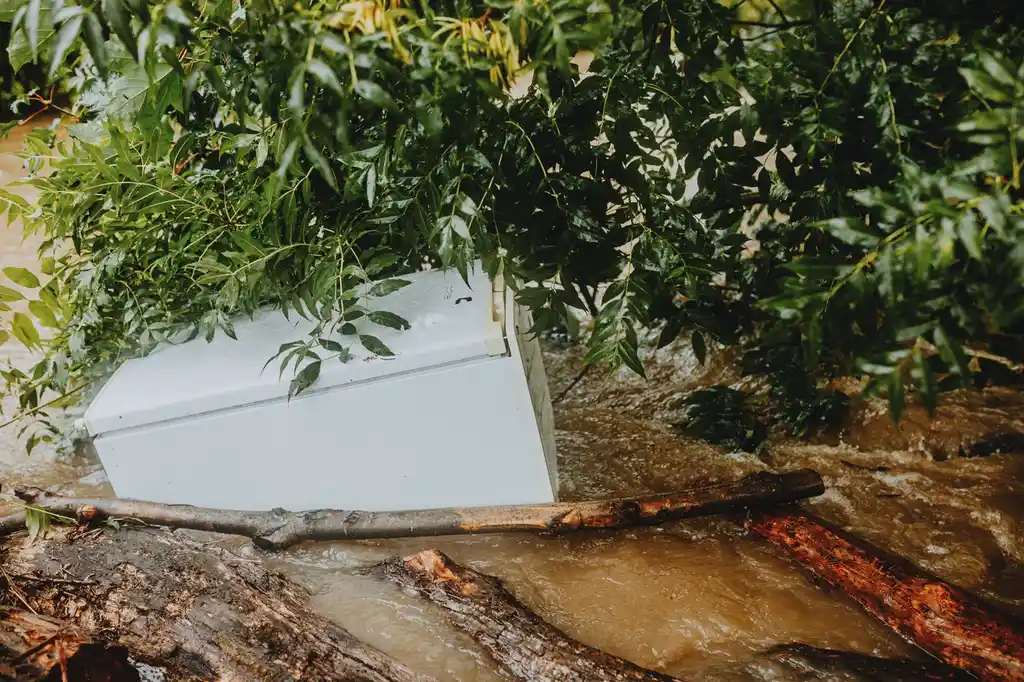
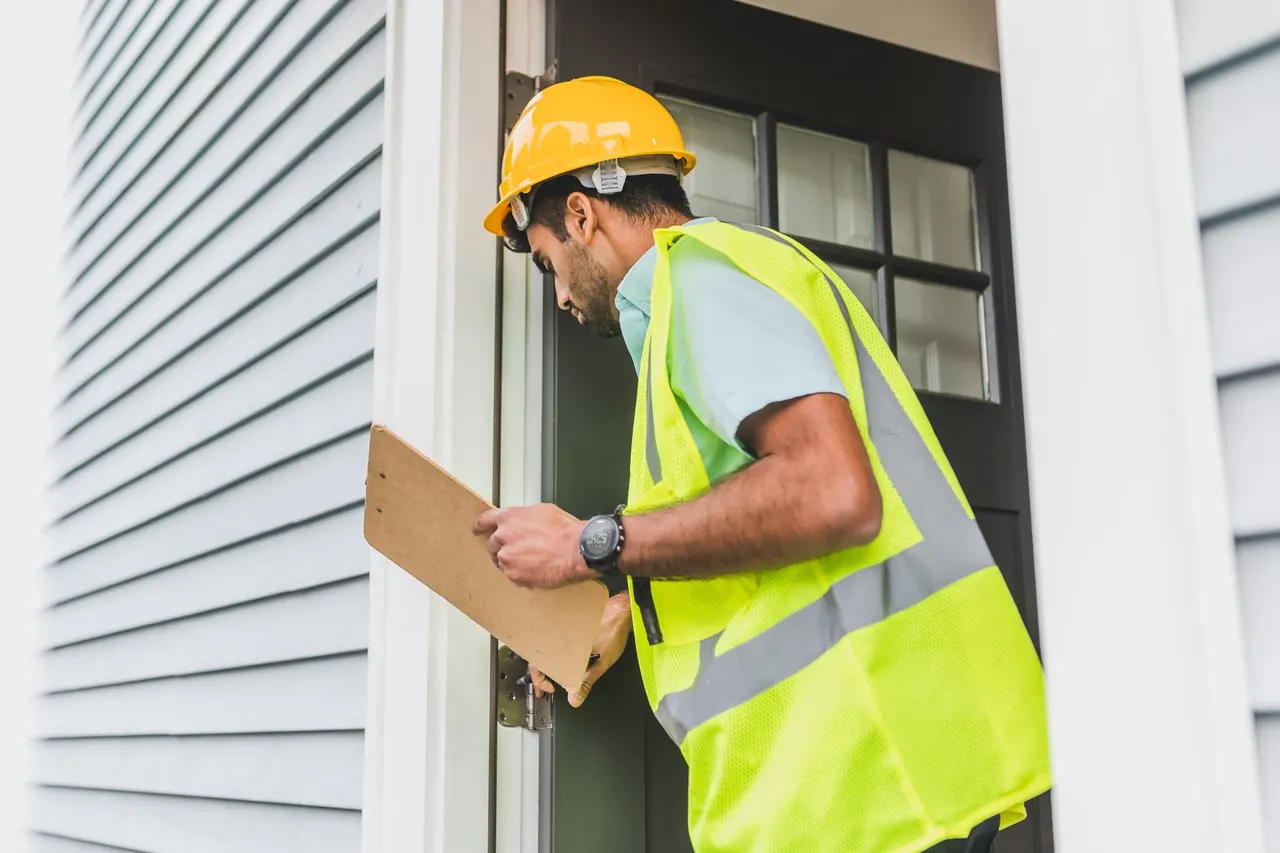
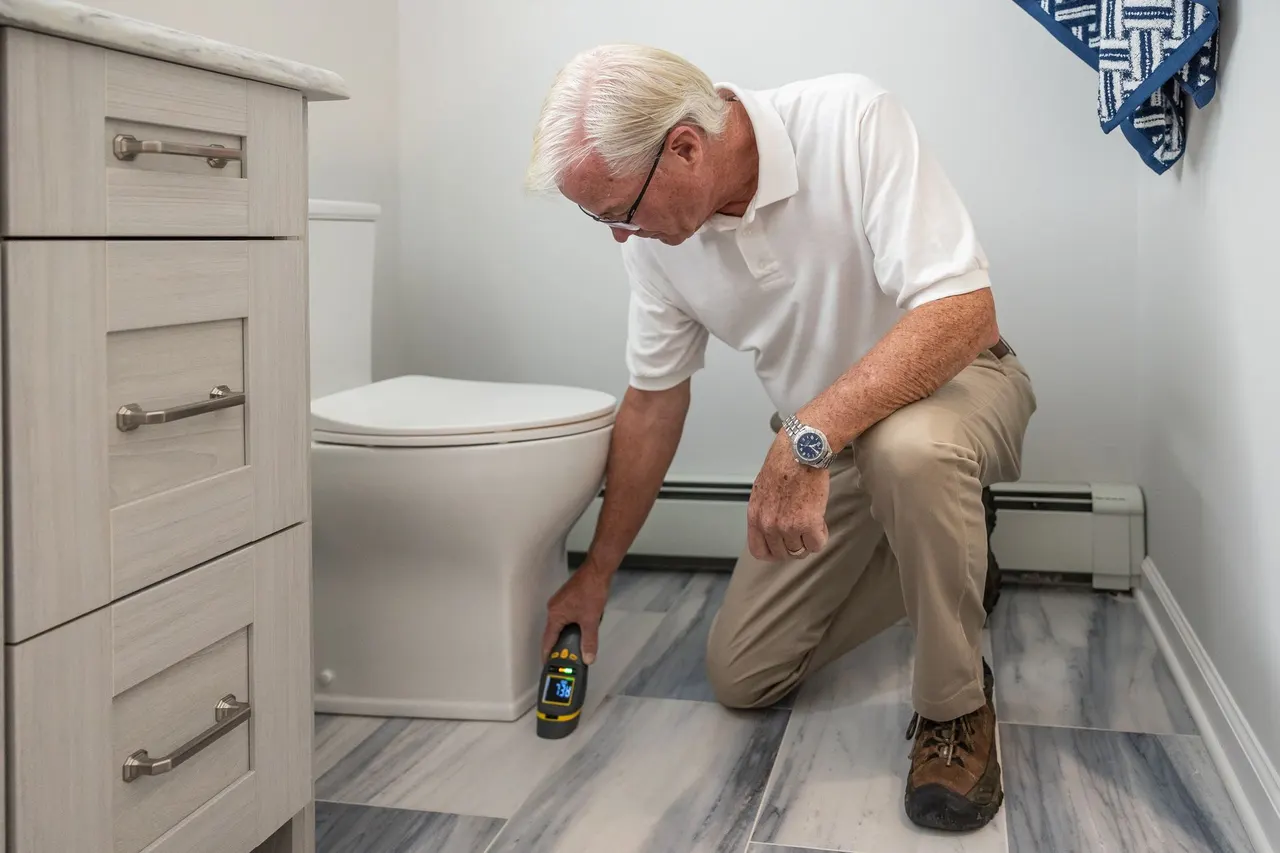
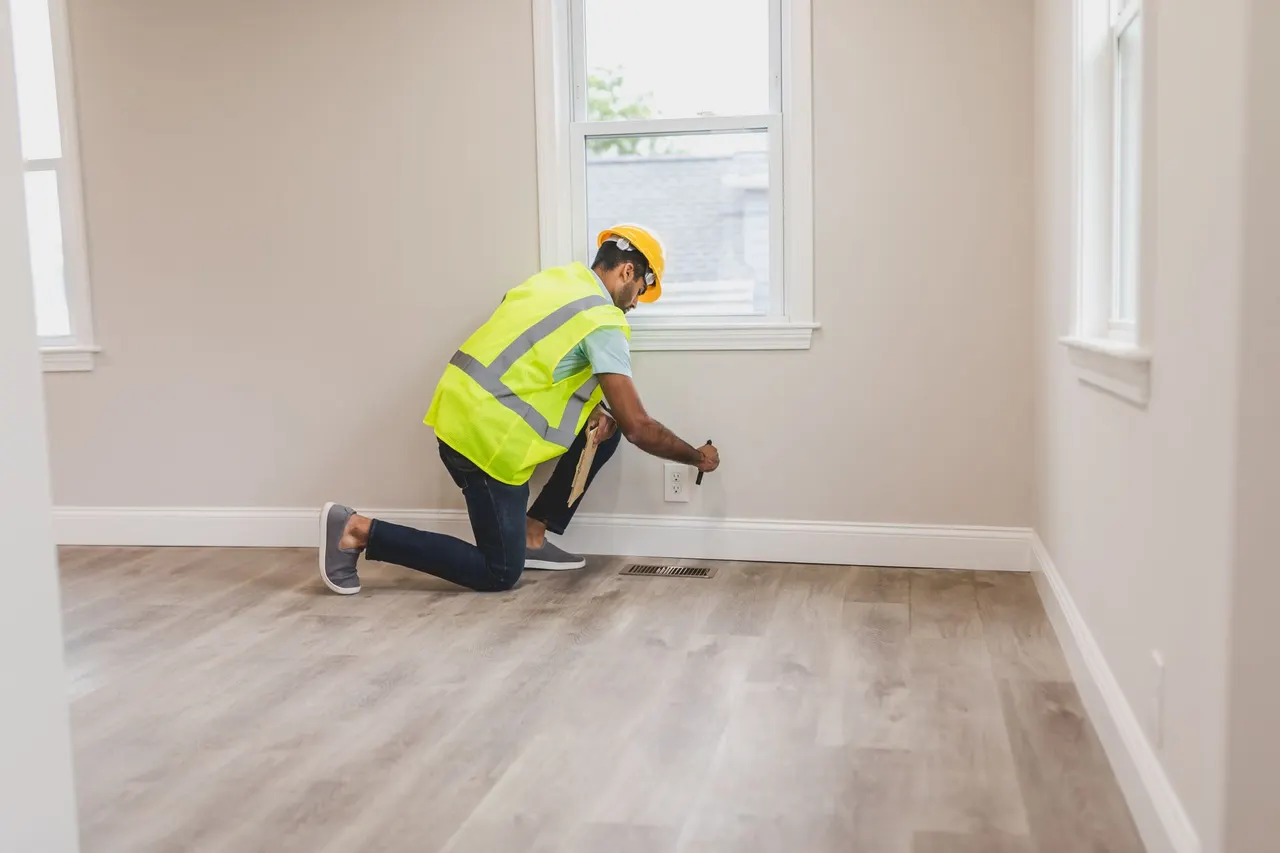
The technician walks the property with a moisture meter, thermal imaging camera, and hygrometer. We find the source, map the wet zone, and photograph everything. You get a plain-English explanation of what is wet, what is not, and what has to come out.
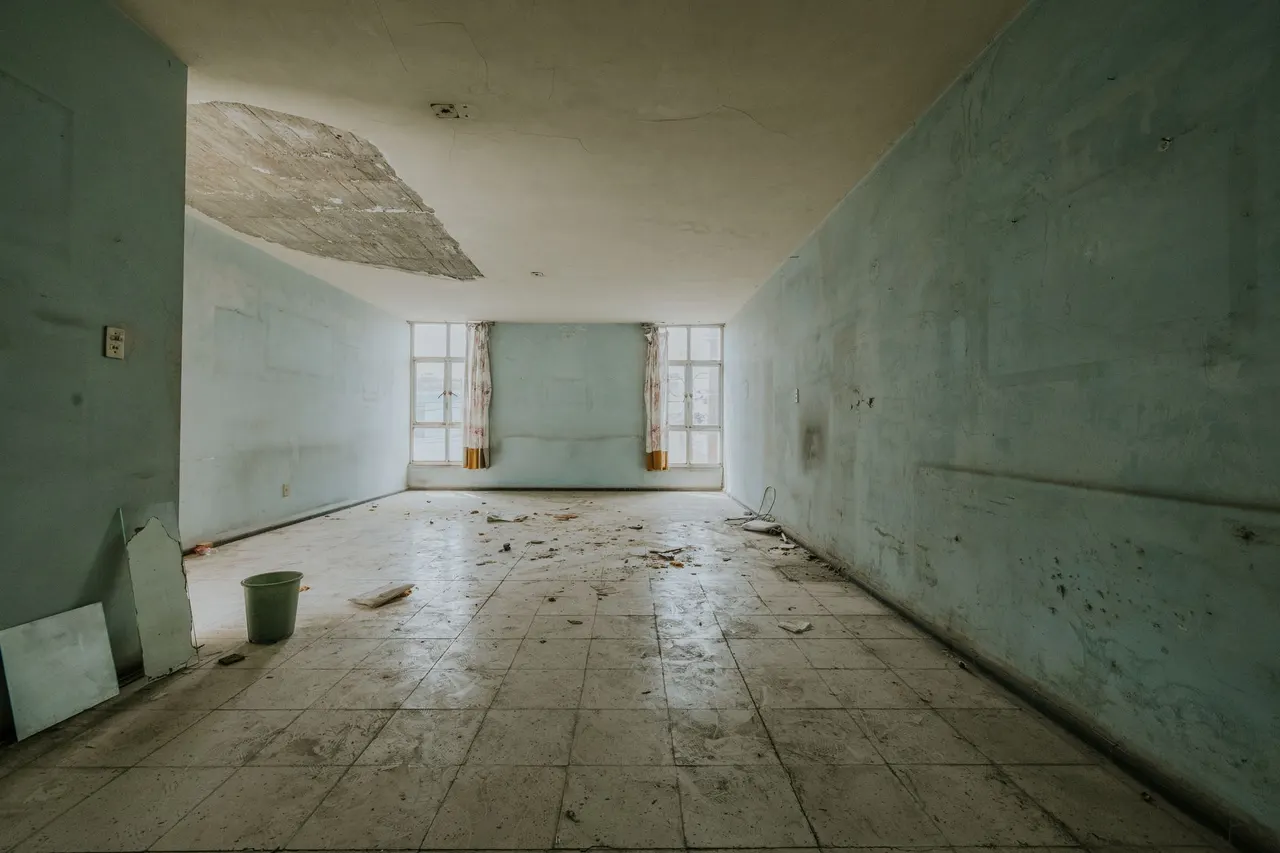
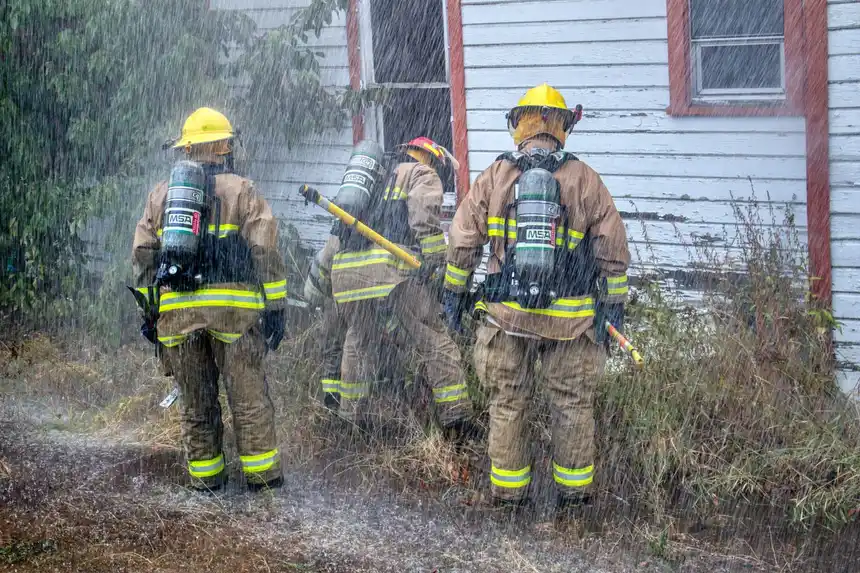
We tarp the roof, board broken windows, and extract standing water with a water extraction unit and wet/dry vacuum. Sewage backup gets treated with an antimicrobial solution before anything else. This step usually takes two to four hours.
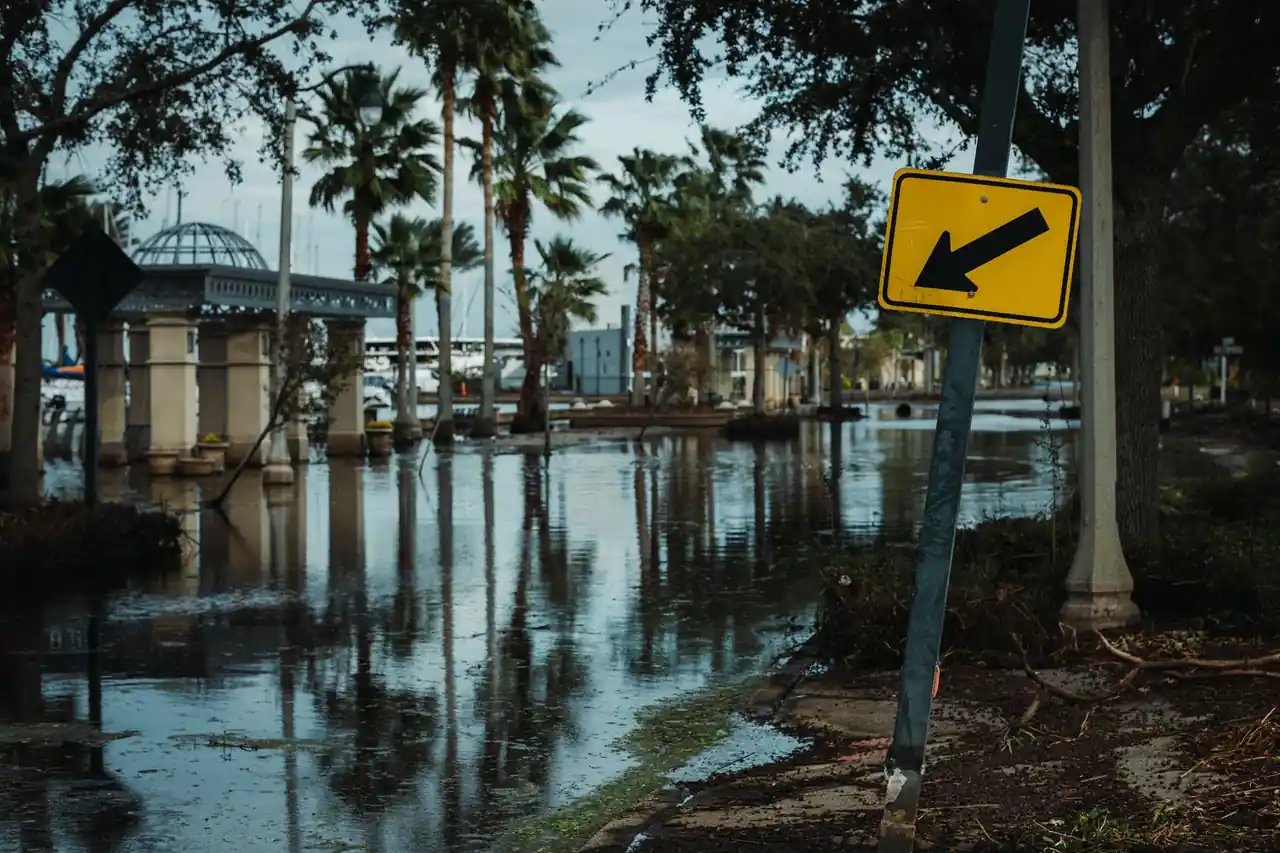
Commercial dehumidifiers, air movers, and a desiccant setup run until the structure is dry. We check readings every day and adjust equipment placement. Most residential jobs dry in three to five days; a flooded crawl space can run a week.
We replace drywall, insulation, baseboard, and any ruined flooring, then test everything. The final walk covers moisture readings, photos, and your closing paperwork. If something still reads wet, we do not close the job.
Move across a circle, or focus it and press Enter, for an illustrative thermal view of the photograph.

Finds hidden moisture behind walls and under floors without tearing anything open. We use it to map the wet zone on the first visit.

Measures moisture content in drywall, wood, and concrete, and tracks the humidity in the air. These numbers drive the drying schedule.
Pulls moisture out of the air so wet materials can release their water. We size the unit to the cubic footage of the affected space.
Moves air across wet surfaces to speed evaporation. Placement matters more than the number of units, so we adjust them daily.
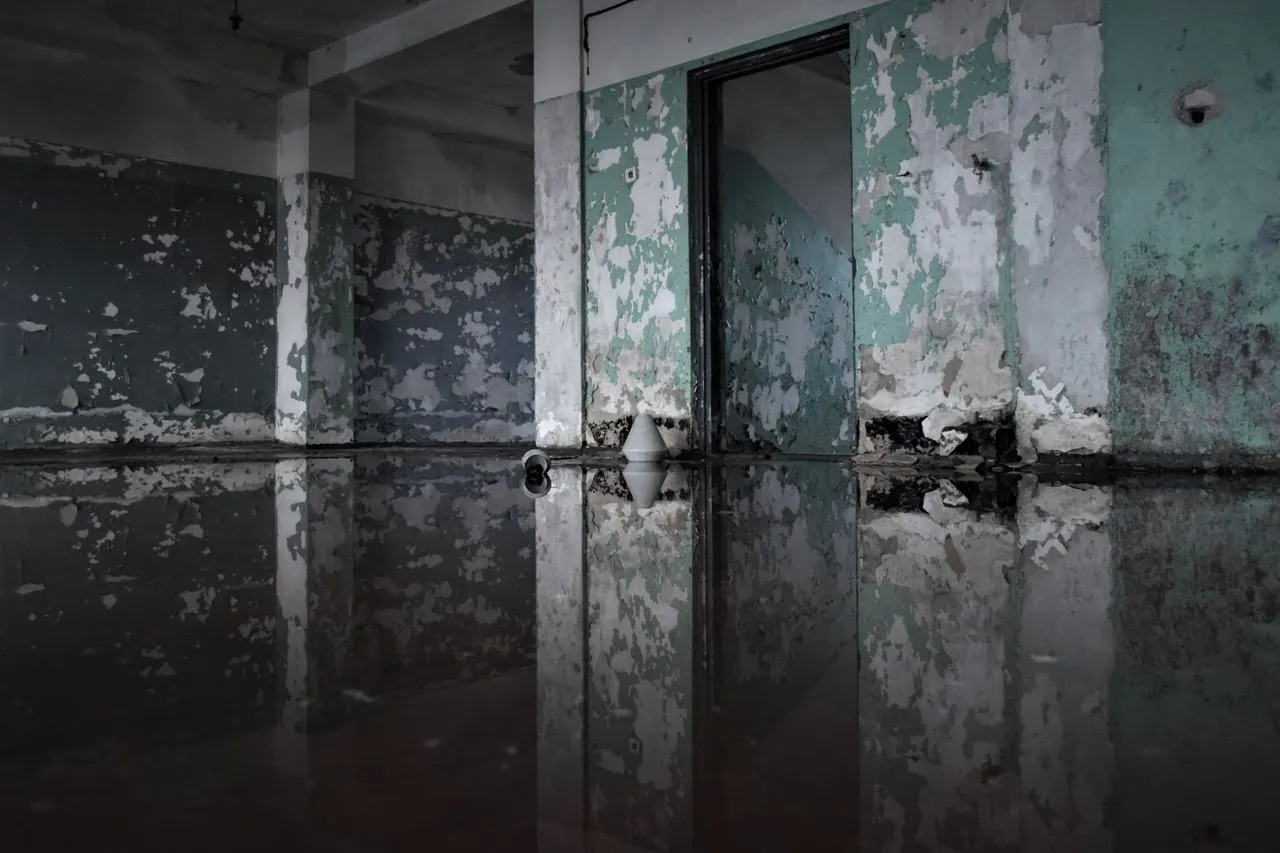
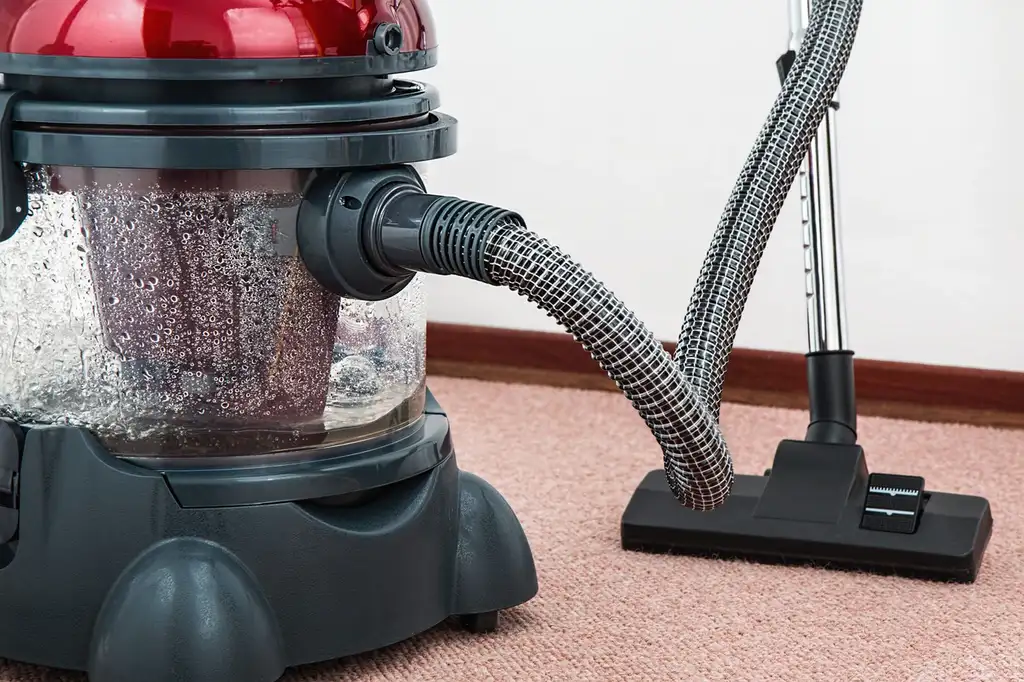
Removes standing water from carpet, concrete, and crawl spaces. Truck-mounted units pull far more water than a shop vac.
Thermal views are illustrative, generated from the photographs.
Clears odor and airborne particles after the structure is dry. We run them on the final pass before repairs start.
Lets us look inside wall cavities and behind baseboards without cutting a large hole. We use it to confirm the cavity is dry.
The industry standard for water damage restoration. We follow it for equipment placement, daily monitoring, and the drying goals we set for each material.
We write the loss in the same line-item format insurance adjusters use. That keeps the claim moving and reduces back-and-forth over what was damaged.
We classify the water as category 1, 2, or 3 before we start. Sewage backups and storm surge water get treated as contaminated, which changes what we remove and how we disinfect.
Every visit produces moisture readings, photos, and equipment notes. You get the full log at the end, and your adjuster gets a copy if you want.

A nor'easter rips shingles off a rowhome roof in Port Richmond and rain pours into a second-floor bedroom.
We tarp the roof the same night, extract water from the carpet and pad, dry the ceiling and wall cavities, and repair the drywall and trim once the structure reads dry.
Outcome: The bedroom is back in service in about a week, and the roof repair closes the entry point so the next storm does not repeat the loss.
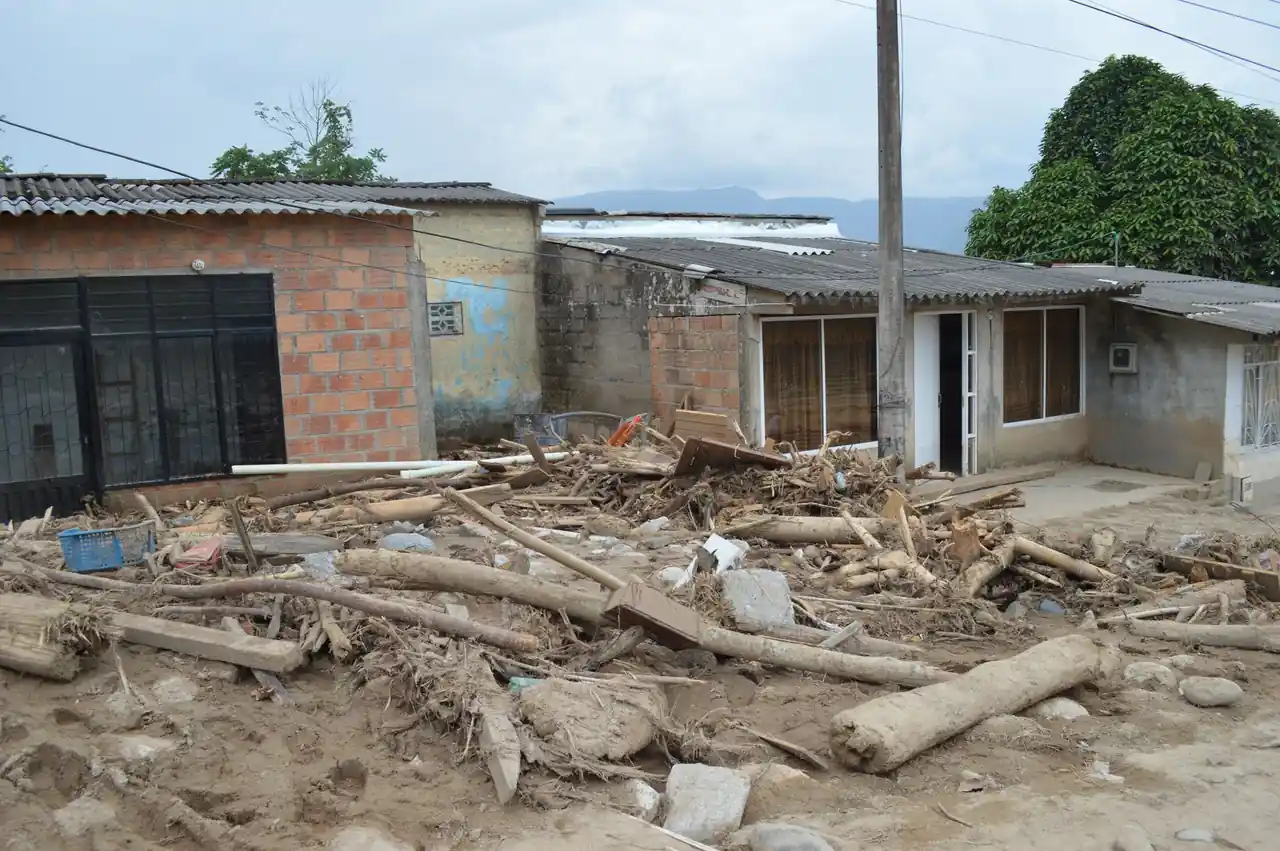
A summer thunderstorm dumps two inches of rain in an hour and a Center City storefront takes water through the front door.
We extract the standing water, set commercial dehumidifiers and air movers, and work after hours so the store can reopen the next morning with drying equipment still running.
Outcome: The store loses one day of business instead of a week, and the drying log supports the insurance claim.
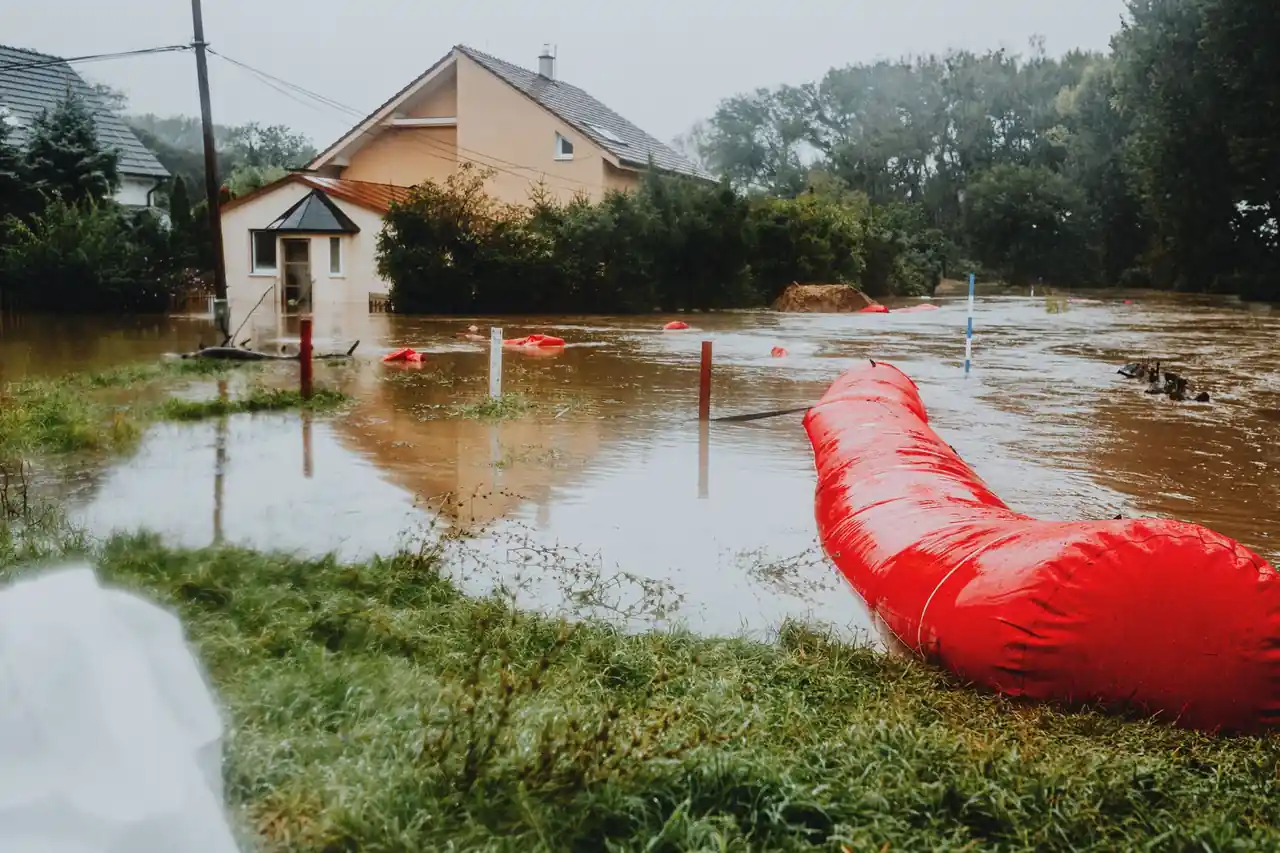
A homeowner in Mayfair wakes up to three inches of water in the basement after the sump pump fails during a storm.
We extract the water, pull the wet carpet and padding, dry the concrete and block walls, and treat the space with antimicrobial solution before replacing baseboard and flooring.
Outcome: The basement dries in four days, and the homeowner has photos and readings for the adjuster.
A property manager in University City finds storm water backing up through a floor drain in a garden-level unit.
We treat the water as contaminated, remove the affected drywall and flooring, disinfect, and dry the unit to IICRC standards while documenting every step.
Outcome: The unit passes a moisture check and is ready for a new tenant without a mold problem down the road.
A commercial building in Northeast Philadelphia takes hail damage to rooftop HVAC units and water enters the ceiling grid.
We cover the units, extract water from the ceiling tiles and insulation, dry the plenum, and coordinate the ceiling repair with the building's maintenance schedule.
Outcome: The building stays open, the ceiling is repaired, and the loss is documented for the commercial policy.
Philadelphia storms come in two flavors: fast summer thunderstorms that dump a lot of rain in an hour, and winter nor'easters that combine wind, snowmelt, and freezing temperatures. Both hit old housing stock hard. Most of the city's rowhomes were built before 1950, with brick walls, plaster, and original plumbing that reacts differently than modern construction.
A wet plaster wall holds moisture longer than drywall, and a brick foundation wicks water into a basement for days after the storm passes. We also deal with Philadelphia L&I permits when structural repairs are needed, and we follow EPA Lead-Safe practices on pre-1978 homes. If you are searching for emergency storm damage cleanup Philadelphia PA at 2 a.m., we answer and dispatch.
Our crews know which blocks in Manayunk flood first and which Northeast Philadelphia streets lose power and sump pumps together.
Before: A nor'easter lifted shingles and water ran down the inside of a second-floor wall. The ceiling showed a brown stain, and the moisture meter read 26 percent in the drywall and 31 percent in the insulation behind it. The homeowner had a bucket under the drip.
After: We tarped the roof that night, opened the ceiling, and dried the cavity for four days. Readings dropped under 12 percent, and we replaced the insulation, drywall, and trim. Total job ran six days from the first call.
Check the roof flashing every fall before storm season and keep the attic dry.
Before: A failed sump pump left three inches of water across a 600-square-foot finished basement. Carpet, padding, and the bottom two feet of drywall were soaked, and the humidity in the space was above 80 percent.
After: We extracted the water, removed the ruined carpet and pad, cut out the wet drywall, and ran dehumidifiers and air movers for five days. The block walls read dry, and we replaced the baseboard and flooring.
Test the sump pump every spring and install a battery backup.
Before: A summer storm pushed water through a street-level storefront during business hours. About an inch of water covered 1,200 square feet of tile and reached the bottom of the display fixtures and drywall.
After: We extracted the water within two hours, set commercial dehumidifiers and air movers, and worked after hours so the store could reopen the next morning. The floor and walls read dry in three days.
Keep door sweeps and flood barriers on hand during storm season, and check the floor drain before every heavy rain forecast.
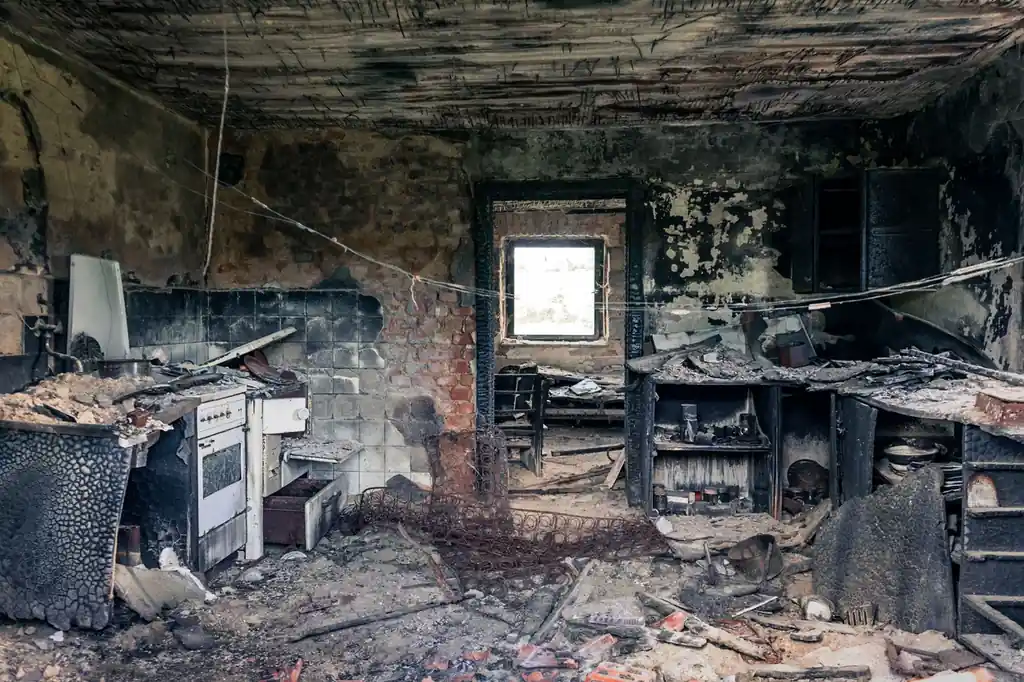
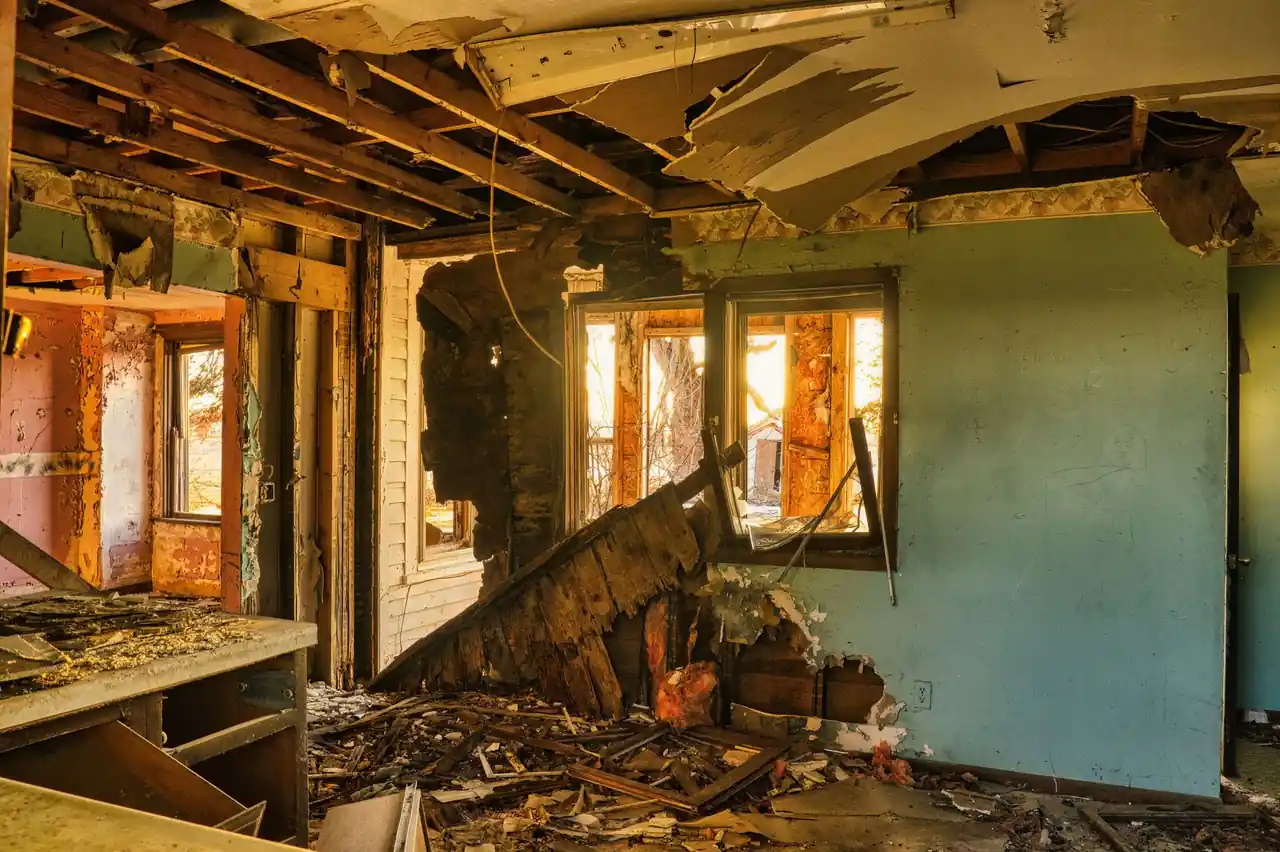
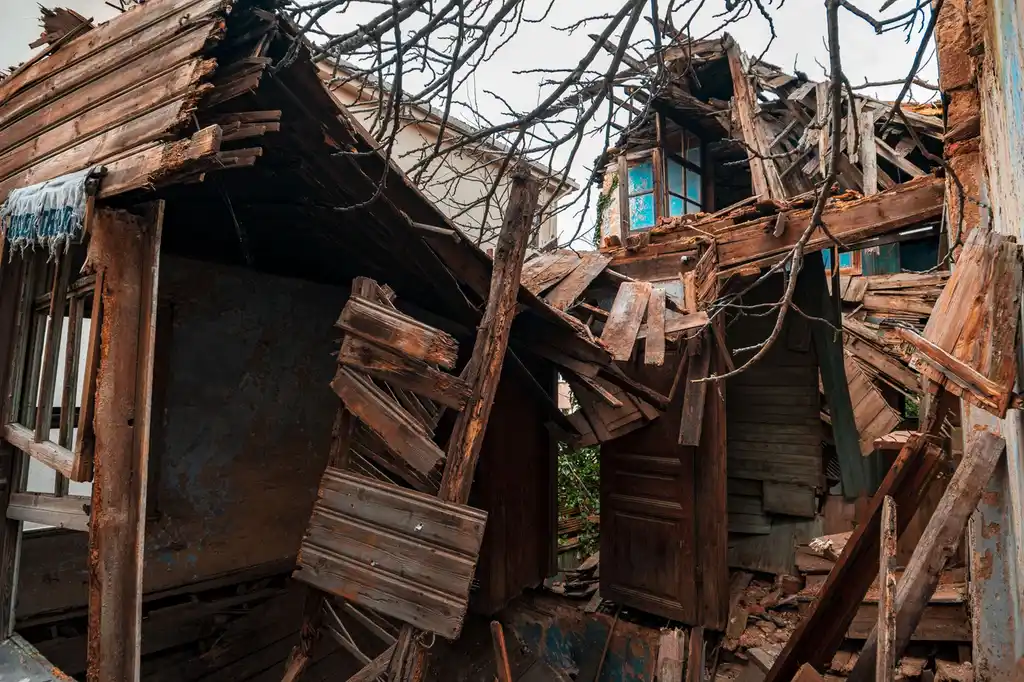
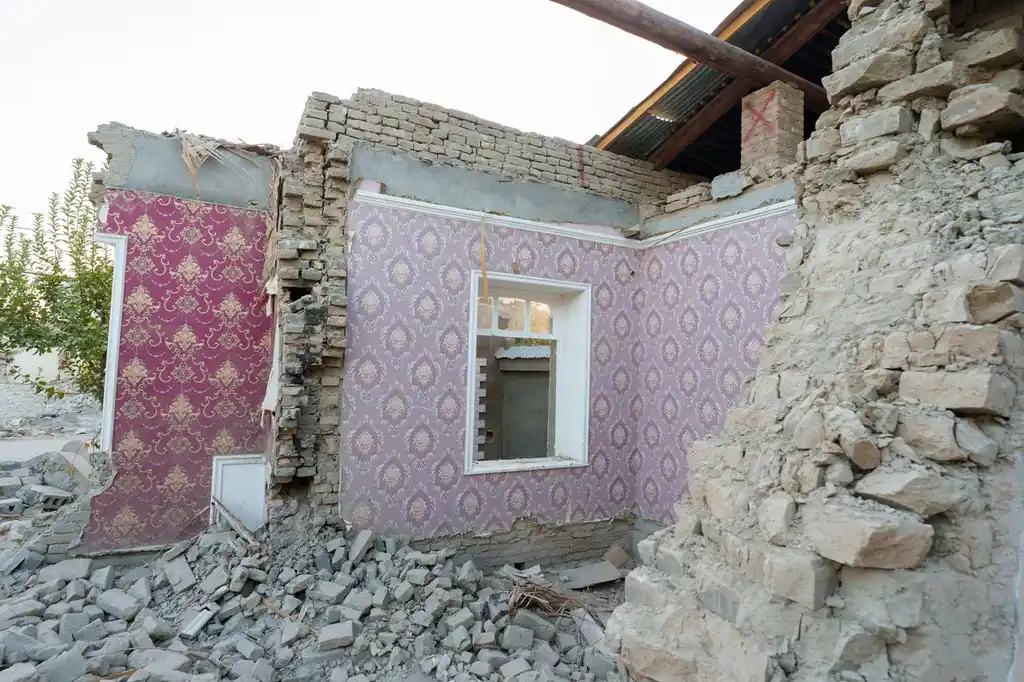
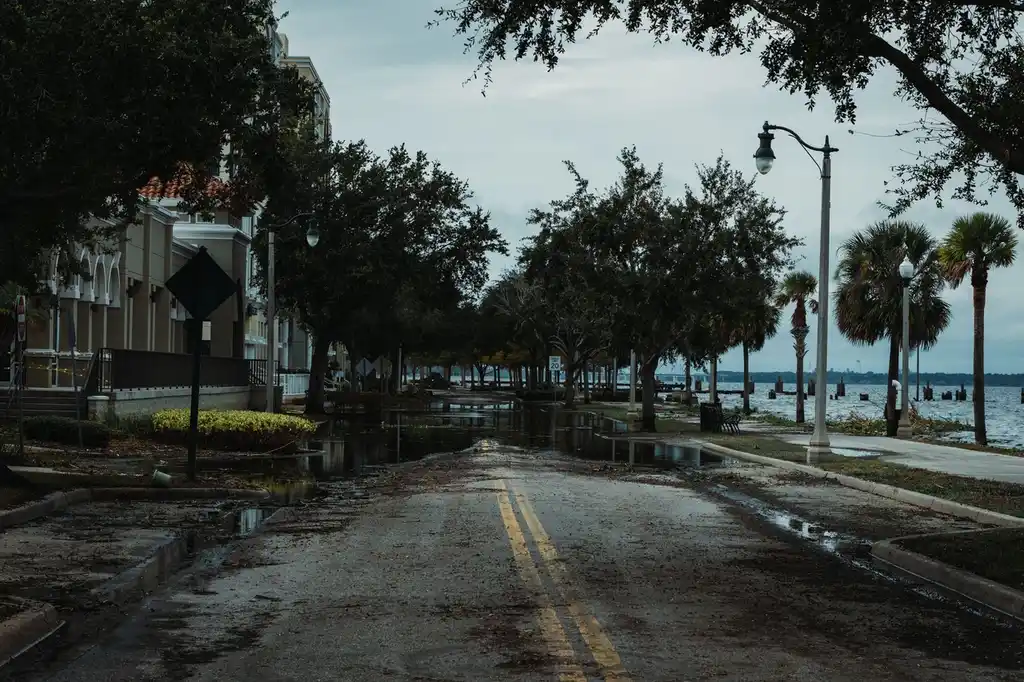
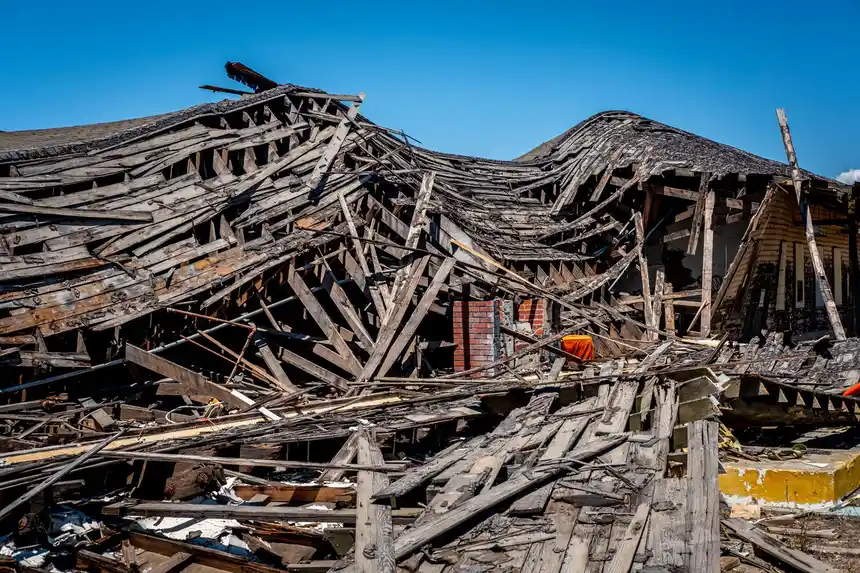
Storm damage rarely stays where it starts. Water travels through wall cavities, under floors, and into ceilings, and the damage you cannot see is usually the expensive part. Here is what we see most often in Philadelphia.
A dry structure and a documented loss you can hand your adjuster.
We run emergency storm damage restoration Philadelphia PA calls seven days a week. Most city addresses see a technician within 60 to 90 minutes of your call. We tarp, board up, and extract standing water the same visit, so the damage stops spreading before your adjuster even opens the claim.
Every job gets moisture meter logs, thermal imaging photos, and an Xactimate-ready scope. Adjusters accept our paperwork because it matches the line items they already use. You get a copy of everything, including the drying log, so nothing gets disputed three weeks later.
We set commercial dehumidifiers and air movers by the IICRC S500 standard, then check readings daily with a hygrometer. A typical 400-square-foot wet basement takes three to five days to dry. We do not pull equipment until the numbers say the structure is dry.
Once the structure is dry, our crew handles drywall, baseboard, hardwood flooring, and roof leak water damage repair. You are not chasing three contractors. One scope, one schedule, one crew that already knows where the wet spots were.
What a written scope covers and what shapes it. Prices are set by the business after the first look.
Included
Depends on
Clear records you can keep and share.
Daily moisture readings with photos
Before and after images by room
Line-item list of work performed
Marked floor plan of wet zones
How we dry and what we remove depends on where the water came from.
Clean water from rain or a supply line
Water with some contamination
Sewage or storm surge water
A list like this tells people straight away whether you cover their street. Not listed? Call and ask: it only takes a minute.
Based in Philadelphia and covering the places around it. Pick one for local details.
Insurance usually covers the bulk of it when the loss is storm-related.
We do. Water Damage Restoration Philly has handled storm damage repair in Philadelphia, Pennsylvania since 2015, working out of Philadelphia County and covering neighborhoods from Center City to Torresdale. Call 215-281-3000 and we will dispatch a crew.
Yes, most homeowner policies cover sudden storm damage, including wind, hail, and the water that comes in behind it. Flood water from rising creeks usually needs a separate flood policy. We document every loss with photos, moisture readings, and an Xactimate-compatible scope, then bill your carrier directly so you are not fronting the whole job.
Emergency stabilization takes two to four hours. Structural drying runs three to five days for a typical Philadelphia rowhome basement, and up to a week for a flooded crawl space. Repairs add another three to ten days depending on material lead times. We give you a written schedule on day one and update it if anything changes.
Other services from the same team.
Storm water spreads fast, and every hour you wait adds cost. Call 215-281-3000 and we will dispatch a crew to assess, tarp, and start drying today.
Call 215-281-3000 any time, day or night. We answer live, ask what happened, and dispatch a crew. If you prefer email, send photos and your address to info@waterdamagerestorationphilly.com and we'll respond within the hour. Most Philadelphia calls get a technician on-site within 60 to 90 minutes.