Homes in Queen Village
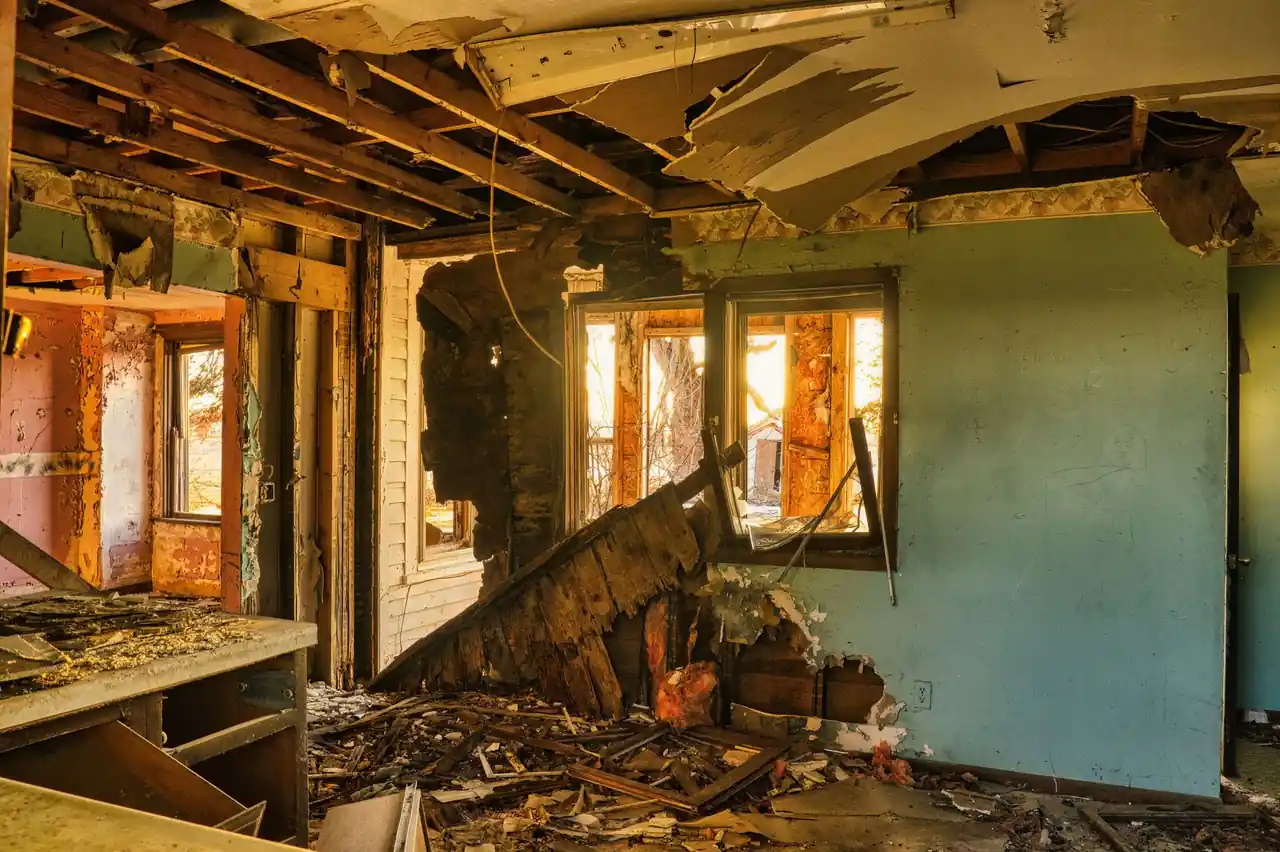
Rowhomes here have original plaster, hardwood, and stone foundations. We dry these materials slowly to avoid cracking and cupping.
- Finished basements
- Original hardwood floors
- Plaster walls
- Shared plumbing walls
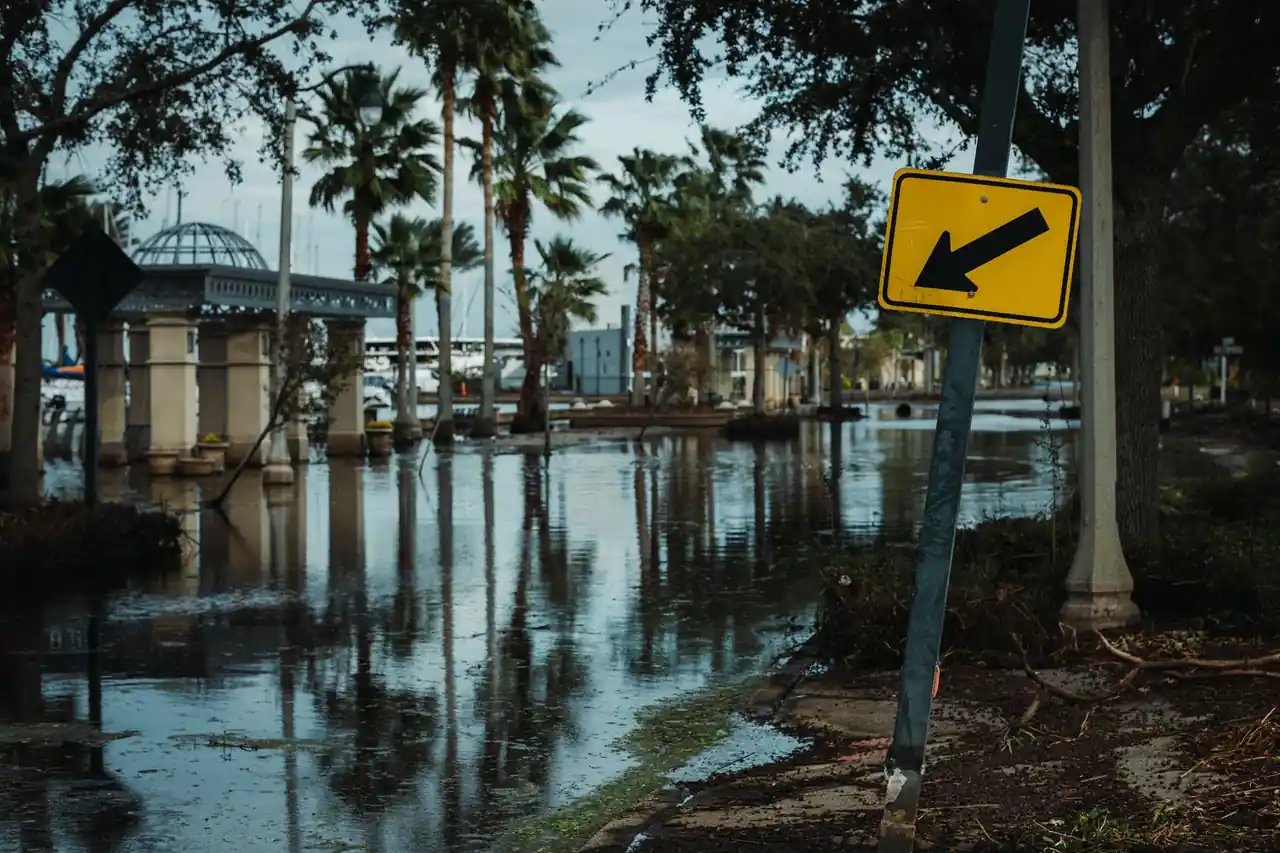
When a pipe bursts or your basement floods, water damage restoration in Queen Village has to start fast.
121 Hillside Rd, Wayne, PA 19087, Philadelphia, Pennsylvania
Serving Queen Village and nearby
Water damage restoration in Queen Village is the work of getting water out of old, tightly built rowhomes before it ruins plaster, hardwood, and the finished basements so many families here rely on. We have served this neighborhood since 2015, and the buildings between South Street and the Delaware riverfront behave differently than newer construction.
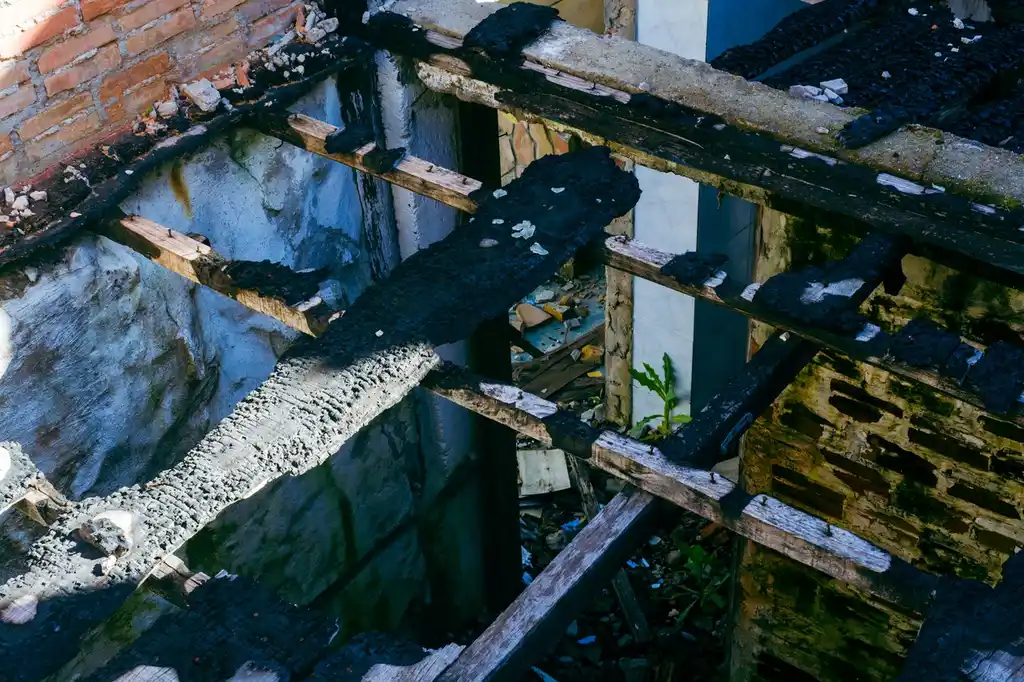
Original brick absorbs water, original pine subfloors cup and buckle, and 100-year-old sewer laterals back up when the city system surcharges. Our technicians carry water extraction units, commercial dehumidifiers, air movers, and thermal imaging cameras to find moisture you cannot see. We handle everything from a burst pipe behind a Bella Vista kitchen wall to a failed sump pump in a Pennsport basement.
If you need Queen Village water damage restoration after a storm, a sewage backup, or an appliance leak, we are set up to handle the whole job: assessment, extraction, structural drying, and repairs. We know these blocks, we know these houses, and we know how to dry them without tearing out more than we have to.
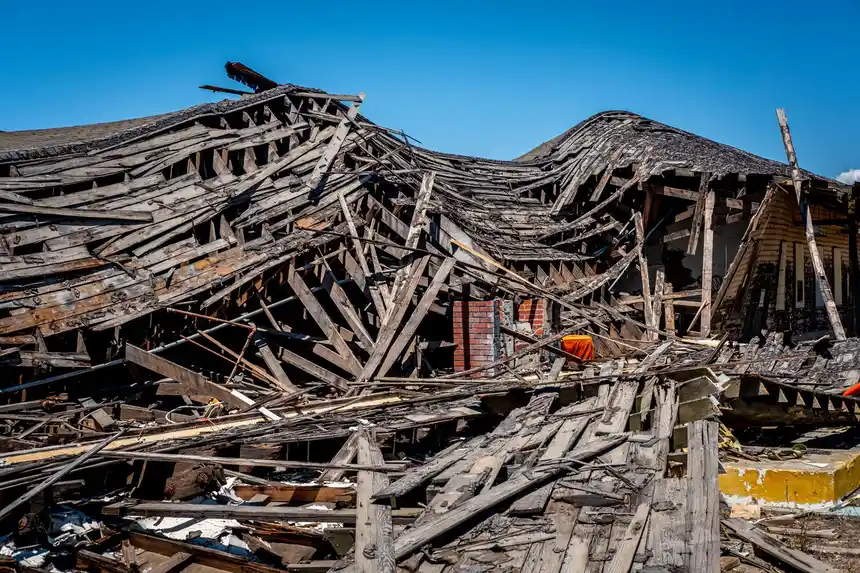
Queen Village sits on some of the oldest residential infrastructure in Philadelphia. The rowhomes here were built before modern plumbing codes, and many still have original clay sewer laterals, undersized supply lines, and basements that were never meant to stay dry.
Add tree-lined streets where root intrusion cracks those laterals, and a riverfront water table that rises after heavy rain, and you get a neighborhood that calls for water damage restoration more often than most. We serve Queen Village because the demand is real and the work is technical. You cannot dry a 200-year-old masonry rowhome the same way you dry a suburban build.
We have learned these buildings job by job, and that experience is what keeps our drying times short and our repairs targeted.
Good to know in Queen Village
Water from a burst pipe in one unit often migrates into the neighboring rowhome through shared joists and masonry. That means two homeowners and two insurance policies on one job.
Any structural repair, drywall replacement, or plumbing work beyond minor drying requires an L&I permit in Philadelphia.
Bella Vista sits just west of Queen Village and shares the same historic rowhome stock. Many homes here have finished basements with original stone foundations that weep during heavy rain.
Queen Village water damage restoration calls come in waves. Spring brings sump pump failures and sewer backups after heavy rain. Winter brings burst pipes in unheated rear additions and crawl spaces. We run the full range of services here, from emergency water removal at 2 a.m.
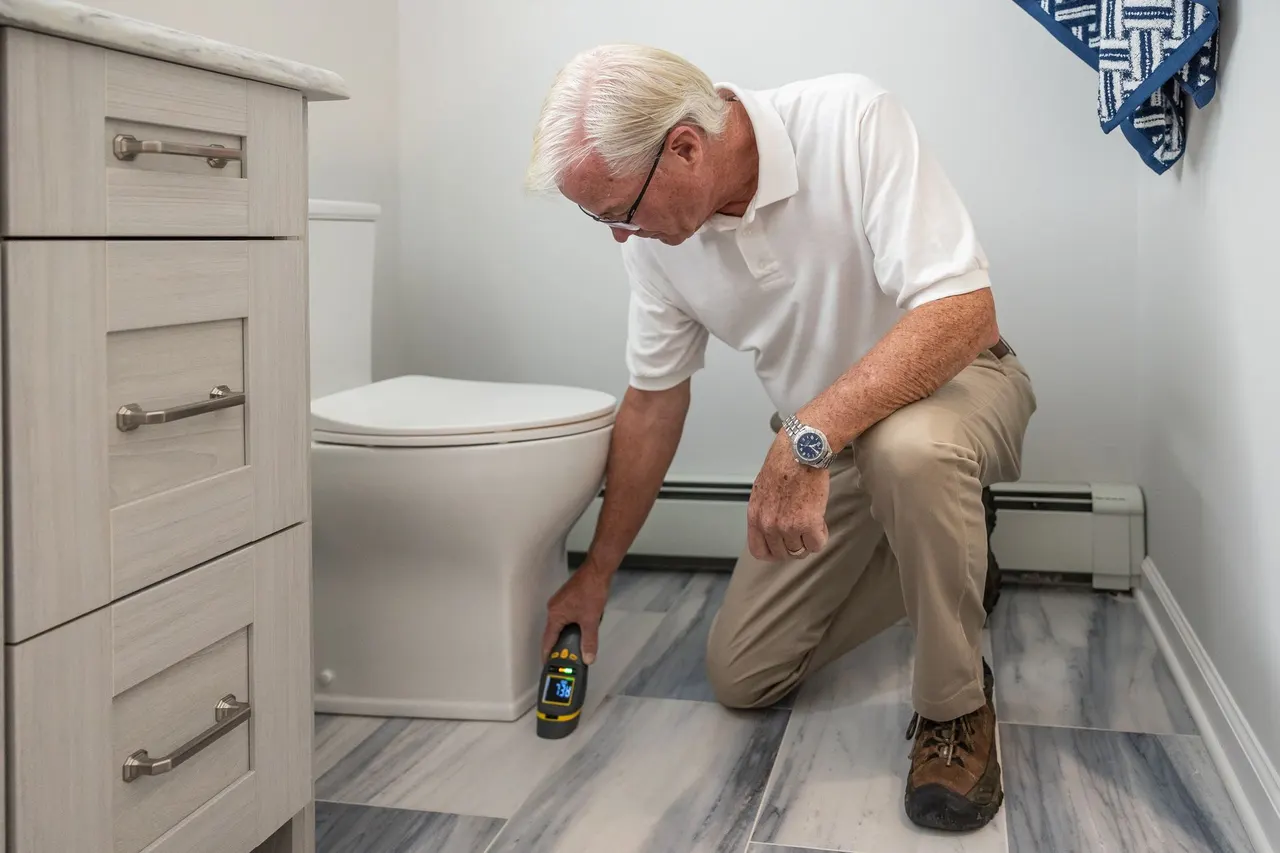
Full-scope water damage restoration in Queen Village starts with a moisture assessment using thermal imaging cameras and hygrometers, then moves to extraction, drying, and repairs.
Emergency water removal in Queen Village means standing water out of your basement within the hour.
Flood damage cleanup in Queen Village handles the mess that comes with street-level flooding and storm surge near the Delaware.
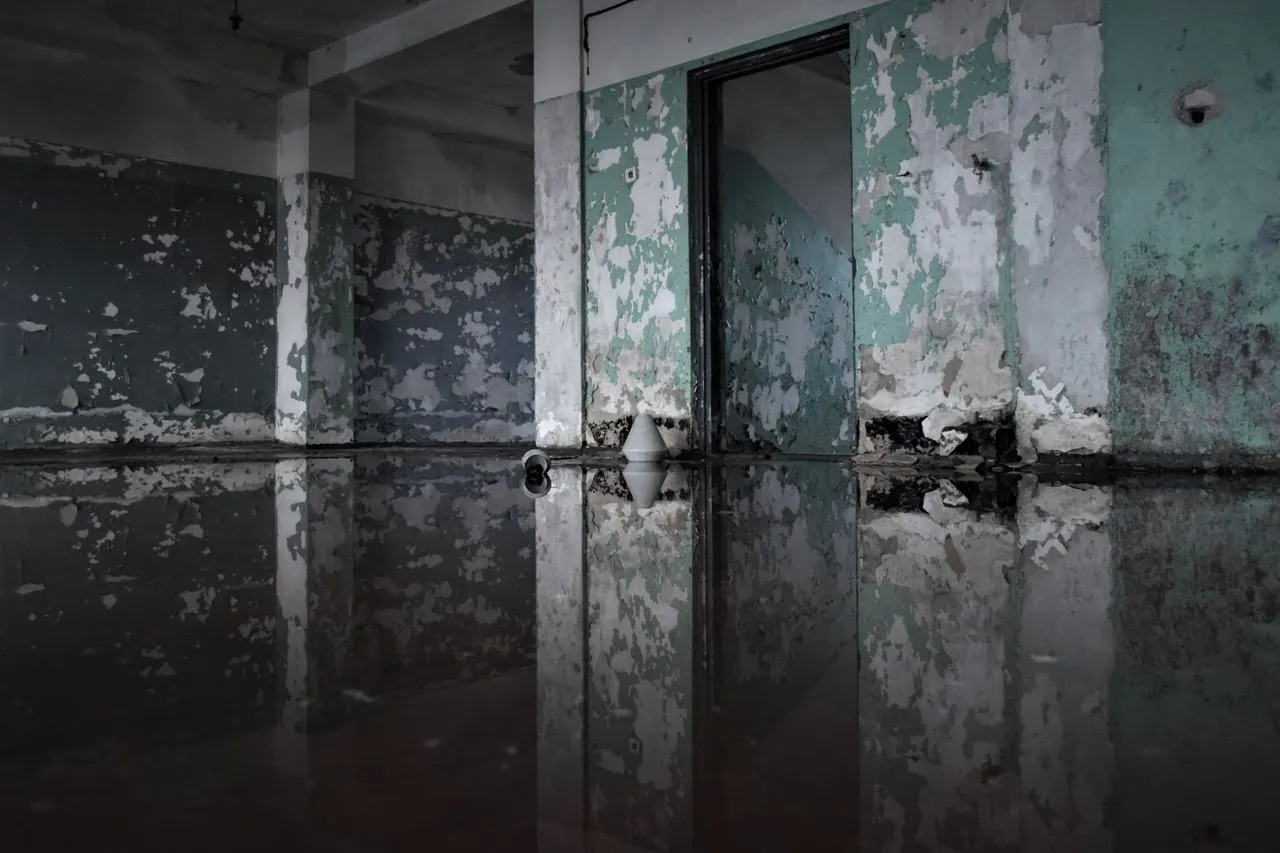
Basement water extraction in Queen Village is our most common call.
Sewage backup cleanup in Queen Village is a Category 3 job that requires full PPE, containment with plastic sheeting, and disposal of anything porous the water touched.
Storm damage restoration in Queen Village covers roof leaks, blown-in water through windows, and basement flooding after summer storms.
Mold remediation in Queen Village addresses the mold that shows up weeks after a slow leak or a basement that never fully dried.
Mold inspection and testing in Queen Village starts with a boroscope and moisture meter survey of walls, ceilings, and crawl spaces.
Water damage assessment in Queen Village is the first step in every job. We use thermal imaging cameras, moisture meters, and hygrometers to map exactly where water traveled.
Structural drying in Queen Village takes longer than in newer construction because brick and plaster hold moisture.
Dehumidification services in Queen Village control the humidity that keeps masonry walls damp long after visible water is gone.
Carpet water extraction and drying in Queen Village saves carpet when the water is clean and we get there fast.
Hardwood floor drying and restoration in Queen Village is delicate work. Original pine and oak floors in these rowhomes cup and buckle fast.
Drywall water damage repair in Queen Village often means cutting out the bottom two feet of drywall in a basement or bathroom.
Ceiling water damage repair in Queen Village usually traces back to a bathroom or kitchen leak above. We open the ceiling, dry the joists and subfloor, and repair the plaster or drywall.
Roof leak water damage repair in Queen Village starts with finding the entry point, which is often flashing around a chimney or a dormer.
Pick a service to see how we approach it here.
Historic rowhomes here hold moisture in plaster and brick long after the water is gone. We map the migration with thermal cameras and moisture meters before we set equipment. Drying is monitored daily until readings match dry standard.
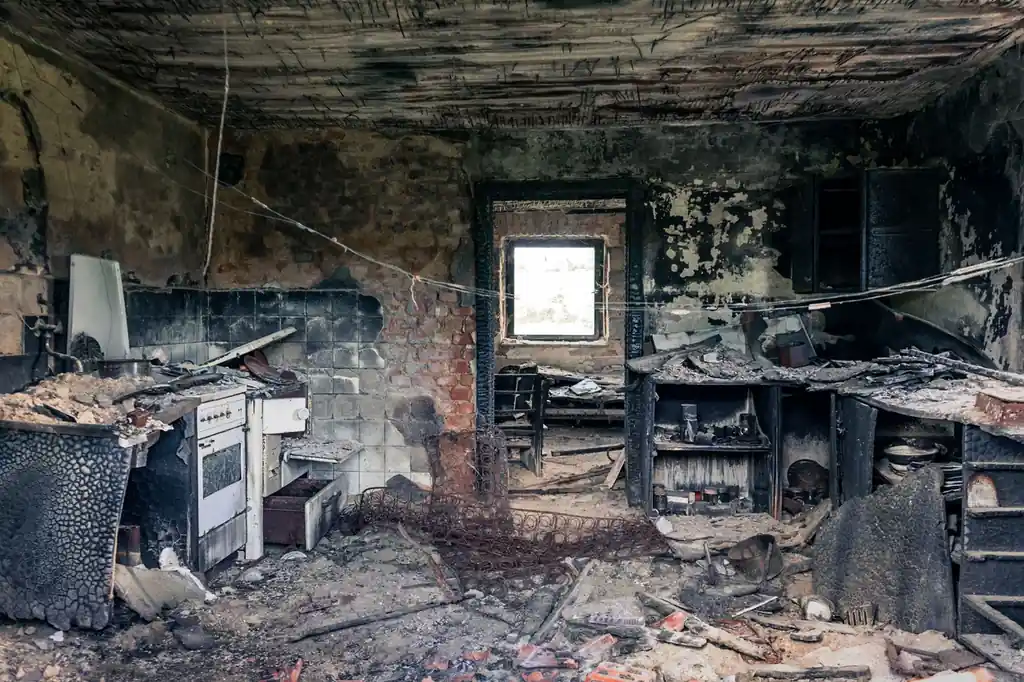
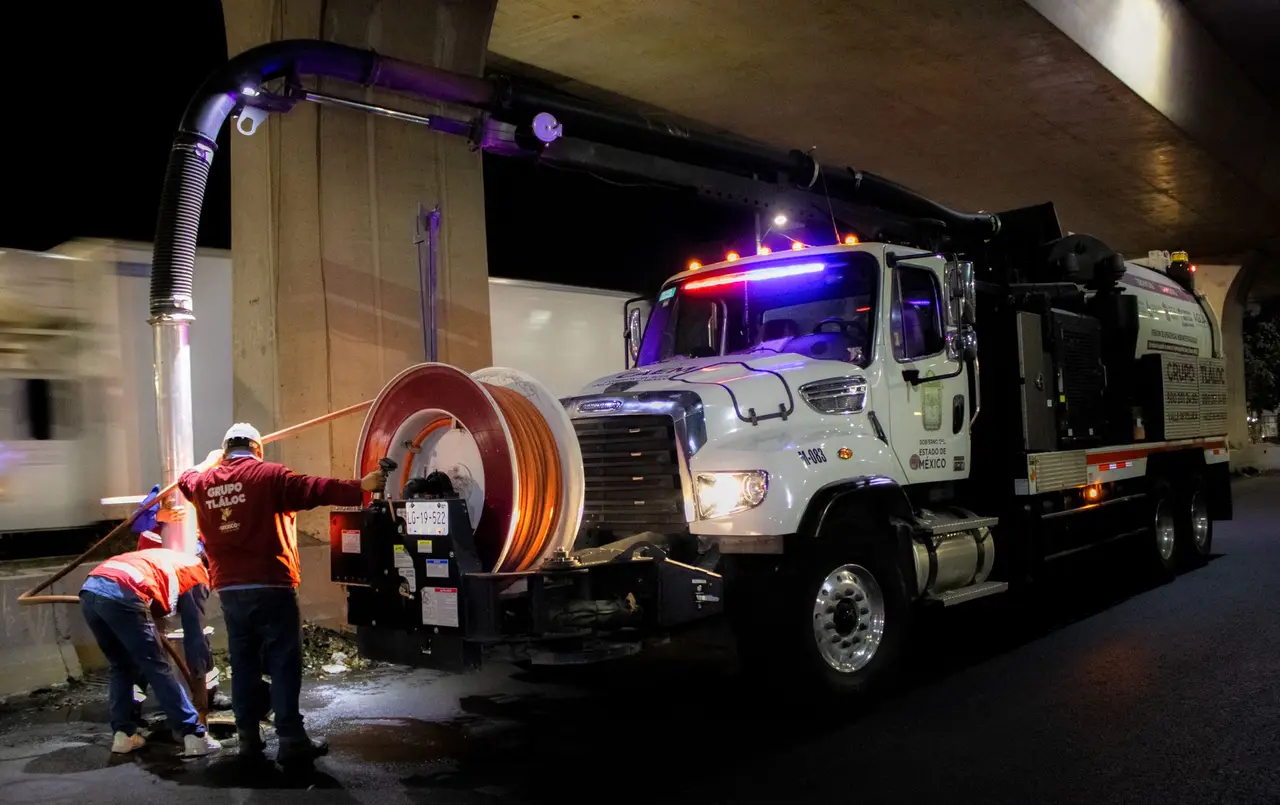
Standing water in a finished basement needs to come out fast. We stage extraction units on side streets and run hoses through garden-level doors. Air movers and dehumidifiers go in on the same visit.
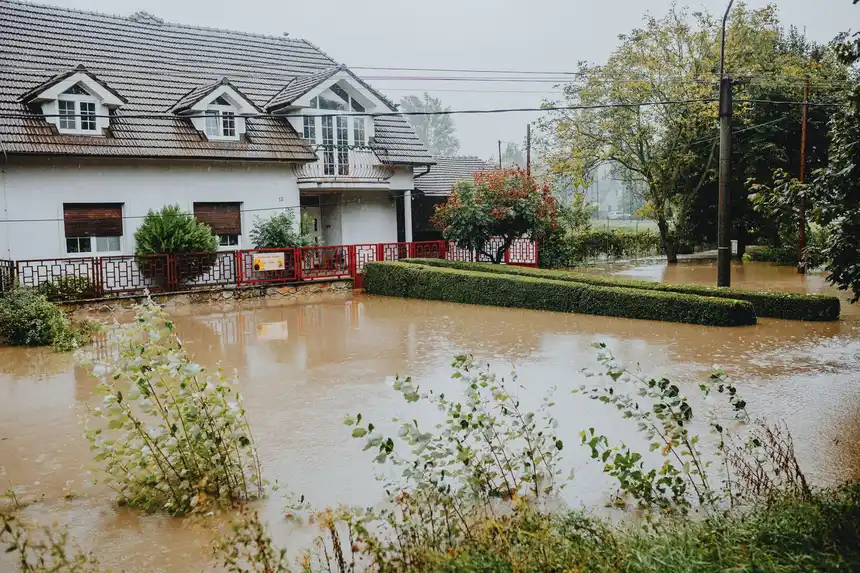
Storm flooding near the river carries silt and contaminants into basements. We remove the water, treat surfaces with antimicrobial solution, and dispose of ruined materials. Plaster walls are dried in place when possible.
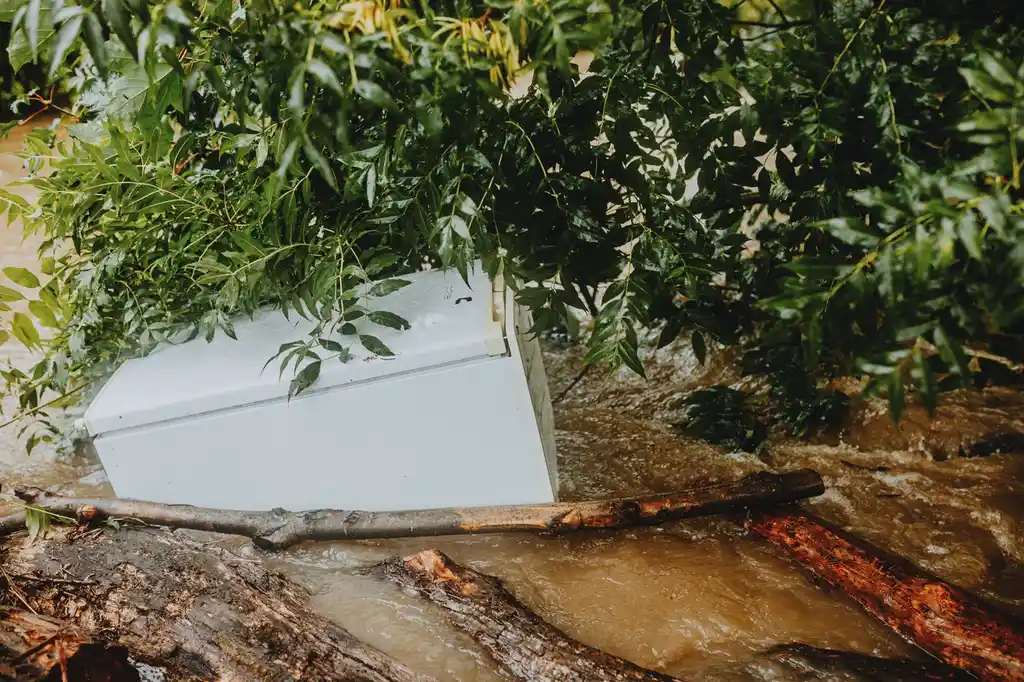
These basements have low ceilings and narrow stairwells, so we use compact extraction gear and wet/dry vacuums. We check sump pits, floor drains, and sewer laterals for the source. Masonry walls are dried with commercial dehumidifiers.
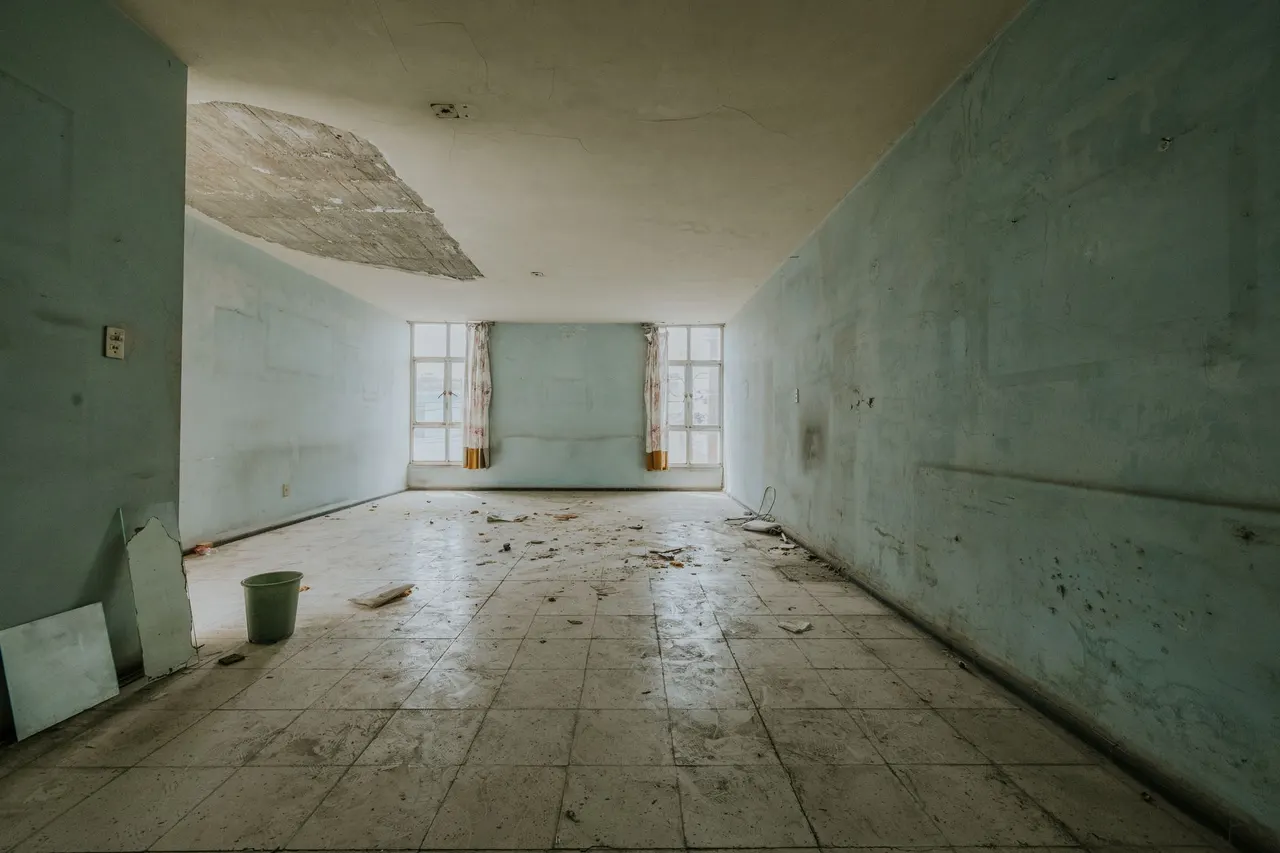
Homes need careful drying of original materials; businesses need fast turnaround to reopen.
Rowhomes here have original plaster, hardwood, and stone foundations. We dry these materials slowly to avoid cracking and cupping.
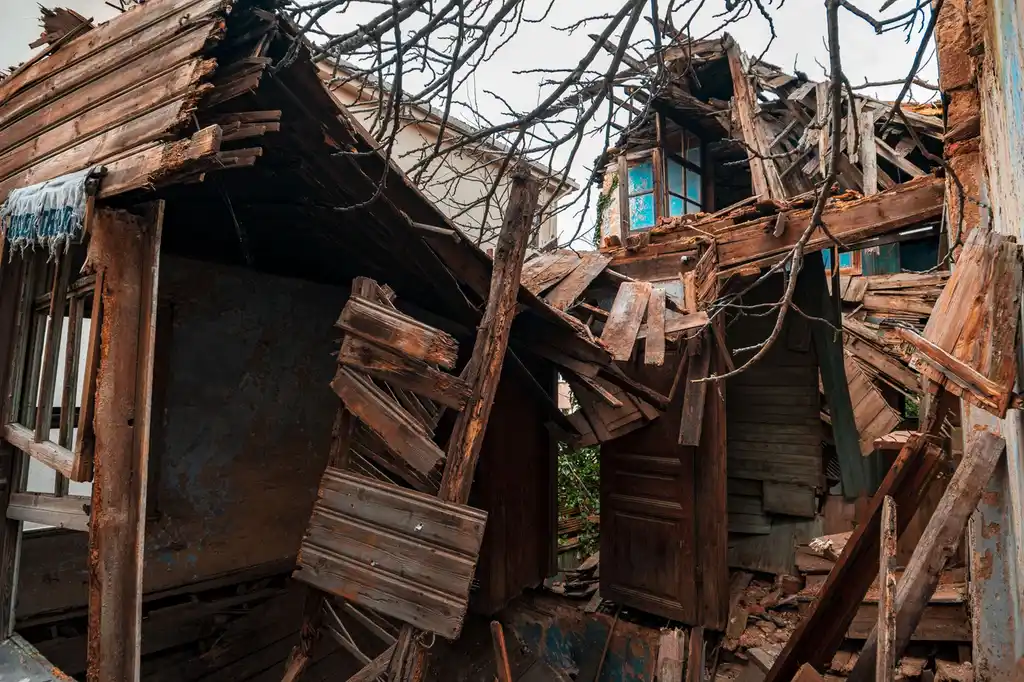
South Street shops and Fabric Row businesses need fast water removal to protect inventory and reopen quickly.
Queen Village water damage restoration calls follow patterns. The neighborhood's age, its position near the Delaware River, and its tree-lined streets create a specific set of problems you do not see as often in newer parts of Philadelphia.
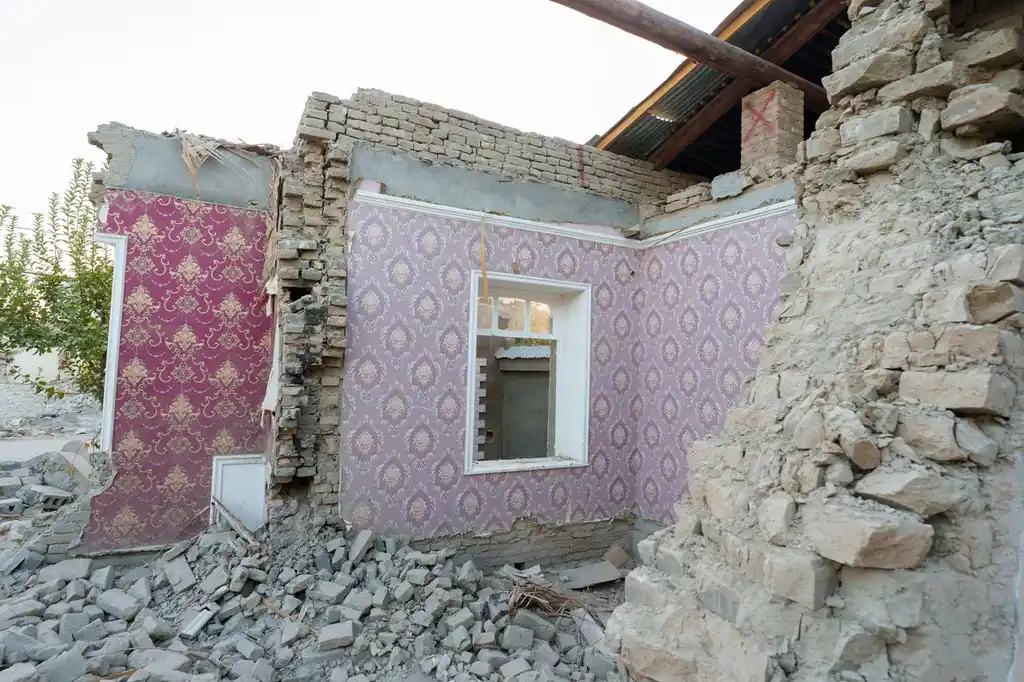
Many Queen Village basements rely on sump pumps that are undersized or more than a decade old. When a summer storm drops two inches of rain in an hour, the pit fills faster than the pump can discharge, and the basement floods.
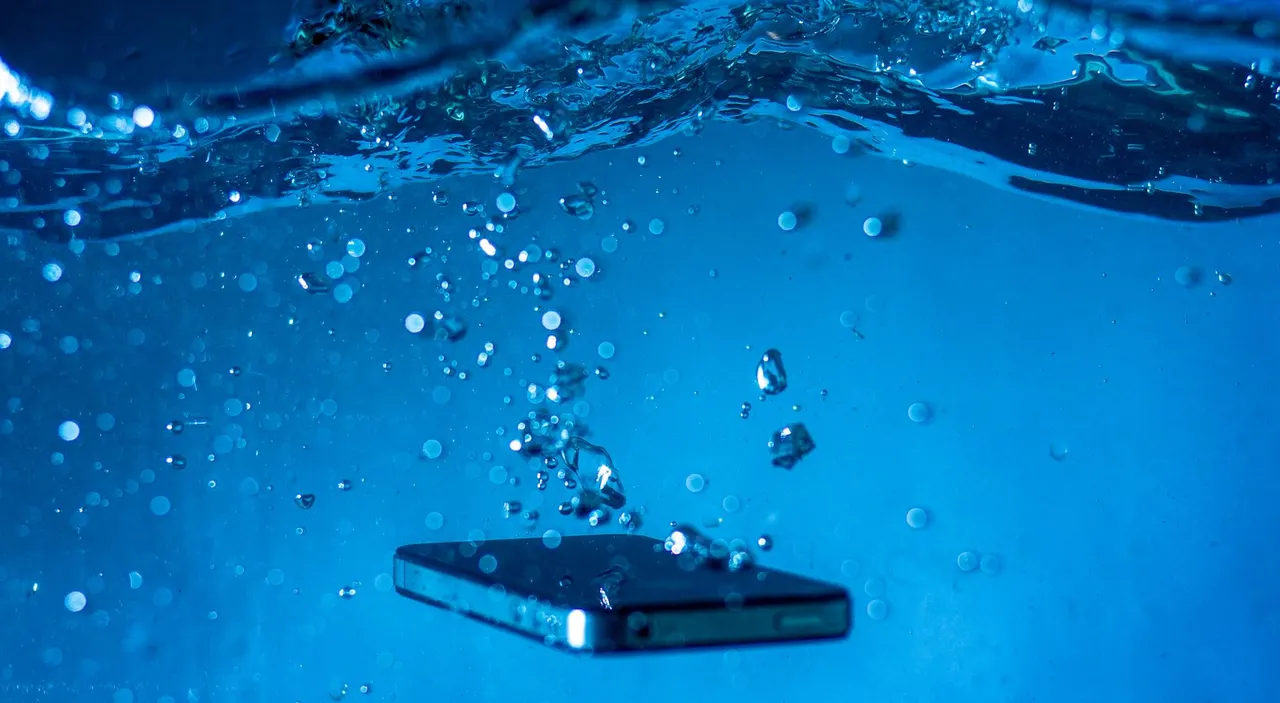
Aging clay sewer laterals crack when tree roots invade them. During heavy rain, the city sewer surcharges and pushes waste back into basements through the floor drain. This is a Category 3 health hazard.
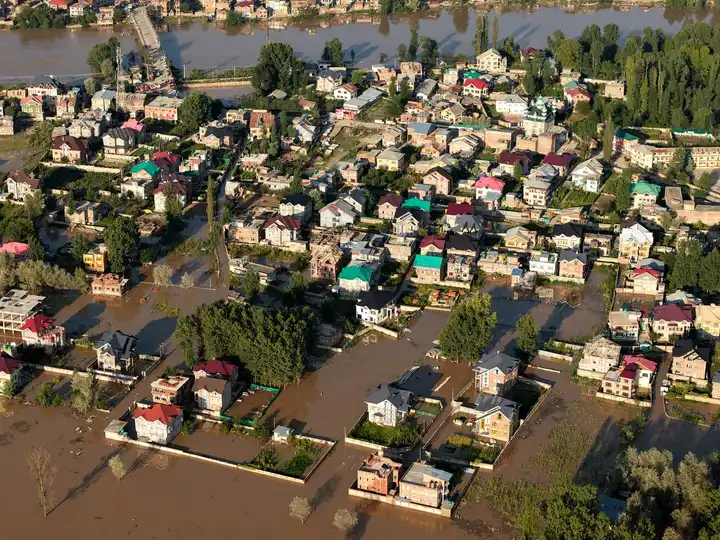
Many rowhomes have rear additions or crawl spaces that are not heated. When the temperature drops below freezing, supply lines in those spaces freeze and split, flooding the basement and first floor.
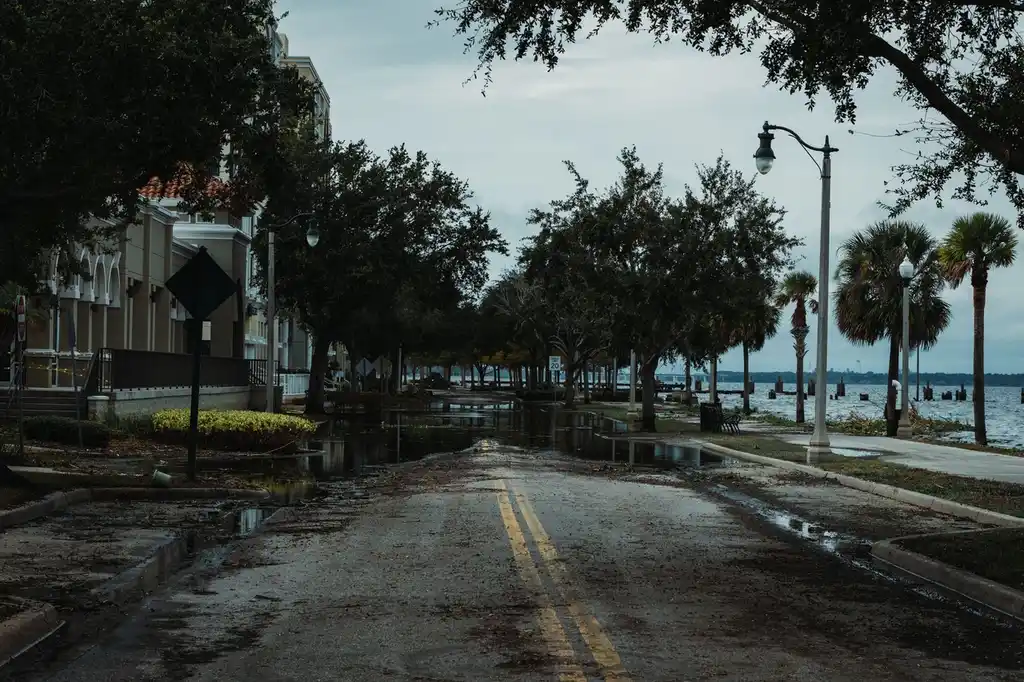
Tree-lined streets mean fallen limbs and debris damage flashing around chimneys and dormers. Water enters the attic and travels down through ceilings and walls, often showing up far from the actual leak.
Watch for these signs that it is time to call a water damage crew.
Any one of these is worth a call.
Nothing picked yet. Tap the signs you have noticed and this box will sum them up.
There is no price list here, because every job is different. These are the things that move an estimate most.
Clean water from a supply line is the cheapest to handle. Sewage backups and floodwater are Category 3 and require full PPE, disposal of porous materials, and disinfection, which adds labor and disposal costs.
A single room of standing water is a smaller job than a whole finished basement. Square footage drives how much extraction, drying equipment, and monitoring time the job needs.
Brick, plaster, and original hardwood hold moisture longer than modern materials. Longer drying means more days of equipment rental and monitoring, which increases the total cost.
When we dispatch a crew to Queen Village, we orient by the landmarks you know. Headhouse Square and the South Street corridor are our main east-west routes. Weccacoe Playground and Mario Lanza Park help us find the residential blocks tucked behind the commercial strips.
Landmark
Headhouse Square sits at Second and Pine, a central orientation point for the northern end of Queen Village. We use it to route crews to the rowhomes between Pine and South Street.
Landmark
Weccacoe Playground is a key landmark on Catharine Street.
Landmark
Mario Lanza Park sits at Queen and Catharine, marking the transition between Queen Village and Bella Vista. We use it to split crews when a job spans both neighborhoods.
Landmark
South Street is the main commercial spine along the northern edge of Queen Village. We stage trucks on side streets off South when working the shops and restaurants that line the corridor.
Commercial area
South Street runs along the northern edge of Queen Village and is lined with restaurants, bars, and small retail shops.
Commercial area
Fabric Row is a historic stretch of small businesses on Fourth Street just north of Queen Village.
Transit
I-95 runs along the Delaware riverfront just east of Queen Village. We use the Columbus Boulevard exits to bring equipment in quickly from our staging areas.
Transit
The Route 40 bus runs along South Street through the heart of Queen Village. We are aware of the route when staging trucks so we do not block transit stops during a job.
A pipe burst behind our kitchen wall on a Sunday morning and water was pouring into the basement. I called and they had a crew at our door in about 40 minutes. They shut off the water, extracted everything, and set up drying equipment the same visit. They explained every step and worked directly with our insurance. Four days later the moisture readings were dry and they repaired the wall.
Our sump pump died during a storm and the basement flooded. These guys pulled the water out fast and dried the whole space. They also installed a backup pump so it will not happen again. They were careful with our finished basement and did not tear out anything they did not have to. Fair price and no surprises.
We had a sewage backup in our basement, which is as bad as it sounds. The crew was professional and treated it like the health hazard it was. They wore protective gear, contained the area, and got rid of everything contaminated. They disinfected and ran air scrubbers until the smell was gone. It took five days but they kept us informed the whole time.
Queen Village sits in a humid mid-Atlantic climate with four distinct seasons, and each one brings its own water damage risks. Fall is here now, and we are already getting calls for roof leaks and gutter backups. Here is what we see across the year and what you should watch for in your rowhome.
Queen Village is one of several Philadelphia neighborhoods we serve from our South Philadelphia base.
Straight answers to what people ask first.
The final price depends on the water category, the size of the affected area, and how long drying takes in your home's specific materials. We give you a written estimate before we start.
Most homeowner policies cover sudden water damage like burst pipes and appliance failures. Sewer backups usually need a separate rider, and flood damage requires flood insurance. We document everything with photos, moisture logs, and Xactimate-compatible estimates to make your claim easier. We also bill insurance directly when your policy covers the loss.
A standard basement extraction and dry-out takes three to five days, depending on the materials. Historic plaster and original hardwood hold moisture longer than modern drywall, so those jobs can run five to seven days. Repairs after drying add more time. We monitor daily with moisture meters and tell you exactly where you stand.
If your basement is flooding or a pipe just burst, every minute counts. We have served Queen Village since 2015 and know these rowhomes inside and out.
Call 215-281-3000 any time, day or night. We answer live, ask what happened, and dispatch a crew. If you prefer email, send photos and your address to info@waterdamagerestorationphilly.com and we'll respond within the hour. Most Philadelphia calls get a technician on-site within 60 to 90 minutes.