For Homes
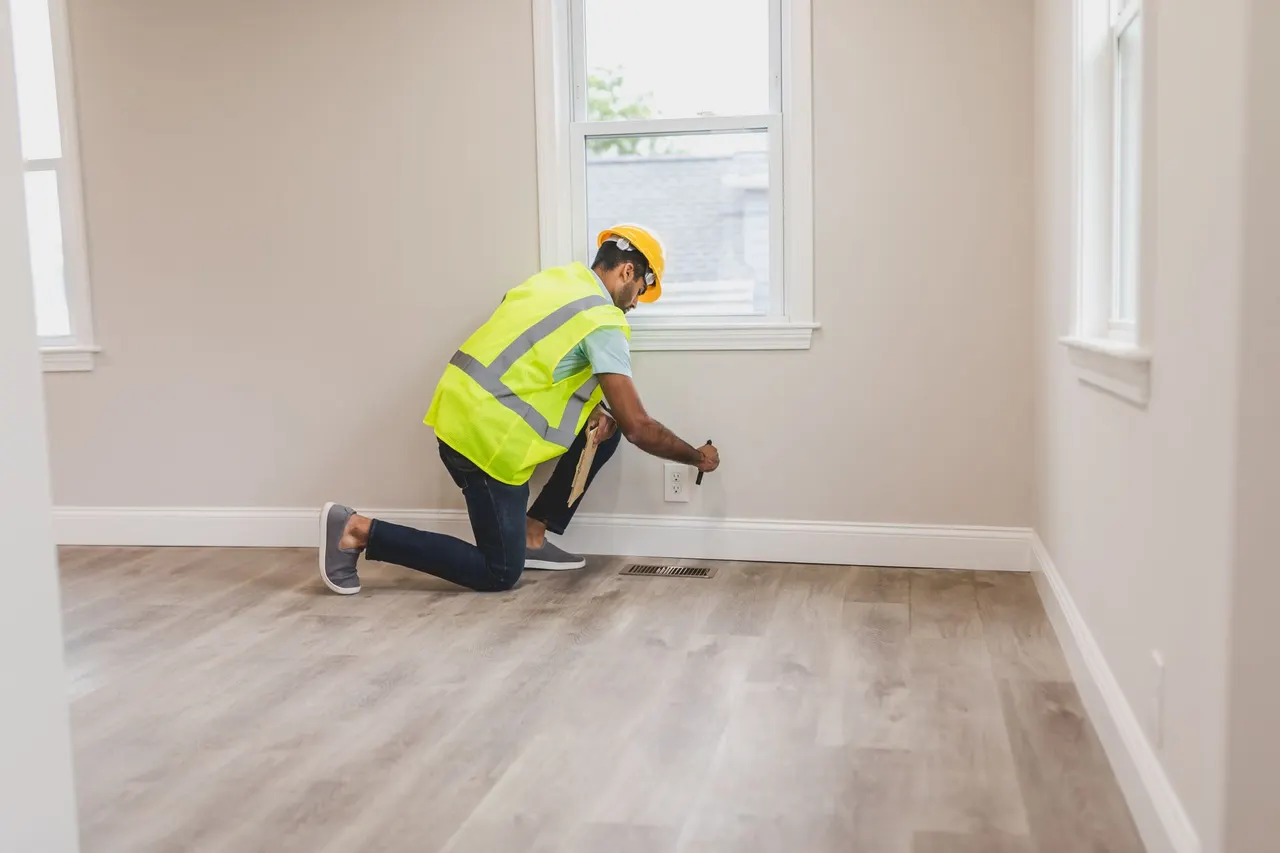
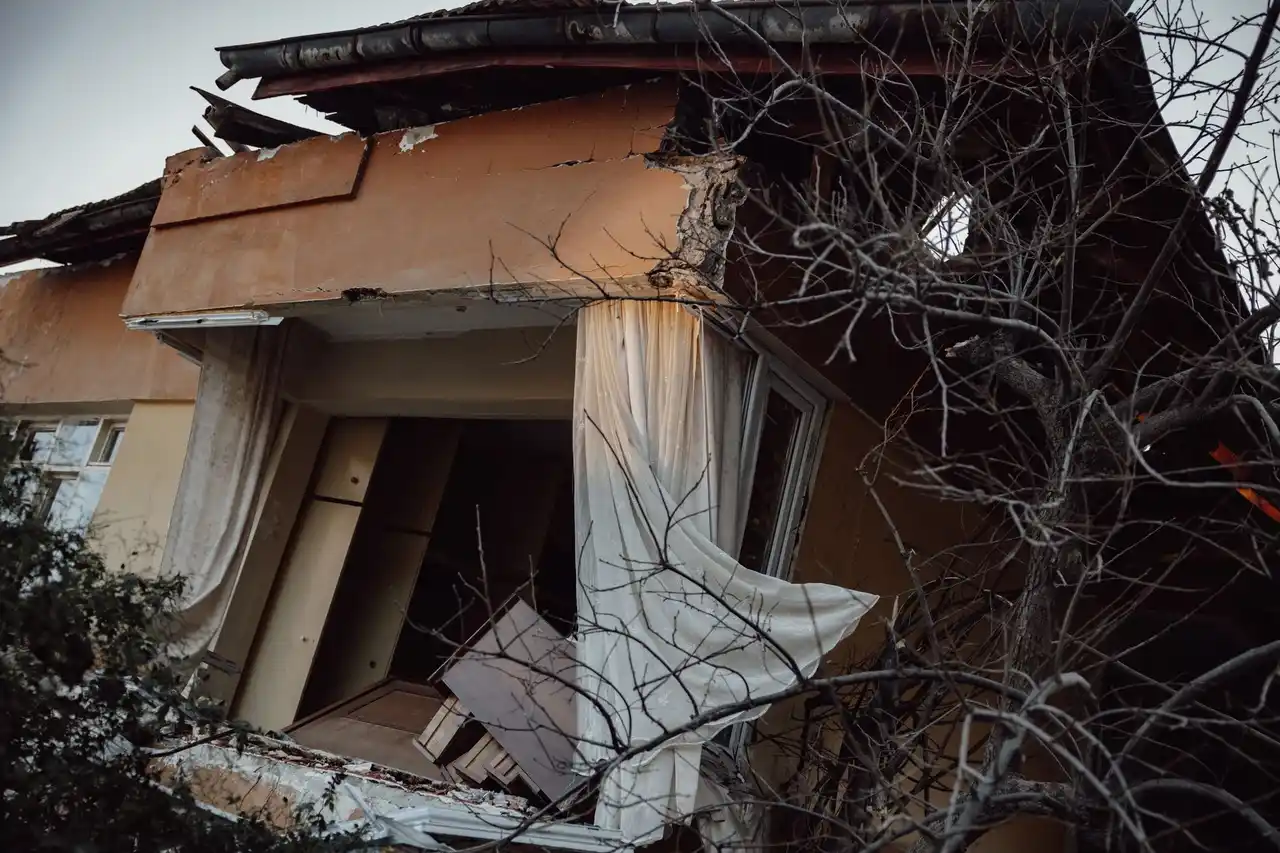
We repair ceilings in rowhouses, condos, and single-family homes across Philadelphia. Our crew protects your floors and furniture while we work.
- Upstairs bathroom leaks
- Roof leaks after storms
- Appliance supply line drips
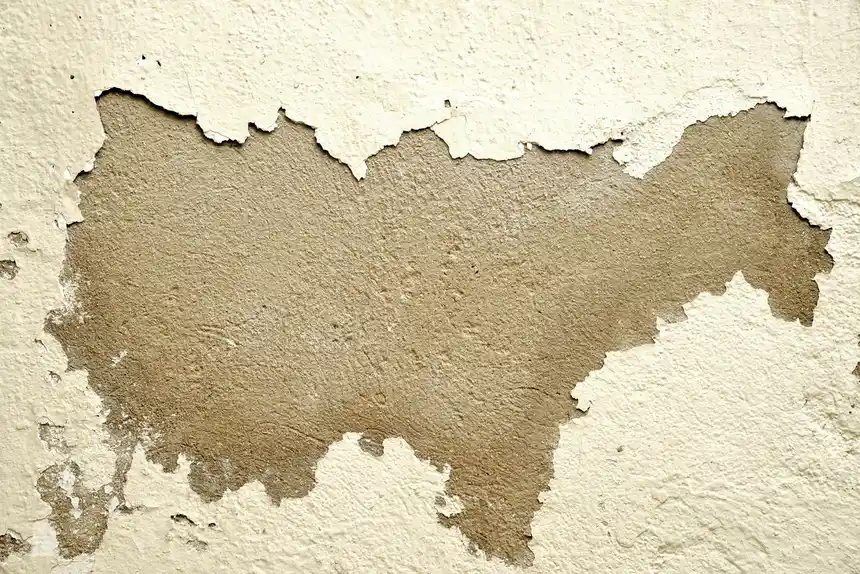
When water stains spread across your ceiling, ceiling water damage repair Philadelphia PA stops the source, dries the structure, and restores the surface before mold takes hold. We handle burst pipes, roof leaks, and upstairs overflows across Philadelphia County. Our IICRC-trained crew uses moisture meters and thermal imaging to find hidden saturation, then repairs drywall, texture, and paint so the ceiling looks like nothing happened.
 Moisture mappingLeak source checkDrying plan
Every ceiling water damage repair job starts with a full inspection and ends with a finished ceiling. We handle extraction, drying, mold prevention, drywall repair, texture, and paint. If the leak source needs a plumber or roofer, we document it and coordinate. Here is what is covered in a standard repair.
We use a moisture meter, thermal imaging camera, and boroscope to find every wet spot above your ceiling. We mark the affected area and photograph it for your records. This step prevents us from missing hidden saturation that would cause mold later.
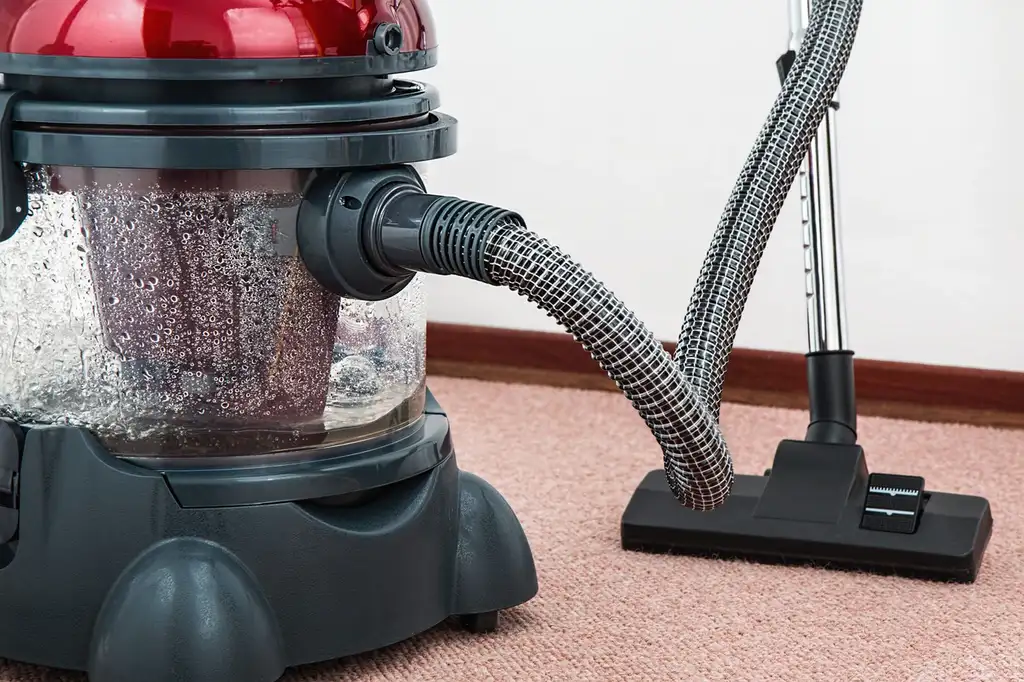
Standing water comes out with a wet/dry vacuum and water extraction unit. Sagging or saturated drywall is cut away so air can reach the framing. We remove only what is damaged, saving as much of the original ceiling as possible.
We apply antimicrobial solution to the exposed framing and set commercial dehumidifiers and air movers. A drying mat protects hardwood floors below. We monitor daily with a hygrometer until the cavity meets dry standard, usually two to three days.
New mold-resistant drywall is cut, fitted, taped, and mudded. We match the existing texture, whether smooth, orange peel, or plaster. The goal is a seamless repair that blends with the rest of the ceiling.
We prime and paint the repaired area to match your ceiling color. Most jobs are finished within 48 hours of the final drying check. You get a clean surface with no visible seams or stains.
You receive a photo report with before and after moisture readings. We walk the room with you and explain how to watch for future leaks. If the source needs a plumber or roofer, we tell you exactly what to fix.
The approach is the same for a home and a business. What changes is the access, the schedule and who needs the paperwork.
We repair ceilings in rowhouses, condos, and single-family homes across Philadelphia. Our crew protects your floors and furniture while we work.
We work with property managers and business owners to repair ceilings with minimal disruption. After-hours scheduling is available for offices and retail spaces.
A plain-language look at what Ceiling Water Damage Repair involves and when it is needed.
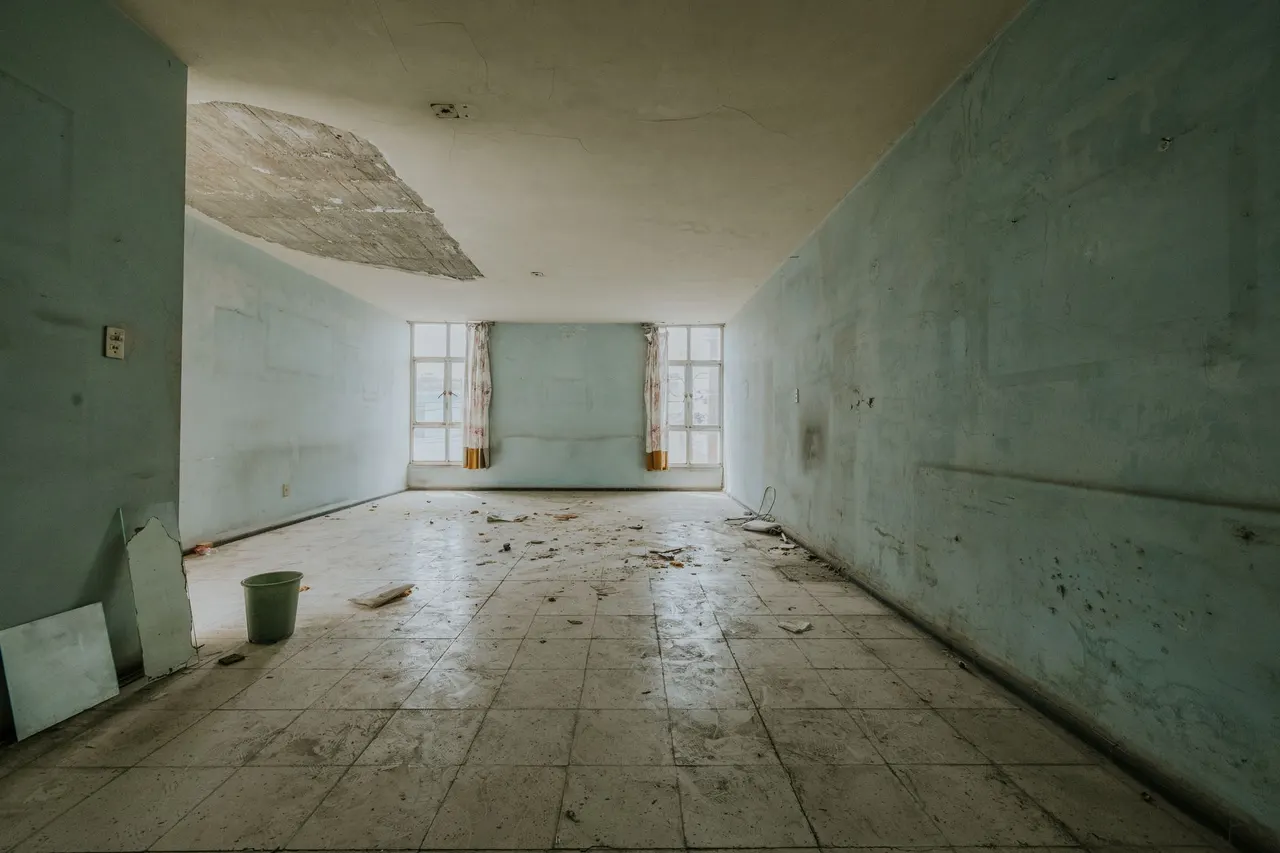
See how it worksCeiling water damage repair Philadelphia PA is the process of finding the water source, extracting standing moisture, drying the ceiling cavity, and rebuilding the damaged drywall, texture, and paint. Water travels along joists and pools above the ceiling, so the visible stain is often smaller than the actual wet area. We use a moisture meter, thermal imaging camera, and boroscope to map the full extent before we cut anything. Then we remove saturated drywall, treat framing with antimicrobial solution, and set commercial dehumidifiers and air movers to dry the cavity to IICRC S500 standards.
Philadelphia's rowhouse stock and aging plumbing make ceiling leaks common. A burst pipe in a second-floor bathroom, a roof leak after a nor'easter, or a sump pump failure during a spring storm can all send water through your ceiling. If you search for ceiling water damage repair near me Philadelphia PA, you need a crew that understands how water moves through masonry walls and plaster ceilings. We have served Philadelphia County since 2015 and know the building quirks in Center City, Fishtown, and West Philadelphia.
Finding the source and drying the cavity matters more than painting over the stain.
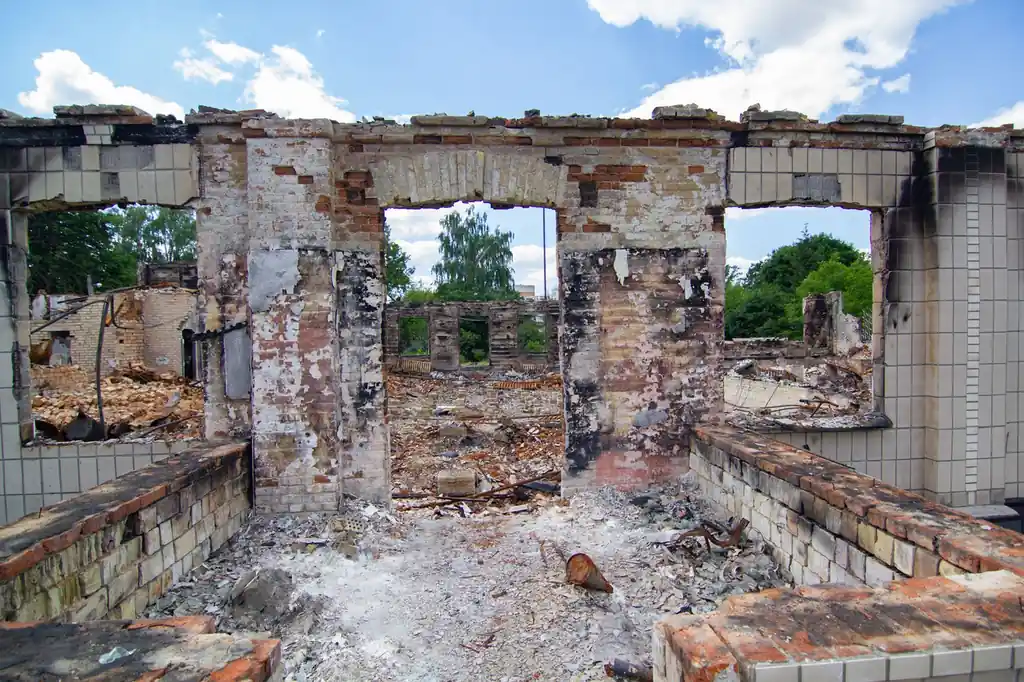
Every ceiling leak is different, but the steps are the same. Here is exactly what happens from the first call to the final walkthrough.
Call 215-281-3000 and we ask what happened, where the stain is, and whether water is still dripping. We dispatch a crew with a water extraction unit, moisture meter, and thermal imaging camera. In most Philadelphia neighborhoods, we arrive within 60 to 90 minutes. If the leak is active, we help you shut off the water or tarp the roof before we start.
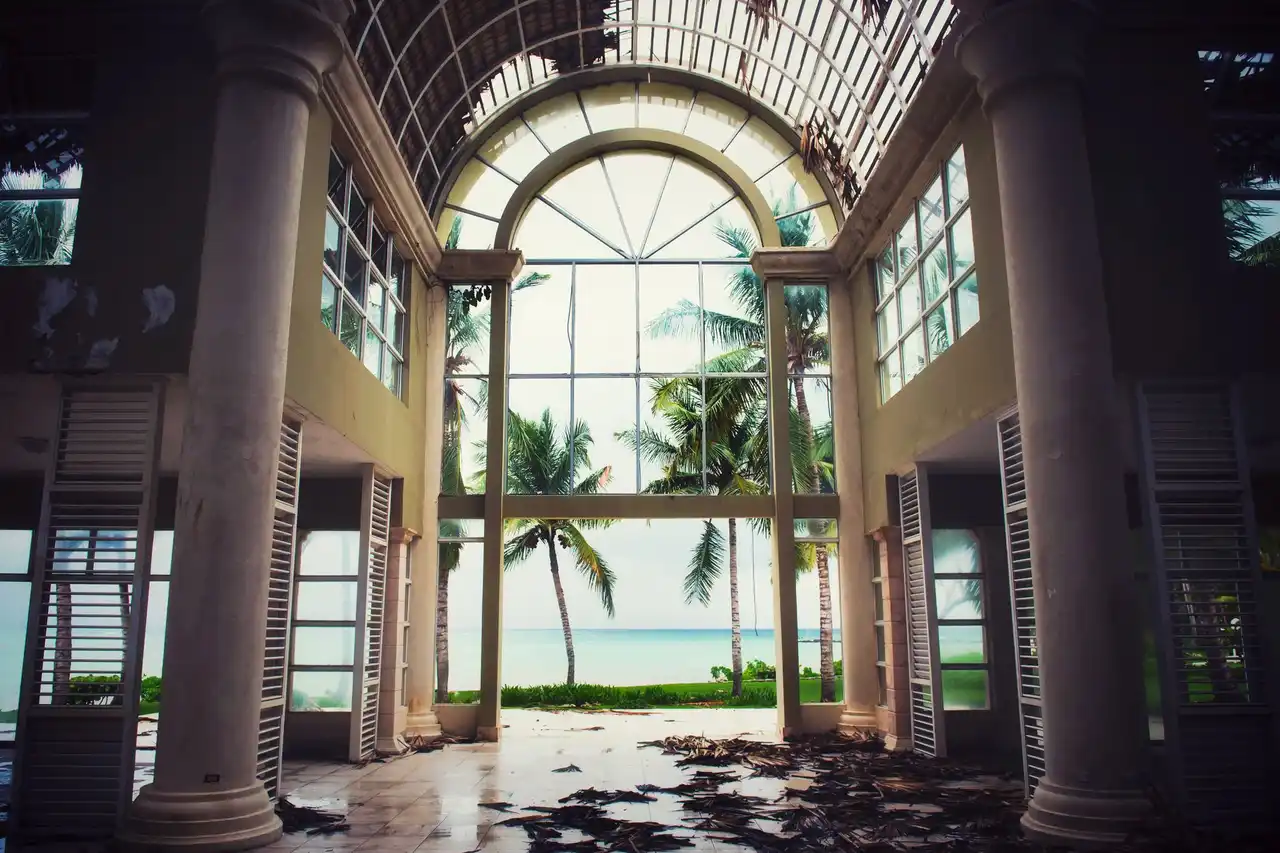
We walk the room, check the ceiling with a moisture meter and thermal imaging camera, and use a boroscope to look inside the cavity. We mark the wet zone with tape and photograph everything for your insurance claim. You get a clear explanation of what is wet, what needs to come out, and what can be dried in place. This takes 30 to 45 minutes.
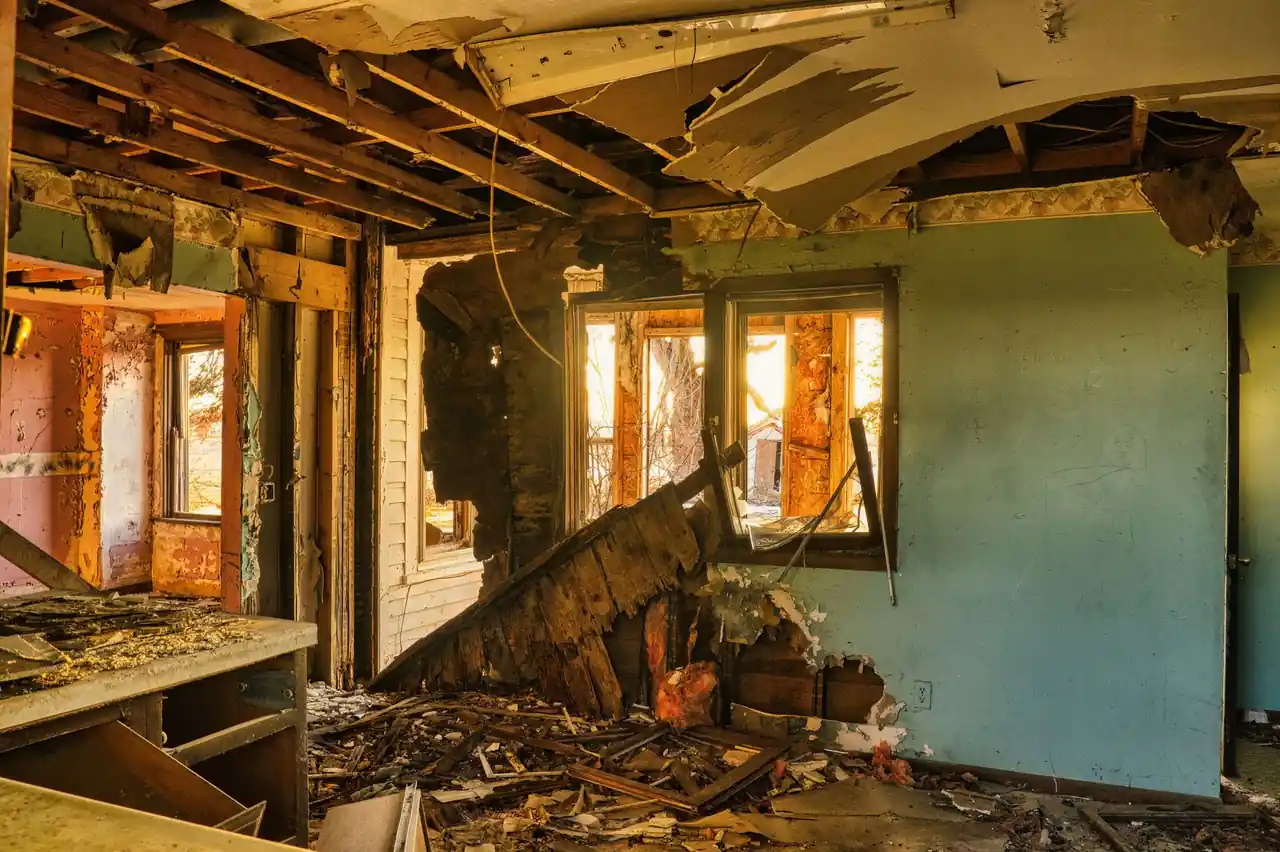
We remove standing water with a wet/dry vacuum and water extraction unit, then cut out sagging or saturated drywall. We treat the framing with antimicrobial solution and set commercial dehumidifiers and air movers. A drying mat protects hardwood floors below. We monitor with a hygrometer each day until the cavity reads dry, usually two to three days.
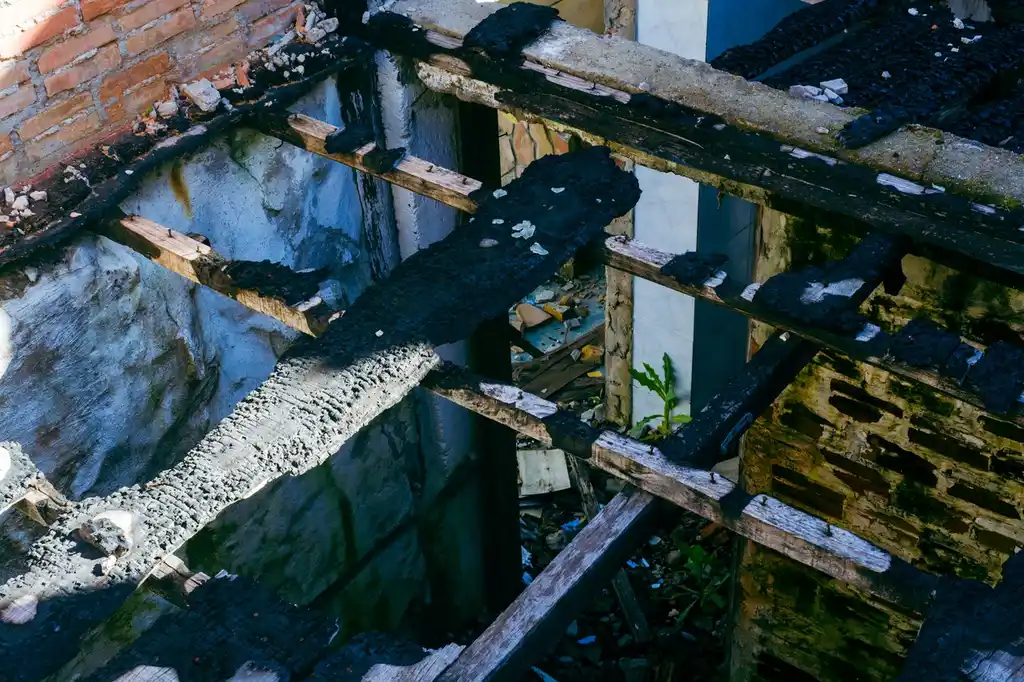
Once the structure is dry, we install new drywall, tape, and mud. We match the existing texture, whether it is smooth, orange peel, or plaster. Then we prime and paint the repaired area to blend with the rest of the ceiling. Most ceilings are ready for paint within 48 hours of the final drying check. You get a clean, flat surface with no visible seam.
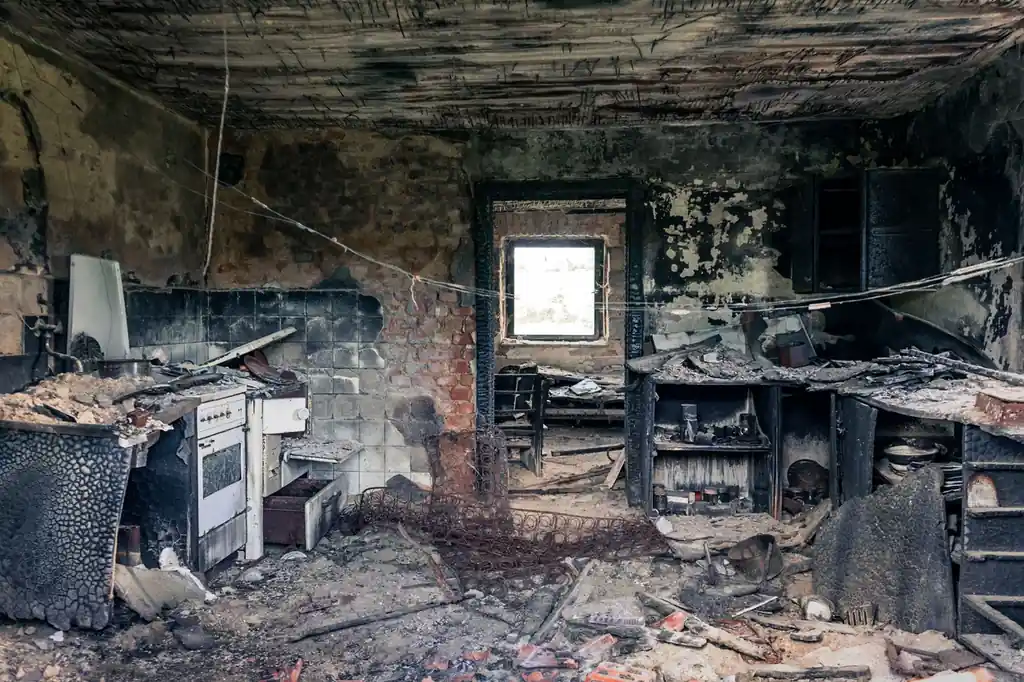
We do a last moisture check, confirm the leak source is documented, and walk the room with you. You get a photo report showing before and after readings. We explain how to watch for future leaks and when to call a plumber or roofer. If you need a ceiling repair company Philadelphia for a follow-up, we are one call away.
Move across a circle, or focus it and press Enter, for an illustrative thermal view of the photograph.
Finds temperature differences that reveal hidden moisture behind ceiling drywall without cutting into it.
Measures moisture content in drywall, wood, and air to confirm when the cavity reaches dry standard.

Lets us look inside the ceiling cavity through a small hole to check insulation and joists for mold or saturation.
Removes moisture from the air so wet ceiling cavities can dry efficiently.
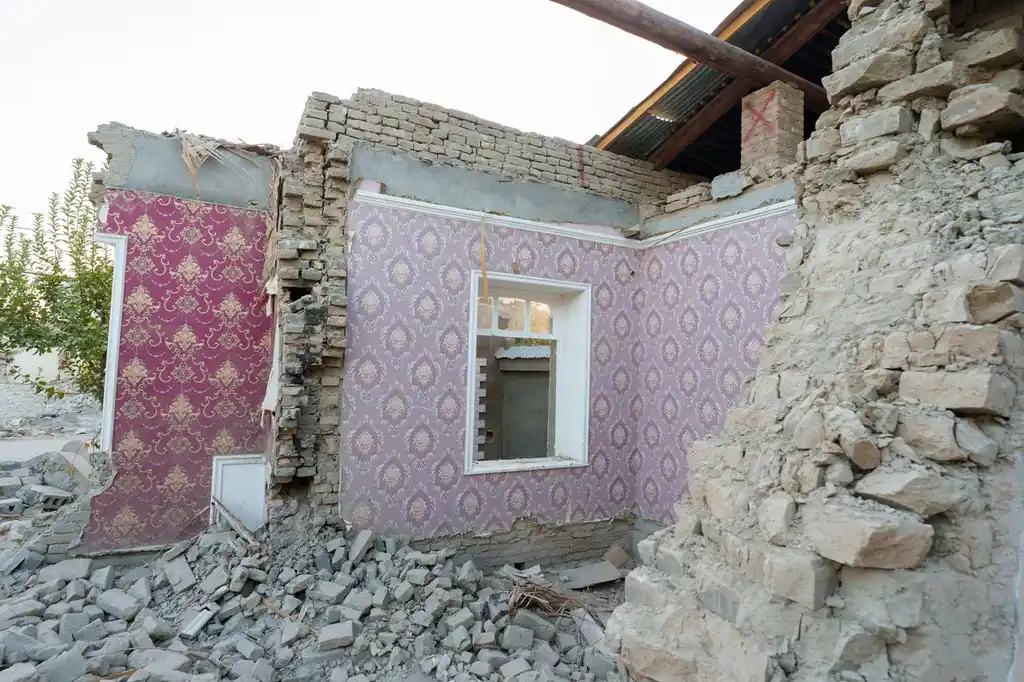
Circulates air across wet surfaces to speed evaporation and prevent secondary damage.
Thermal views are illustrative, generated from the photographs.
Removes mold spores and odors after a ceiling leak, leaving the air clean and safe.
Removes standing water from ceilings and floors before drying equipment is set.
We follow the IICRC S500 standard for water damage restoration, which sets drying goals and monitoring requirements. This is the industry benchmark for ceiling cavity drying and documentation.
We scan the entire ceiling with a thermal imaging camera to find hidden wet areas. This method catches saturation that a visual inspection would miss, preventing mold behind new drywall.
We record moisture readings every day and adjust equipment as needed. The log proves the cavity met dry standard before we close the ceiling. It also supports your insurance claim.
After removing damaged drywall, we apply antimicrobial solution to the framing and surrounding materials. This step inhibits mold growth during the drying process and after the repair.

A pipe bursts in a second-floor bathroom during a January freeze and water pours through the kitchen ceiling.
We shut off the water, extract standing water, and remove the saturated ceiling drywall. Commercial dehumidifiers and air movers dry the joists and subfloor. We treat with antimicrobial solution and monitor daily with a hygrometer.
Outcome: The kitchen ceiling is rebuilt, textured, and painted within four days. The homeowner avoids mold and a much larger repair bill.

A roof leak after a nor'easter leaves a brown stain spreading across a top-floor bedroom ceiling.
We inspect with a thermal imaging camera, document the leak for insurance, and dry the ceiling cavity. We remove the damaged drywall and insulation. Once the roofer repairs the source, we install new drywall and match the texture.
Outcome: The bedroom ceiling looks new and the moisture readings confirm the cavity is dry. The homeowner has photos for the insurance claim.

A washing machine supply line fails in a Center City condo and water drips through the ceiling of the unit below.
We coordinate with both unit owners, extract water, and dry the ceiling cavity in the lower unit. We use a drying mat to protect hardwood floors. The drywall is repaired and painted to match.
Outcome: Both units are dry and repaired within three days. The condo association gets documentation showing the work was done to standard.
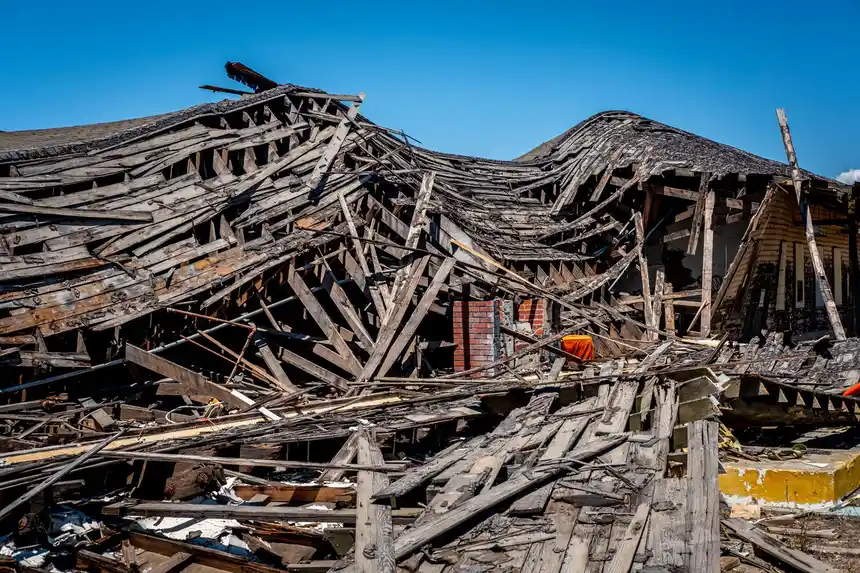
A sump pump fails during a spring storm and basement humidity rises, causing condensation stains on first-floor ceilings.
We extract the basement water, set dehumidifiers, and check the first-floor ceiling with a moisture meter. The ceiling cavity is dried and any stained drywall is repaired. We also inspect for mold growth.
Outcome: The basement is dry, the ceiling stains are gone, and the home's humidity is back to normal. The homeowner schedules a sump pump replacement.
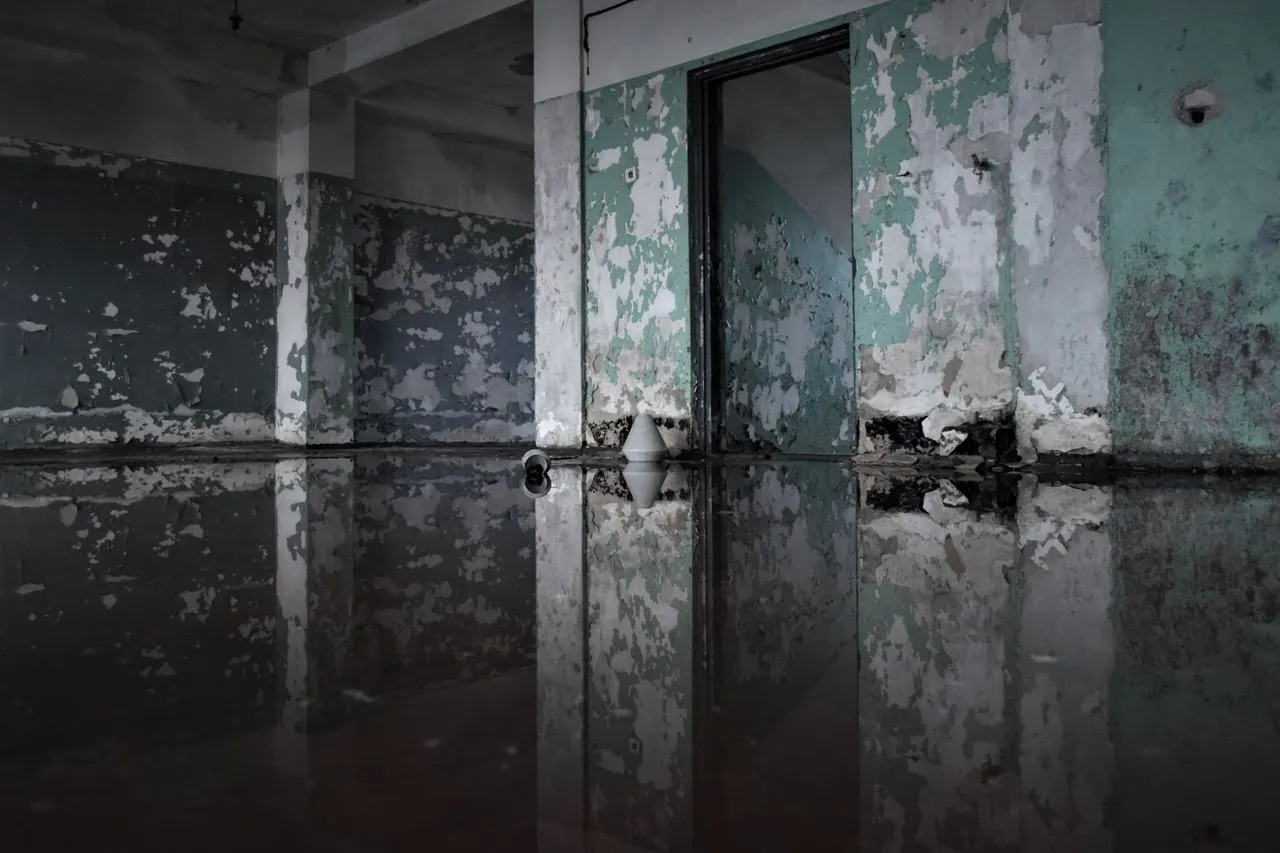
A slow appliance leak behind a refrigerator goes unnoticed for weeks and saturates the ceiling below.
We trace the leak with a boroscope, remove the saturated drywall, and dry the framing. Antimicrobial solution prevents mold. We repair the ceiling and document the source for the appliance repair.
Outcome: The ceiling is restored and the leak is fixed. The homeowner avoids a mold remediation that would have cost several thousand dollars.

Philadelphia's housing stock is older than most cities, and that changes how we approach ceiling water damage repair. Many homes in Center City, Fishtown, and West Philadelphia have plaster ceilings over wood lath. Plaster holds moisture longer than modern drywall, so we extend drying times and monitor with a hygrometer until readings confirm the lath is dry.
Rowhouse construction means a leak in one unit can affect a neighbor, so we document everything carefully. Winter freeze events burst pipes in unheated spaces, while summer storms drive roof leaks. We pull Philadelphia L&I permits when structural repairs are needed and follow EPA Lead-Safe practices in pre-1978 homes. If you need ceiling water damage repair in Philadelphia, Pennsylvania, we know the local quirks.
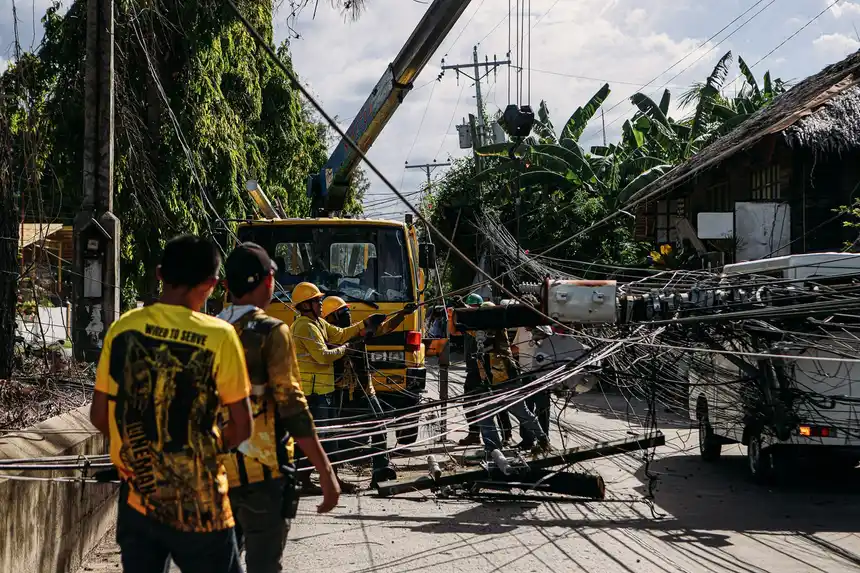
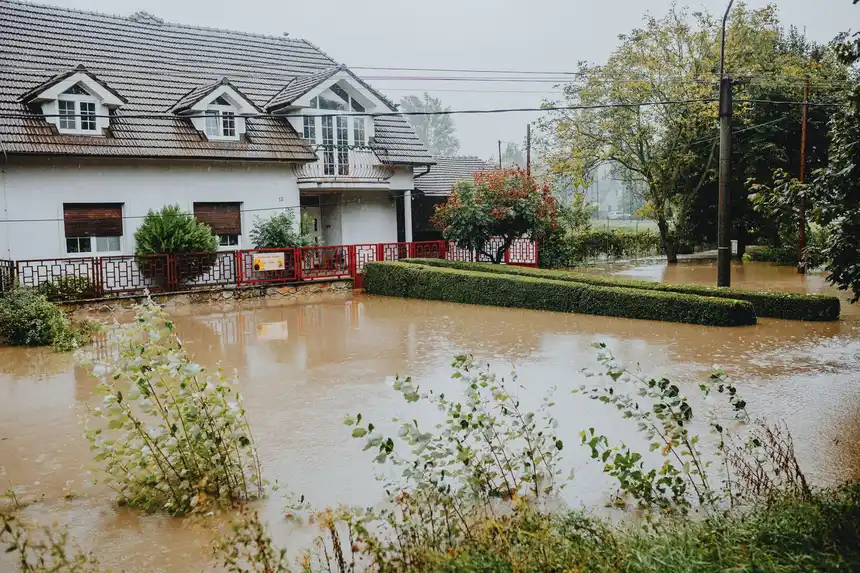
Before: A supply line burst above the kitchen during a January freeze. Water poured through the ceiling, sagging the drywall and soaking the joists. The homeowner had a large brown stain and a musty smell.
After: We extracted the water, removed the sagging drywall, and dried the cavity for three days. New mold-resistant drywall was installed, textured, and painted. Moisture readings confirmed dry standard before we closed it.
The homeowner now insulates the pipe and keeps cabinet doors open during cold snaps. We recommend a yearly moisture check before winter.
Before: A nor'easter drove rain through a missing shingle, staining a bedroom ceiling. The stain grew with each storm and the insulation was saturated. The homeowner worried about mold.
After: We documented the leak for insurance, tarped the roof, and dried the ceiling cavity. After the roofer made repairs, we replaced the drywall and insulation and matched the texture. The ceiling looks new.
The homeowner schedules a roof inspection each spring. We also recommend checking attic insulation for dampness after major storms.
Before: A refrigerator supply line leaked for weeks, staining the ceiling of the unit below. The drywall was soft and the neighbor was upset. The condo association needed documentation.
After: We traced the leak with a boroscope, removed the damaged drywall, and dried the framing. Antimicrobial solution prevented mold. We repaired and painted the ceiling and provided a photo report for the association.
The homeowner replaced the refrigerator line and now checks under the sink and behind appliances monthly. We recommend a moisture meter check after any slow leak.
A ceiling stain is never just a stain. It is a sign that water is moving through your home. Here are the problems we see most often and how we fix them.
A dry, repaired ceiling that looks original and stays mold-free.
Mold can begin growing within 24 to 48 hours of a leak. We extract water, remove saturated drywall, and apply antimicrobial solution the same day. Our HEPA vacuum and ozone generator handle airborne spores when needed. That stops mold growth before it becomes a health issue and a much bigger repair bill.
Sagging drywall usually means the ceiling is holding water. We cut out the saturated section, dry the joists and subfloor above, and rebuild with mold-resistant drywall. Catching it early can save the original plaster in older Philadelphia homes. Waiting can mean replacing the whole ceiling plane.
A ceiling stain is a symptom, not the problem. We trace the leak back to the source, whether it is a burst pipe, appliance leak, or roof leak. We document the source with photos and moisture readings so your plumber or roofer can make the permanent fix. That is how you avoid a second ceiling repair in the same spot.
Most ceiling water damage repair jobs take two to four days from extraction to final coat. We schedule drying checks daily, so you are not waiting on a crew that disappears. Once moisture readings hit dry standard, we patch, texture, and paint. You get your room back without a weeks-long construction project.
What a written scope covers and what shapes it. Prices are set by the business after the first look.
Included
Depends on
Clear records you can keep and share.
Before and after images of the ceiling
Daily moisture readings recorded
Written scope and pricing
Final review with the homeowner
Not every ceiling stain means the same level of damage. Here is how we classify what we find.
Water touched the paint but not the drywall core.
Water soaked through the drywall into the cavity.
Joists and insulation are wet and need extended drying.
A list like this tells people straight away whether you cover their street. Not listed? Call and ask: it only takes a minute.
Based in Philadelphia and covering the places around it. Pick one for local details.
A small stain with no sagging may only need drying and paint. A larger leak that requires drywall removal, new insulation, and texture matching costs more. We provide a written estimate before work starts, and we bill insurance directly when your policy covers the damage.
Water Damage Restoration Philly repairs ceilings across Philadelphia County, from Center City rowhouses to Northeast Philadelphia homes. We handle water extraction, structural drying, drywall replacement, texture matching, and painting. Call 215-281-3000 and we will schedule an inspection, usually the same day.
Most homeowner policies cover sudden ceiling water damage from a burst pipe, appliance leak, or storm-driven roof leak. Damage from long-term neglect or repeated seepage is often excluded. We document moisture readings and photograph the source to support your claim. We prepare an Xactimate estimate and work with your adjuster. Call us before you file so we can help you present the damage accurately.
A typical ceiling water damage repair in Philadelphia takes two to four days. Day one is extraction and equipment setup. Days two and three are drying checks with a hygrometer and moisture meter. Once the cavity reads dry, we repair drywall, texture, and paint, usually within 48 hours. Larger jobs with mold remediation or structural repairs can take five to seven days.
Other services from the same team.
Water is still spreading above your ceiling. Call 215-281-3000 now and we will dispatch a crew with extraction and drying equipment. Same-day service across Philadelphia County.
Call 215-281-3000 any time, day or night. We answer live, ask what happened, and dispatch a crew. If you prefer email, send photos and your address to info@waterdamagerestorationphilly.com and we'll respond within the hour. Most Philadelphia calls get a technician on-site within 60 to 90 minutes.