For homes
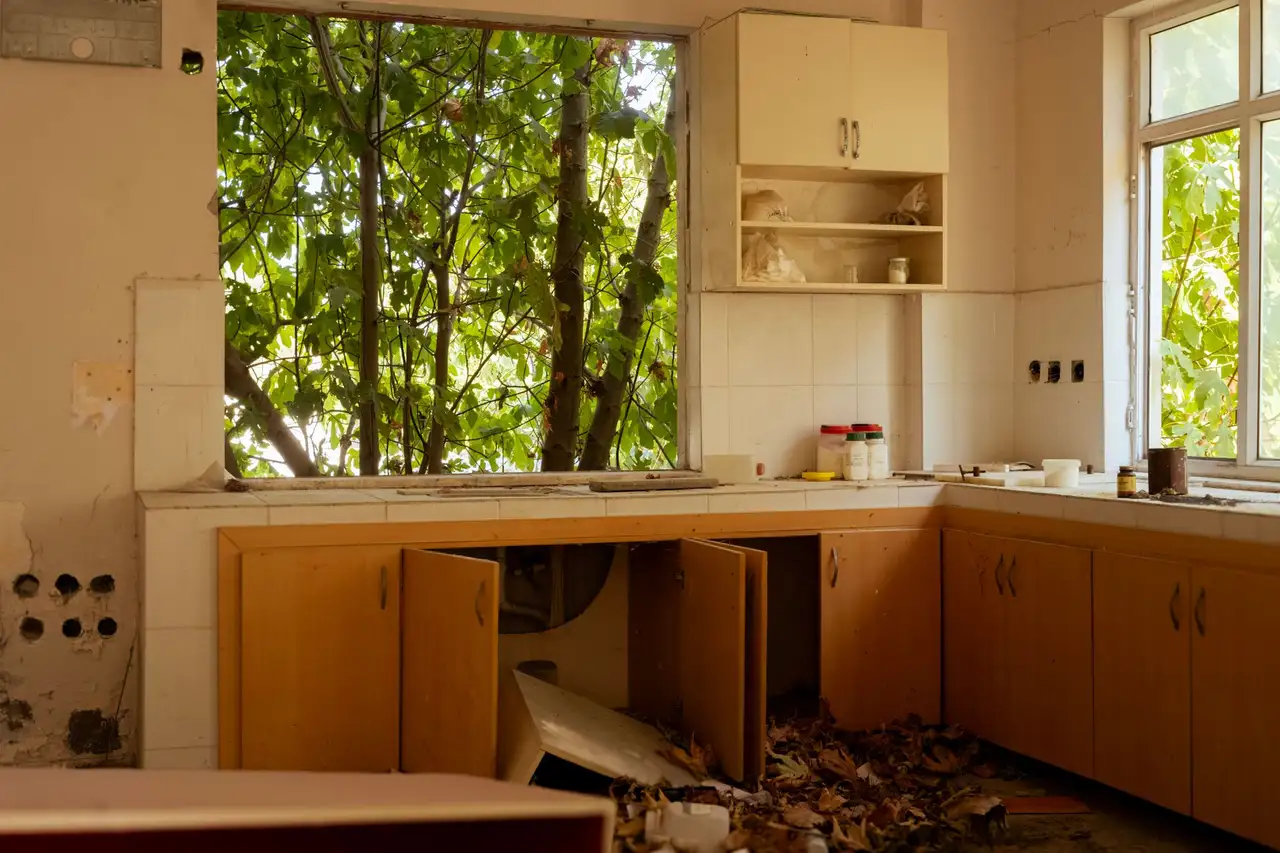
We dry basements, kitchens, and bathrooms in Philadelphia rowhouses and twins. You get a clear scope before equipment goes in.
- Burst pipe under sink
- Sump pump failure
- Sewage backup in basement
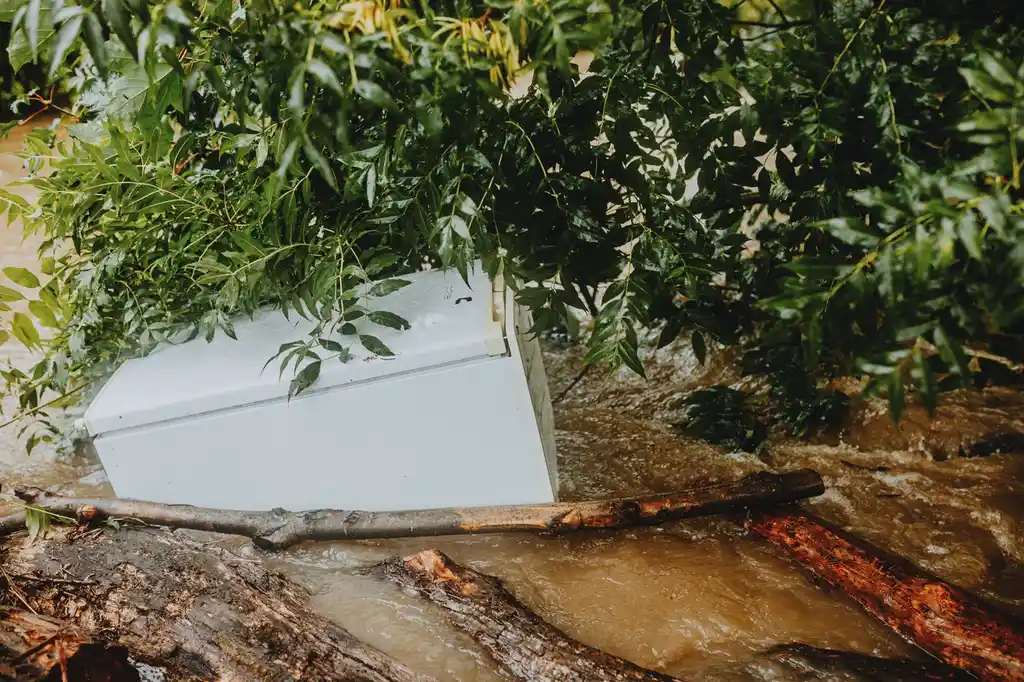
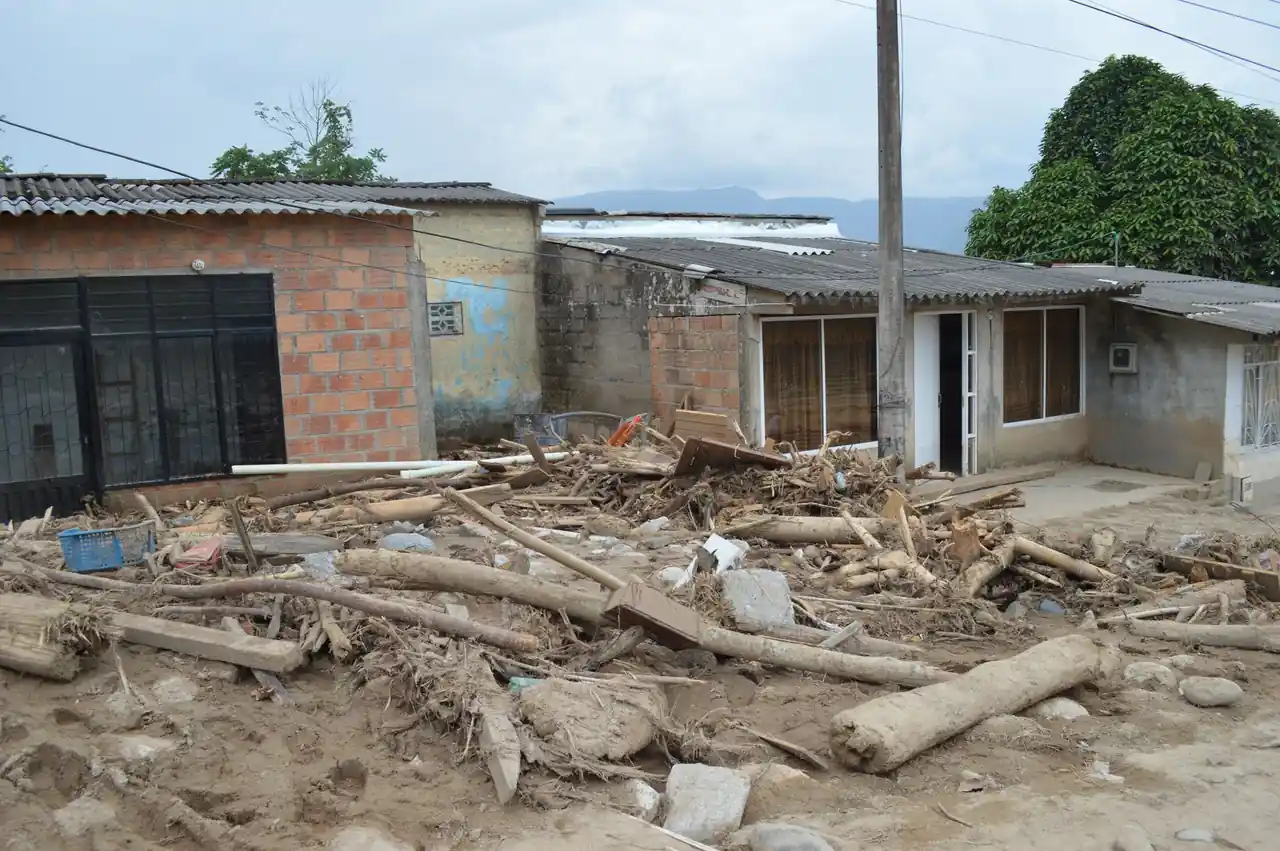
When a burst pipe, sewage backup, or sump pump failure floods your basement, flood damage cleanup Philadelphia PA needs to start within hours, not days. Our crews run emergency flood cleanup Philadelphia for rowhouses in Fishtown, twins in Mayfair, and commercial spaces in Center City. We extract standing water, dry the structure, and document everything your insurance adjuster will ask for.
 Moisture mappingExtraction firstDaily drying logs
Every flood damage cleanup in Philadelphia, Pennsylvania starts with a full inspection and a written scope. Here is what is covered in a standard job, and where additional work may be needed depending on what we find behind the walls.
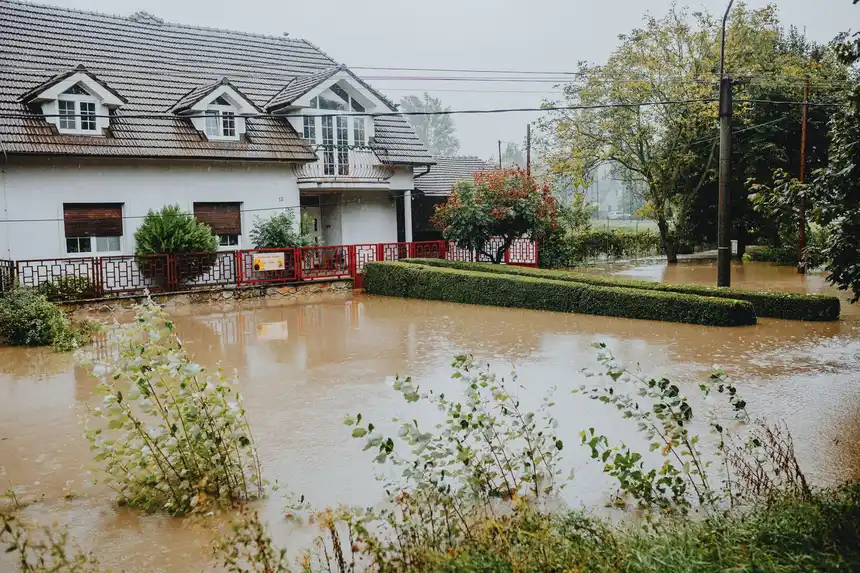
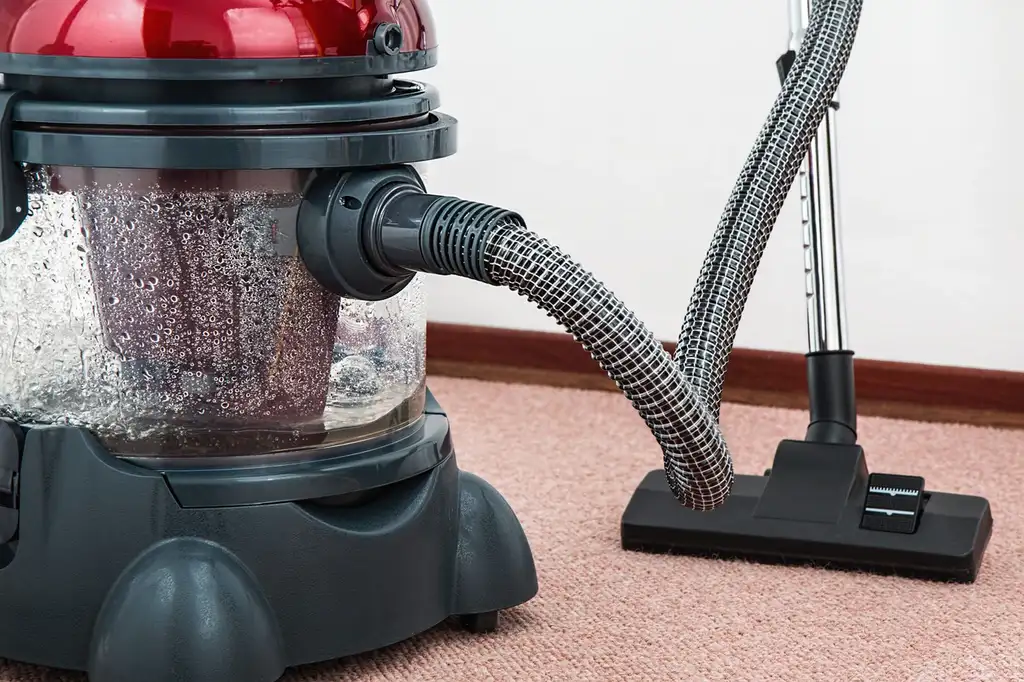
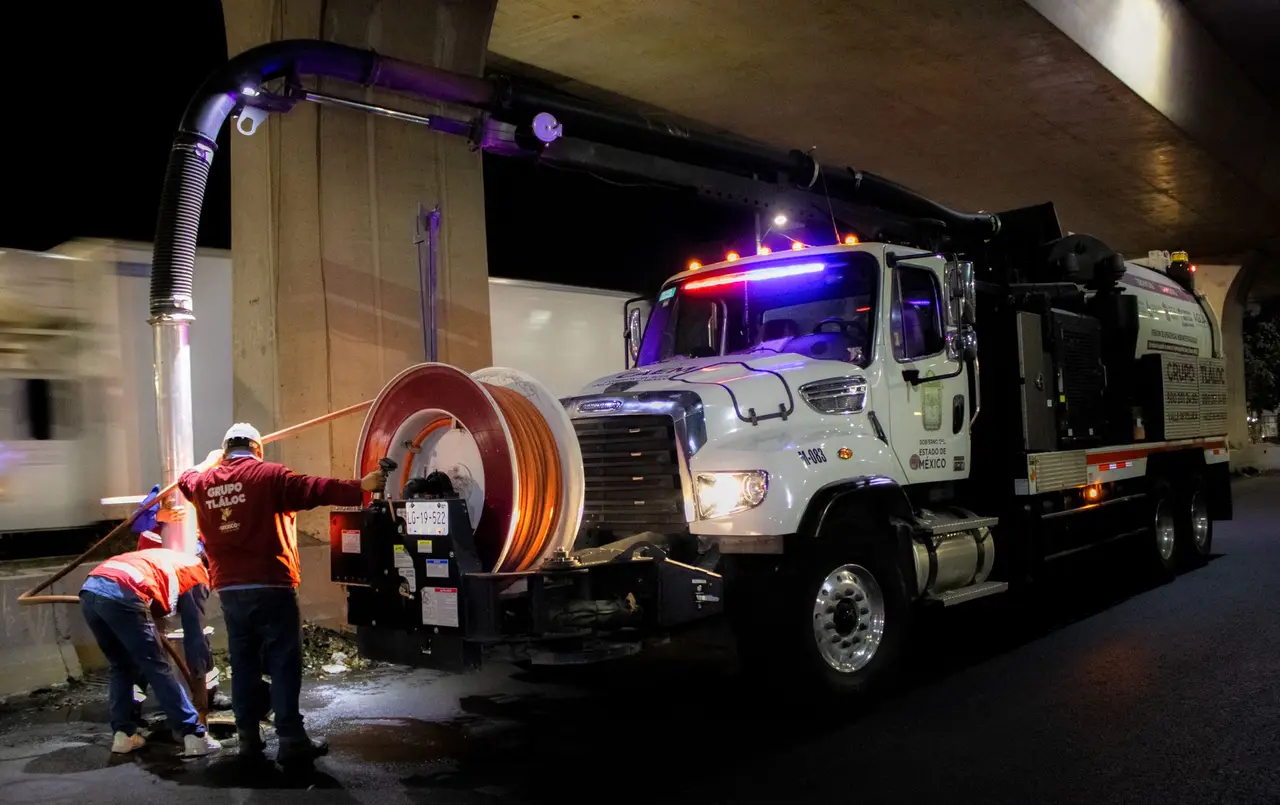
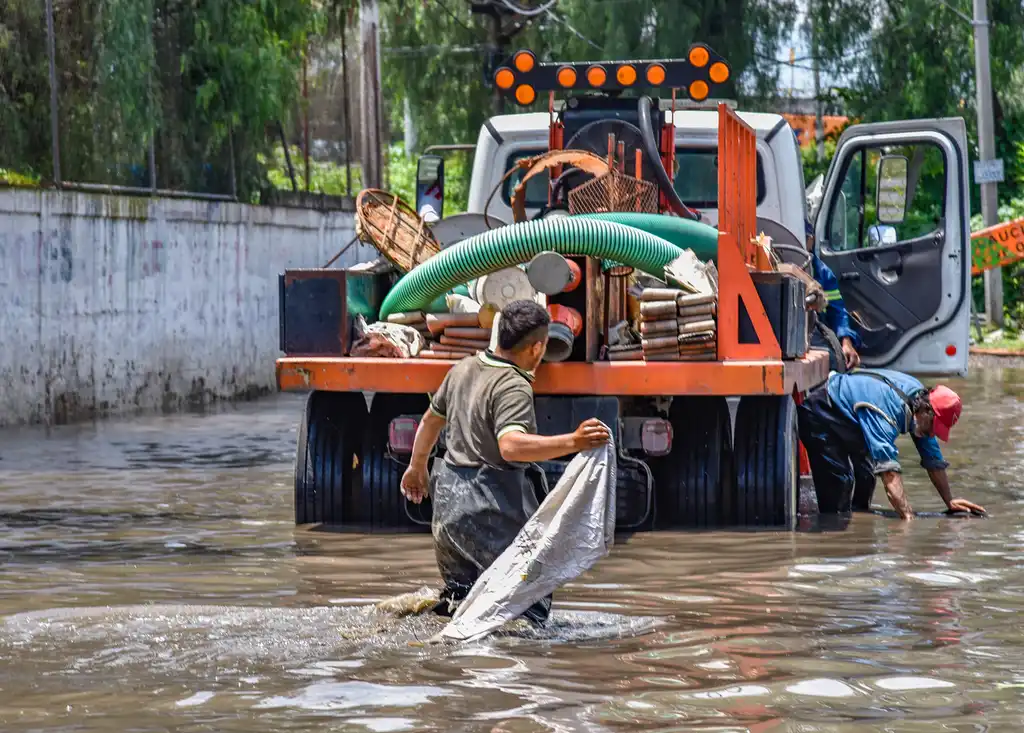
Truck-mounted extraction units and wet/dry vacuums remove standing water from basements, crawl spaces, and living areas. We pull water fast to limit how far it spreads into subfloor, drywall, and adjacent rooms.
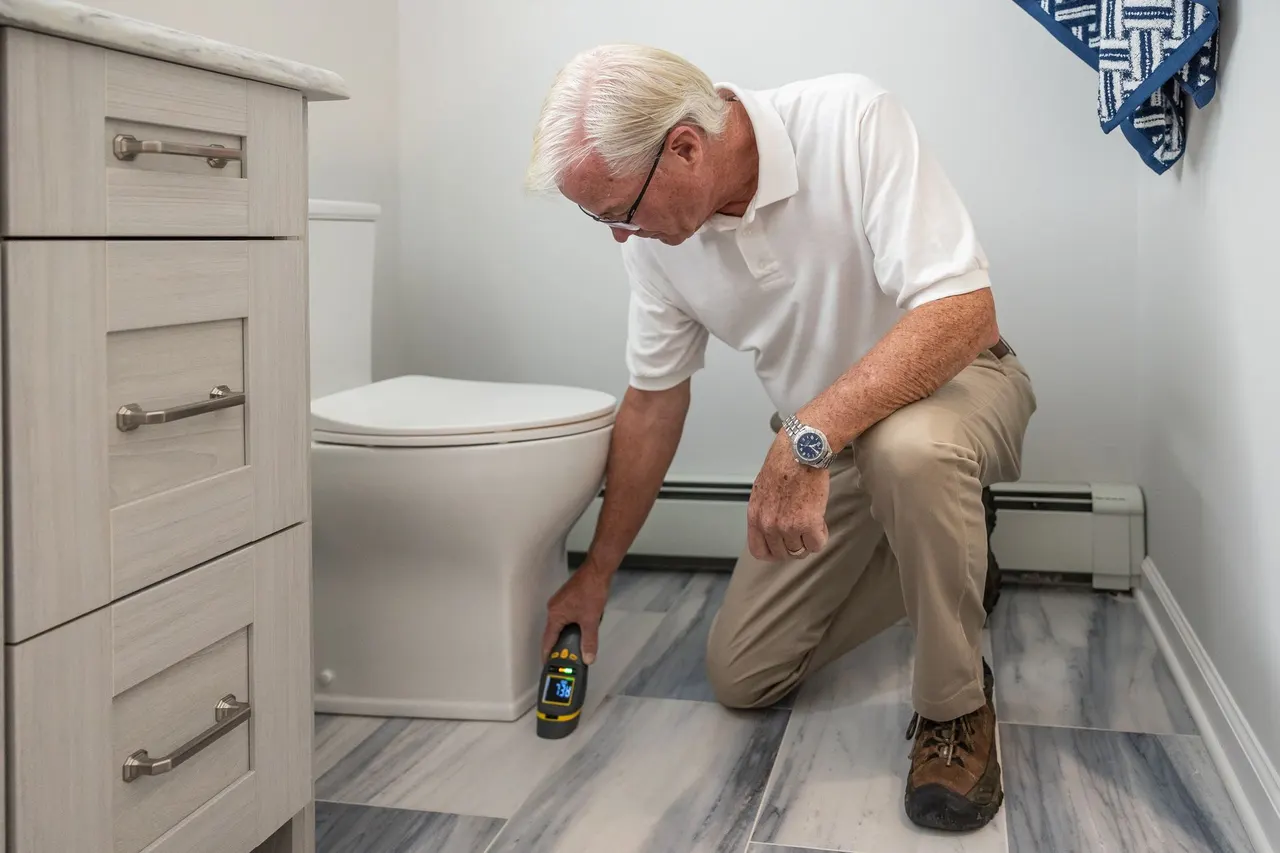
We use moisture meters, thermal imaging cameras, hygrometers, and boroscopes to find hidden water behind walls, under floors, and inside cavities. The inspection report shows exactly where the wet footprint starts and stops.
Commercial dehumidifiers and air movers are positioned to dry walls, floors, and cavities. We return daily to check readings and adjust equipment until materials hit IICRC S500 dry standard.
After extraction and removal, we apply antimicrobial solution to framing, subfloor, and cavity surfaces. This slows mold growth while the structure dries, which matters in Philadelphia's humid summers and damp basements.
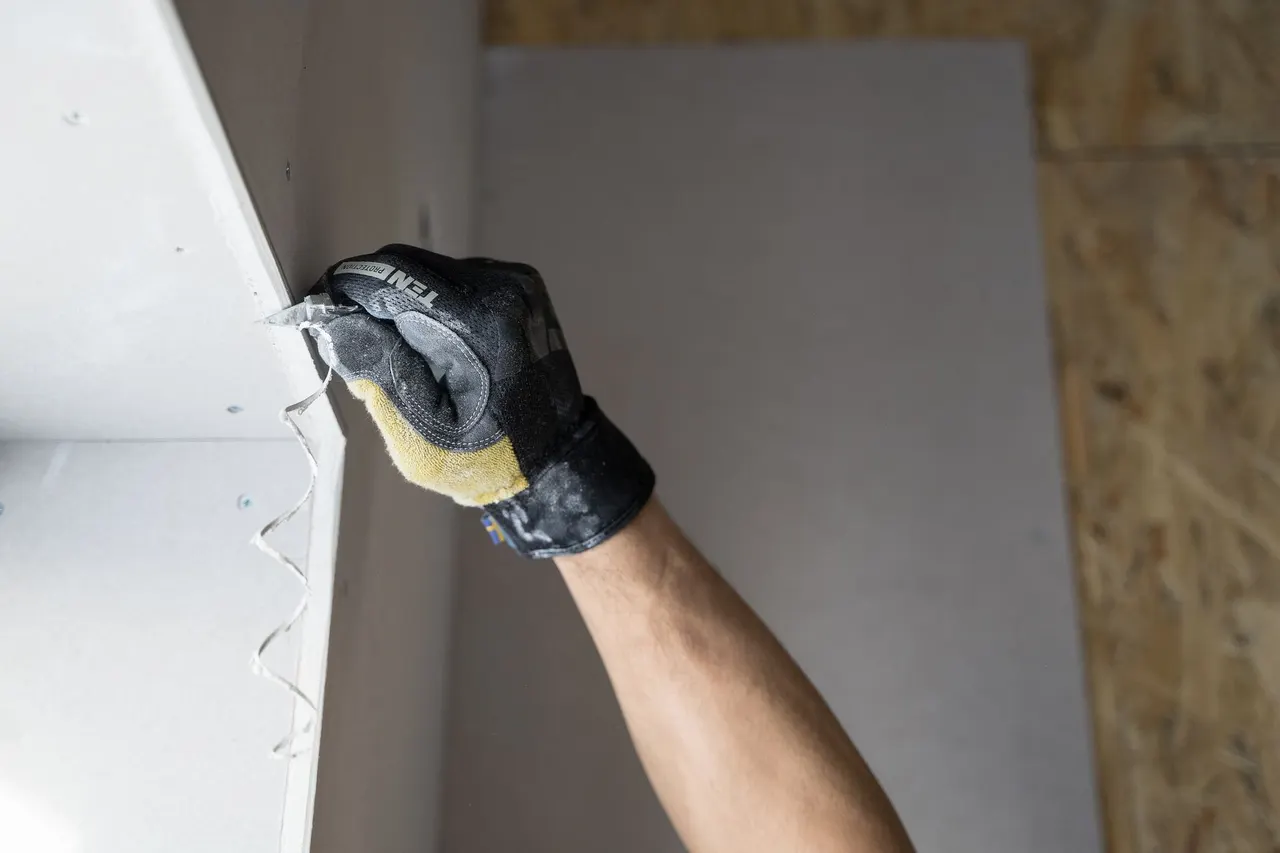
Saturated carpet padding, ruined drywall, and unsalvageable insulation come out. We bag and dispose of debris, set plastic sheeting to contain dust, and protect unaffected rooms during teardown.
You get photos of affected materials, a moisture log, a sketch of the loss area, and an Xactimate scope. We send the same package to your adjuster so the claim moves faster and nothing gets missed.
The approach is the same for a home and a business. What changes is the access, the schedule and who needs the paperwork.
We dry basements, kitchens, and bathrooms in Philadelphia rowhouses and twins. You get a clear scope before equipment goes in.
We work after hours to keep restaurants, offices, and retail spaces on schedule. Loss areas are contained and documented for your carrier.
A plain-language look at what Flood Damage Cleanup involves and when it is needed.
See how it worksFlood damage cleanup Philadelphia PA is the physical work of removing standing water, drying wet materials, and stopping secondary damage before it spreads. It is not a shop-vac job. We use truck-mounted water extraction units and wet/dry vacuum systems to pull hundreds of gallons out of basements and crawl spaces, then place commercial dehumidifiers and air movers to dry the structure to IICRC S500 standards. A moisture meter and thermal imaging camera tell us where water traveled behind drywall and under hardwood flooring, so we dry the whole footprint, not just the visible puddle.
Philadelphia flooding rarely comes from one source. In 2026 we still see the same calls every week: a burst pipe in a 1920s rowhouse in Kensington, a sewage backup after a heavy storm in South Philadelphia, a sump pump failure during a spring downpour in Roxborough. Older housing stock means galvanized supply lines, clay sewer laterals, and stone foundations that hold moisture longer than modern construction. That is why flood cleanup Philadelphia has to account for the building, not just the water.
Flood cleanup is extraction, drying, and documentation done in the right order.
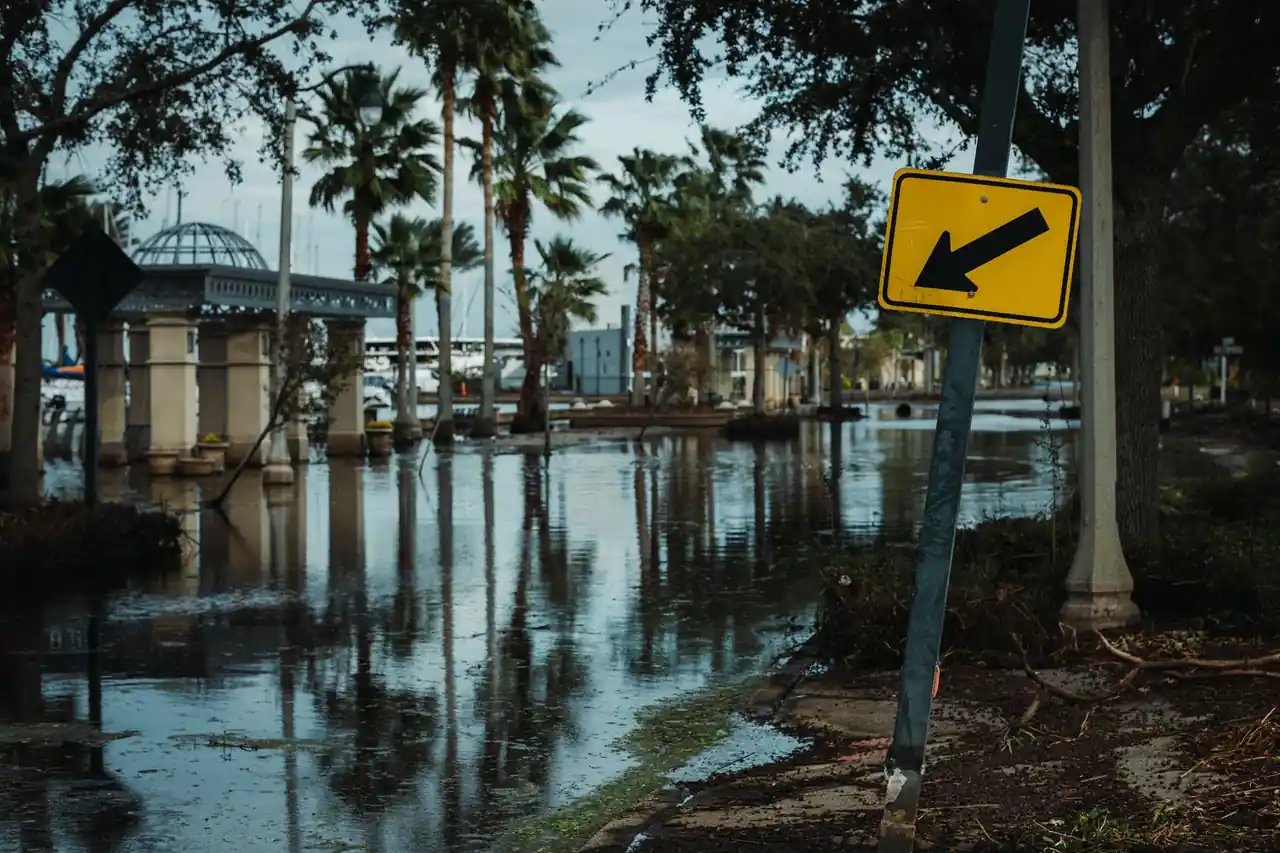
Every flood damage cleanup in Philadelphia, Pennsylvania follows the same five stages. You will know what is happening, who is doing it, and what it costs before we start.
You call 215-281-3000 and describe what happened. We ask about the water source, how deep it is, and whether sewage is involved. That tells us what equipment to load and whether you should shut off the water or gas before we arrive. We give you a realistic arrival window and a ballpark price range on the phone.
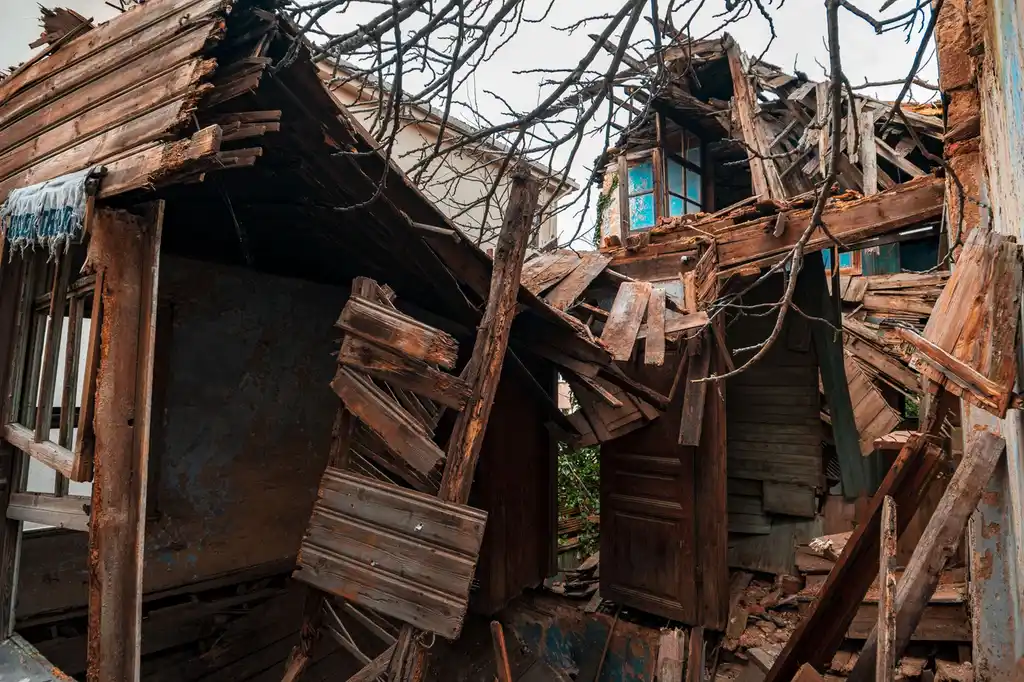
A technician walks the property with a moisture meter, thermal imaging camera, and hygrometer. We map the wet footprint, check behind walls with a boroscope, and identify the water category. You get a written scope and an upfront price before any equipment is unloaded. No surprises later.
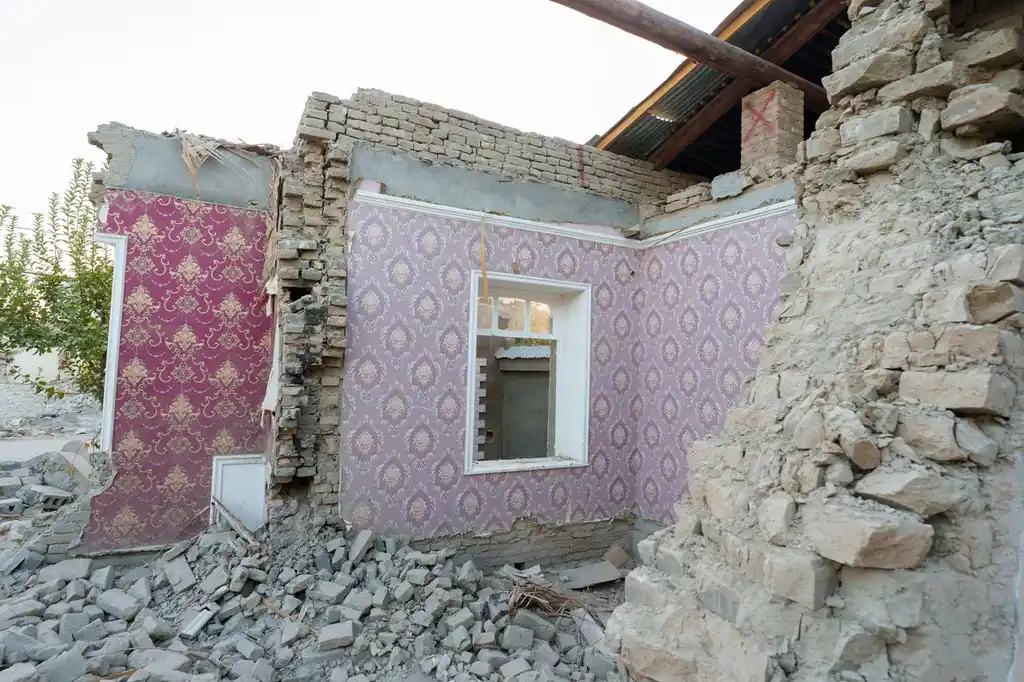
We pull standing water with truck-mounted extraction units and wet/dry vacuums. Saturated carpet padding, ruined drywall, and unsalvageable insulation come out. We set plastic sheeting to contain dust and protect unaffected rooms. This stage usually takes two to six hours depending on volume.
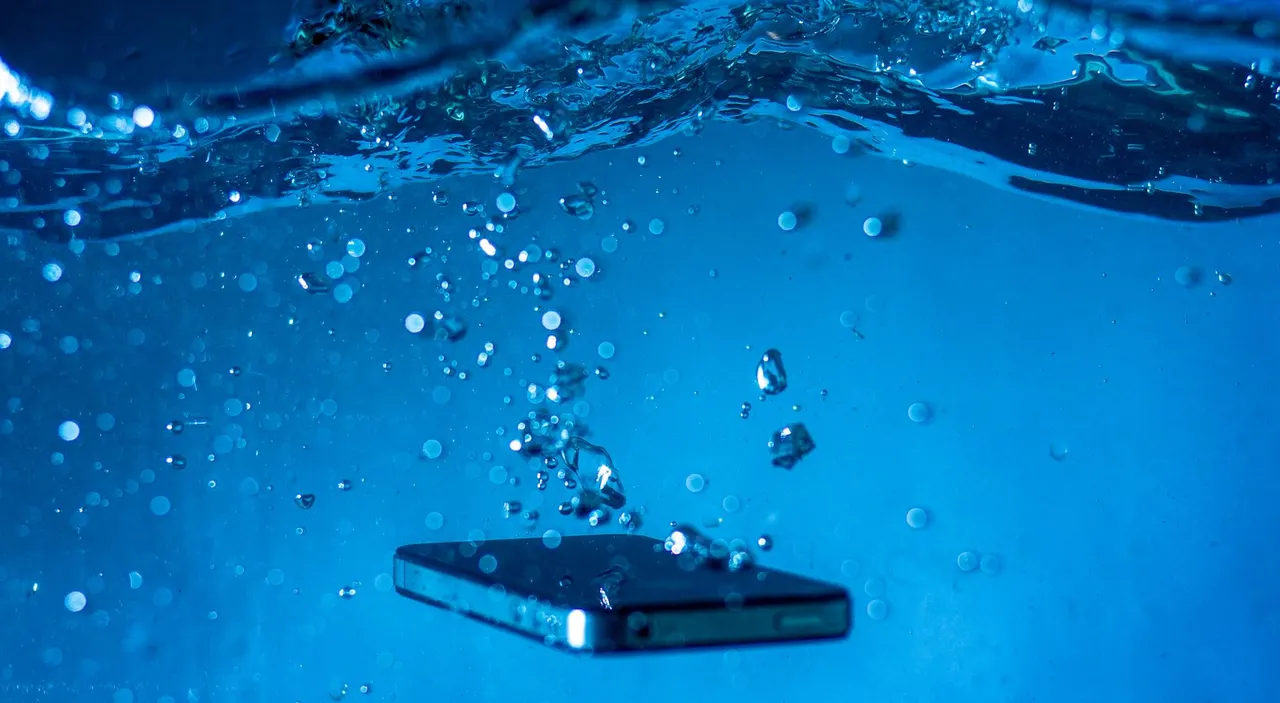
Commercial dehumidifiers and air movers go in, positioned to dry walls, floors, and cavities. We return daily to check moisture readings and adjust equipment. Most residential jobs dry in three to five days. Structural drying stops when readings match dry standard, not when the floor feels dry to the touch.
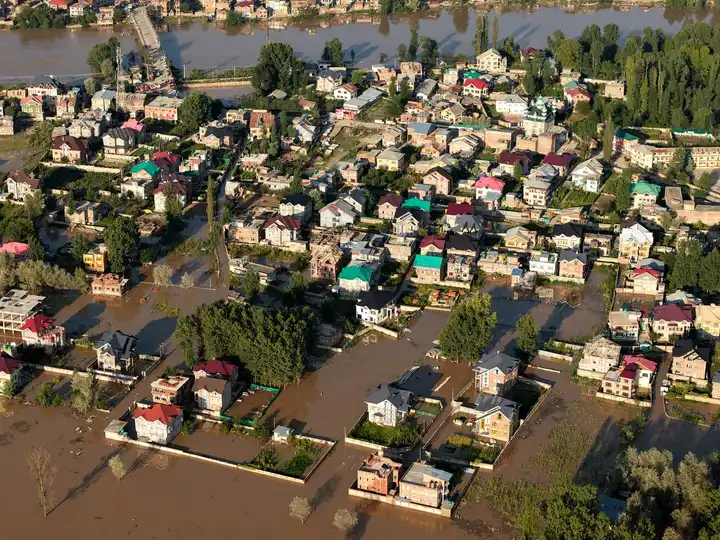
We pull equipment, confirm final moisture readings, and walk the property with you. You receive a photo report, drying log, and scope of work for your records. If repairs like drywall or flooring replacement are needed, we hand off a clear punch list so you know exactly what comes next.
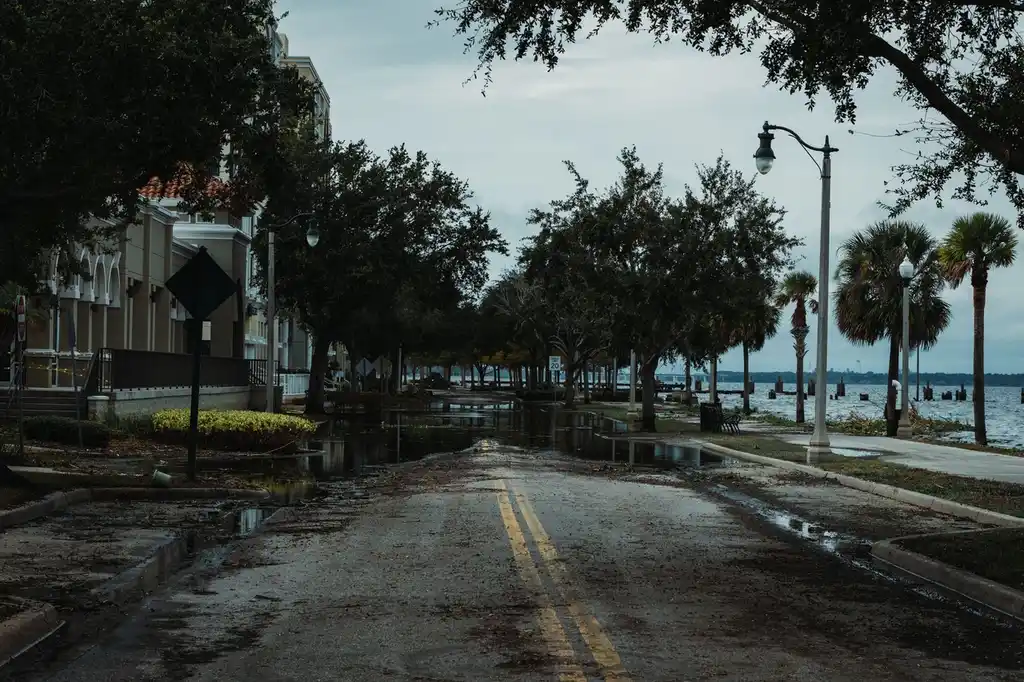
Move across a circle, or focus it and press Enter, for an illustrative thermal view of the photograph.
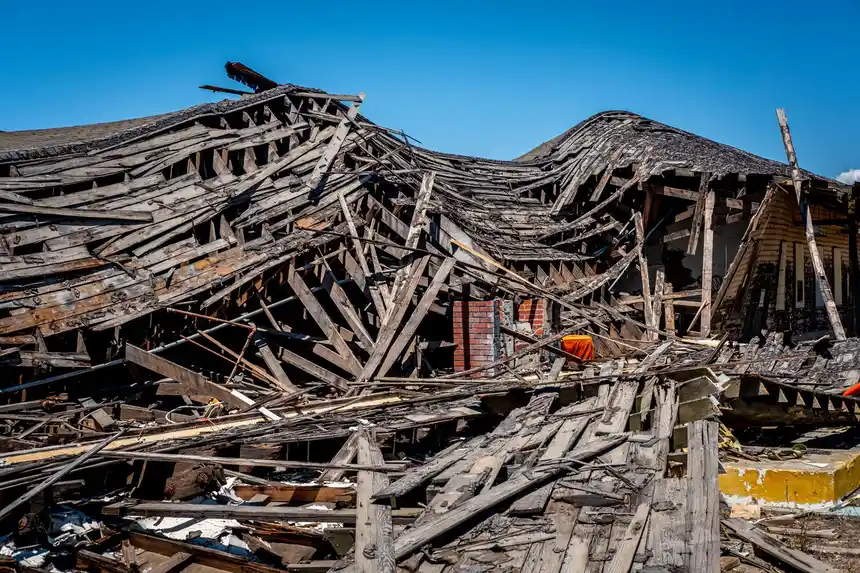
Pulls hundreds of gallons of standing water from basements and living areas faster than portable units. Essential for category 3 sewage backups where volume is high.
Removes moisture from the air and materials during structural drying. We size the unit to the cubic footage of the affected space, not one-size-fits-all.
Create airflow across wet surfaces to speed evaporation. Positioned to dry walls, floors, and cavities evenly, with daily adjustments based on moisture readings.
Reveals temperature differences that indicate hidden moisture behind drywall, under flooring, and inside ceiling cavities. Finds water you cannot see.
Measure moisture content in materials and relative humidity in the air. Daily readings track drying progress and confirm when the structure hits dry standard.
Thermal views are illustrative, generated from the photographs.
A camera on a flexible probe that lets us inspect inside wall cavities and under cabinets without tearing everything open. Confirms whether hidden moisture is present.
Ozone eliminates odors at the source after sewage or long-standing water. HEPA vacuums capture fine debris and mold spores during cleanup and removal.
The industry standard for water damage restoration. It defines water categories, drying goals, and documentation requirements. We follow it on every job so the work is defensible and insurance-ready.
We map the wet footprint with meters and thermal imaging before placing equipment. This ensures we dry the whole affected area, not just the visible puddle, and prevents mold from growing in missed spots.
Every monitoring visit gets logged with moisture readings, equipment placement, and humidity levels. The log proves the structure dried to standard and supports your insurance claim if questions come up later.
We build line-item scopes in Xactimate, the platform most carriers use. Adjusters process claims faster when the documentation matches their format, which means you get reimbursed sooner.
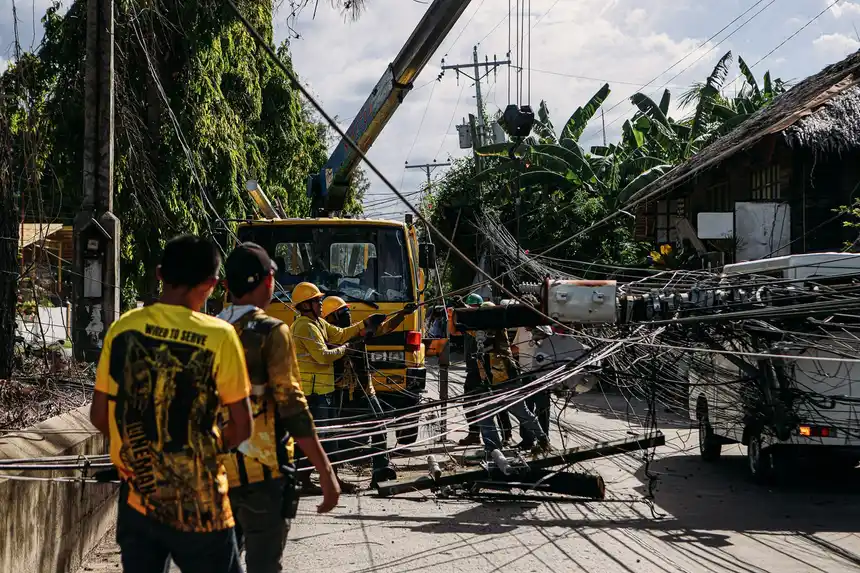
A pipe bursts overnight in a 1920s rowhouse in Port Richmond and water runs down through the ceiling into the first floor.
We shut off the water, extract from both floors, and open the ceiling where water pooled. Thermal imaging maps the path water took through the joists so we dry the whole structure, not just the visible damage.
Outcome: The ceiling and walls dry to standard in four days, and the homeowner has documentation showing the full extent of the loss for insurance.
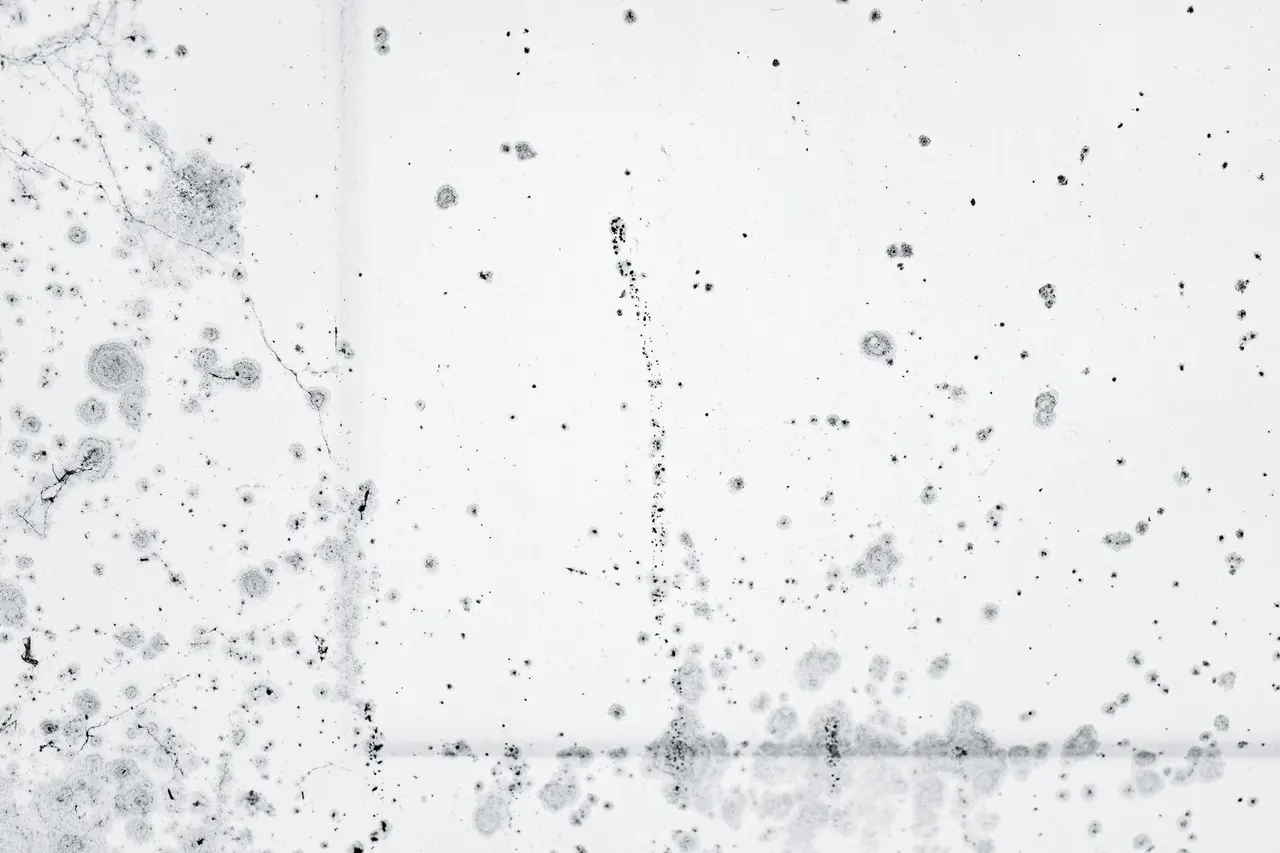
A sump pump fails during a spring storm and a finished basement in Roxborough takes on three inches of water.
We extract the standing water, pull saturated carpet and padding, and set dehumidifiers and air movers. We check the stone foundation walls with a moisture meter because they hold water longer than concrete.
Outcome: The basement dries in five days, and the homeowner knows exactly what to fix on the pump before the next storm.
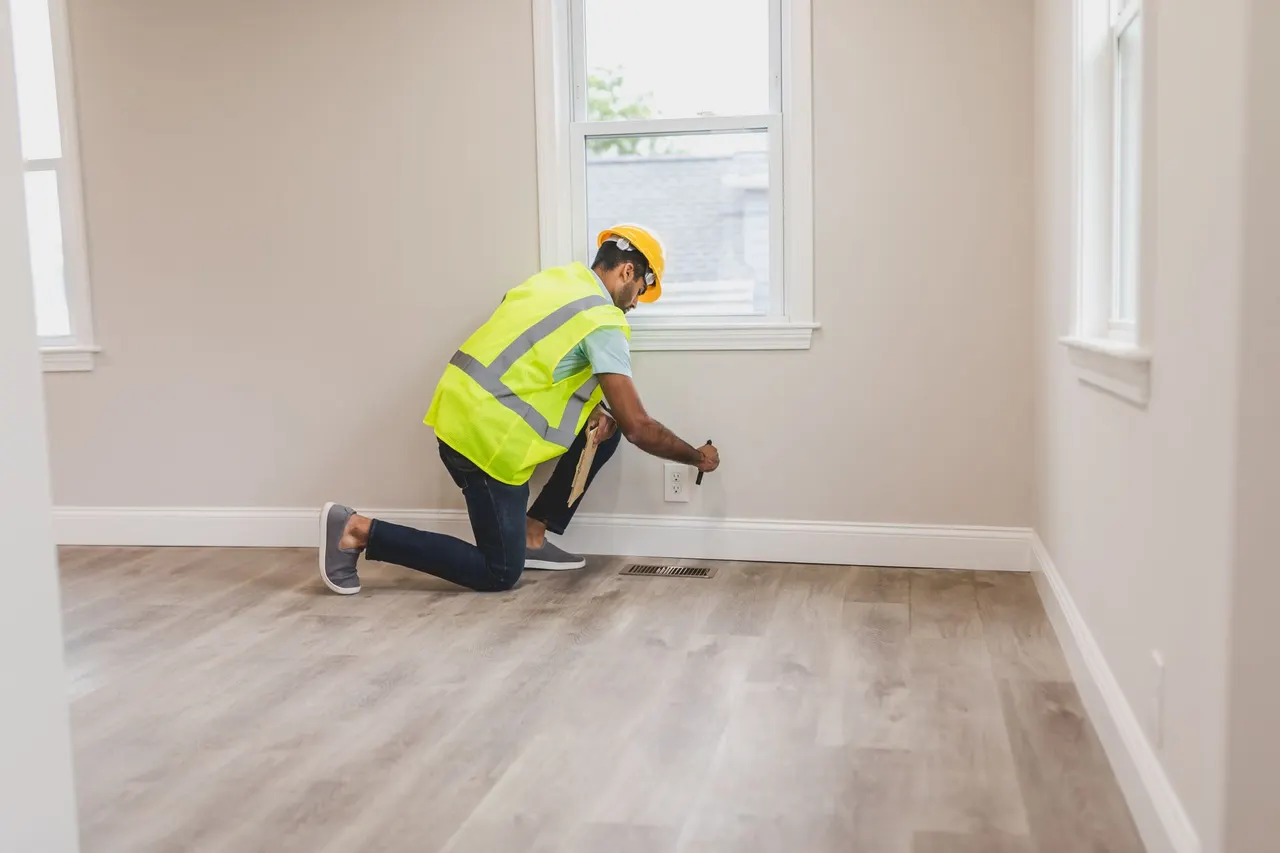
A restaurant in Center City has a supply line fail under a prep sink on a Friday night, flooding the kitchen and dining area.
We work overnight to extract water, contain the loss area, and set drying equipment. We coordinate with the property manager and document everything for the commercial insurance claim.
Outcome: The restaurant reopens Monday with dry floors and a complete loss report for the carrier.
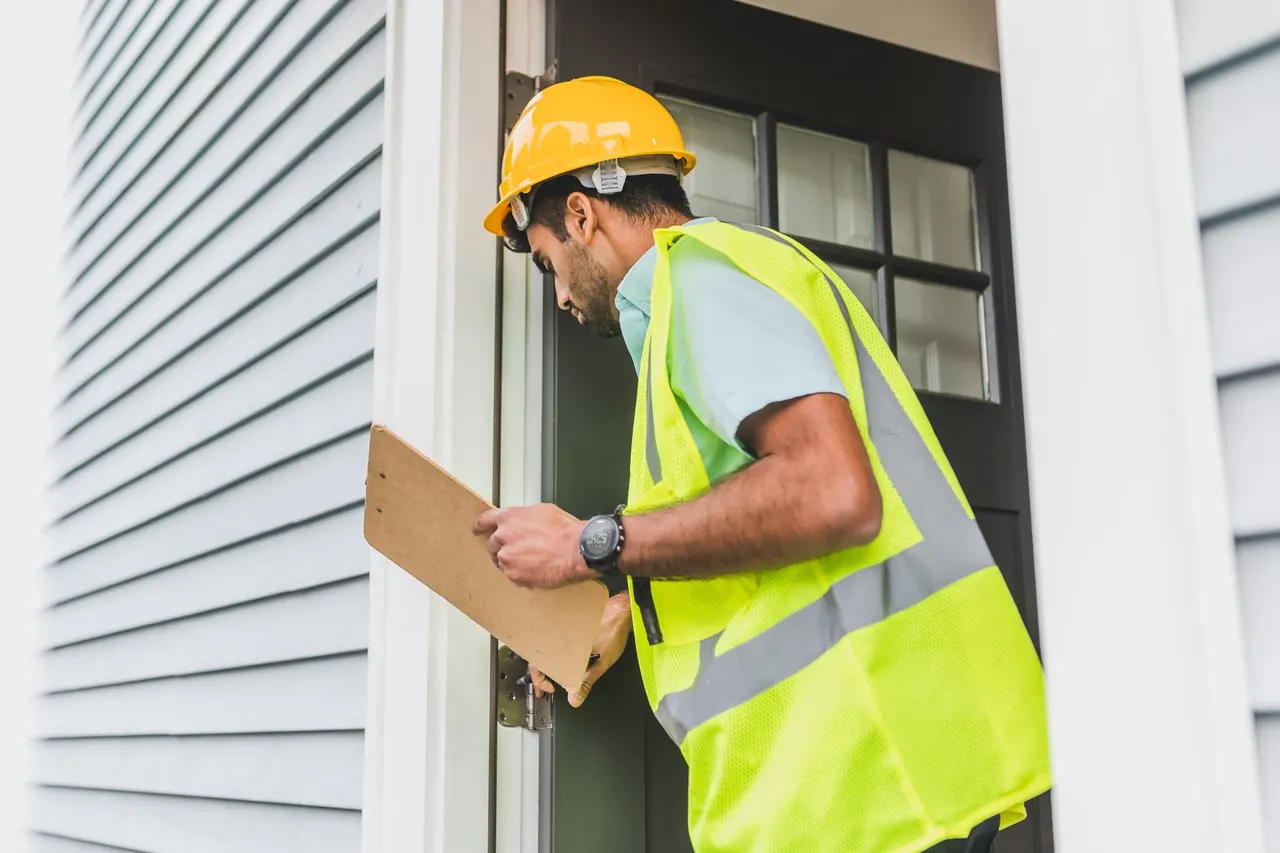
A toilet supply line breaks in a second-floor bathroom in Mayfair and water soaks through the ceiling into the kitchen below.
We extract from both floors, remove wet ceiling drywall, and dry the joists and subfloor. A boroscope checks inside the wall cavity for moisture that traveled down from the bathroom.
Outcome: Both rooms dry in four days, and the ceiling repair is scoped so the homeowner knows what comes next.
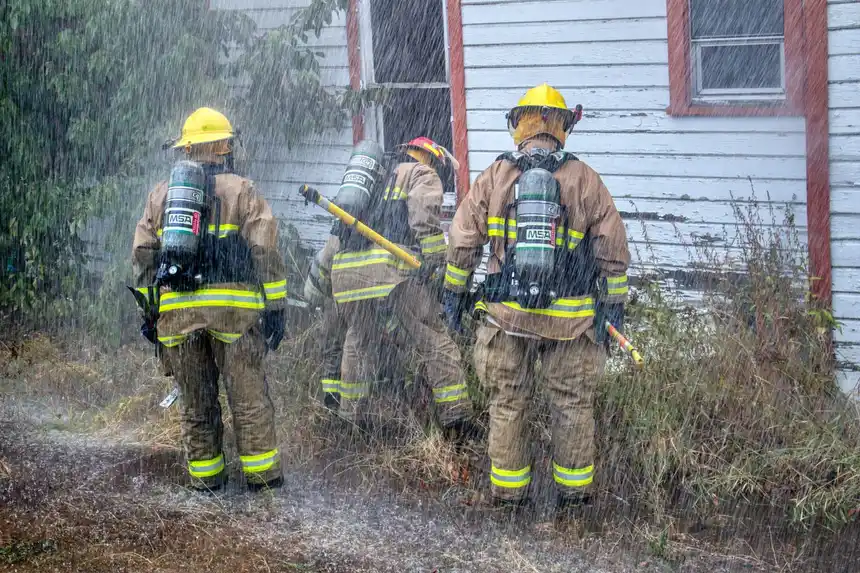
A storm pushes water through a failing roof in Chestnut Hill, soaking insulation and staining ceilings in two rooms.
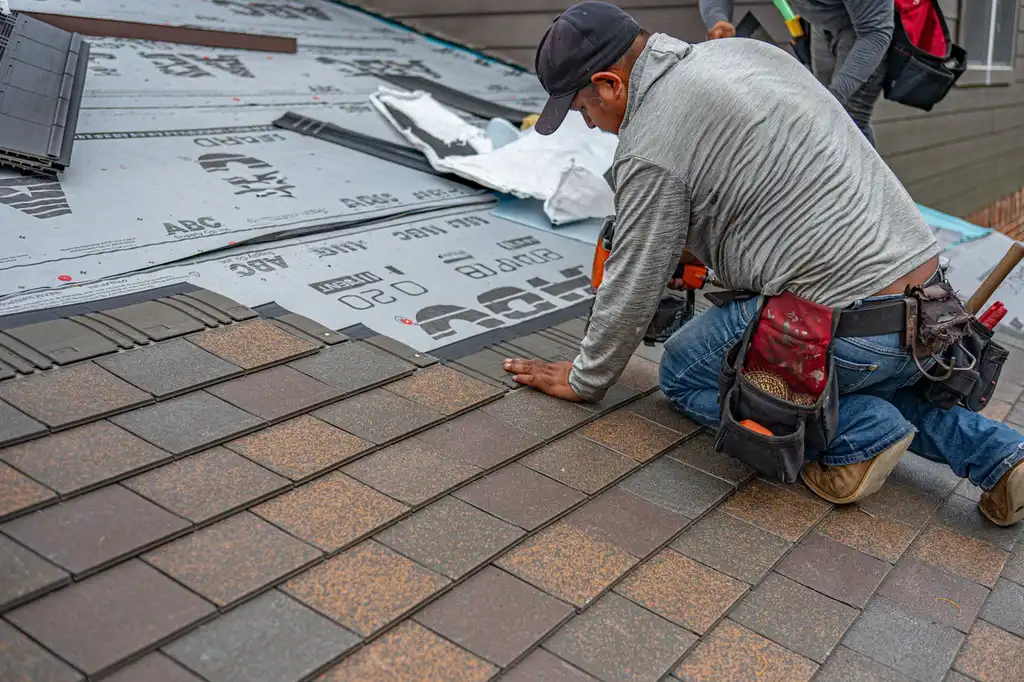
We tarp the roof, extract water, and remove saturated insulation and drywall. Thermal imaging confirms the framing is dry before we close the job.
Outcome: The interior dries in three days, and the homeowner has a clear scope for roof and ceiling repairs.
Philadelphia flooding follows the building stock. Rowhouses share walls, so water from a burst pipe in one unit can travel into a neighbor's ceiling before anyone notices. Stone foundations in older neighborhoods hold moisture longer than poured concrete, and clay sewer laterals back up during heavy rain. We account for all of it. Our crews carry the equipment to dry plaster walls, stone foundations, and original hardwood floors, not just modern construction. We also know the permits.
Before: A supply line failed overnight and water ran down through the ceiling into the first floor. Carpet was soaked, ceiling drywall was sagging, and the homeowner had no idea how far the water traveled.
After: We extracted 60 gallons, removed saturated carpet padding and ceiling drywall, and dried the joists and subfloor in four days. Moisture readings confirmed the structure hit dry standard before we pulled equipment.
Replace the failing supply line and check the other fixtures on the same run. Keep the drying log for your records in case the insurance claim gets reviewed later.
Before: A storm overwhelmed the sewer lateral and pushed category 3 water into a finished basement. Carpet, padding, and the bottom two feet of drywall were contaminated and had to come out.
After: We removed contaminated materials, treated the framing and concrete with antimicrobial solution, and dried the space in five days. The homeowner had a complete loss report for the insurance claim.
Have the sewer lateral inspected and consider a backwater valve. Keep the basement floor drain clear so the next storm does not repeat the backup.
Before: The sump pump died during a spring storm and three inches of water covered the basement floor. Stone foundation walls were saturated and the finished paneling was wicking water upward.
After: We extracted the standing water, removed wet paneling, and dried the stone walls and framing in five days. The homeowner knew exactly what failed on the pump before the next storm.
Test the sump pump monthly and install a battery backup. Keep the discharge line clear of debris so it does not freeze or clog in winter.
Flooding in Philadelphia looks different depending on the building. A rowhouse in Kensington floods differently than a commercial space in Center City. Here are the problems we handle most often.
A dry structure, documented loss, and no mold surprise later.
Most city addresses see a technician within 60 to 90 minutes. That window matters: the sooner extraction starts, the more carpet padding, subfloor, and baseboard we can save instead of tear out.
We do not guess when a room is dry. Every job gets daily moisture meter and hygrometer readings, logged until materials hit target dry standard. That log is what proves the job was done correctly and supports your flood damage restoration Philadelphia PA insurance claim.
We photograph affected materials, sketch the loss area, and build line-item scopes in Xactimate, the same estimating platform most carriers use. Adjusters process claims faster when the paperwork matches their format. You get a copy of everything we send.
Standing water plus Philadelphia humidity equals mold growth. After extraction we apply an antimicrobial solution to framing, subfloor, and cavity surfaces, then dry with commercial dehumidifiers. If we find existing mold behind baseboard or under carpet padding, we scope mold remediation before the job closes.
What a written scope covers and what shapes it. Prices are set by the business after the first look.
Included
Depends on
Clear records you can keep and share.
Images of affected materials
Daily moisture readings
Line-item work summary
Signed completion record
Not all floodwater is the same. The category determines what can be dried and what must be removed.
Clean water from a supply line
Gray water with some contamination
Black water with pathogens
A list like this tells people straight away whether you cover their street. Not listed? Call and ask: it only takes a minute.
Based in Philadelphia and covering the places around it. Pick one for local details.
A single-room pipe burst might land near the low end. A finished basement with category 3 water pushes higher. We give you a written scope and price before work starts, and we bill insurance directly when your policy covers the loss.
Call 215-281-3000 and we will dispatch a crew, usually within 60 to 90 minutes for city addresses.
Most homeowners policies cover sudden and accidental water damage, like a burst pipe or appliance leak, but standard policies exclude rising groundwater flooding. You need separate flood insurance through the NFIP or a private carrier for storm surge and river flooding. We document every loss in Xactimate format so your adjuster has what they need to process the claim quickly.
Extraction and teardown usually take two to six hours. Structural drying runs three to five days for most residential jobs, with daily monitoring visits. Larger commercial losses or category 3 sewage backups can run longer. We give you a realistic timeline after the initial inspection, not a guess over the phone.
Other services from the same team.
Every hour you wait, water spreads further into walls and floors. Call 215-281-3000 and we will dispatch a crew with extraction and drying equipment.
Call 215-281-3000 any time, day or night. We answer live, ask what happened, and dispatch a crew. If you prefer email, send photos and your address to info@waterdamagerestorationphilly.com and we'll respond within the hour. Most Philadelphia calls get a technician on-site within 60 to 90 minutes.