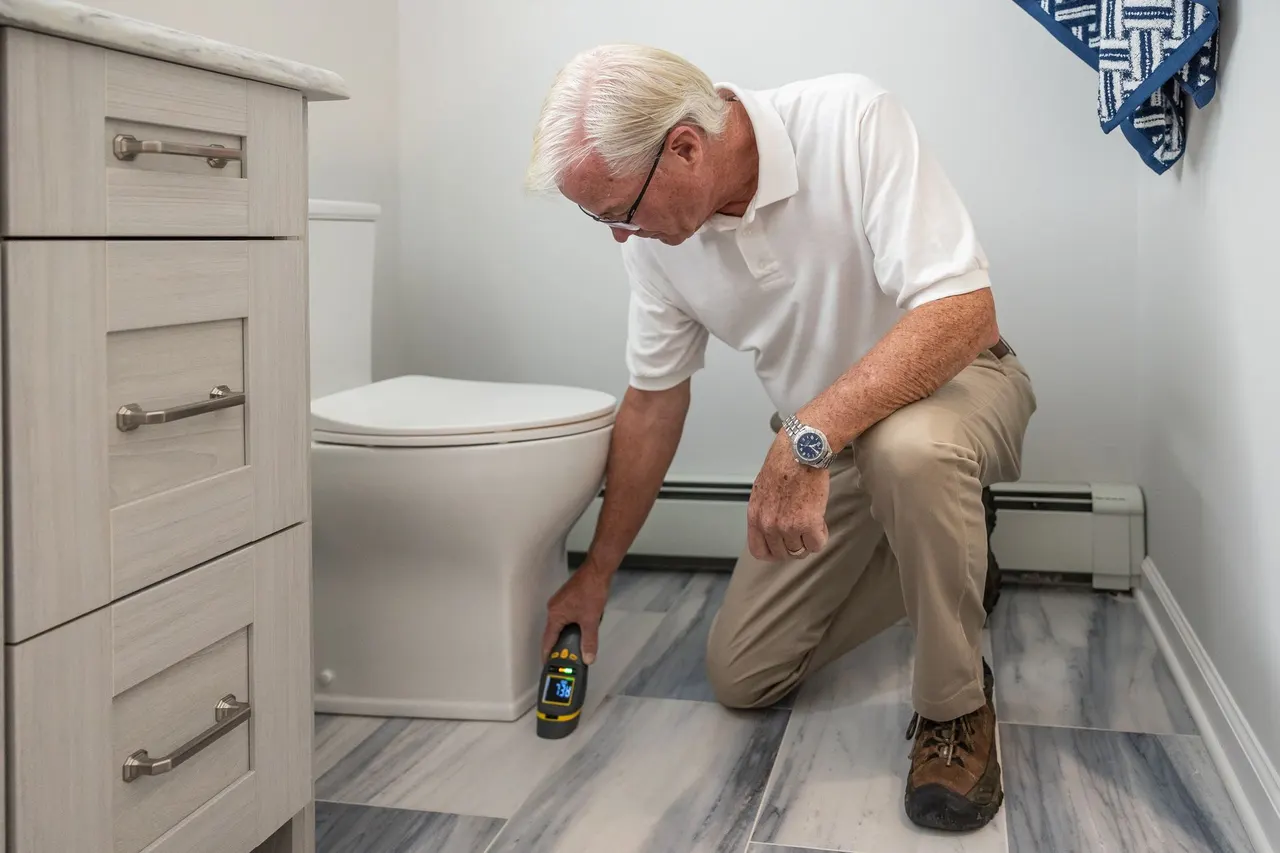
For homes
We dry houses, rowhouses and apartments across Philadelphia. You get a clear plan, daily readings and a walk-through before we pack up.
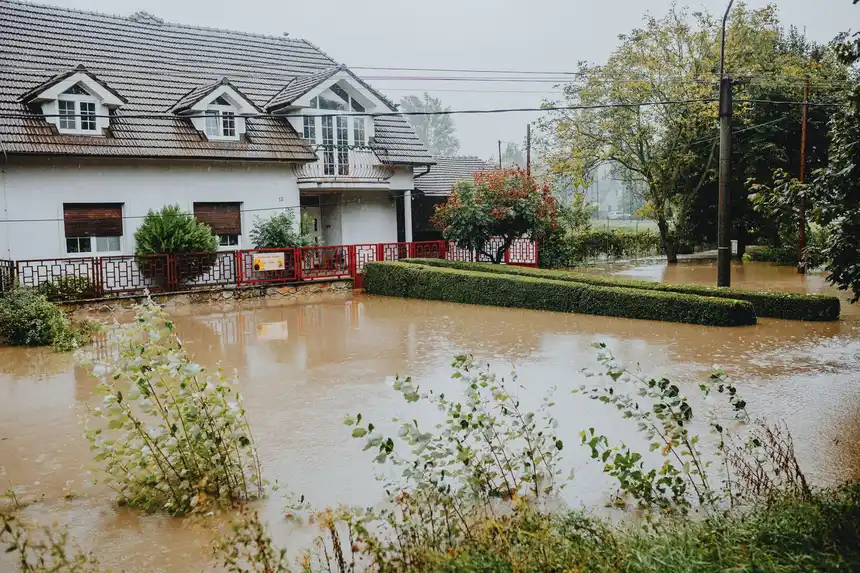
- Burst pipe behind a wall
- Sump pump failure in basement
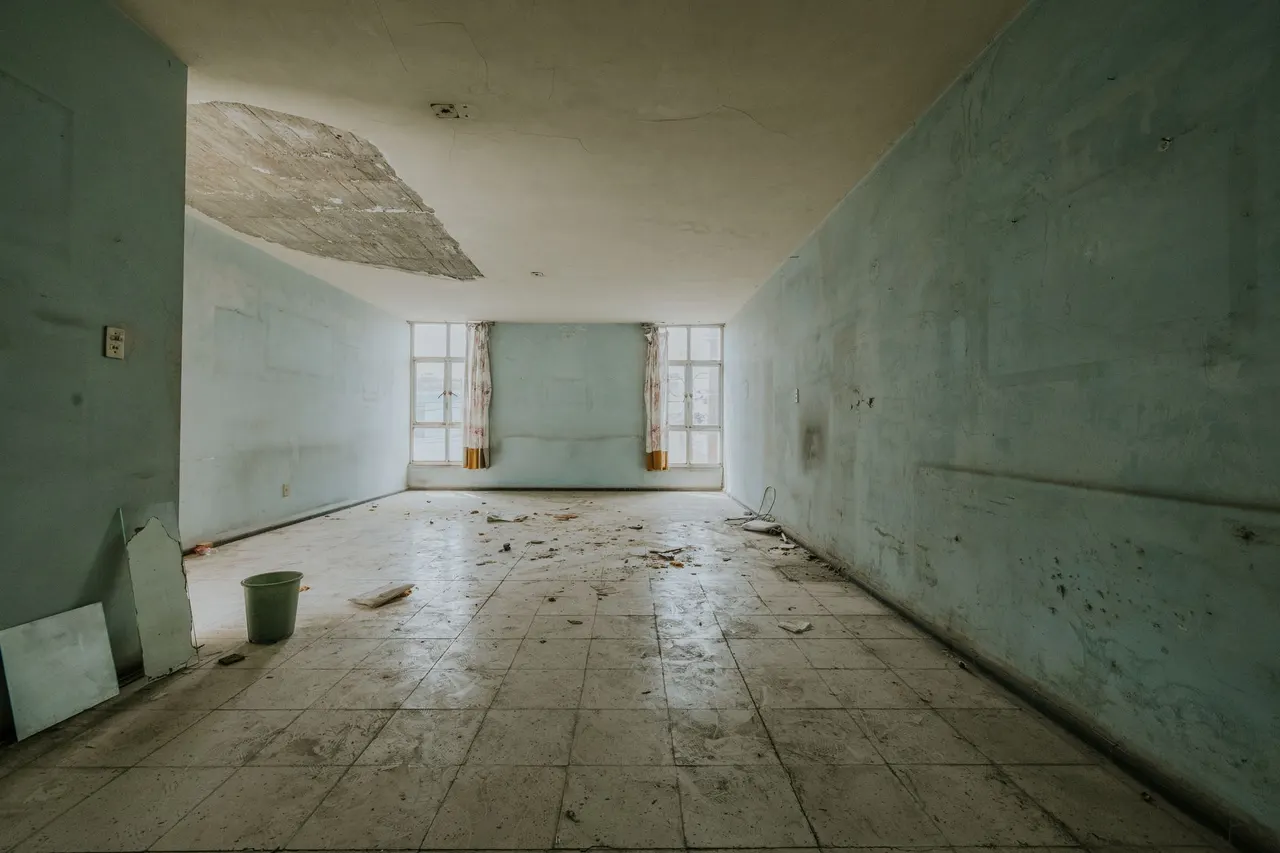
- Roof leak soaking a ceiling
When a pipe bursts or a sump pump quits, structural drying Philadelphia PA is the difference between a repair and a rebuild. Our IICRC-trained crews extract standing water, then dry the framing, subfloor and drywall with commercial dehumidifiers and air movers until moisture readings match a dry standard. We serve homeowners, landlords and property managers across Philadelphia, Pennsylvania, with same-day response and honest, upfront pricing.
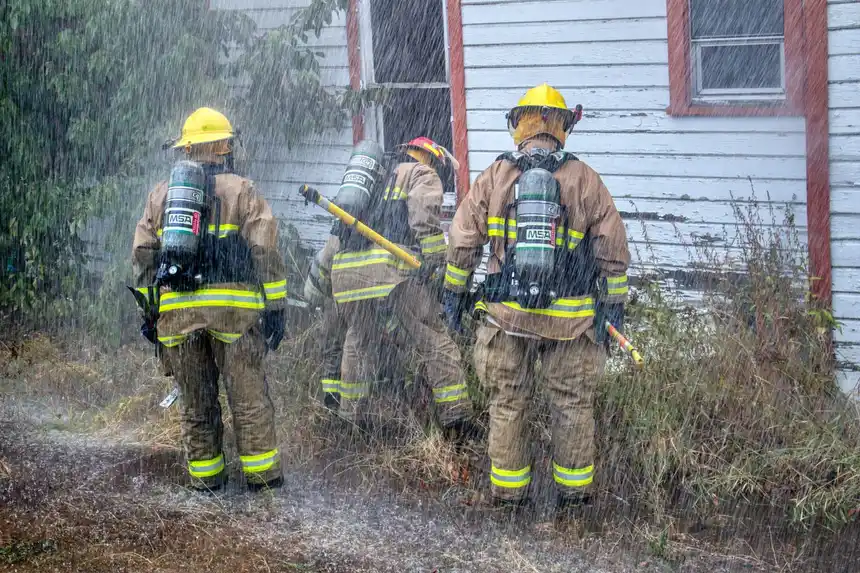 Moisture mappingDaily readingsDry standard
Every structural drying job starts with an inspection and ends with a documented dry standard. The inclusions below are standard on residential and commercial jobs. If we find hidden moisture or contaminated water, we show you the reading and explain the added scope before we proceed.
We survey the affected area with a moisture meter, thermal imaging camera and hygrometer, then sketch the drying boundary. You get a plain explanation of what is wet and what is not.
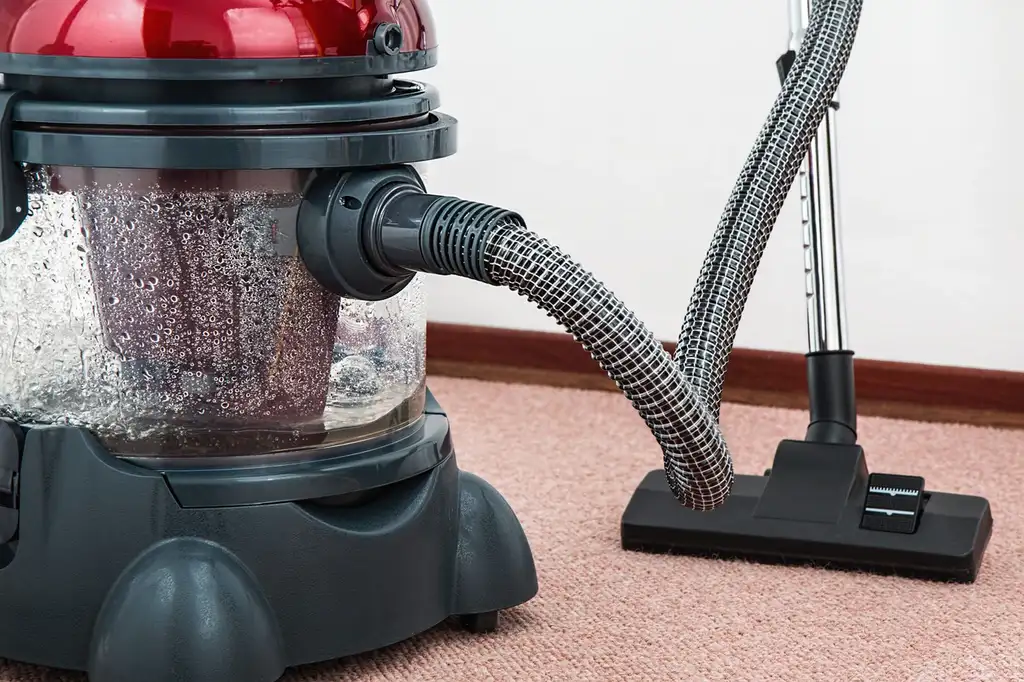
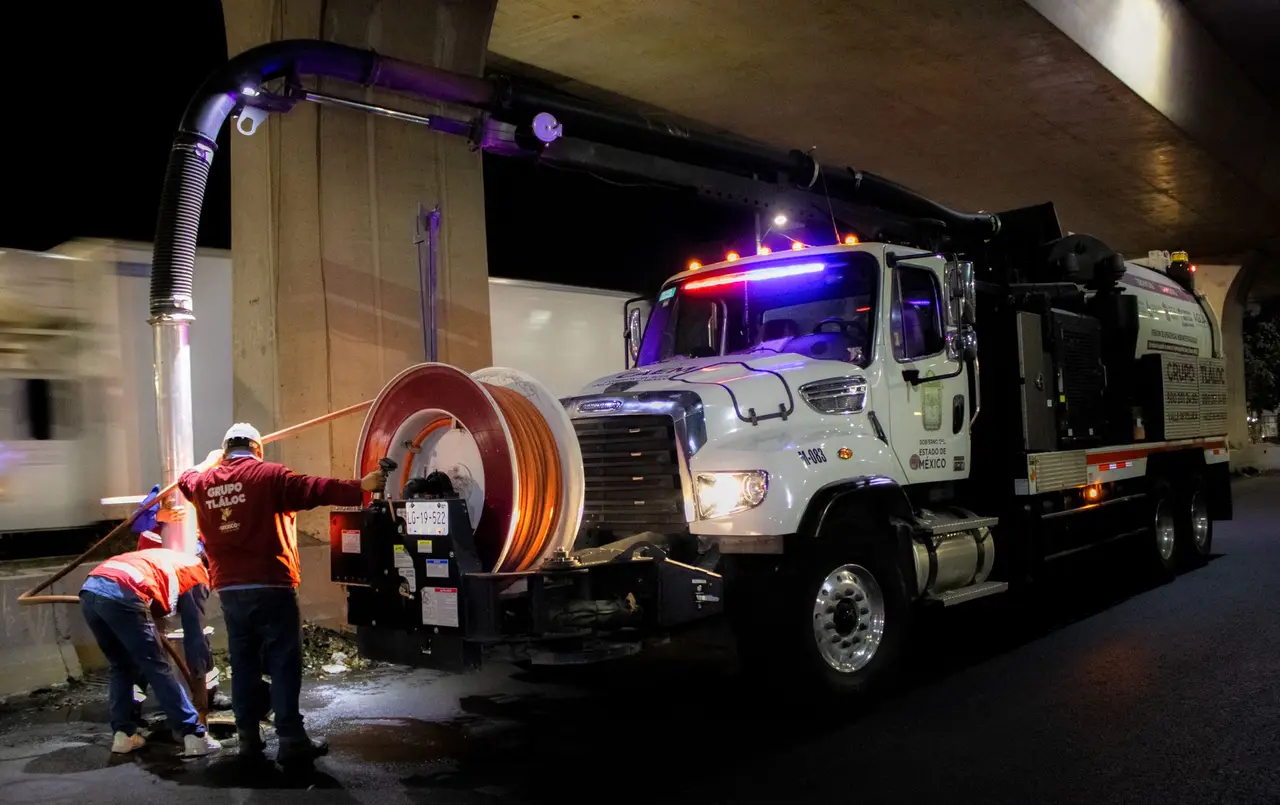
Standing water comes out with a water extraction unit and wet/dry vacuum. Saturated carpet padding and unsalvageable drywall are removed, bagged and disposed of properly.
Commercial dehumidifiers, air movers and drying mats are positioned to dry the structure. We build a containment chamber with plastic sheeting when the affected area needs isolation.
We return each day to log moisture content, temperature and relative humidity, then adjust airflow and equipment. You see the numbers drop until the structure hits its dry standard.
Affected framing and cavities get antimicrobial solution. If odor lingers, we use an ozone generator and HEPA vacuum to remove the source before we close up.
You receive a drying log with daily readings and a photo report for your insurance claim. We walk the property with you and confirm the structure is dry before we remove equipment.
The approach is the same for a home and a business. What changes is the access, the schedule and who needs the paperwork.
We dry houses, rowhouses and apartments across Philadelphia. You get a clear plan, daily readings and a walk-through before we pack up.
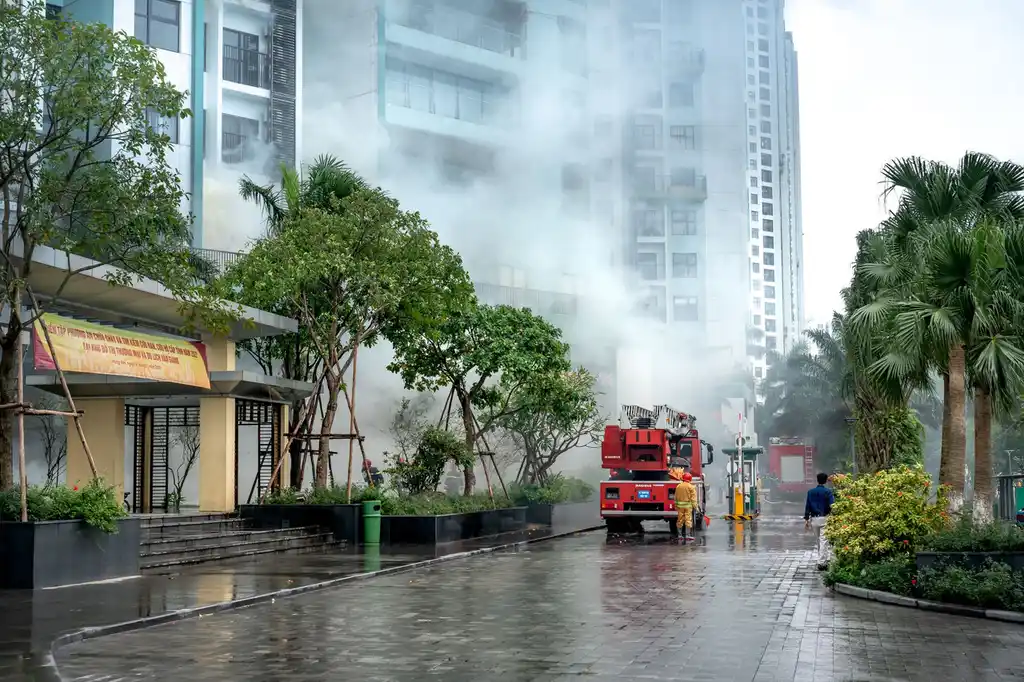
We dry offices, restaurants and retail spaces with minimal disruption. Work is scheduled around your hours and documented for insurance and inspections.
A plain-language look at what Structural Drying involves and when it is needed.
See how it worksStructural drying Philadelphia PA is the controlled removal of moisture from building materials after a leak, flood or backup. It is not a fan pointed at a wet rug. We map the migration path with a thermal imaging camera and moisture meter, then set a drying system: water extraction unit, commercial dehumidifier and air mover positioned to pull humid air out of the cavity. We track readings twice a day, adjust equipment, and document everything until the structure hits its dry standard.
Philadelphia's rowhouse stock makes this work different from the suburbs. Shared party walls, finished basements and original 1920s plaster hold water long after the surface feels dry. A slow supply-line drip behind a kitchen wall in Fishtown or a sewage backup in a Queen Village basement can wick into insulation and subfloor for days before you smell it. That is why we treat every call as urgent and dry to a verified number, not a guess.
Drying is finished when the meter says dry, not when the floor feels dry.
You get a clear plan on day one: what we dry, how long it takes, and what readings we need to hit. Here is how a typical job runs from the first call to the final walk-through.
You call 215-281-3000 and describe what happened. We ask about the source, the rooms affected and whether the water is clean or contaminated. A crew is dispatched with extraction and drying equipment. Most Philadelphia addresses see us on site within 60 to 90 minutes for true emergencies.
We walk the property with a moisture meter, thermal imaging camera and hygrometer. We check baseboards, subfloor, ceiling cavities and crawl space moisture, then sketch the affected area. You get a plain-English explanation of what is wet, what is not, and where the drying boundary will be.
Standing water comes out first with a water extraction unit and wet/dry vacuum. Carpet padding that is saturated gets pulled and bagged. If a sump pump failure flooded the basement, we pump down, then extract the residual film so the drying equipment is not fighting a puddle.
We position commercial dehumidifiers, air movers and, where needed, desiccant units to create a closed drying chamber with plastic sheeting. Hardwood floors get drying mats. We set the equipment, explain the noise and power needs, and schedule the first monitoring visit for the next morning.
We return daily to log moisture content, adjust airflow and swap equipment as materials dry. A typical job runs three to five days. When readings match the dry standard, we remove the equipment, do a final walk-through with you, and hand over a drying log and photo report for your records.
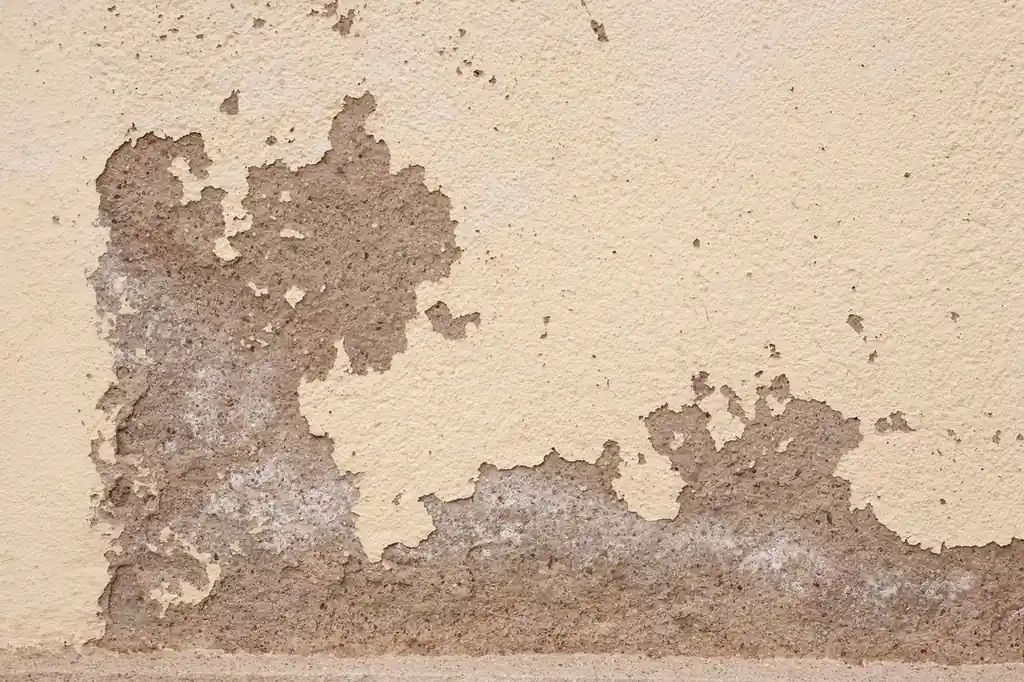
Move across a circle, or focus it and press Enter, for an illustrative thermal view of the photograph.
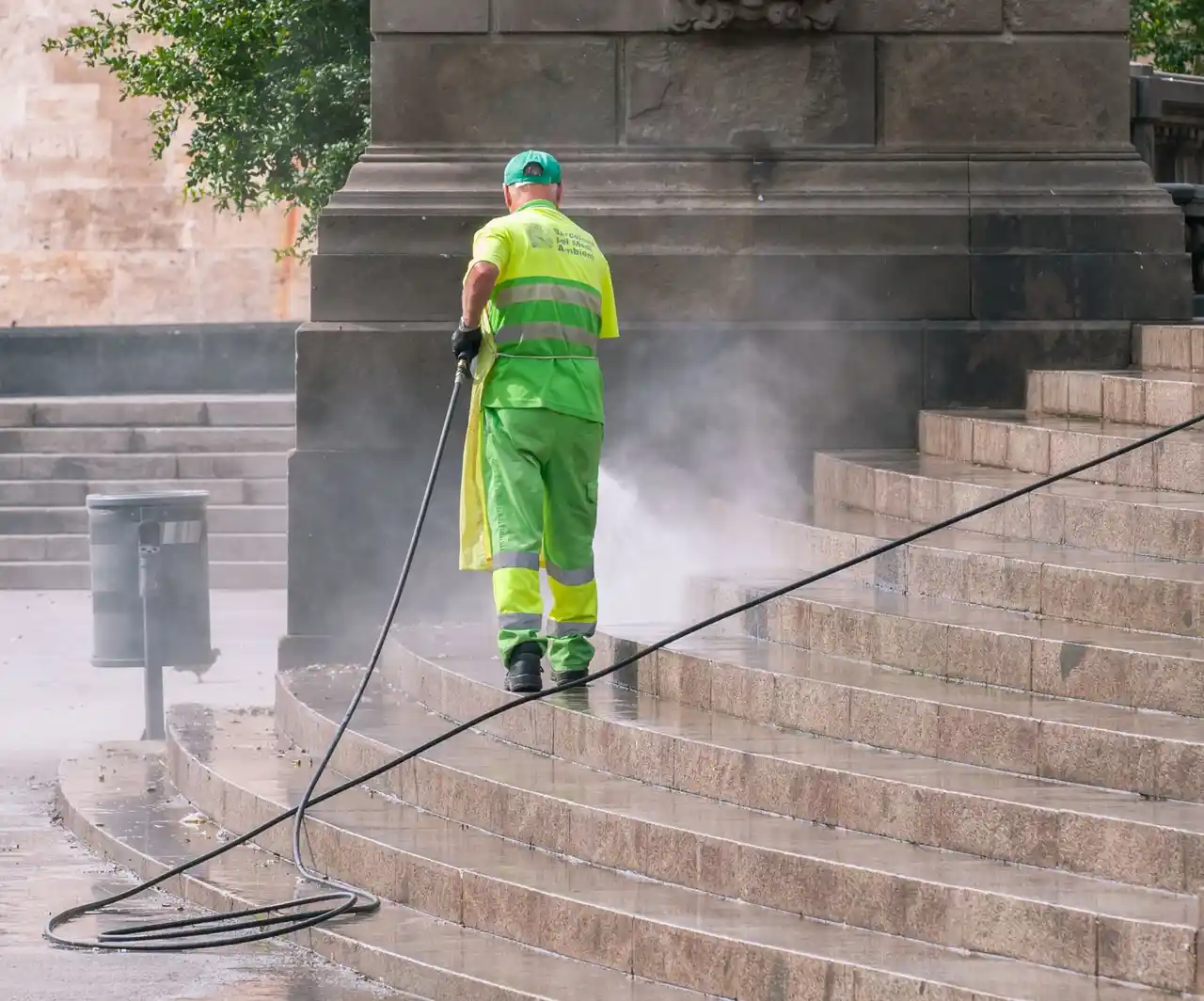
Finds hidden moisture behind walls, under floors and above ceilings without opening every surface. It shows the migration path so we set equipment where the water actually is.
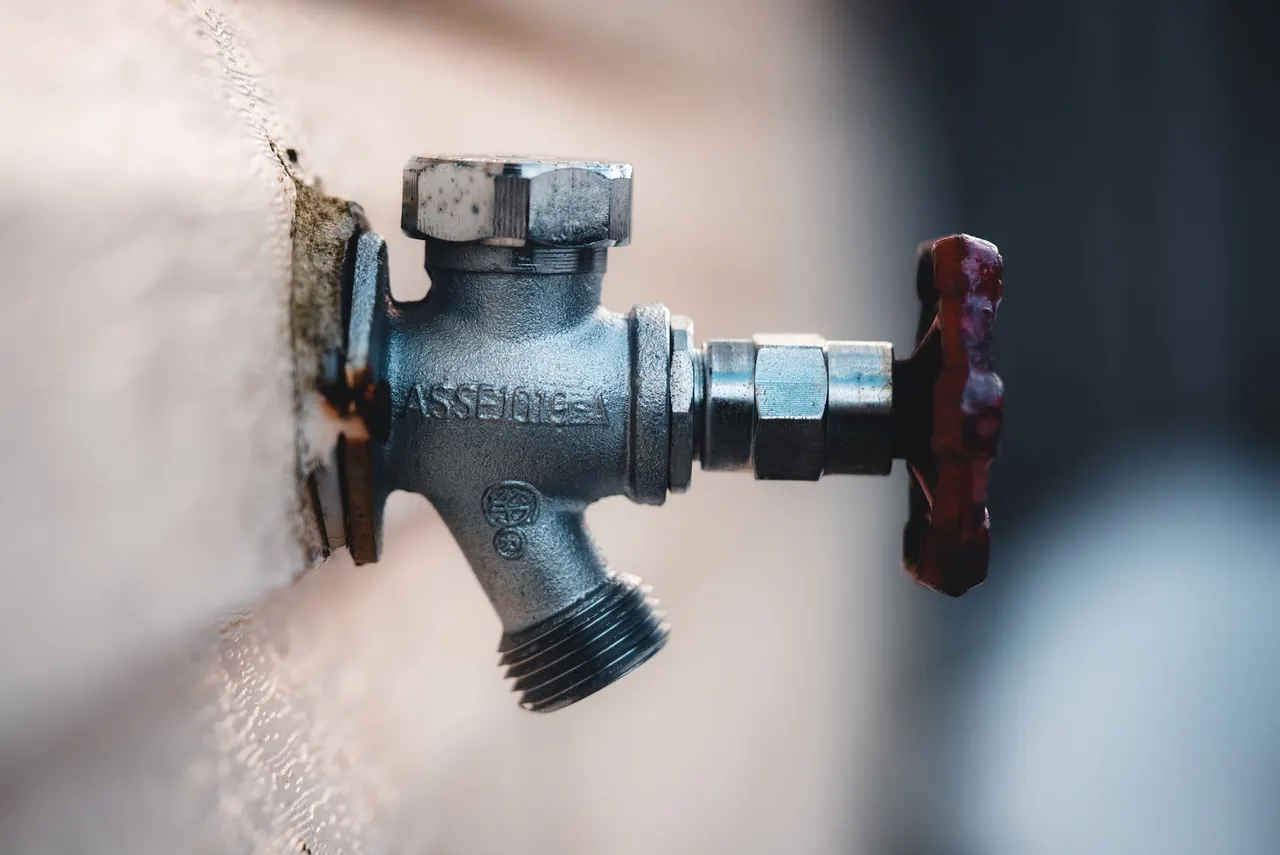
Measures moisture content in wood, drywall and concrete, and tracks relative humidity in the drying chamber. These readings define when the structure is dry.
Pulls moisture from the air so wet materials release it faster. We size units to the room volume and run them until the daily readings flatten.
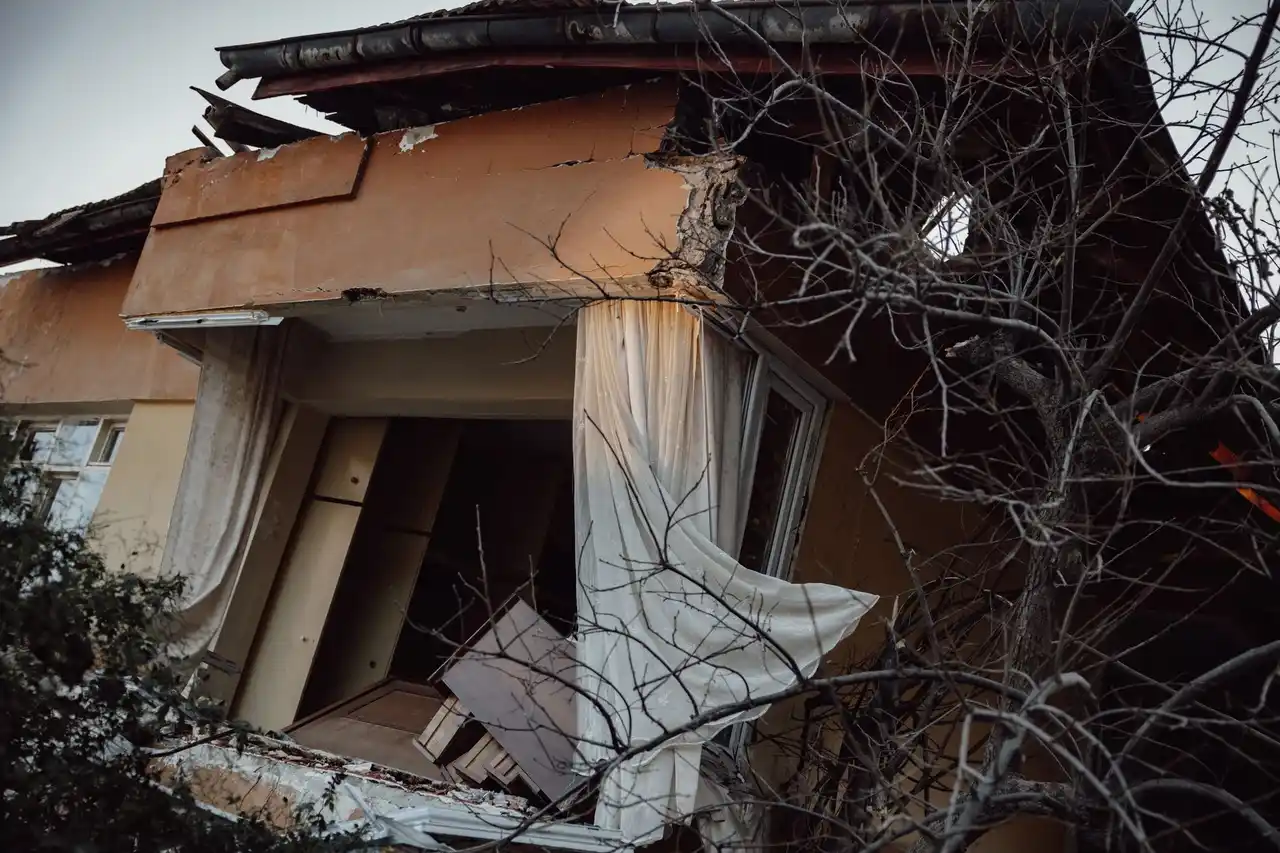
Creates high-velocity airflow across wet surfaces to speed evaporation. Positioned at a 45-degree angle to sweep walls, floors and cavities.
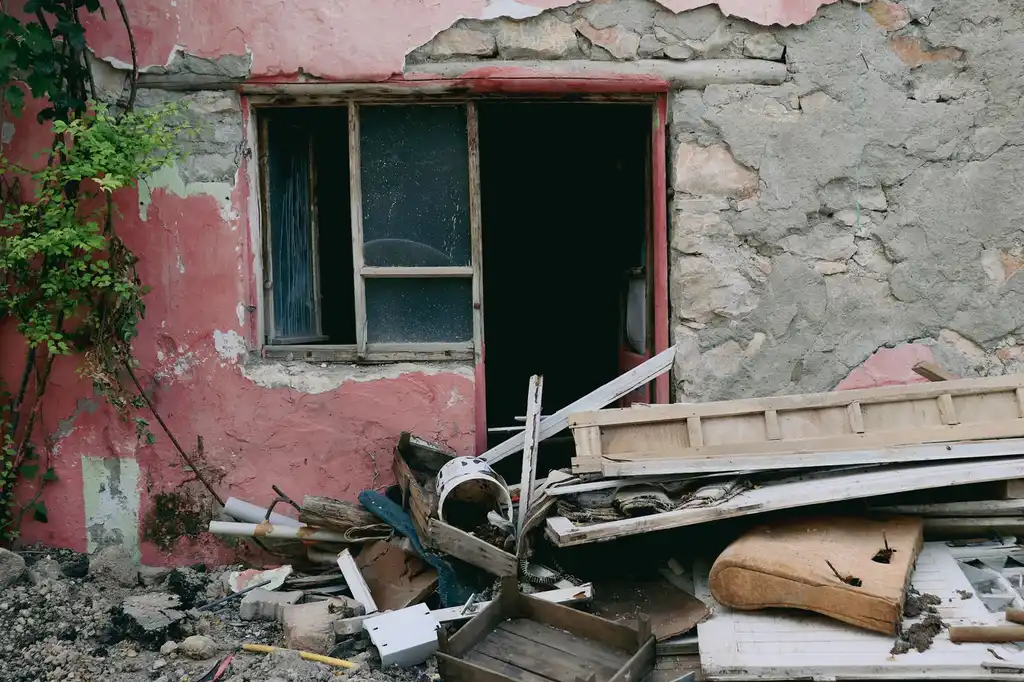
Removes standing water and residual moisture from carpet, hard floors and slabs before drying equipment goes down.
Thermal views are illustrative, generated from the photographs.
Pulls moisture directly from hardwood flooring and subfloor without cupping the boards. Used on the original floors common in Philadelphia rowhouses.
Inspects inside wall cavities and under cabinets where a camera cannot see. Confirms whether framing and insulation are wet before we close up.
The industry standard for water damage restoration. It defines water categories, drying goals and documentation requirements. We follow it on every job so the work holds up to insurance and inspection.
Plastic sheeting isolates the affected area so dehumidifiers can lower humidity faster. It keeps drying contained and prevents moisture from spreading to unaffected rooms.
We log readings at each visit and adjust equipment based on the numbers. Drying is finished when materials reach their dry standard, not when the floor feels dry to the touch.
We apply antimicrobial solution to affected framing, subfloor and drywall after extraction. It inhibits mold growth during the drying period and after the structure is closed.
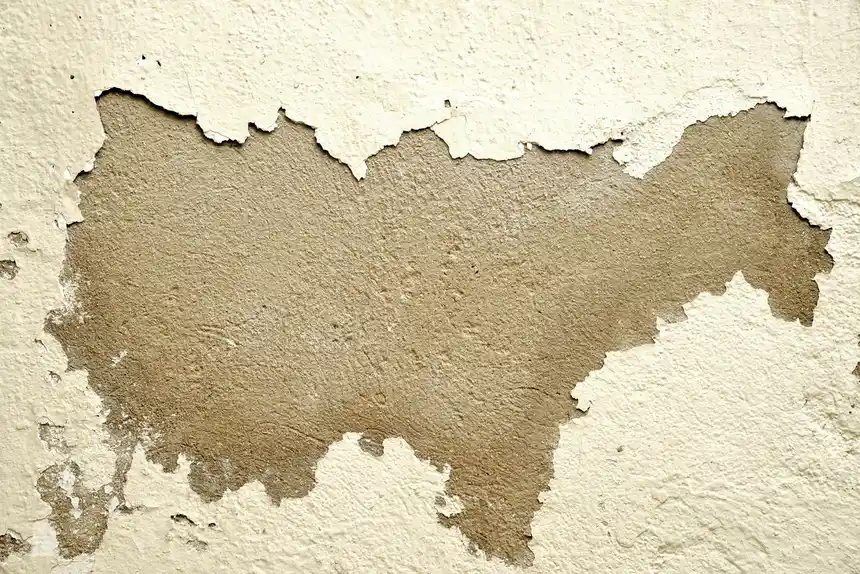
A pipe bursts in a Center City high-rise at 2 a.m. and water runs into two units below.
We dispatch an emergency crew, shut down the supply, extract water from all three units and set drying equipment in each. We coordinate with building management and document everything for the insurance claim.
Outcome: The structure dries in four days, the units are habitable again, and the building avoids a mold issue in the shared walls.
A sump pump fails during a spring storm and floods a finished basement in Mayfair.
We pump the standing water, extract the carpet and padding, remove the lower drywall, and dry the slab and framing. We set dehumidifiers and air movers and monitor daily.
Outcome: The basement dries in five days, the pump is replaced, and the family avoids a full basement remodel.
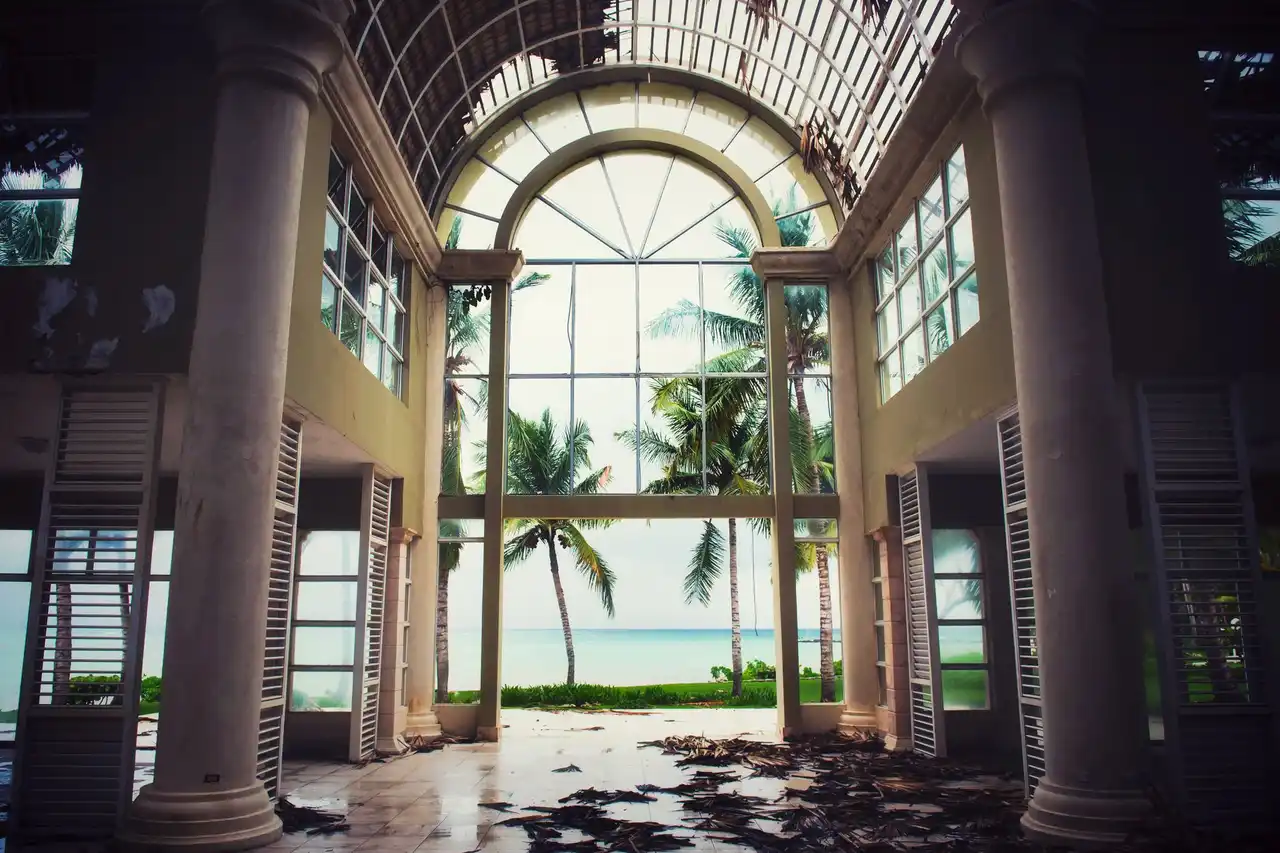
A roof leak soaks the ceiling of a Queen Village rowhouse during a nor'easter.
We tarp the roof, extract water from the ceiling cavity, dry the joists and insulation, and repair the damaged drywall and paint once the roof is sealed.
Outcome: The ceiling is dry in three days and the repair blends with the original plaster finish.
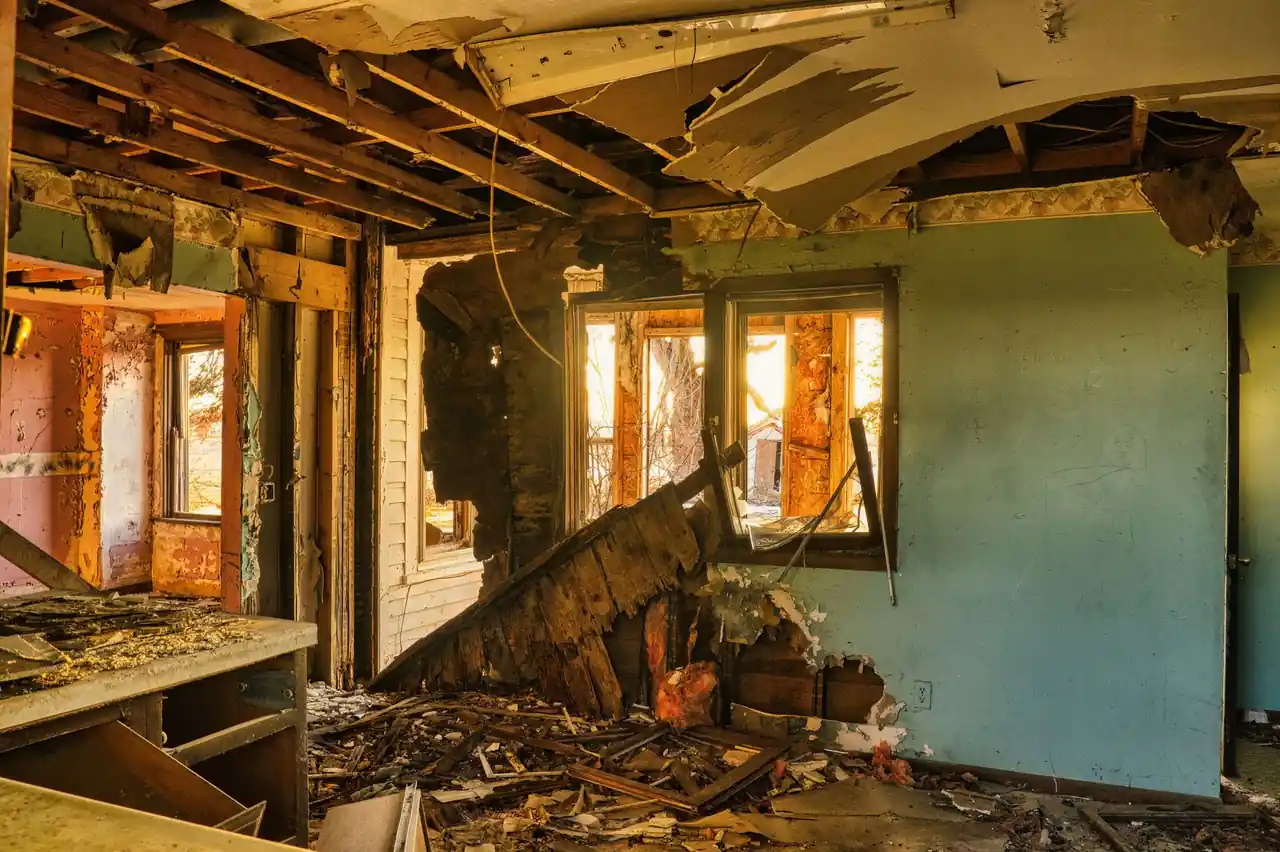
A sewage backup contaminates a commercial kitchen in Fishtown before a weekend rush.
We contain the area, remove affected materials, extract and disinfect, then dry the structure with commercial dehumidifiers. We work overnight to limit business interruption.
Outcome: The kitchen passes inspection and reopens in 48 hours with documented drying records for the health department.
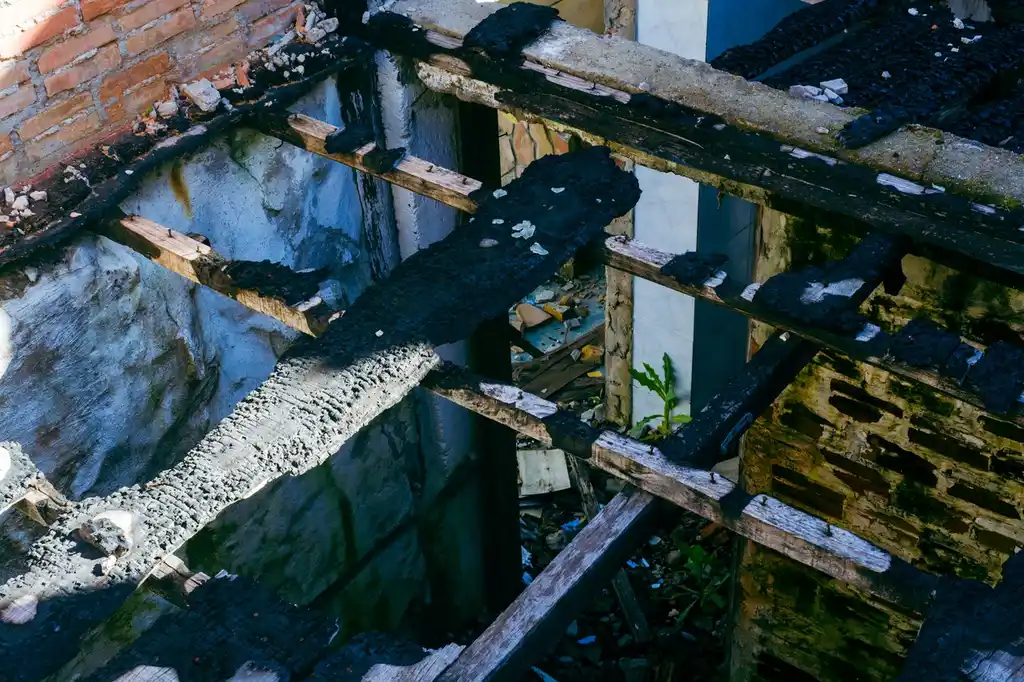
A water heater fails in a Germantown twin and soaks the hallway and closet.
We extract the water, remove the old unit, dry the subfloor and framing, and treat the area with antimicrobial solution. We document readings for the homeowner's claim.
Outcome: The hallway and closet dry in three days and the new water heater goes in without delay.
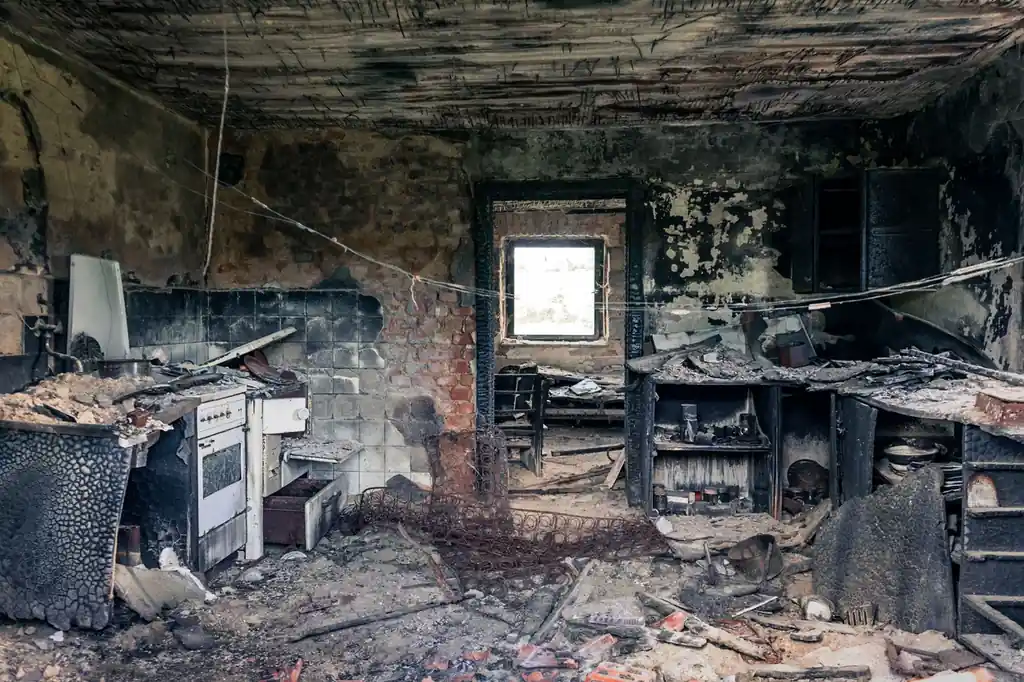
Philadelphia's building stock changes how water behaves. Rowhouses share party walls, so a leak in one unit can wick into the neighbor's framing. Finished basements with original stone or block walls hold moisture longer than modern construction. Older homes in Kensington, Fishtown and Port Richmond often have galvanized supply lines and cast-iron drains that fail without warning.
We set drying equipment for these realities: more air movers along shared walls, drying mats on original hardwood, and longer monitoring cycles for plaster and stone. If you need structural drying services in Philadelphia, Pennsylvania, we handle the whole city from 19154 to 19102.
Before: A supply line behind the kitchen wall let go overnight. The baseboard, drywall and subfloor were saturated, and moisture had wicked into the adjacent dining room wall. The homeowner smelled a musty odor by day two.
After: We extracted the water, opened the wall cavity, dried the framing and subfloor with air movers and a dehumidifier, and treated the area with antimicrobial solution. Moisture content dropped from 28 percent to 11 percent in four days.
We recommended a water alarm under the sink and an annual inspection of the supply lines. The homeowner replaced the line with braided stainless steel.
Before: A spring storm knocked out power and the sump pump failed. Two inches of water covered the finished basement floor, soaking carpet, padding and the lower two feet of drywall. The family lost a sectional sofa and stored boxes.
After: We pumped and extracted the water, removed the carpet, padding and lower drywall, and dried the slab and framing in five days. The moisture reading on the slab went from 22 percent to 9 percent. The basement was rebuilt and back in use in three weeks.
We installed a battery backup sump pump and recommended a quarterly test. The homeowner also added a water sensor near the pit.
Before: A nor'easter drove rain through a failing roof flashing. Water traveled along a ceiling joist and dripped into a second-floor bedroom, staining the plaster and soaking the insulation. The leak had been active for at least a week.
After: We tarped the roof, extracted water from the ceiling cavity, dried the joists and insulation, and repaired the plaster and paint. The ceiling dried in three days and the moisture meter confirmed the joists were back to 10 percent.
We recommended a roof inspection each fall and a repair to the flashing. The homeowner scheduled the roof work before the next storm season.
Water hides behind baseboards, under subfloors and inside ceiling cavities. These are the problems we see most in Philadelphia, and what happens when they are ignored.
A dry structure means no mold, no odor and no rebuild.
Mold growth begins within 24 to 48 hours of a leak. Our crews apply antimicrobial solution to affected framing and drywall, then hold humidity below 50 percent until the cavity passes a moisture meter check. That window is why we push same-day structural drying services Philadelphia homeowners can count on.
Old-growth hardwood flooring in Rittenhouse Square and Chestnut Hill can often be saved if drying starts within 48 hours. We use drying mats and controlled airflow to pull moisture from the boards and subfloor without cupping. Floors that would have been torn out often sand and finish normally.
Every square foot of drywall we save is a square foot you do not pay to hang, tape and paint. Drying a wet ceiling and wall cavity instead of replacing it typically saves hundreds to thousands of dollars on a finished basement. We document readings so your insurance adjuster sees the proof.
Wet insulation, carpet padding and subfloor release odors and spores into the living space. We remove saturated materials, run HEPA vacuum and air scrubbers, and deodorize before we pack up. You get a dry structure and air you can breathe, not a musty reminder of the leak.
What a written scope covers and what shapes it. Prices are set by the business after the first look.
Included
Depends on
Clear records you can keep and share.
Daily moisture and humidity readings
Images of affected areas and equipment
Written summary of work performed
Dry standard confirmation at completion
Not all water is the same. The category determines what can be dried and what must be removed.
From a supply line or rain intrusion
From a washing machine or dishwasher
From sewage or river flooding
A list like this tells people straight away whether you cover their street. Not listed? Call and ask: it only takes a minute.
Based in Philadelphia and covering the places around it. Pick one for local details.
A single-room supply-line leak usually lands near the low end. A finished-basement sewage backup with carpet padding removal pushes toward the high end. We give you a written scope before equipment goes down.
Water Damage Restoration Philly performs structural drying across Philadelphia County, from Center City and Fishtown to Northeast Philadelphia and Chestnut Hill. Our technicians hold IICRC WRT and ASD credentials and follow the IICRC S500 standard. Call 215-281-3000 and we will dispatch a crew, usually within 60 to 90 minutes for active water.
A typical Philadelphia structural drying job takes three to five days. A small bathroom leak with one dehumidifier and two air movers can dry in 48 to 72 hours. A flooded basement with hardwood flooring and saturated drywall often needs five to seven days. We monitor daily and give you a realistic completion date after the first inspection.
Yes, in most cases. Drying equipment is loud and adds warmth, so many families sleep in unaffected bedrooms and spend daytime hours elsewhere. If the water was contaminated, such as a sewage backup, we may recommend staying out until extraction and antimicrobial treatment are complete. We explain the situation honestly on site and let you decide.
Other services from the same team.
Water sitting in your walls or basement gets worse every hour. Call 215-281-3000 and we will dispatch a crew, give you an arrival window and start drying today. Upfront pricing, documented readings and a dry standard we do not guess at.
Call 215-281-3000 any time, day or night. We answer live, ask what happened, and dispatch a crew. If you prefer email, send photos and your address to info@waterdamagerestorationphilly.com and we'll respond within the hour. Most Philadelphia calls get a technician on-site within 60 to 90 minutes.