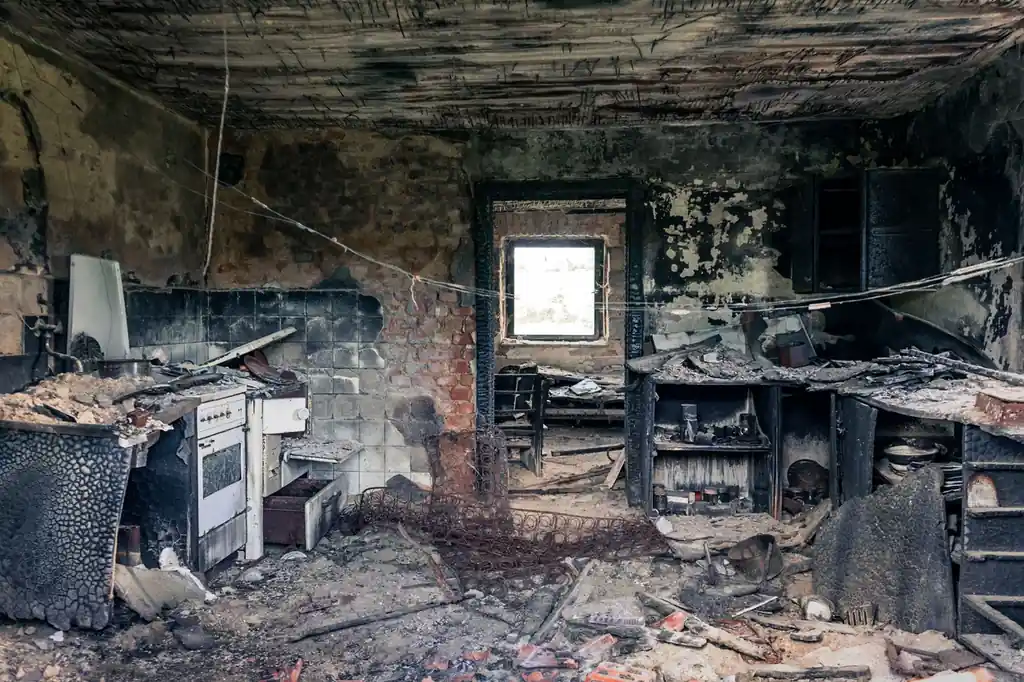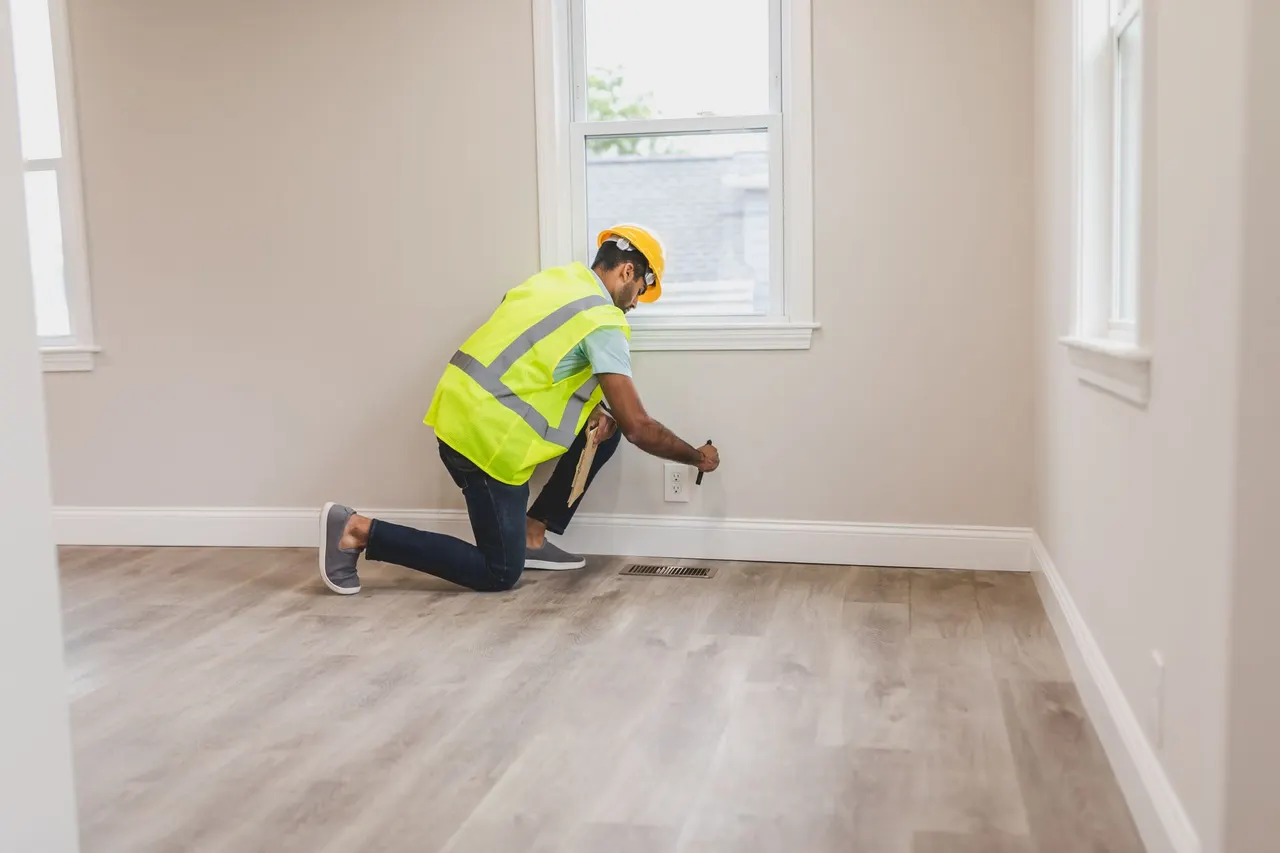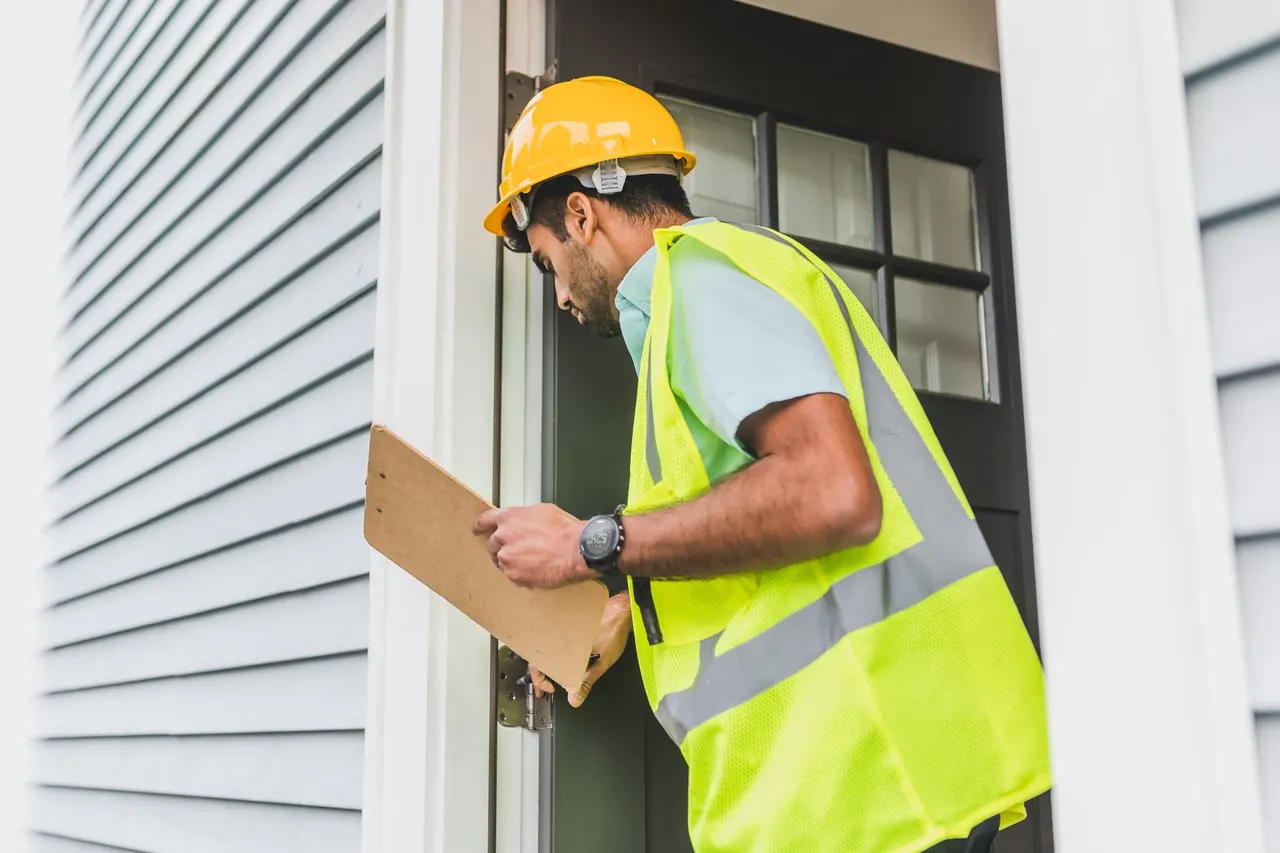
For Homes
We dry hardwood in rowhouses, twins, and condos across Philadelphia. You get daily updates and a floor that is safe to walk on when we finish.
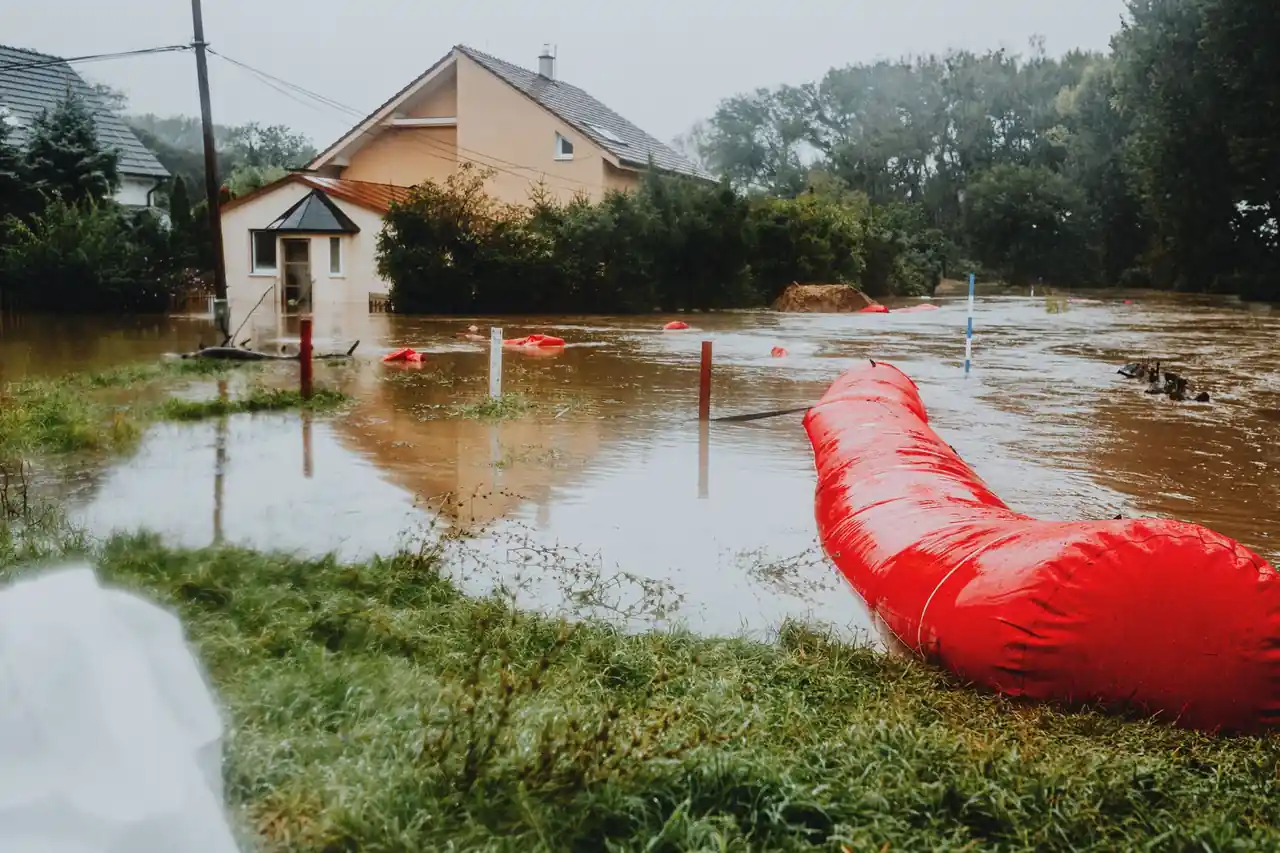
- Burst pipe under sink
- Sump pump failure
- Water heater leak
Hardwood floor drying and restoration Philadelphia PA homeowners call first stops cupping, crowning, and buckling before boards are lost. We extract standing water, dry the subfloor, and repair or refinish the wood. If a burst pipe, appliance leak, or sewage backup soaked your floors, call 215-281-3000.
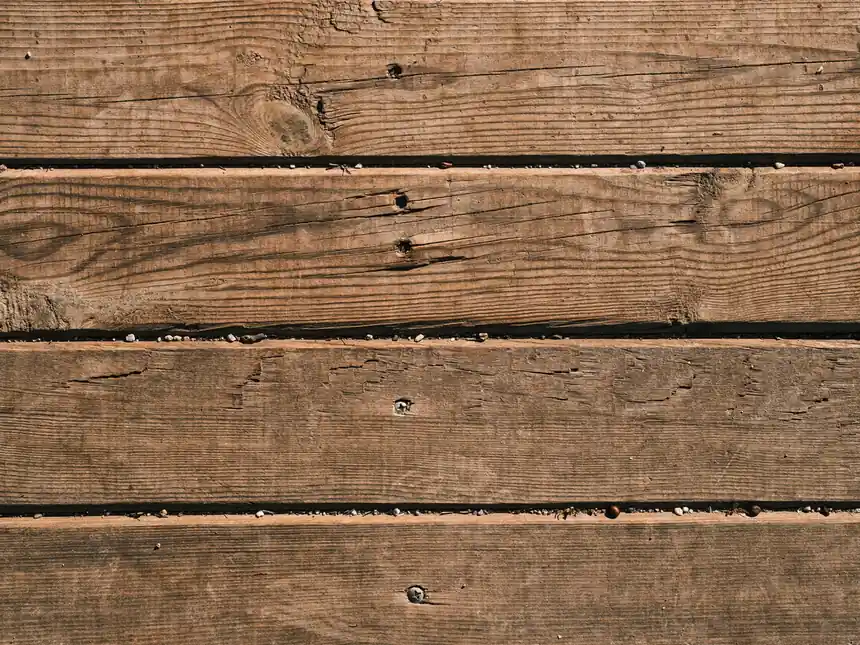 Moisture mappingDaily readingsBoard repair
Every hardwood floor drying and restoration Philadelphia PA job includes assessment, extraction, controlled drying, daily monitoring, and a final verification. Board replacement and refinishing are included when the wood needs it. We do not charge extra for moisture logs or thermal imaging.
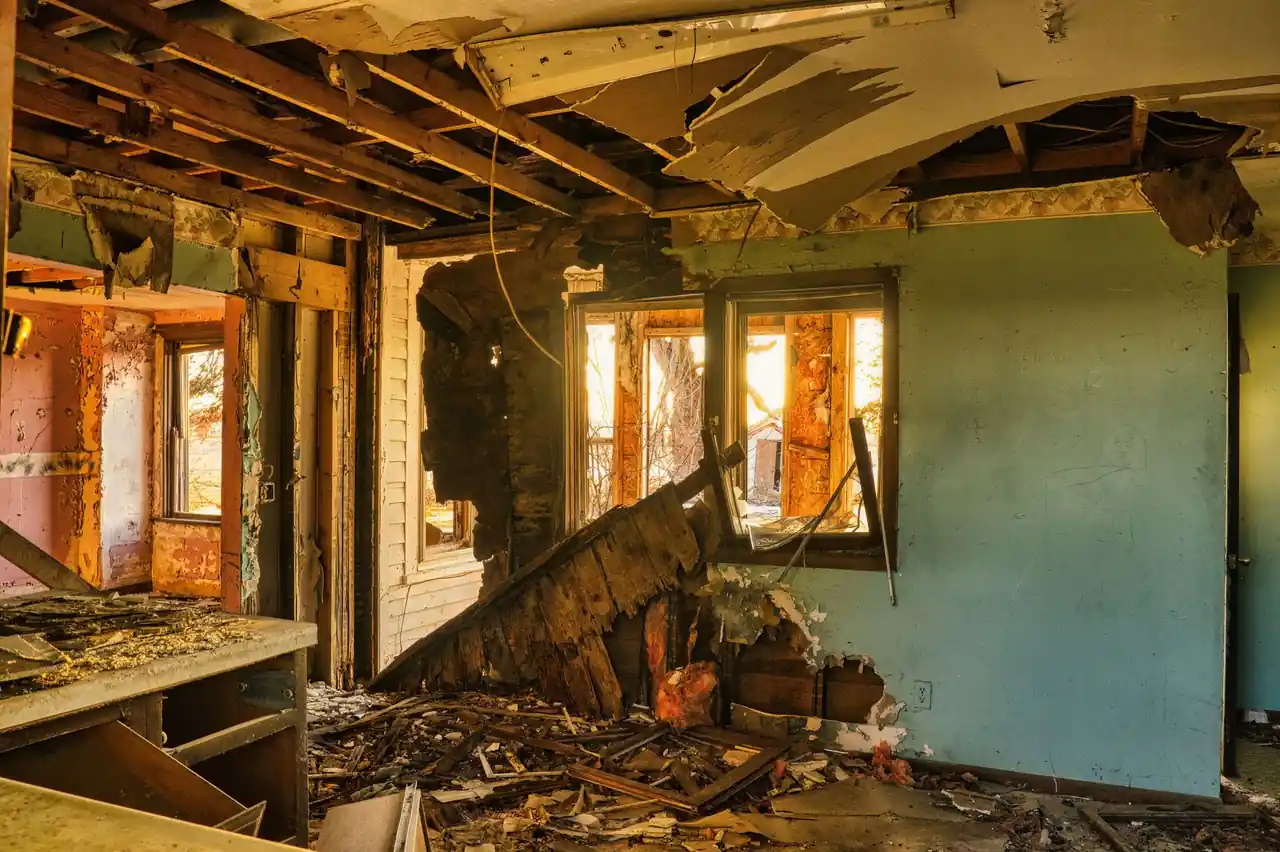
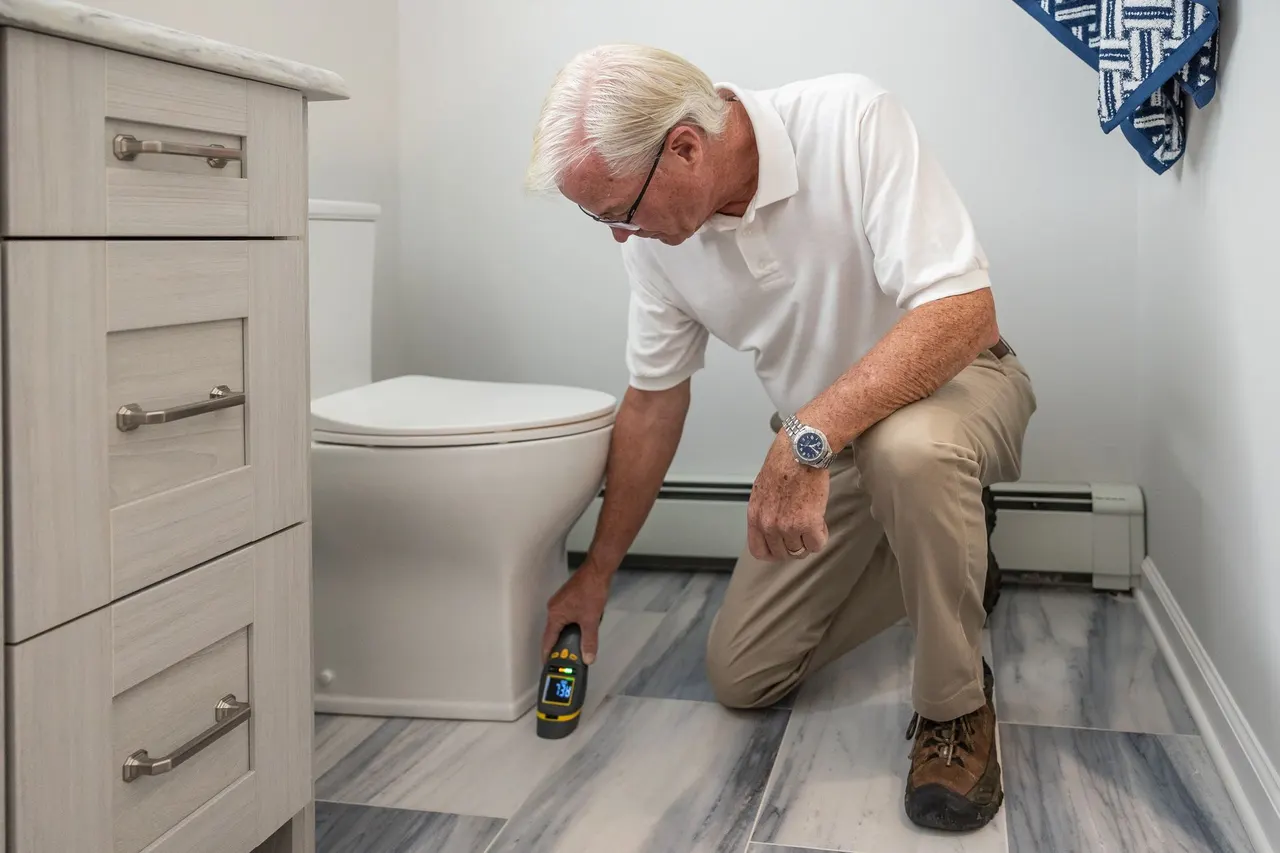
We use a moisture meter, thermal imaging camera, and hygrometer to map exactly how far water traveled under the floor. You get a written drying plan with target moisture content and an estimated timeline before we set any equipment.
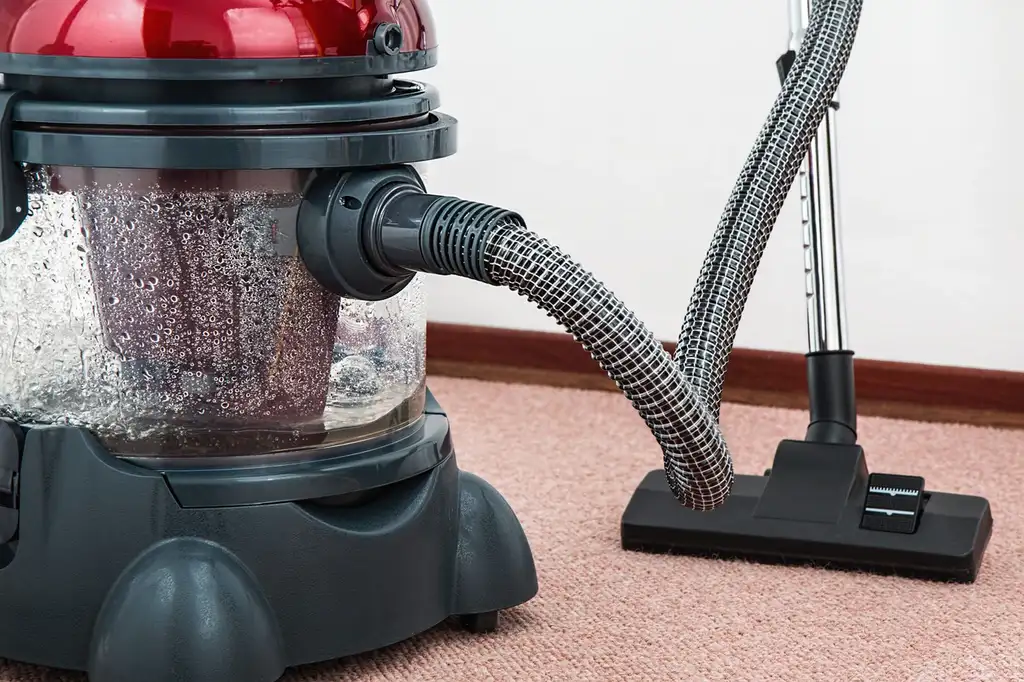
Standing water comes out with a water extraction unit and wet/dry vacuum. We pull saturated carpet padding and check baseboards for trapped water. Extraction is the first step because drying cannot start while water is still pooled.
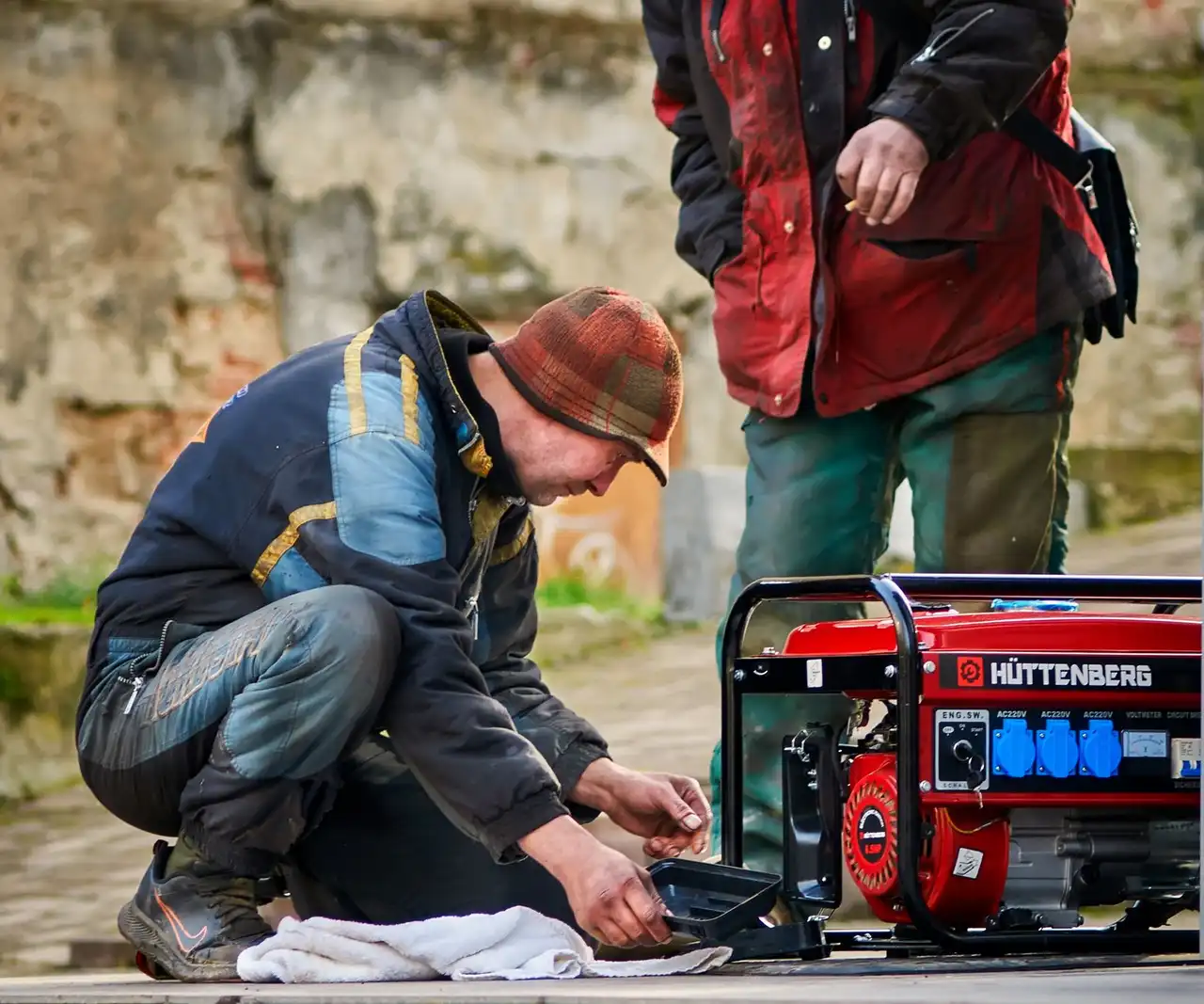
We place commercial dehumidifiers, air movers, and drying mats to pull moisture out of the wood at a controlled rate. Equipment is sized to the room and monitored daily. We adjust airflow and humidity targets based on readings, not guesswork.
A technician checks moisture content every day and logs the numbers. You get a copy. If the floor is drying too fast or too slow, we change the setup. Daily monitoring is what prevents splitting and ensures mold does not start.
Once the floor is dry, we assess damage. Cupped boards get sanded and refinished. Delaminated or cracked planks get replaced with matching stock. We blend the finish so the repair disappears into the existing floor.
We take final moisture readings and walk the floor with you. You get a completion report with before-and-after numbers. If anything still reads high, we leave equipment and check again the next day.
The approach is the same for a home and a business. What changes is the access, the schedule and who needs the paperwork.
We dry hardwood in rowhouses, twins, and condos across Philadelphia. You get daily updates and a floor that is safe to walk on when we finish.
We dry floors in offices, restaurants, and retail spaces so you can reopen fast. Property managers get documentation for every step of the job.
A plain-language look at what Hardwood Floor Drying and Restoration involves and when it is needed.
See how it worksHardwood floor drying and restoration Philadelphia PA is the process of removing trapped moisture from wood planks and the subfloor beneath them, then repairing or refinishing boards that have cupped, crowned, or buckled. We start with a moisture meter and thermal imaging camera to map how far water traveled under the floor. Then we set commercial dehumidifiers and air movers to pull moisture out slowly, because drying oak or pine too fast causes splitting and gaping. Most jobs take three to five days of monitored drying.
Philadelphia's rowhouse stock makes this tricky. Original 1920s white oak sits over tongue-and-groove subfloors that trap water after a burst pipe, sump pump failure, or sewage backup. If you search for hardwood floor drying near me Philadelphia PA after a basement flooding event, you need a crew that understands how old milled lumber behaves. We dry first, measure daily, and only then decide whether boards can be saved or need replacement.
Drying hardwood slowly and measuring daily is what saves the floor.
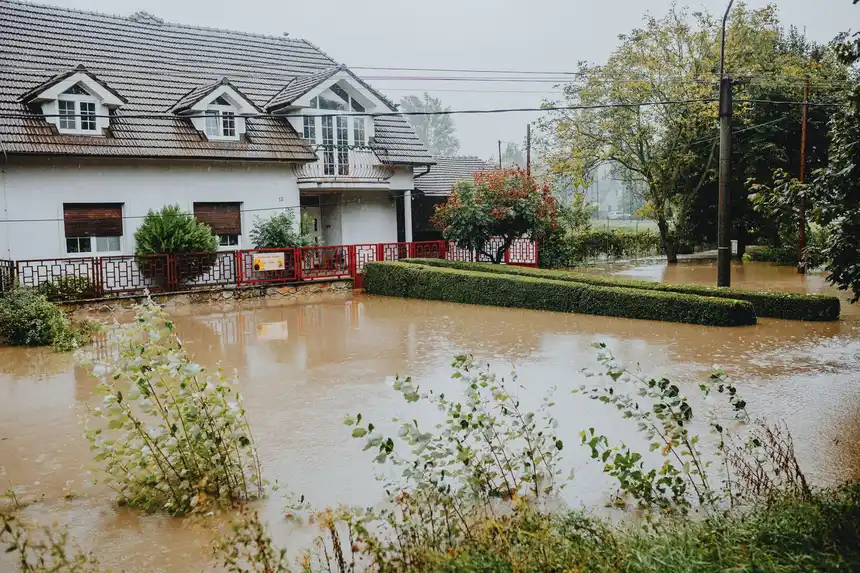
Every job follows the same five stages, whether it is a single room in Fishtown or a whole first floor in Chestnut Hill. You get a written drying plan and daily updates.
We arrive, shut off the water source if it is still active, and walk the floor with a moisture meter and thermal imaging camera. You get a verbal scope and a written drying plan the same day. Most assessments take 45 to 60 minutes. We check baseboards, subfloor, and adjacent drywall because water rarely stays where you see it.
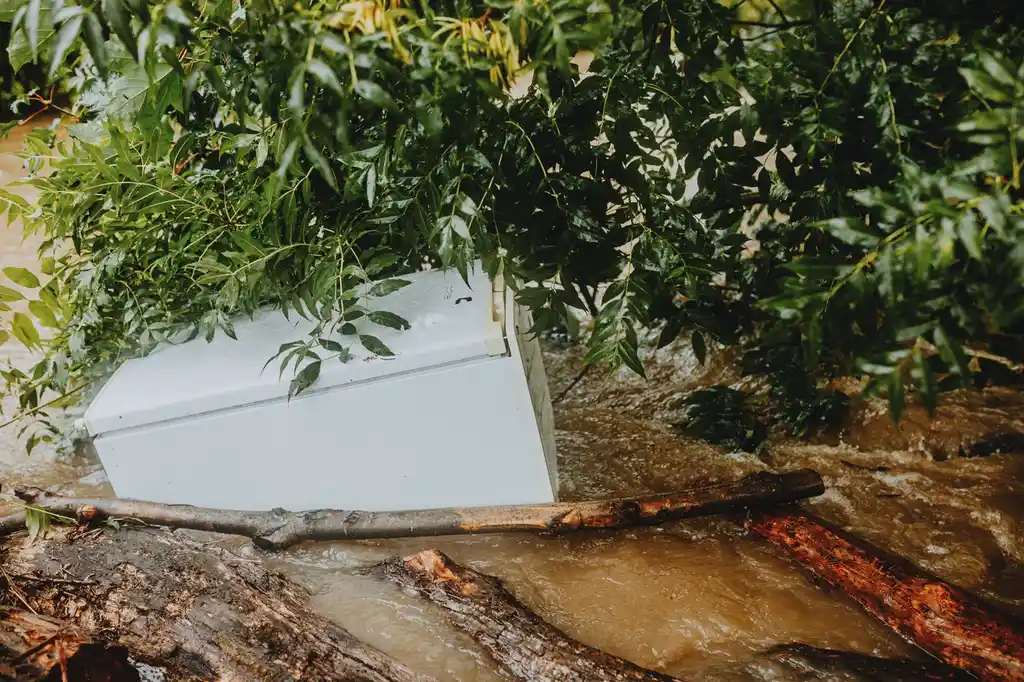
Standing water comes out first with a water extraction unit and wet/dry vacuum. We pull carpet padding if it is saturated, because it holds water against the wood. For sewage backup, we remove contaminated material, apply antimicrobial solution, and bag everything for disposal. Extraction usually takes two to four hours.
We set Dri-Eaz or Phoenix Restoration dehumidifiers and air movers to dry the floor slowly. Drying mats go on top of the planks to pull moisture up through the finish. We target a 2 to 4 percent moisture content drop per day. Too fast and the boards split; too slow and mold wins. Daily readings tell us which way to adjust.

Once moisture content matches a dry standard, we assess damage. Cupped boards that flattened get sanded and refinished. Delaminated or cracked planks get cut out and replaced with matching stock. We seal the new wood and blend the finish so the repair disappears. This stage takes one to three days depending on square footage.
We take final moisture readings, confirm the subfloor is dry, and walk the floor with you. You get a completion report with before-and-after numbers. If any board still reads high, we leave equipment in place and check again the next day. We do not call a job done until the meter says it is done.
Move across a circle, or focus it and press Enter, for an illustrative thermal view of the photograph.
Measures moisture content in wood and subfloor. We use it to set drying targets and confirm when the floor is dry.

Finds hidden moisture behind walls and under floors without tearing anything out. It shows us the full footprint of the water.

Pulls hundreds of pints of water per day out of the air. Dri-Eaz and Phoenix Restoration units are sized to the room.
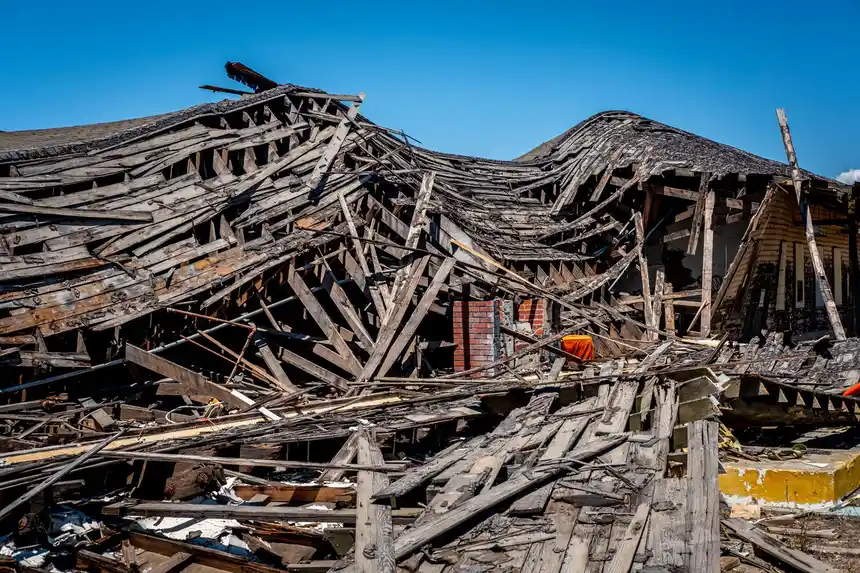
Moves air across the floor surface to speed evaporation. We position them to create a vortex that reaches under baseboards.
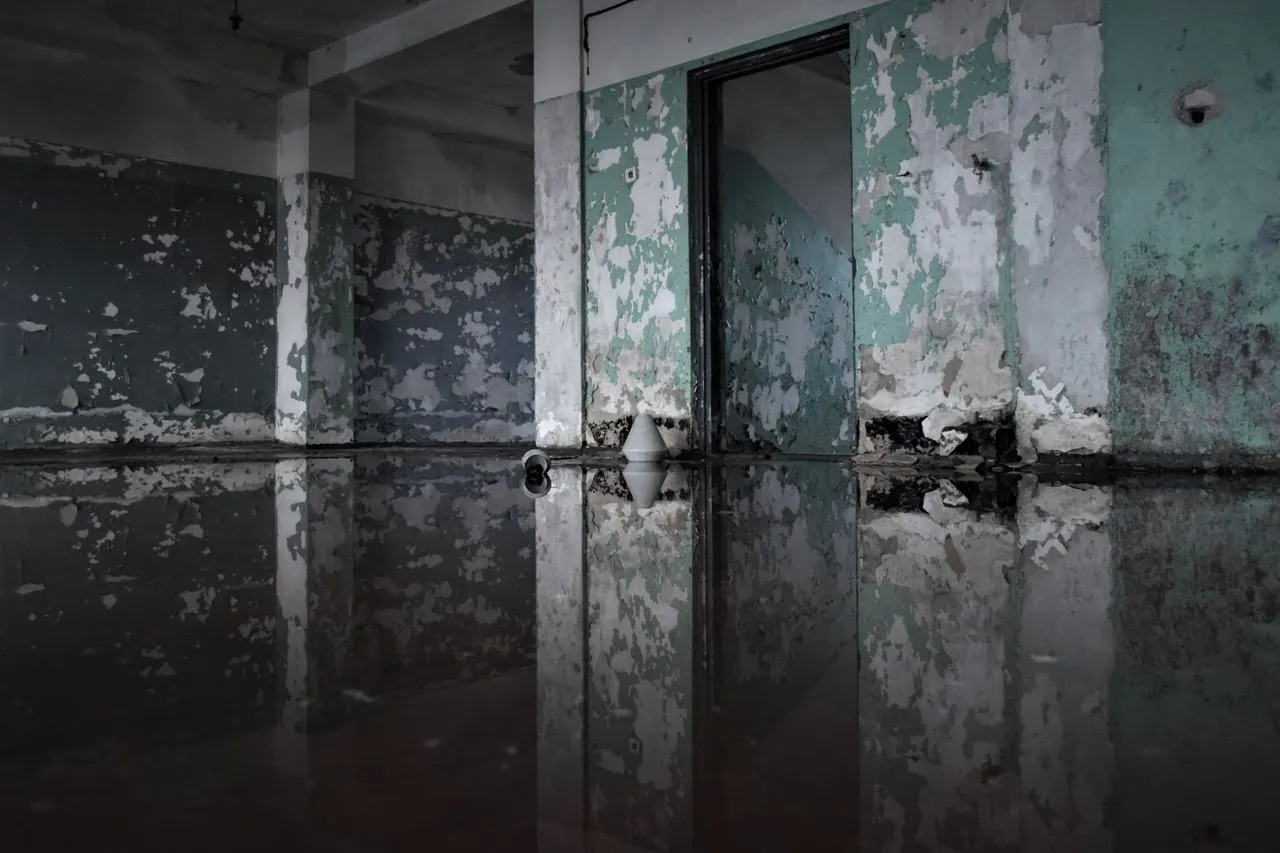
Sits on top of hardwood and pulls moisture up through the finish. Essential for drying sealed floors without sanding first.
Thermal views are illustrative, generated from the photographs.
Measures relative humidity in the drying chamber. We keep it below 50 percent to prevent mold growth.
Inspects under floors and inside wall cavities without demolition. We use it to check subfloor condition after extraction.
We follow the IICRC S500 standard for water damage restoration, which sets drying goals based on material type and category of water. Hardwood gets a specific target moisture content, and we do not stop until it is reached.
We dry hardwood slowly to prevent splitting. Target is a 2 to 4 percent moisture content drop per day. Daily readings tell us whether to add or remove equipment.
After extraction, we apply antimicrobial solution to subfloor and joists. This stops mold growth during the drying period, especially in Philadelphia's humid basements.
We log moisture readings, thermal images, and equipment placement in Xactimate-compatible format. Your adjuster gets the same file you do, which speeds up the claim.
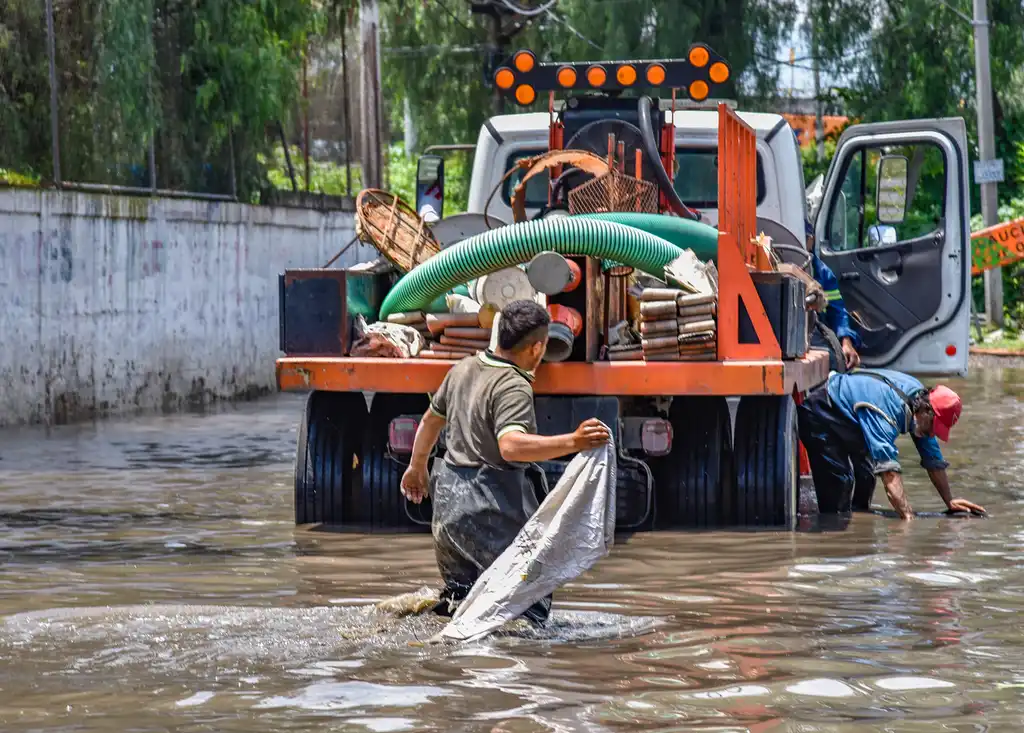
A pipe bursts overnight and water spreads across the first-floor oak.
We shut off the water, extract standing water, and set drying equipment the same day. Moisture mapping shows how far water traveled under the floor and into adjacent rooms.
Outcome: Most floors dry in three to five days. Cupping flattens and the finish is restored without full replacement.
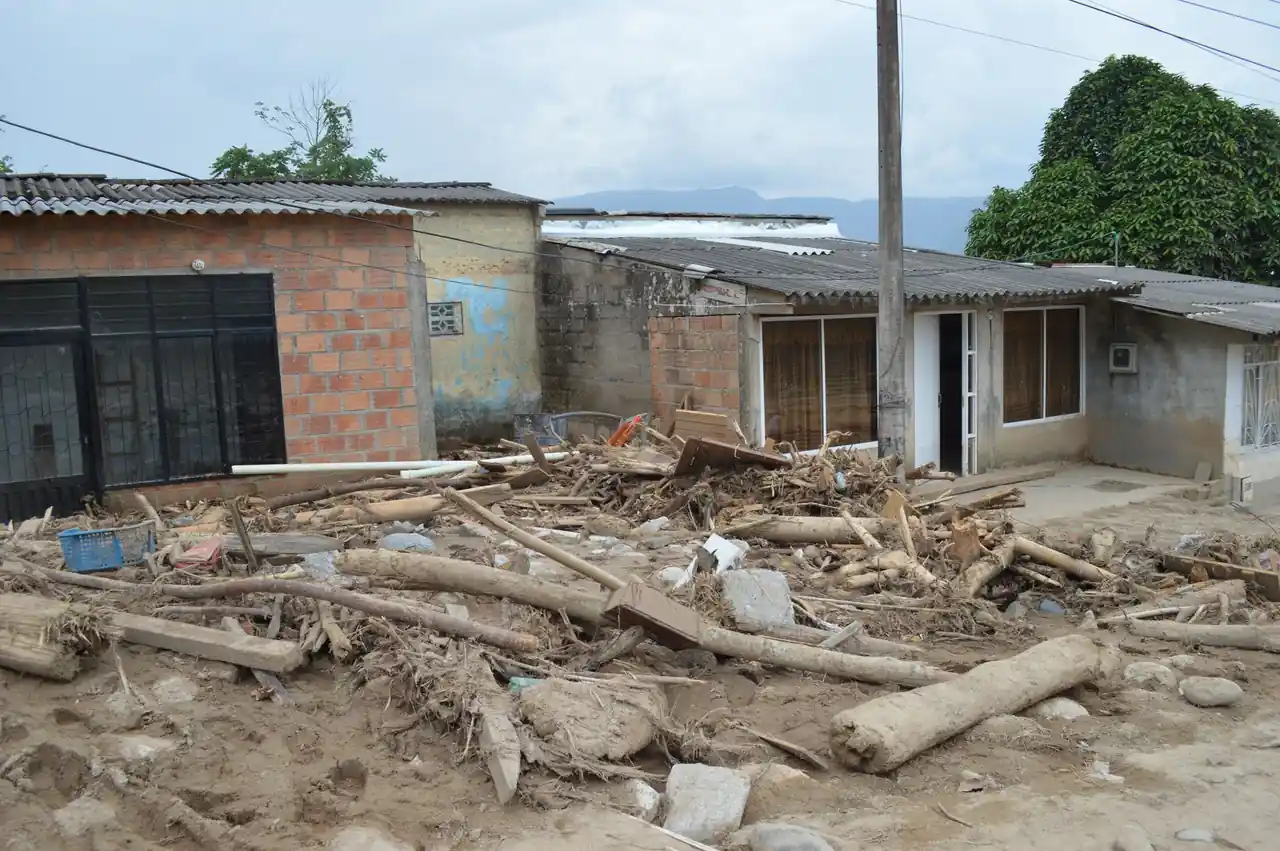
A sump pump fails during a storm and the basement floods, soaking the floor above.
We extract the basement, check the hardwood above with a moisture meter, and set drying mats if needed. We also document the sump failure for insurance.
Outcome: The floor above stays intact, and you avoid a second restoration job.
A water heater leaks 60 gallons onto the kitchen and hallway hardwood.
We extract, remove baseboards to dry the wall cavity, and run dehumidifiers. Boards that delaminated are replaced with matching stock.
Outcome: The floor is dry in four days and the repair blends into the existing finish.
A roof leak drips through the ceiling onto a second-floor bedroom floor.
We fix the leak path, dry the ceiling and floor together, and check the subfloor for moisture. Drying mats go on the hardwood to pull water up through the finish.
Outcome: The floor dries without cupping, and the ceiling is repaired after the wood is stable.

A sewage backup floods a finished basement with engineered hardwood.
We remove contaminated flooring, disinfect the slab, and dry the structure. Replacement flooring goes in after clearance testing.
Outcome: The space is safe and dry, and the insurance claim is fully documented.
Philadelphia's housing stock is old, and that changes how we dry hardwood. Most rowhomes have original white oak over tongue-and-groove subfloors that trap water after a burst pipe or sewage backup. The wood is dense and slow to release moisture, so we extend drying timelines and check readings daily. Summer humidity makes it worse, which is why we size dehumidifiers for the room, not the square footage alone.
Winter brings frozen pipe bursts that dump water fast. We see a spike in emergency hardwood floor drying Philadelphia calls from December through March. Center City high-rises have engineered floors over concrete, which dry differently than solid oak. We adjust the plan for each building type.
If you need same day hardwood floor restoration Philadelphia PA, call before noon and we can usually assess the same afternoon.
Before: A supply line burst under the kitchen sink and ran for six hours before anyone noticed. Water spread across 320 square feet of original oak, and the boards were cupped at every seam. The homeowner had already been told by another company that the floor needed full replacement.
After: We extracted the standing water, set drying mats and dehumidifiers, and monitored moisture daily for four days. Cupping flattened to within 1 millimeter.
Keep indoor humidity between 35 and 50 percent year-round. Check under the sink for drips monthly, and replace supply lines every five years.
Before: A sump pump failed during a summer storm and the basement took on four inches of water. Water wicked up into the first-floor hardwood through the subfloor. Moisture readings hit 28 percent in three rooms, well above the dry standard of 8 to 10 percent.
After: We extracted the basement, dried the slab, and set drying equipment on the first floor. After five days, all three rooms read 9 percent. Two delaminated boards were replaced and the finish was blended. The floor was saved.
Test the sump pump every spring before storm season. Install a battery backup and a water alarm near the pit.
Before: A water heater in a 14th-floor unit leaked overnight and soaked engineered hardwood in the hallway and two bedrooms. The building manager shut off the water at 6 a.m. and called us. About 550 square feet was affected, and the concrete subfloor was saturated.
After: We extracted, set dehumidifiers and air movers, and dried the concrete and wood for six days. Moisture content dropped from 22 percent to 8 percent. No boards needed replacement. The insurance claim was documented in Xactimate and approved without a second inspection.
Flush the water heater annually and replace the anode rod every three to five years. Check the pan drain for clogs each season.
Water damages hardwood in predictable ways. Catching these early is the difference between a refinish and a full replacement.
A dry floor that looks like nothing happened.
Wood swells across the grain when wet, and the edges rise higher than the center. That is cupping. If you dry the surface only, the bottom stays wet and the boards stay warped. We dry from both sides using drying mats and controlled airflow, which flattens most mild cupping within 72 hours.
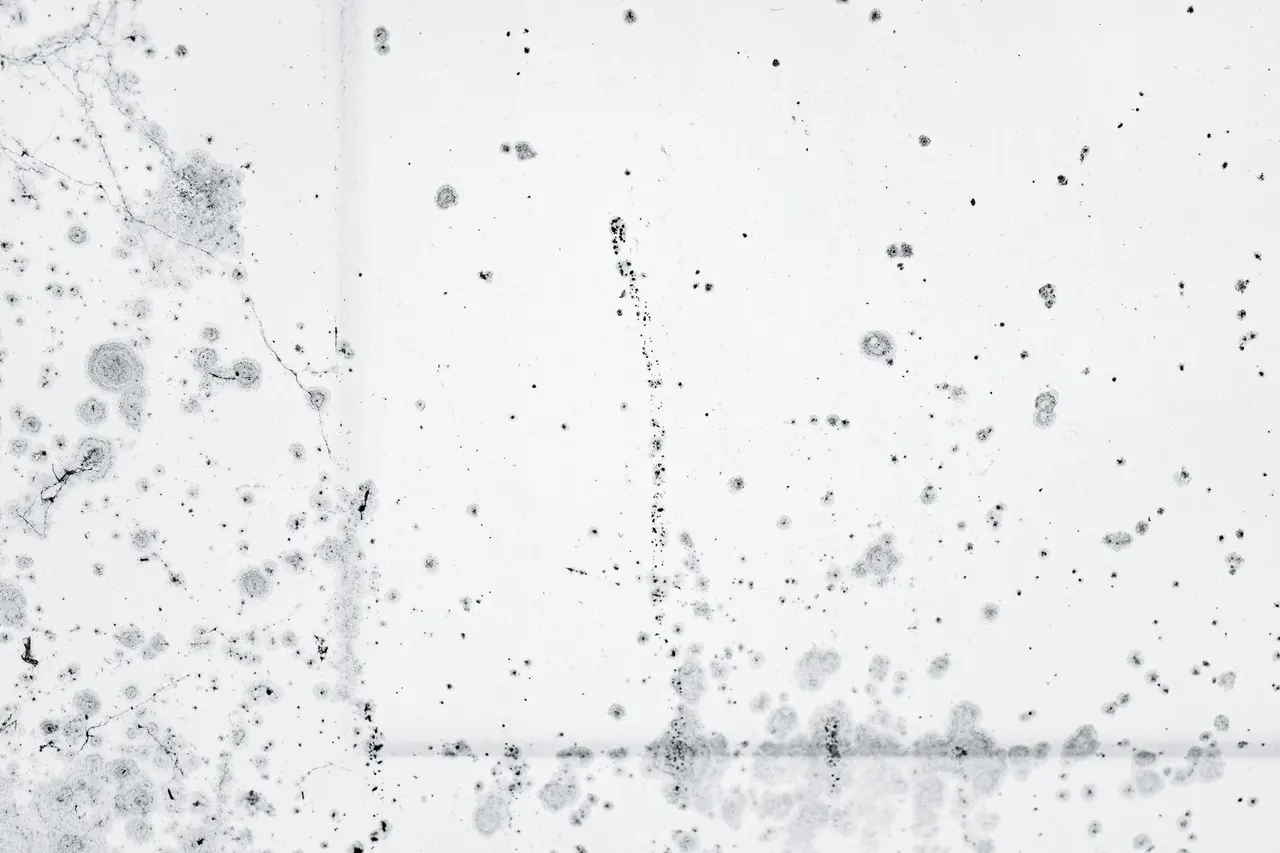
Mold can colonize wet subfloor and joists in 24 to 48 hours. We apply antimicrobial solution, run HEPA vacuum filtration, and keep humidity below 50 percent during the dry-down. That combination stops mold growth in Philadelphia's damp basements and crawl spaces before it becomes a separate remediation job.
We measure moisture content daily and only recommend board replacement when a plank has delaminated or the tongue has cracked beyond repair.
We log moisture readings, thermal images, and daily drying progress in Xactimate-compatible format. That documentation supports your claim and shows the adjuster exactly why the drying took four days instead of one. You get the file, and your contractor or adjuster gets the same numbers.
What a written scope covers and what shapes it. Prices are set by the business after the first look.
Included
Depends on
Clear records you can keep and share.
Daily moisture readings and equipment notes.
Before-and-after images of the floor.
Written plan with materials and steps.
Completion summary with verification numbers.
Solid and engineered floors hold water differently, and the drying plan changes with each.
Thick planks over tongue-and-groove subfloor.
Thin veneer over plywood or concrete.
Composite core that swells when wet.
A list like this tells people straight away whether you cover their street. Not listed? Call and ask: it only takes a minute.
Based in Philadelphia and covering the places around it. Pick one for local details.
A single room with mild cupping usually lands at the low end. Whole-floor jobs with sewage backup or subfloor saturation run higher. We give you a written scope before we set equipment, and we bill insurance directly when the loss is covered.
Water Damage Restoration Philly handles hardwood floor water damage repair in Philadelphia, Pennsylvania, including board replacement, sanding, and refinishing after drying. We carry IICRC WRT and ASD credentials and work with Xactimate for insurance claims. Call 215-281-3000 and we will assess the floor, tell you what can be saved, and schedule the repair.
Yes, most hardwood floors can be saved if drying starts within 24 to 48 hours. Cupping and minor crowning usually flatten during controlled drying. Boards that have delaminated, cracked, or grown mold through the thickness need replacement. We measure moisture content daily and only recommend replacement for planks that will not recover. Original oak in Philadelphia rowhomes is often worth saving.
Most hardwood floor drying takes three to five days with commercial dehumidifiers and air movers running continuously. Thick subfloors, sewage backup, and high humidity can push it to seven days. We check moisture content every day and adjust equipment. You get daily readings so you know exactly where the floor stands and when we expect to finish.
Other services from the same team.
Water sitting on hardwood gets worse every hour. Call 215-281-3000 and we will tell you what to do while we drive.
Call 215-281-3000 any time, day or night. We answer live, ask what happened, and dispatch a crew. If you prefer email, send photos and your address to info@waterdamagerestorationphilly.com and we'll respond within the hour. Most Philadelphia calls get a technician on-site within 60 to 90 minutes.