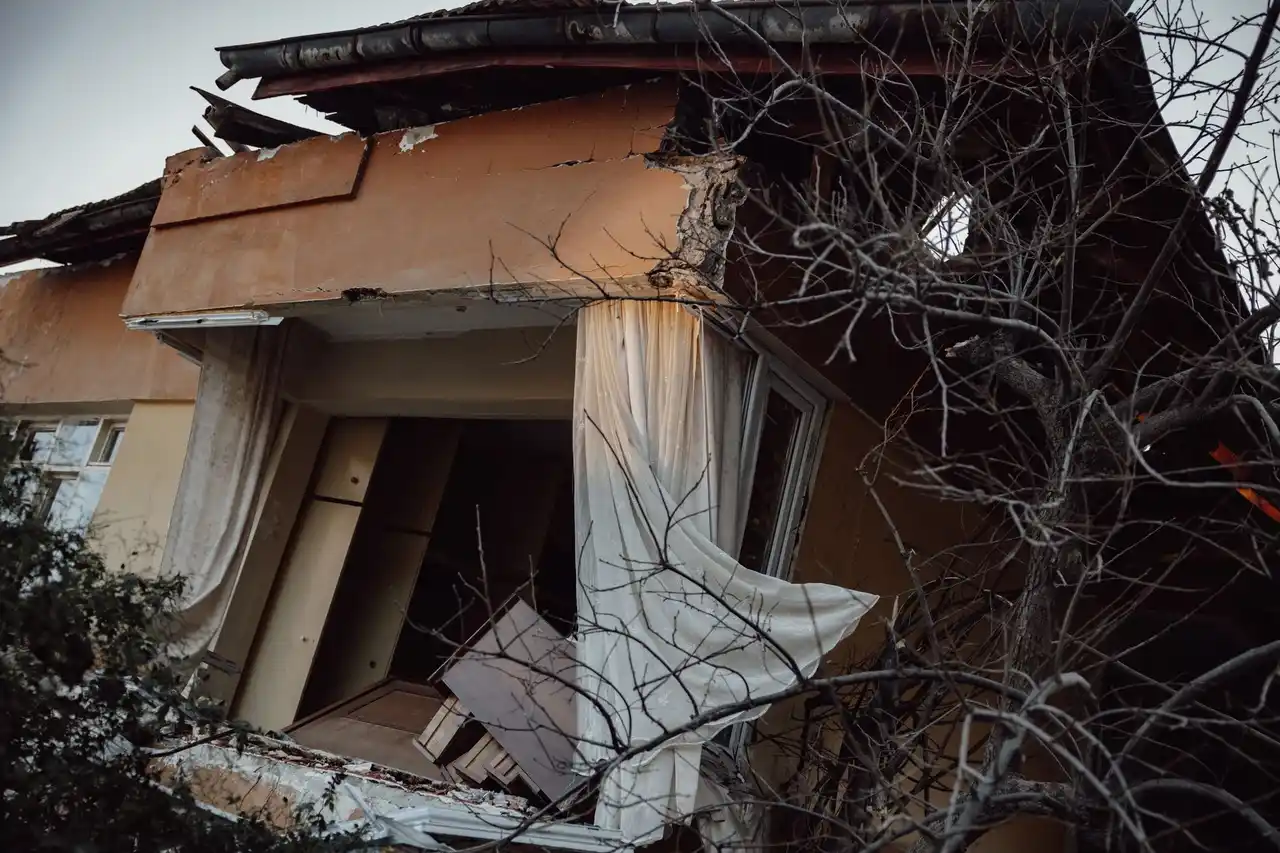
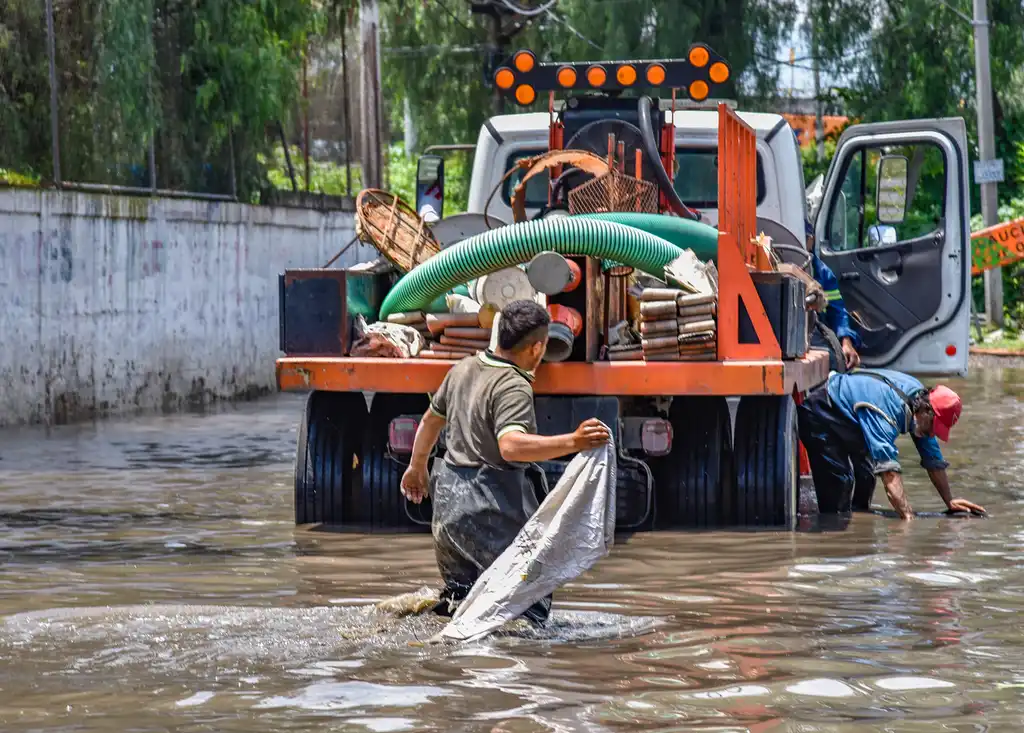
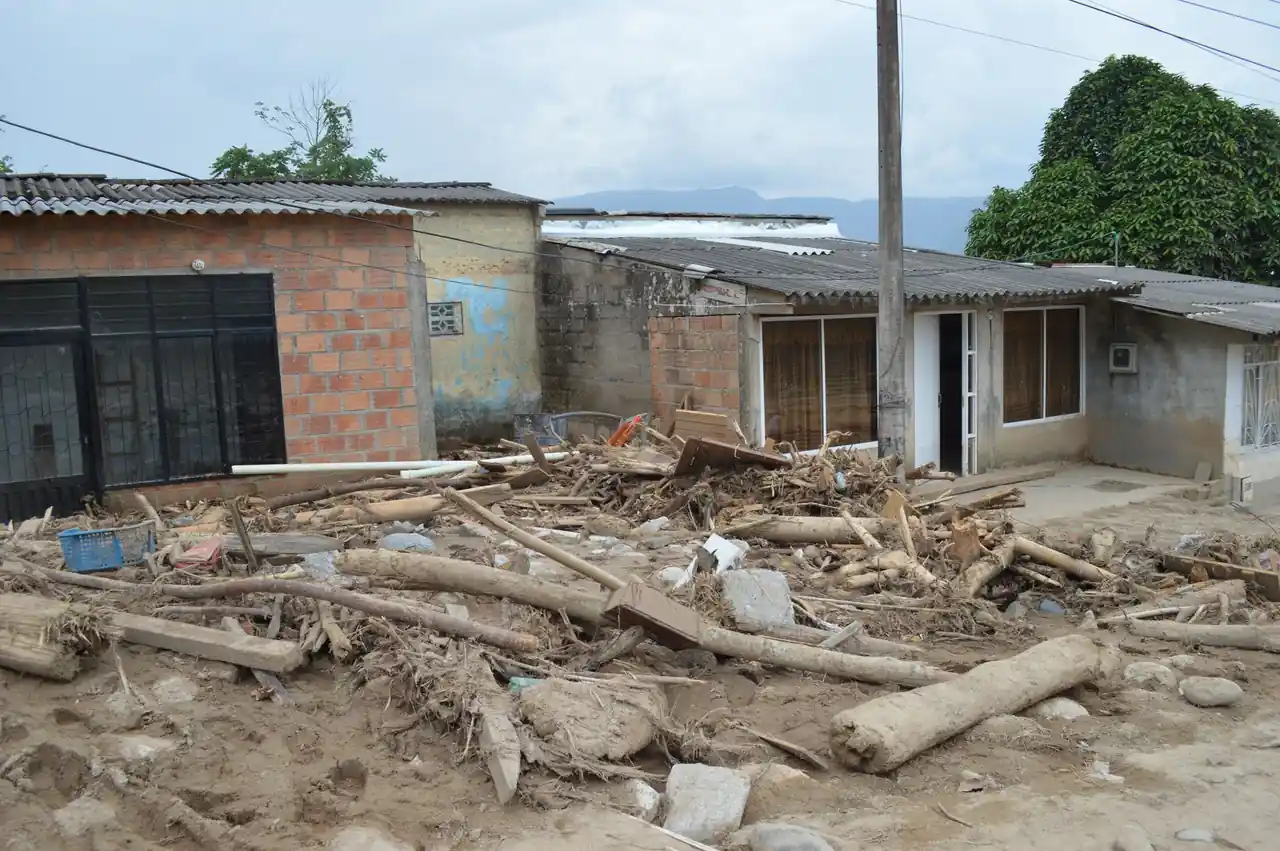
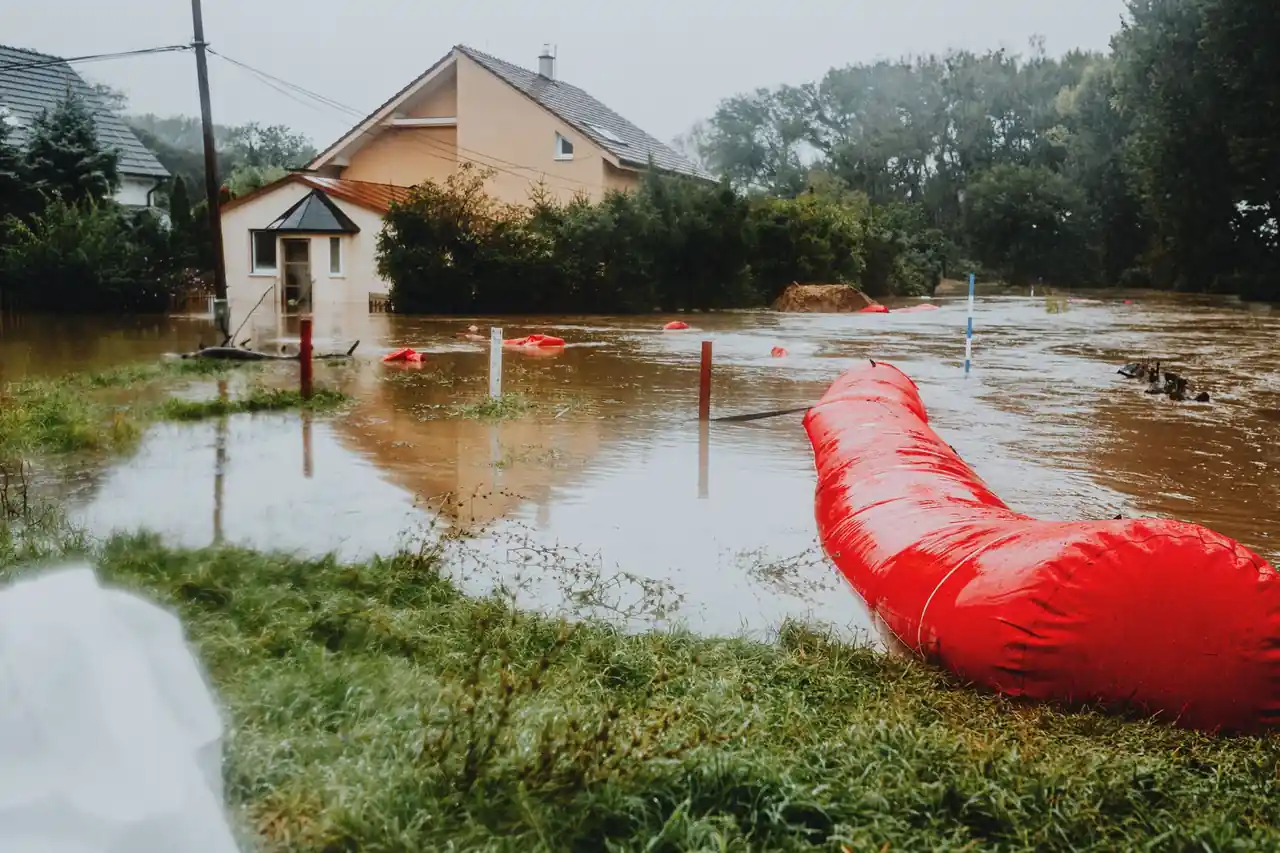
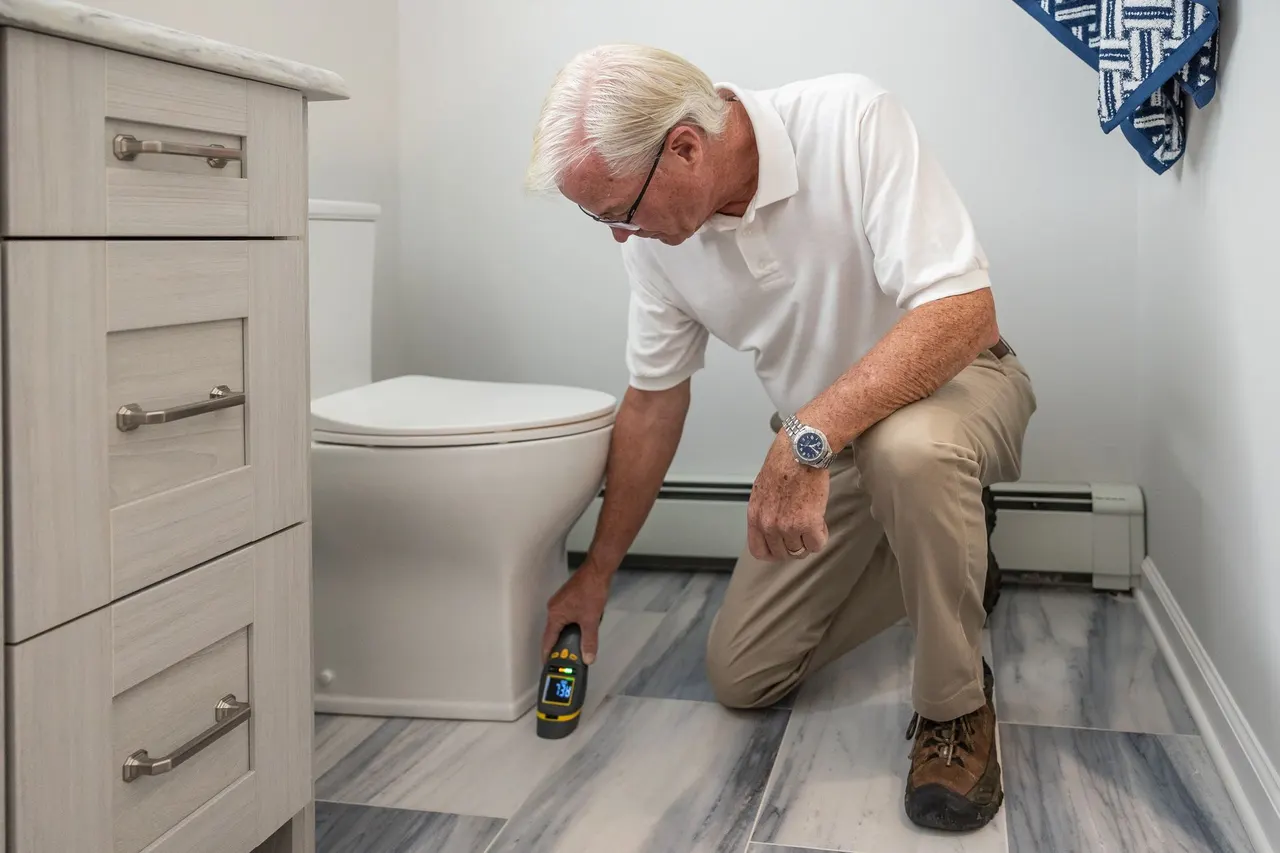
Homes in Kensington
We dry rowhomes, twins, and single-family homes across Kensington. We protect your floors and belongings while we work.
- Older rowhomes
- Finished basements
- Original hardwood floors
- Plaster and lath walls
When a pipe bursts or your basement floods, water damage restoration in Kensington has to start fast. We run emergency water removal, structural drying, and sewage backup cleanup across 19125, 19122, and 19134.
121 Hillside Rd, Wayne, PA 19087, Philadelphia, Pennsylvania

Serving Kensington and nearby
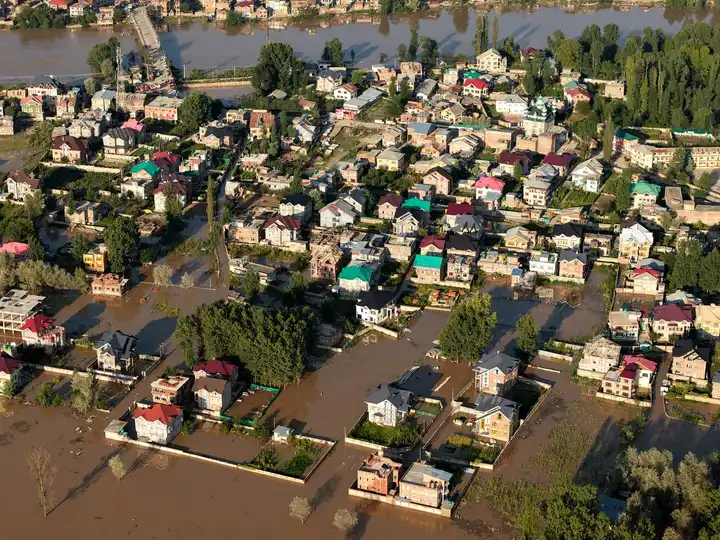
Water damage restoration in Kensington is a different job than it is in newer suburbs. Most of the housing stock here was built before 1950, which means galvanized supply lines, clay sewer laterals, and stone or brick foundations that hold moisture. We have worked these blocks since 2015, and we know which streets flood first when the sewers back up.
Our technicians carry water extraction units, commercial dehumidifiers, and thermal imaging cameras to find hidden moisture behind plaster and under subfloors. We handle everything from a burst pipe in a Fishtown rowhome to a sewage backup near Kensington Market. If you search for water damage restoration near Kensington, you will find plenty of companies.
We are the ones who live here, work here, and know the difference between a roof leak and a rising water table. When you need affordable water damage restoration in Kensington PA, we give you a straight answer and a written price before we start.
Kensington has a high water table in several pockets, especially near the river wards, and the combined sewer system overflows during heavy rain. That means basement flooding is not a rare event here. It is a recurring problem. We serve this area because the demand is real and the housing stock needs someone who understands old construction. A lot of the rowhomes in East Kensington and Port Richmond still have original clay laterals that crack and let roots in. We see the same failures over and over, and we have the tools to fix them fast.
Good to know in Kensington
Galvanized pipes corrode from the inside out, which means they can fail without warning. When they burst, water often travels into shared walls and neighboring units.
If your water damage requires structural repairs, such as replacing drywall or repairing framing, you may need an L&I permit. We pull the permit for you and make sure the work meets Philadelphia code.
Fishtown has a mix of renovated rowhomes and older properties that still have original plumbing. We see a lot of pipe bursts and water heater failures here.
Kensington water damage restoration calls come in waves. Spring brings basement flooding from heavy rain and sump pump failures. Winter brings burst pipes in unheated rowhome basements. We handle all of it.
We handle full water damage restoration in Kensington, from the first extraction to the final moisture reading.
When a pipe bursts at 3 a.m. in Fishtown, you need emergency water removal fast.
Flood damage cleanup in Kensington often means dealing with contaminated water from sewer backups. We treat every flood loss as potentially hazardous until we test it.
Basement water removal Kensington homeowners call us for usually involves a failed sump pump or a backed-up floor drain.
Sewage backups are common in Kensington because the combined sewer system surcharges during heavy rain.
Summer storms and fall nor'easters hit Kensington hard. We handle roof leak water damage, broken windows, and basement flooding after a storm.
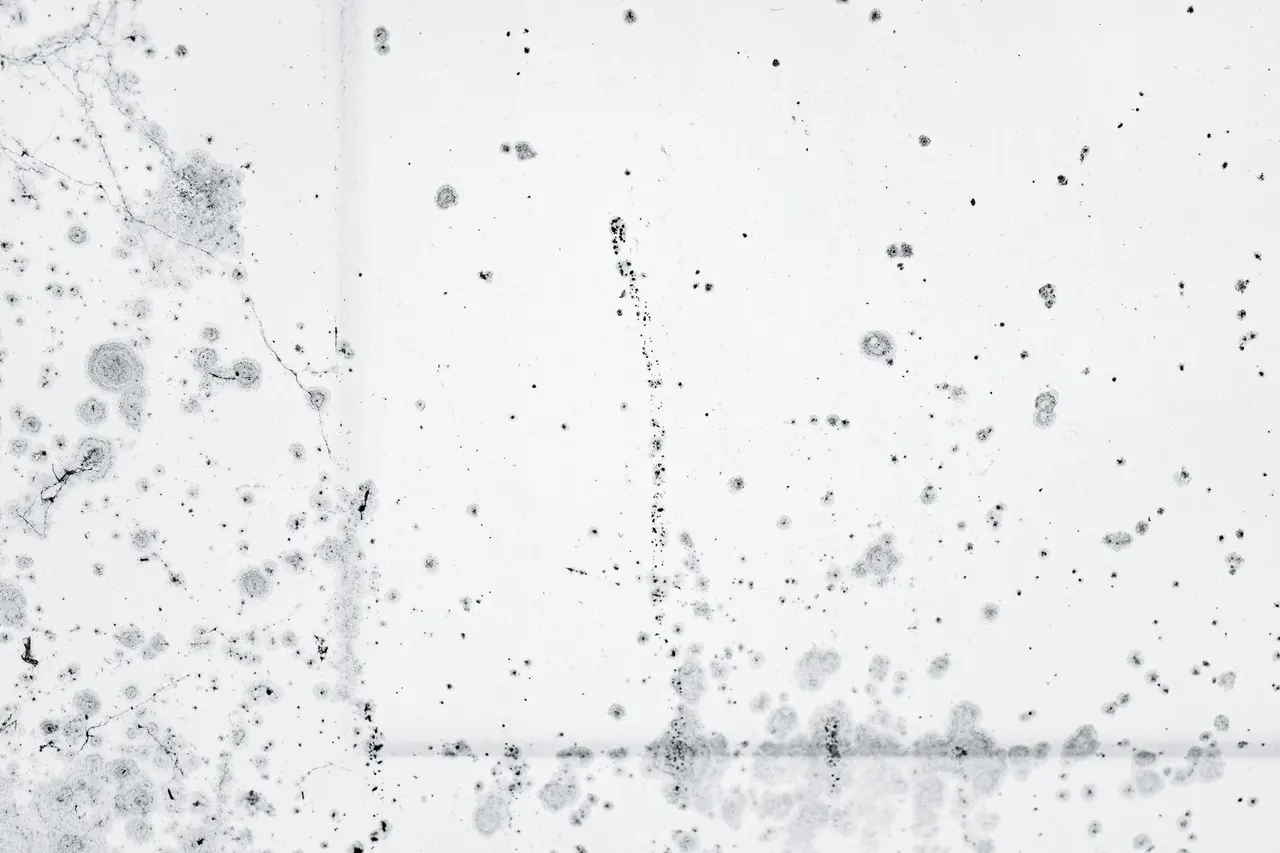
Mold growth in Kensington rowhomes is common after any water event, especially in basements and crawl spaces.
If you smell that musty odor in your Kensington home, we can test for mold. We use moisture meters, hygrometers, and boroscopes to find hidden mold behind walls.
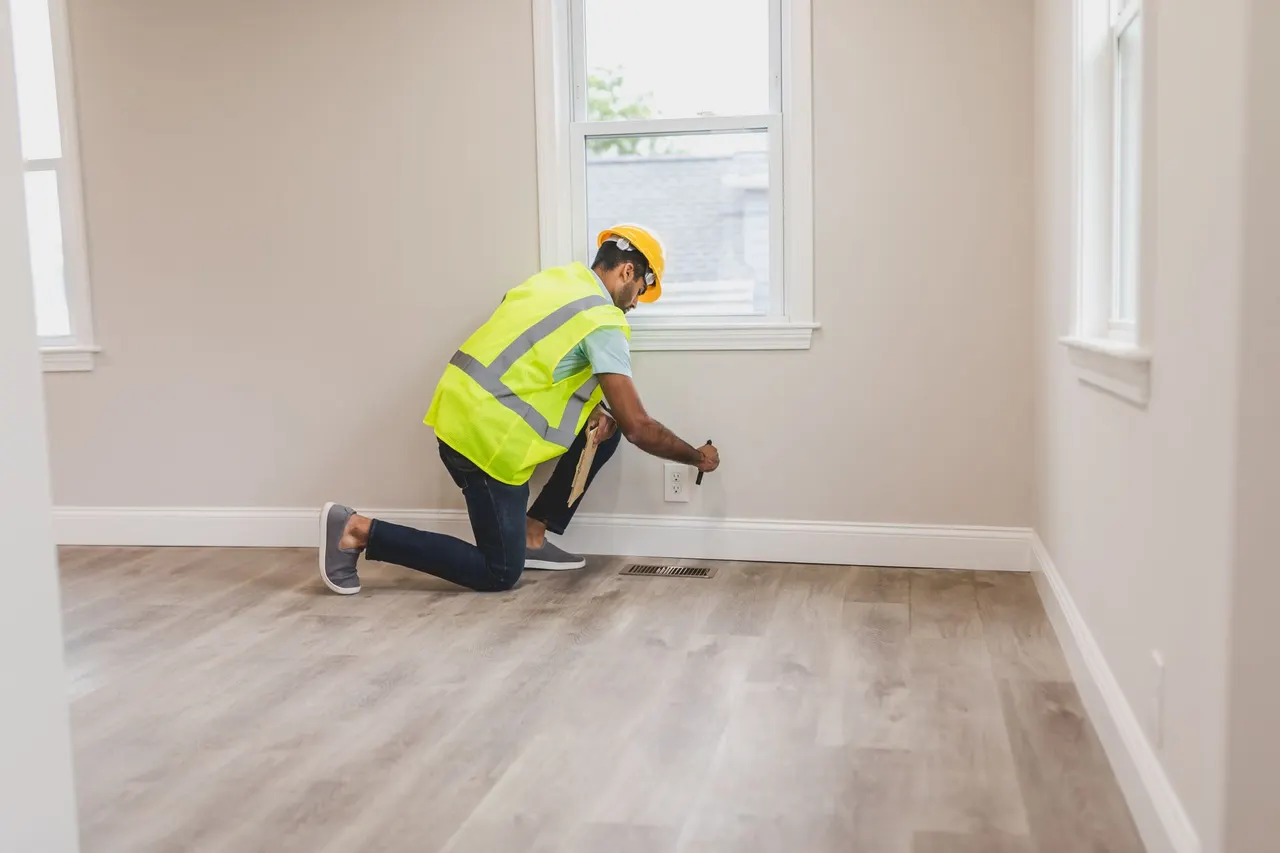
Every job starts with a water damage assessment. We use thermal imaging cameras and moisture meters to map exactly where the water went.
Structural drying is the core of what we do. We set up Dri-Eaz and Phoenix Restoration dehumidifiers and air movers to pull moisture out of your walls, floors, and framing.
Kensington basements stay damp even without a flood. We run commercial dehumidifiers to pull moisture from the air and prevent mold growth.
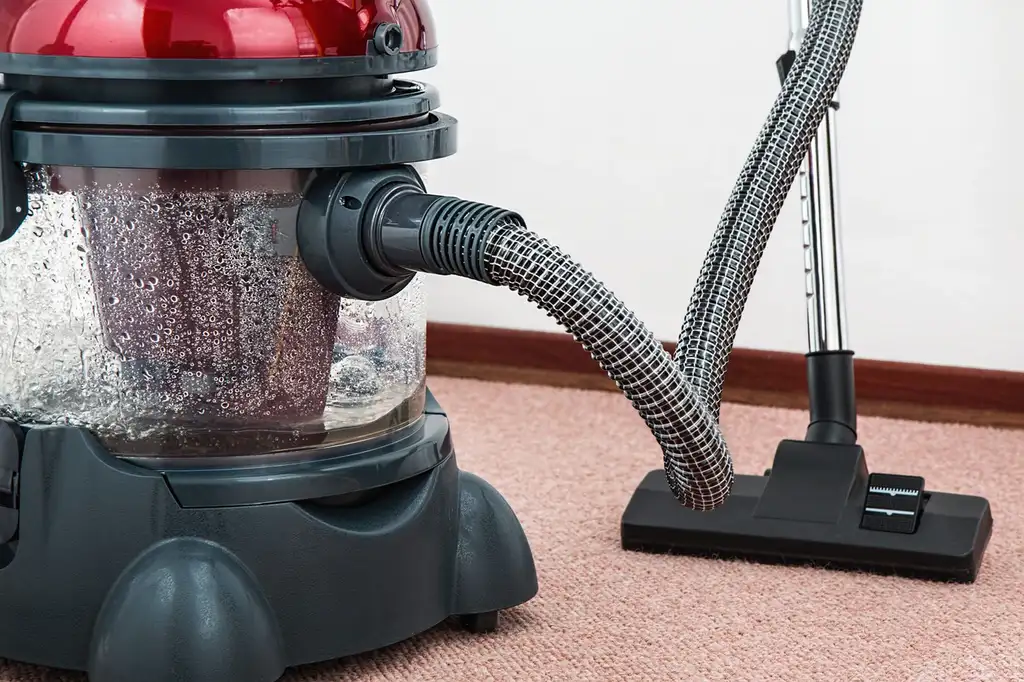
Wet carpet in a Kensington rowhome needs fast attention. We use water extraction units to pull water from the carpet and padding. If the padding is contaminated, we remove and replace it.
Original hardwood floors are common in Kensington homes, and they can often be saved if you act fast.
Drywall in older Kensington homes is often plaster over wood lath, which holds water differently than modern drywall.
A ceiling leak in a Kensington rowhome usually means a roof leak or a plumbing leak from the floor above. We find the source, extract the water, and dry the ceiling structure.
Roof leaks in Kensington are common after nor'easters and summer storms. We tarp the roof to stop the water, then focus on drying the interior.
Pick a service to see how we approach it here.
We start by finding the water source and mapping the moisture with thermal cameras. Then we extract, dry, and document every step for your insurance. We work with the older rowhomes and tight blocks common in Kensington.
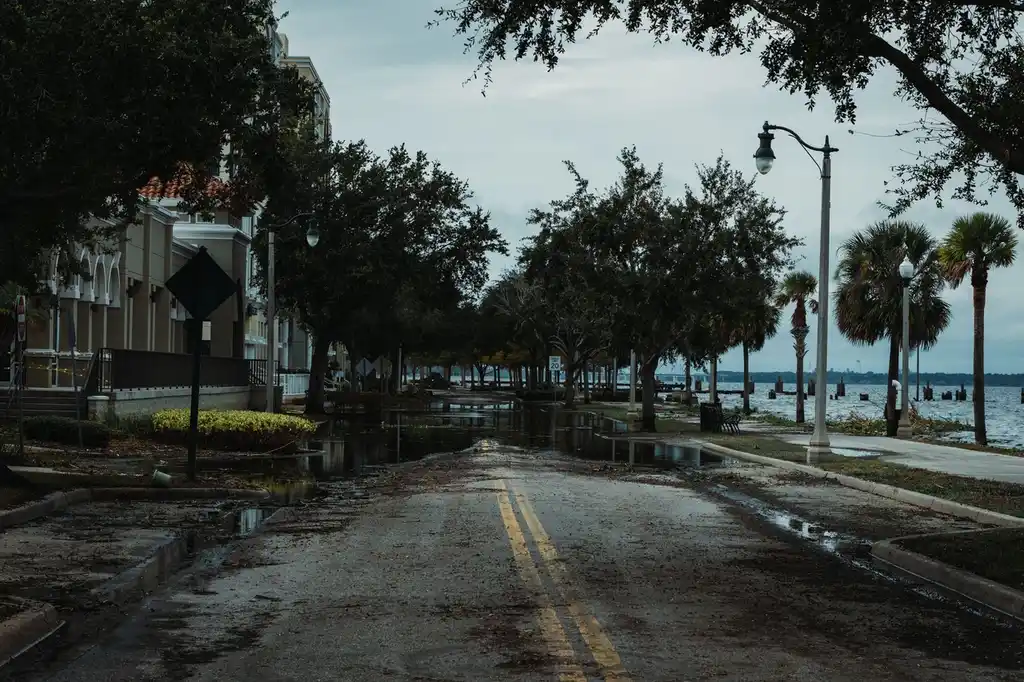
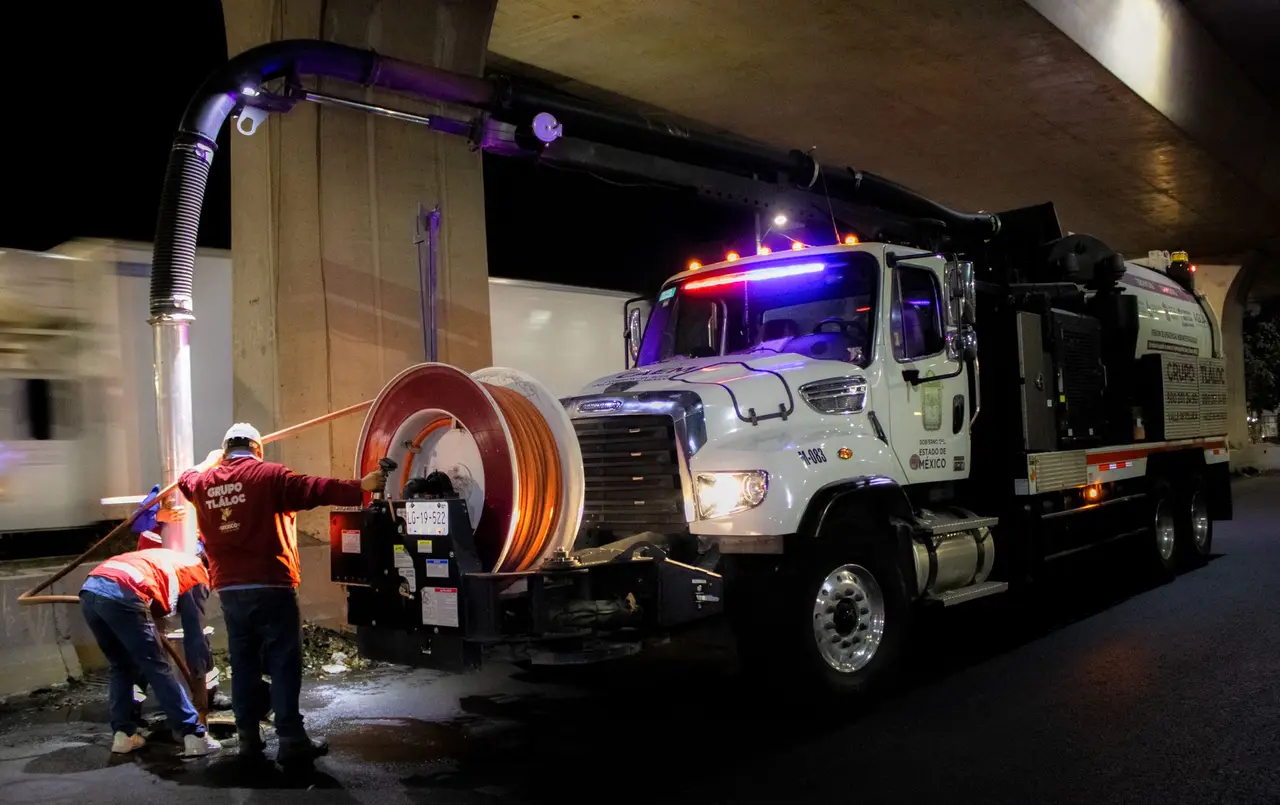
When water is rising, we bring extraction units and wet vacuums to pull it out fast. We work through the night if needed and stage our trucks to avoid blocking narrow streets. We focus on stopping the water before it spreads.
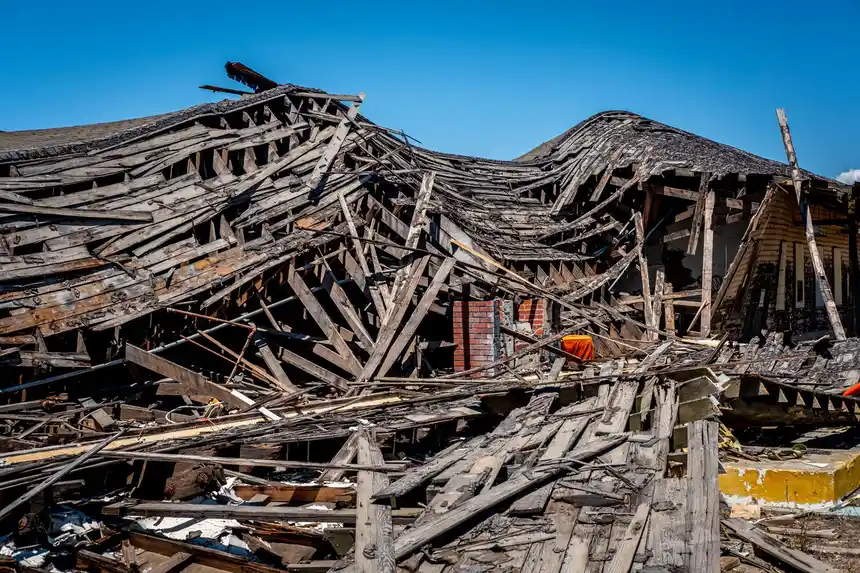
Floodwater in Kensington often carries sewage, so we treat it as contaminated. We wear protective gear, remove affected materials, and sanitize with antimicrobial solution. We also check for hidden moisture behind walls.
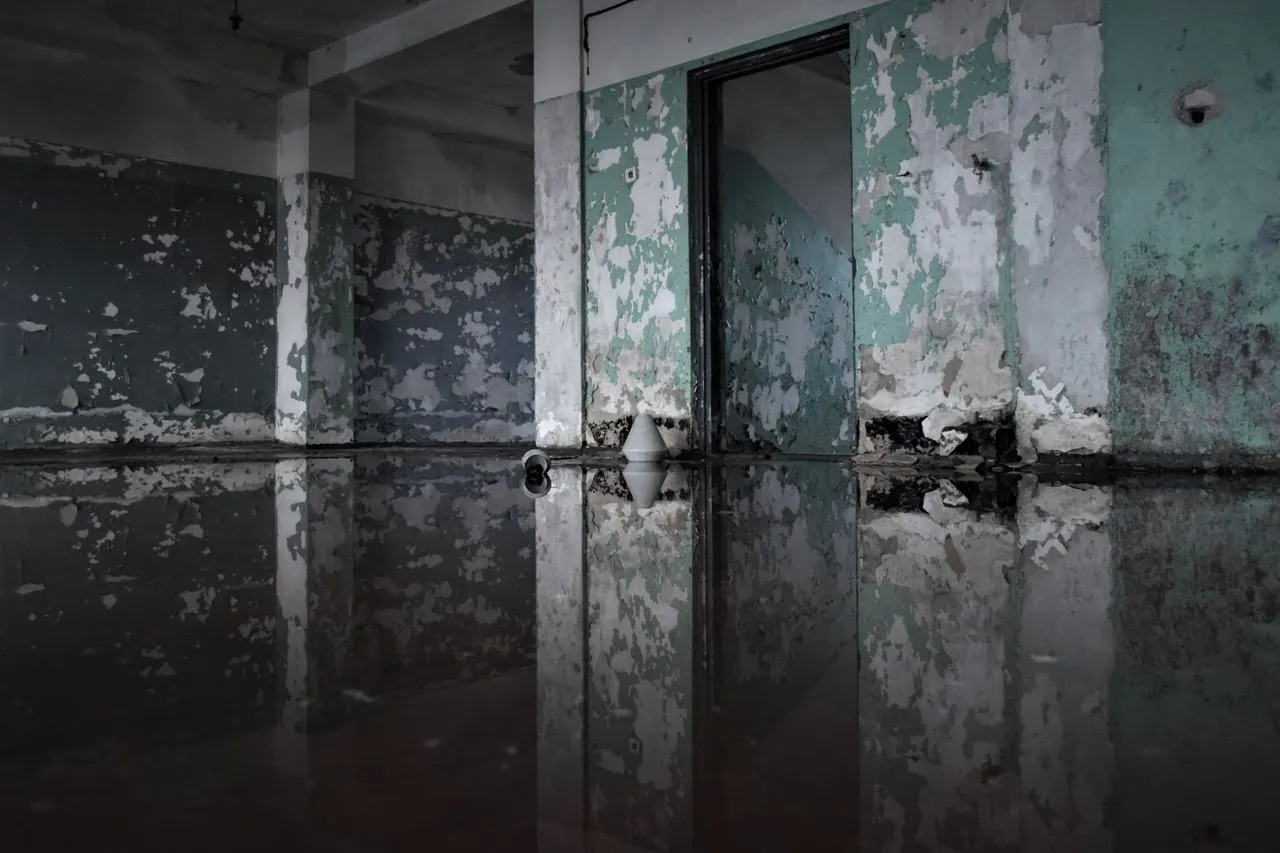
Most Kensington basements are unfinished, which makes extraction straightforward. We pump out the water, then dry the concrete and block walls with dehumidifiers and air movers. We also check your sump pump and drainage.
Homes need fast drying and careful handling of old materials; businesses need minimal downtime.
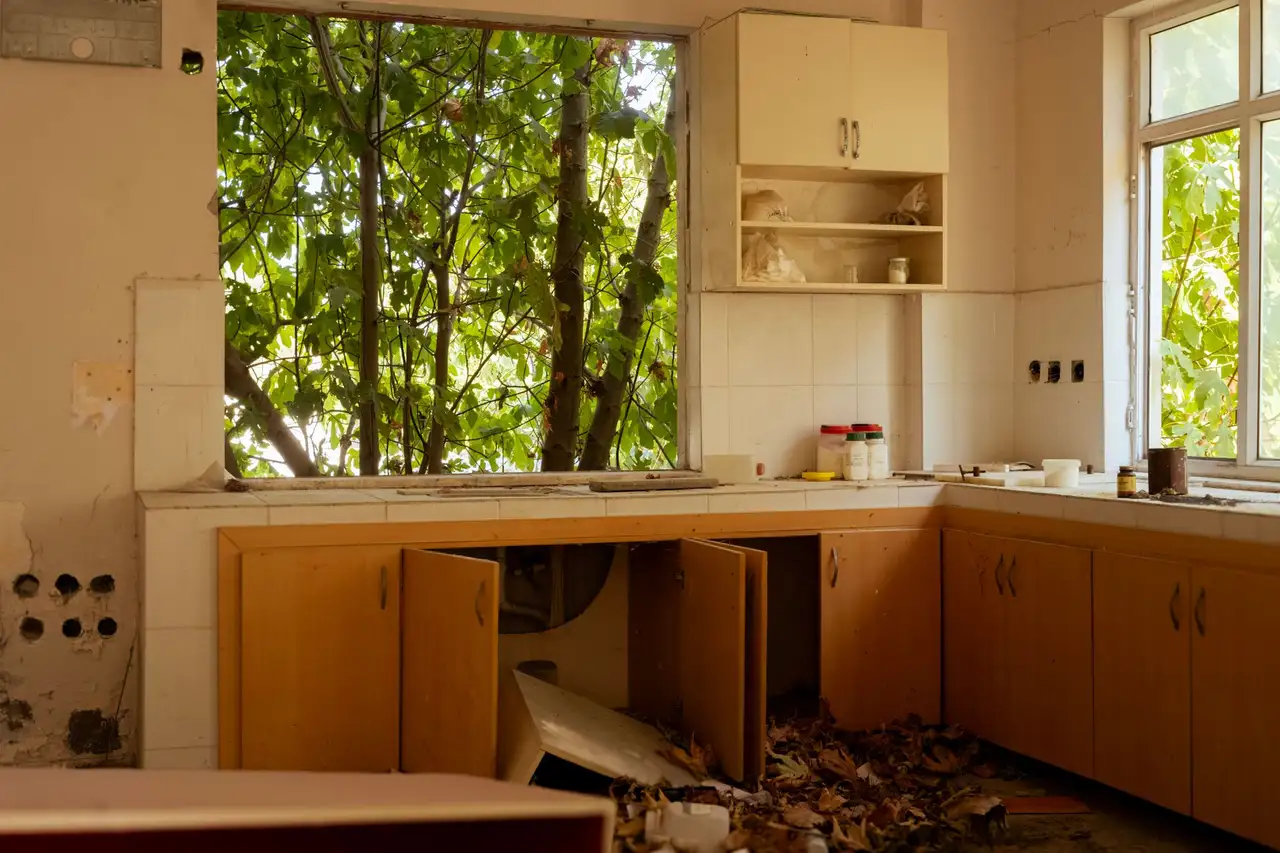
We dry rowhomes, twins, and single-family homes across Kensington. We protect your floors and belongings while we work.
We serve shops, restaurants, and offices along the commercial corridors. We work after hours to keep your business running.
Kensington has a unique set of water damage problems. The older housing stock, combined sewer system, and high water table create issues you will not see in newer suburbs. Here are the most common problems we see and how we handle them.
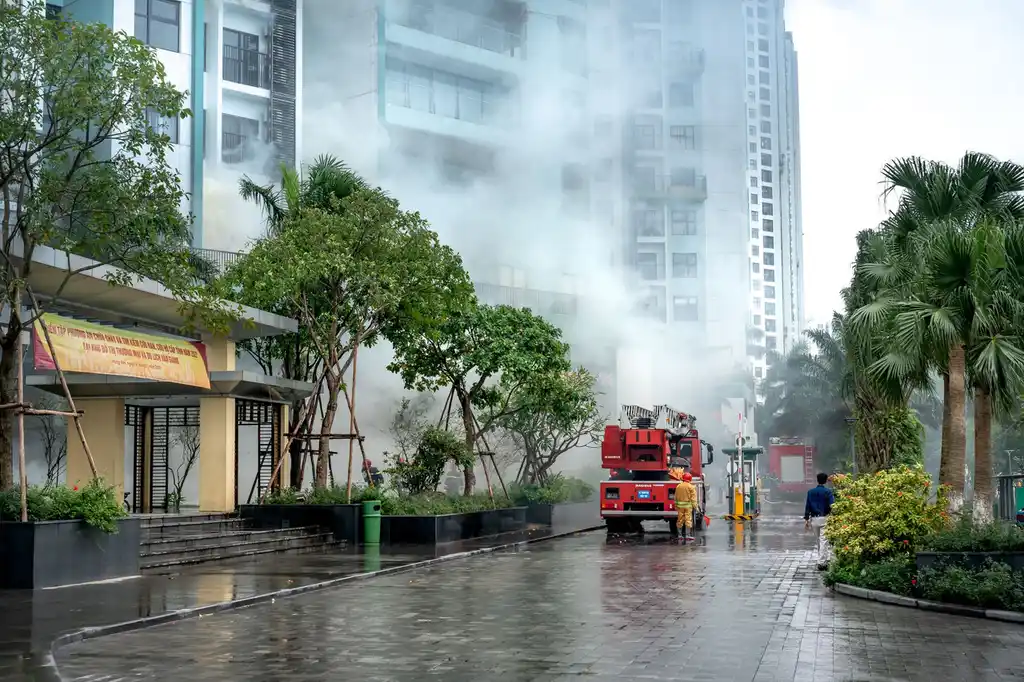
The combined sewer system in Kensington carries both stormwater and sewage. During heavy rain, the system surcharges and water backs up into basements through floor drains. This is a recurring problem in low-lying areas near the river.
Many Kensington rowhomes have unheated basements or crawl spaces. When the temperature drops below freezing, pipes in these spaces can freeze and burst. The damage is often severe because the water runs until someone notices.
Sump pumps work hard in Kensington because of the high water table. When they fail during a storm, the basement floods quickly. Many pumps are old or lack a battery backup.
Kensington's older rowhomes often have flat or low-slope roofs that are prone to leaks. Nor'easters and heavy rain can force water through worn flashing or cracked seams. The leak often shows up on the ceiling below.
If you notice any of these signs, it is time to call a professional.
Any one of these is worth a call.
Nothing picked yet. Tap the signs you have noticed and this box will sum them up.
There is no price list here, because every job is different. These are the things that move an estimate most.
The larger the area, the more equipment and labor are needed. A small bathroom leak might take one day, while a flooded basement can take three to five days to dry.
Clean water from a supply line is cheaper to remediate than sewage or floodwater. Contaminated water requires PPE, antimicrobial treatment, and often removal of affected materials.
Carpet, hardwood, drywall, and insulation all dry differently. Some materials can be saved; others have to be removed and replaced.
Kensington is a tight-knit neighborhood with narrow streets and one-way blocks. We use local landmarks to navigate quickly and find your address without delays. If you are near Kensington Market or Norris Square Park, we know exactly where to go. We also know the parking quirks around Harold O.
Landmark
Kensington Market is a well-known landmark on Kensington Avenue. If you are nearby, we use it as a reference point to find your street quickly.
Landmark
Norris Square Park is a central gathering spot in the neighborhood. We use it to orient ourselves when responding to calls in the surrounding blocks.
Landmark
The Kensington Soup Society is a historic landmark in the area. When you mention it, we know exactly which part of Kensington you are in. It helps us route our truck and avoid delays.
Landmark
Harold O. Davis Park is a local park that serves as a useful navigation point. If your home is near the park, we can find you quickly.
Commercial area
Kensington Avenue is a busy commercial corridor with shops, restaurants, and small businesses. We serve many commercial properties along this strip.
Commercial area
Frankford Avenue in Fishtown has a growing commercial district with bars, restaurants, and retail. We handle water damage for several businesses here.
Transit
The Market-Frankford Line runs along Kensington Avenue with several stops. We use the elevated tracks as a navigation reference when responding to calls in the area.
Transit
I-95 is the main highway access for Kensington. We use the Girard Avenue interchange to reach the neighborhood quickly from our base.
Our water heater burst on a Sunday morning and flooded our basement in Fishtown. I called Water Damage Restoration Philly and they were here in 30 minutes. They extracted the water, set up fans and dehumidifiers, and had everything dry in two days. They also helped us file the insurance claim. I cannot recommend them enough.
We had a sewage backup in our Port Richmond home after a storm. It was a mess. The crew from Water Damage Restoration Philly came out, cleaned everything, and made sure there was no mold. They were professional and explained every step. They even installed a backwater valve so it would not happen again.
A pipe froze and burst in our East Kensington rowhome in January. Water was pouring through the ceiling. The team arrived quickly, shut off the water, and dried out the ceiling and floors. They saved our original hardwood floors, which I thought were ruined. The repair looks great and you cannot tell anything happened.
Kensington's climate means water damage can happen any time of year. Spring brings rain and basement flooding. Summer brings storms and humidity. Fall brings nor'easters. Winter brings frozen pipes. Here is what to expect each season and what you can do to protect your home.
Kensington is part of a larger service area that includes Center City, Old City, and the surrounding neighborhoods. We regularly work in these areas and can respond quickly.
Straight answers to what people ask first.
Sewage backups cost more because they require hazardous materials handling. We provide a written estimate before we start and work with your insurance to cover the cost.
Most homeowners insurance policies cover sudden and accidental water damage, like a burst pipe or water heater failure. Flood damage from rising water is usually not covered unless you have a separate flood policy. We work with all major carriers and can help you file your claim.
Most jobs take 3 to 5 days to dry, depending on the materials affected and the size of the area. Sewage backups may take longer because of the cleanup required. We monitor moisture daily and do not stop until your home is dry to IICRC standards.
If your basement is flooded or you have a burst pipe, call us now at 215-281-3000. We will find the water, stop it, and dry your home. One call and we are on our way.
Call 215-281-3000 any time, day or night. We answer live, ask what happened, and dispatch a crew. If you prefer email, send photos and your address to info@waterdamagerestorationphilly.com and we'll respond within the hour. Most Philadelphia calls get a technician on-site within 60 to 90 minutes.