Water damage restoration cost in Philadelphia: what to expect
Water damage restoration in Philadelphia costs $1,200 to $8,500 for most homes in 2026. Here is what drives the price, what insurance covers, and how to avoid overpaying.
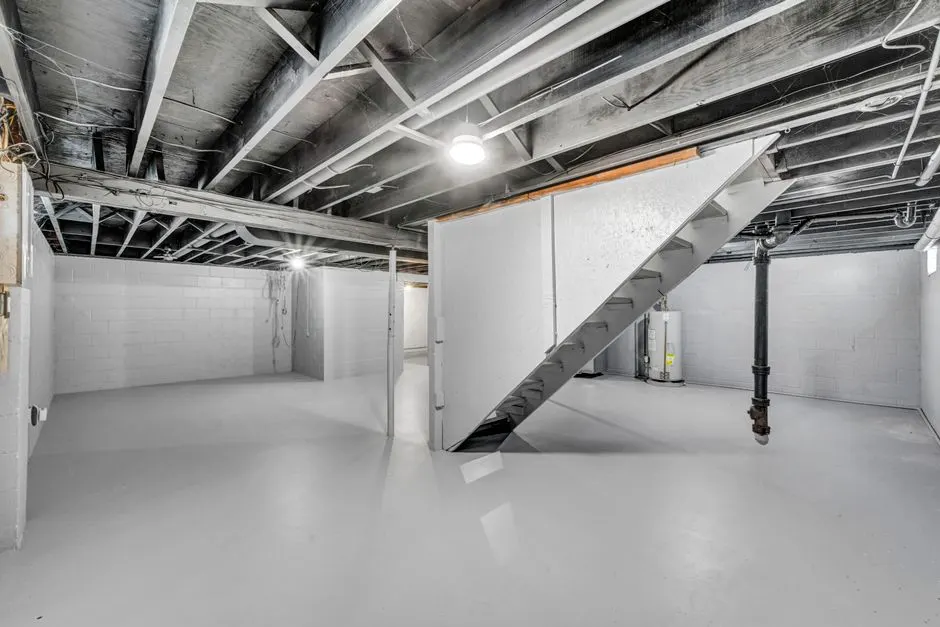
Water damage restoration in Philadelphia costs between $1,200 and $8,500 for most homes in 2026, with the average claim landing near $3,400. A small ceiling leak from a roof flashing failure might run $1,200 to $1,800, while a finished basement flood from a failed sump pump can hit $6,000 or more once drywall, flooring, and contents are replaced. The number moves based on how much water got in, what materials it touched, and how fast extraction started.
Below we break down real 2026 pricing for the Philadelphia market, explain what insurance typically covers, and show you how to estimate your own job before anyone walks through the door.
What water damage restoration costs in Philadelphia in 2026
Water damage restoration cost Philadelphia is the total you pay for extraction, drying, cleaning, and rebuilding after water enters your home. It is not one service - it is a sequence, and each stage has its own price range.
Here is what our crews see across Philadelphia zip codes in 2026:
- Category 1 (clean water) - burst supply line, appliance leak, rain through a failed roof boot: $1,200 to $3,800.
- Category 2 (grey water) - washing machine discharge, toilet overflow with urine, sump pump failure with some groundwater: $2,400 to $5,500.
- Category 3 (black water) - sewage backup, river flooding, ground surface water: $4,500 to $12,000+.
Those ranges include extraction, structural drying, dehumidification, and basic cleanup. Rebuilding - new drywall, paint, flooring, trim - is often billed separately or handled by a contractor after the structure is dry.
For a typical 1,000-square-foot finished basement in Northeast Philadelphia or Roxborough, a clean-water loss with carpet and pad usually lands around $3,200. The same basement with a sewage backup and 2 feet of standing water can push past $9,000 because everything porous has to be removed and the space has to be sanitized.
How much does water damage restoration cost in Philadelphia? A price list
Philadelphia water damage restoration prices break down by line item, and knowing the line items is how you spot an inflated estimate. These are the ranges our team quotes in 2026.
Extraction and drying
- Emergency water extraction: $150 to $600 depending on volume and access.
- Structural drying (air movers and dehumidifiers): $35 to $75 per unit per day, usually 3 to 5 days.
- Dehumidification: $60 to $120 per day for large commercial-grade units.
- Moisture mapping and daily monitoring: $50 to $150 per visit.
Drying is where the clock matters. A 1,200-square-foot wet area typically needs 8 to 12 air movers and 2 to 3 dehumidifiers running for 72 to 96 hours. If a company tells you it will be dry in 24 hours, they are either not measuring moisture or not planning to come back.
Material-specific repair
- Carpet water extraction and drying: $3 to $6 per square foot; replacement runs $4 to $9 per square foot.
- Hardwood floor drying and restoration: $4 to $8 per square foot for drying; full replacement is $8 to $15 per square foot.
- Drywall water damage repair: $2.50 to $6 per square foot, including cut-out and replacement.
- Ceiling water damage repair: $300 to $1,200 for a typical room, more if texture matching is needed.
- Baseboard and trim replacement: $4 to $10 per linear foot.
Specialty cleanup
- Sewage backup cleanup: $2,500 to $7,500 for a basement; includes removal of contaminated materials and antimicrobial treatment.
- Mold remediation: $1,500 to $6,000 depending on square footage and containment needs.
- Odor removal and deodorization: $300 to $1,200, often using hydroxyl or ozone treatment.
- Content cleaning and pack-out: $200 to $1,500, plus storage if items leave the home.
If you want a real number for your address, the fastest path is a water damage assessment Philadelphia PA - we map moisture, photograph affected materials, and hand you a written scope before any equipment gets unloaded.
What actually drives the price up or down
Two houses on the same block with the same square footage can get quotes $4,000 apart. Here is what separates them.
Water category and contamination
Clean water from a supply line is the cheapest loss you can have. Sewage backup cleanup is the most expensive because every porous material it touches - drywall, carpet, insulation, cardboard, fabric - has to be bagged and hauled out. Philadelphia's older combined sewer system backs up into basements during heavy rain, and we see a spike in these jobs every spring and again in late summer when thunderstorms roll through.
How long the water sat
Mold can colonize wet drywall in 24 to 48 hours. If you call us the same day, drying is usually enough. If the water sat for a week while you were away, you are now paying for mold remediation on top of water damage repair - often doubling the bill.
Materials affected
Concrete and ceramic tile survive water. Hardwood, laminate, carpet, and drywall usually do not. A wet concrete basement floor with a floor drain might cost $1,500 to dry. The same volume of water on hardwood over a plywood subfloor can hit $6,000 because the wood cups, the subfloor swells, and both need replacement.
Access and building age
Rowhouse basements in Fishtown, South Philly, and Kensington are often accessed through a narrow hatch or a tight interior stair. That slows extraction and limits which equipment fits. In basement water extraction Philadelphia PA jobs, we frequently run smaller portable units in series rather than one truck-mounted unit - more labor hours, higher cost, but the only way to actually get the water out.
Emergency vs. scheduled
After-hours calls cost 15% to 30% more. A pipe that bursts at 2 a.m. on a Sunday is an emergency water removal Philadelphia PA job, and you are paying for a crew to mobilize when everyone else is asleep. If you can wait until morning, you will save money - but only if the water is not still running.
Does insurance cover water damage restoration cost in Philadelphia?
Yes - most standard homeowners policies in Pennsylvania cover sudden and accidental water damage, which includes burst pipes, appliance failures, and storm-driven roof leaks. They do not cover gradual leaks, poor maintenance, or surface flooding unless you carry a separate flood policy through NFIP or a private carrier.
Here is how coverage typically breaks down:
- Covered: burst pipe, water heater failure, washing machine hose rupture, ice dam backup, accidental toilet overflow, storm-created roof opening.
- Usually covered: mold remediation if it resulted directly from a covered water event and you reported it promptly.
- Not covered: seepage through a foundation wall over months, a slow drain leak you ignored, groundwater flooding, sewer backup unless you added the endorsement.
Sewer backup coverage is a cheap add-on - often $50 to $100 per year - and it is the single most valuable endorsement for a Philadelphia rowhouse owner. Without it, a sewage backup cleanup Philadelphia PA bill comes straight out of your pocket.
Two things speed up a claim: call your insurer the same day you discover the damage, and get a documented moisture assessment before demolition starts. Adjusters want to see the before, not just the after.
Water damage restoration cost calculator Philadelphia: how to estimate your job
You can rough out your own number in about five minutes using four inputs. It will not replace an on-site assessment, but it will tell you whether a quote is in the ballpark or wildly off.
- Measure the wet area. Length times width in feet. A 20x15 basement room is 300 square feet.
- Identify the water category. Clean, grey, or black. Black water roughly triples the per-square-foot cost.
- List the affected materials. Carpet, drywall, hardwood, and insulation all carry different replacement costs.
- Add drying days. Most jobs run 3 to 5 days of equipment. Multiply units by daily rate by days.
A quick example: 300 square feet of carpet and pad in a finished basement, clean water from a failed supply line, 4 days of drying. Extraction $400, drying equipment $1,100, carpet and pad replacement $1,800, baseboard $300, monitoring $200. Total: roughly $3,800.
If a contractor quotes you $9,000 for that same job with no mold and no sewage, ask them to walk you through the line items. Sometimes there is a legitimate reason - hidden moisture behind a finished wall, for instance. Sometimes there is not.
We handle this daily across the city, from residential water damage restoration Philadelphia PA in rowhouses to larger losses in twins and detached homes in the Northeast. Every quote we give is itemized, and the price we quote is the price you pay.
What to watch out for when hiring a restoration company
The water damage industry has a storm-chaser problem, and Philadelphia sees it every time a big storm rolls through. Here is what to avoid.
- Door-knockers after a storm. If someone shows up uninvited the day after a flood offering to handle your insurance claim, be skeptical. Legitimate companies do not need to canvass.
- Verbal estimates with no scope. You should get a written, itemized scope before work starts. If a company will not put it in writing, walk away.
- Pressure to sign an Assignment of Benefits. That document hands your insurance rights to the contractor. In Pennsylvania, you do not need to sign one to get your home fixed.
- No moisture readings. A crew that starts pulling drywall without a moisture meter is guessing. Ask to see the readings.
- Drying that ends too early. If equipment is picked up after 24 hours, the structure is probably still wet. That is how mold claims start.
One more: be careful with companies that quote a flat rate over the phone. Water damage is not a flat-rate job. Anyone who gives you a firm number without seeing the space is either lowballing to get in the door or padding the number to cover surprises.
When to call a professional
You can handle a small spill with towels and a fan. You should call a professional the moment any of these are true:
- Water has reached drywall, carpet, or a finished ceiling.
- The source is a sewage line, a toilet with solid waste, or any water that smells.
- More than 10 square feet is wet, or the water has been sitting more than 12 hours.
- You see discoloration, bubbling paint, or a musty smell - all signs of hidden moisture or early mold.
- The water came from outside the home: groundwater, storm surge, or a flooded street.
Our team handles the whole sequence - extraction, drying, repairs, and the insurance paperwork that goes with it. If you are not sure whether your situation qualifies, call and describe it. We will tell you honestly whether you need us or a shop vac.
Frequently Asked Questions
How much does water damage restoration cost in Philadelphia?
Most Philadelphia water damage restoration jobs cost $1,200 to $8,500 in 2026, averaging around $3,400. Clean-water losses run lower; sewage backups and flooded finished basements run higher. Final cost depends on water category, square footage affected, materials, and how quickly drying starts.
What is the average cost of water damage restoration in Philadelphia PA?
The average sits near $3,400 for a typical rowhouse or twin. A small ceiling leak averages $1,500; a finished basement with carpet and drywall averages $4,500 to $6,000. Claims involving sewage or mold push the average above $7,000.
Does insurance cover water damage restoration cost in Philadelphia?
Yes, for sudden and accidental damage - burst pipes, appliance failures, and storm-created roof leaks are typically covered. Gradual leaks, poor maintenance, and surface flooding are not. Sewer backup requires a separate endorsement, which costs roughly $50 to $100 per year.
How long does water damage restoration take?
Extraction takes a few hours. Structural drying runs 3 to 5 days for most homes. Rebuilding - drywall, paint, flooring - adds another 1 to 3 weeks depending on material availability and scope. Total timeline from call to finished repair is usually 2 to 4 weeks.
Can I stay in my home during restoration?
In most cases, yes. If the affected area is a basement or a single room and utilities are intact, you can stay. If sewage is involved, if the loss covers the only bathroom or kitchen, or if mold remediation requires containment, we will tell you to relocate until the space is cleared.
Get help with water damage restoration in Philadelphia
Water damage gets more expensive every hour it sits. Whether it is a burst pipe in a South Philly rowhouse or a flooded basement in the Northeast, we can be on-site fast with the equipment to stop the damage and start drying.
Call Water Damage Restoration Philly at 215-281-3000 for a same-day assessment and an upfront, itemized price before any work begins.