For homeowners
Water under your house does not dry on its own. We pull it out, dry the wood, and show you the readings.
- Sump pump quit in a storm
- Pipe burst under the floor
- Musty smell with no puddle
Crawl space water removal Philadelphia PA is the job of pulling standing water out of the space under your home before it rots joists and feeds mold. We handle crawl space water extraction Philadelphia homeowners call about after heavy rain, a burst pipe, or a sump pump failure. Our team covers Philadelphia County, works with your insurance, and leaves you with a dry, documented crawl space.
 Moisture mappedSource tracedDrying logged
Every job starts with an inspection and a written scope, so you know what is covered before equipment comes off the truck. Extraction, drying, antimicrobial treatment, and documentation are standard. Structural repair, vapor barrier replacement, and mold remediation are quoted separately when the crawl space needs them.
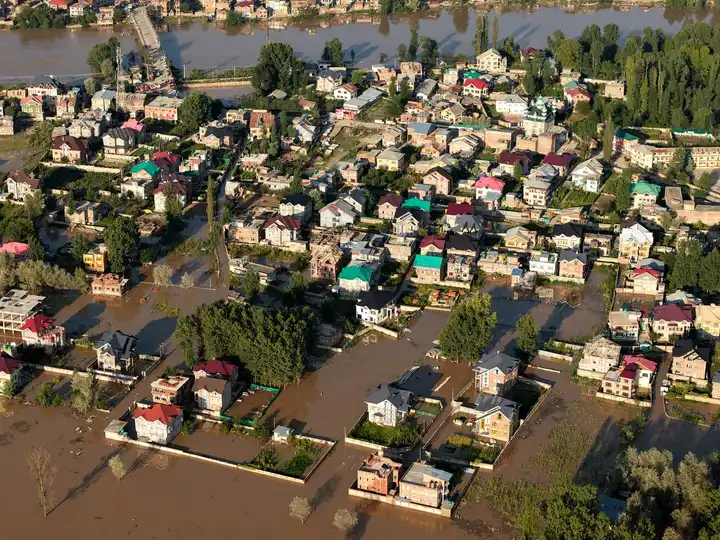
We check the whole crawl space with a moisture meter, thermal imaging camera, and hygrometer, then map wet zones on a diagram. You see where the water is, where it came from, and which materials are affected before we start.
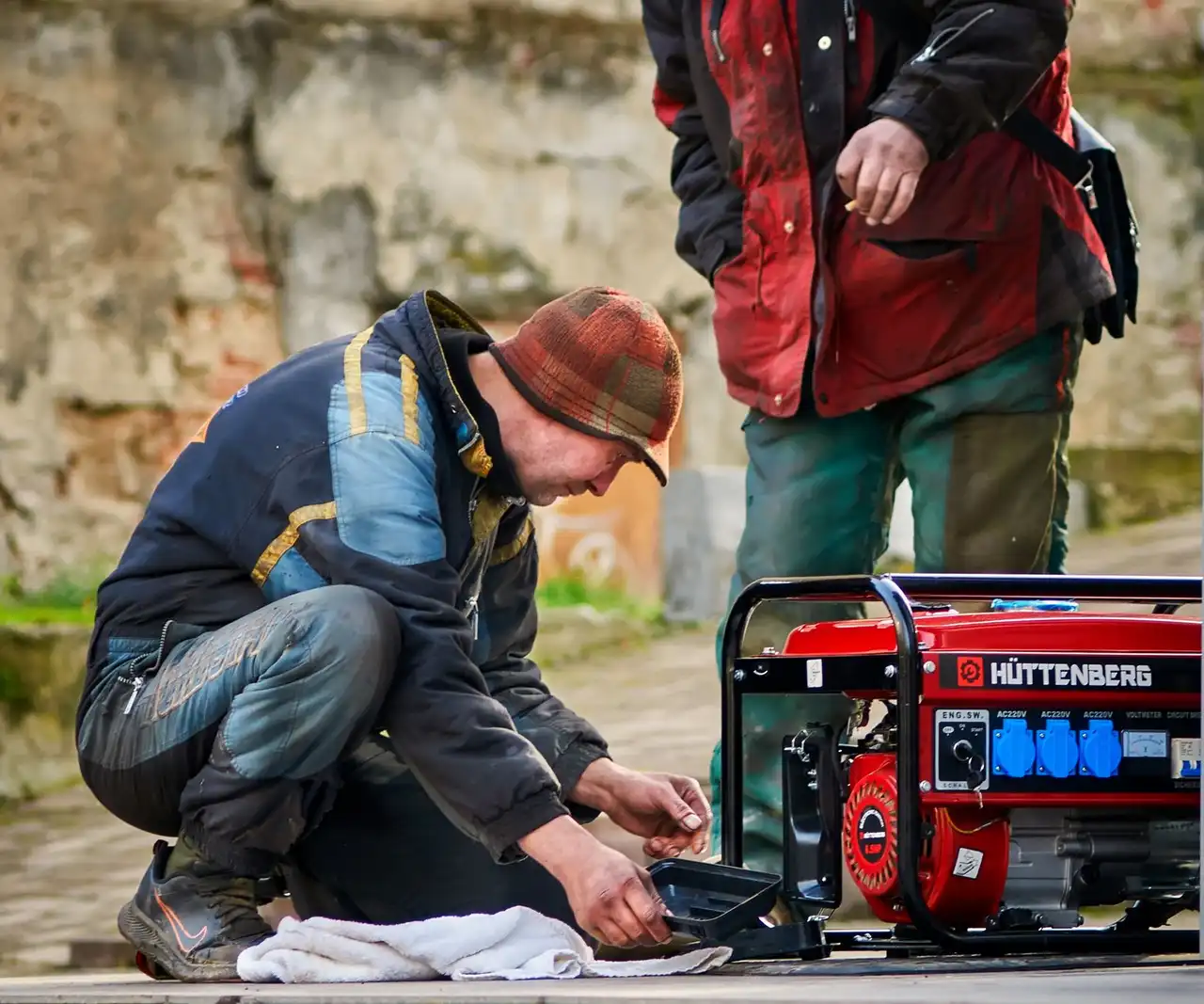
A water extraction unit and wet/dry vacuum pull standing water from the dirt, vapor barrier, and any low spots. Deep pockets get a sump pump. We bag and remove saturated insulation and carpet padding the same visit.
Commercial dehumidifiers and air movers run until the wood hits the dry standard. We check readings every 24 hours and reposition equipment as the wet zones shrink. Typical runtime is three to five days.
After extraction, we apply antimicrobial solution to joists, subfloor, and any remaining wood framing. This stops mold growth during the drying window, when humidity is still high enough to support it.
Torn or displaced plastic sheeting gets replaced, and we seal foundation vents and penetrations with sealant. A sound vapor barrier is what keeps ground moisture from wicking back up after we leave.
You get a photo report, moisture log with day-one and final readings, and a scope written in Xactimate. That package is what carriers need to approve the claim without a second inspection.
The approach is the same for a home and a business. What changes is the access, the schedule and who needs the paperwork.
Water under your house does not dry on its own. We pull it out, dry the wood, and show you the readings.
Crawl space water in a rental means a tenant call and a claim. We document the loss and dry it in one scope.
A plain-language look at what Crawl Space Water Removal involves and when it is needed.
See how it worksCrawl space water removal Philadelphia PA is the process of extracting standing water from the dirt or vapor-barrier floor under a home, then drying the joists, subfloor, insulation, and ductwork above it. It is not a shop-vac job. Water sits in a 12 to 24 inch space with almost no airflow, so humidity climbs past 80 percent within a day and stays there. We pump, extract, and then run commercial dehumidifiers and air movers until a moisture meter reads dry.
Philadelphia crawl space water removal services get called most after the fall nor'easters and the spring thaw, when the water table under rowhouse blocks rises and old clay drain tiles back up. If you are searching crawl space water removal near me Philadelphia PA, the cause is usually a burst pipe, a failed sump pump, a roof leak running down the inside of a wall, or a sewage backup. Left alone, that water wicks into hardwood flooring and baseboard on the floor above.
Crawl space water removal is extraction plus verified drying, not just a pump-out.
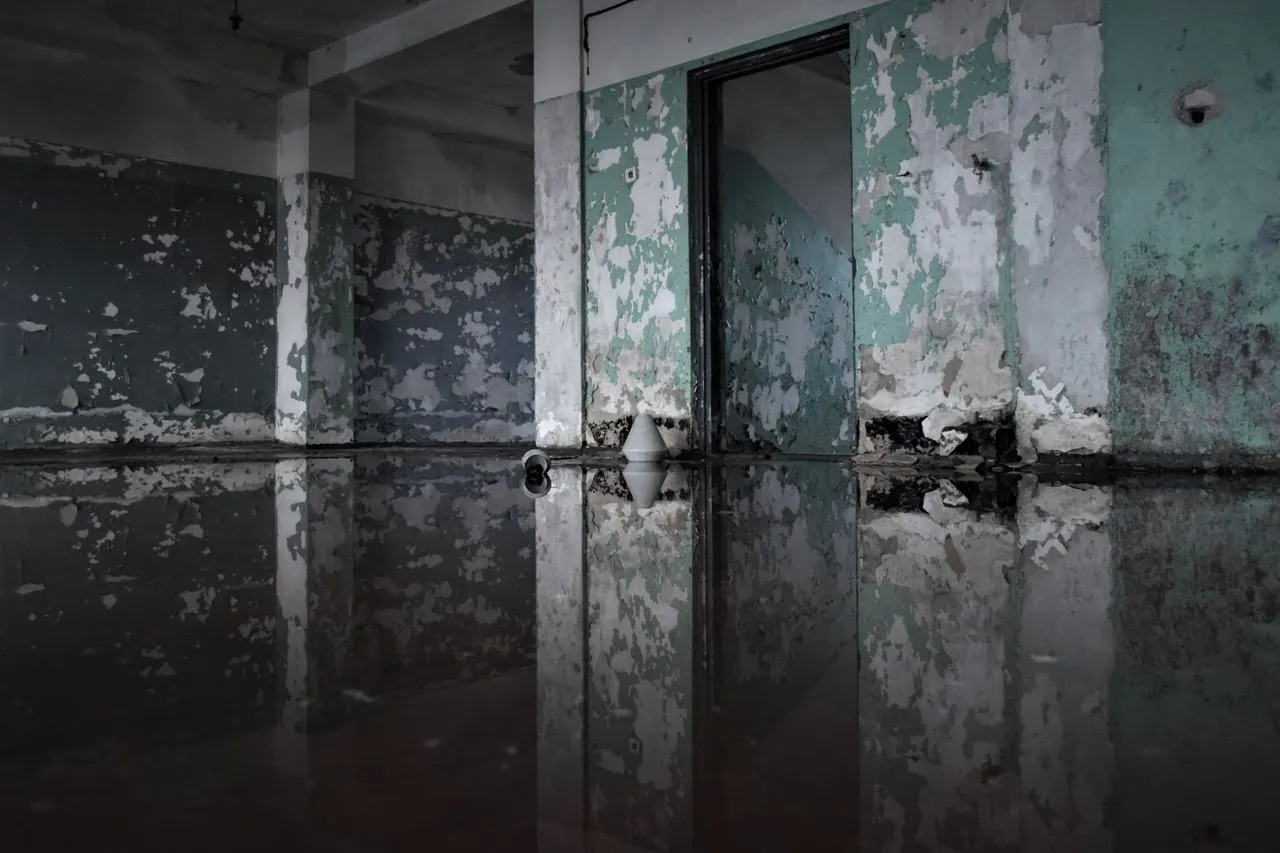
Five steps, start to finish. Most residential jobs run two to four days of drying after the water is out, and you get readings at every visit.
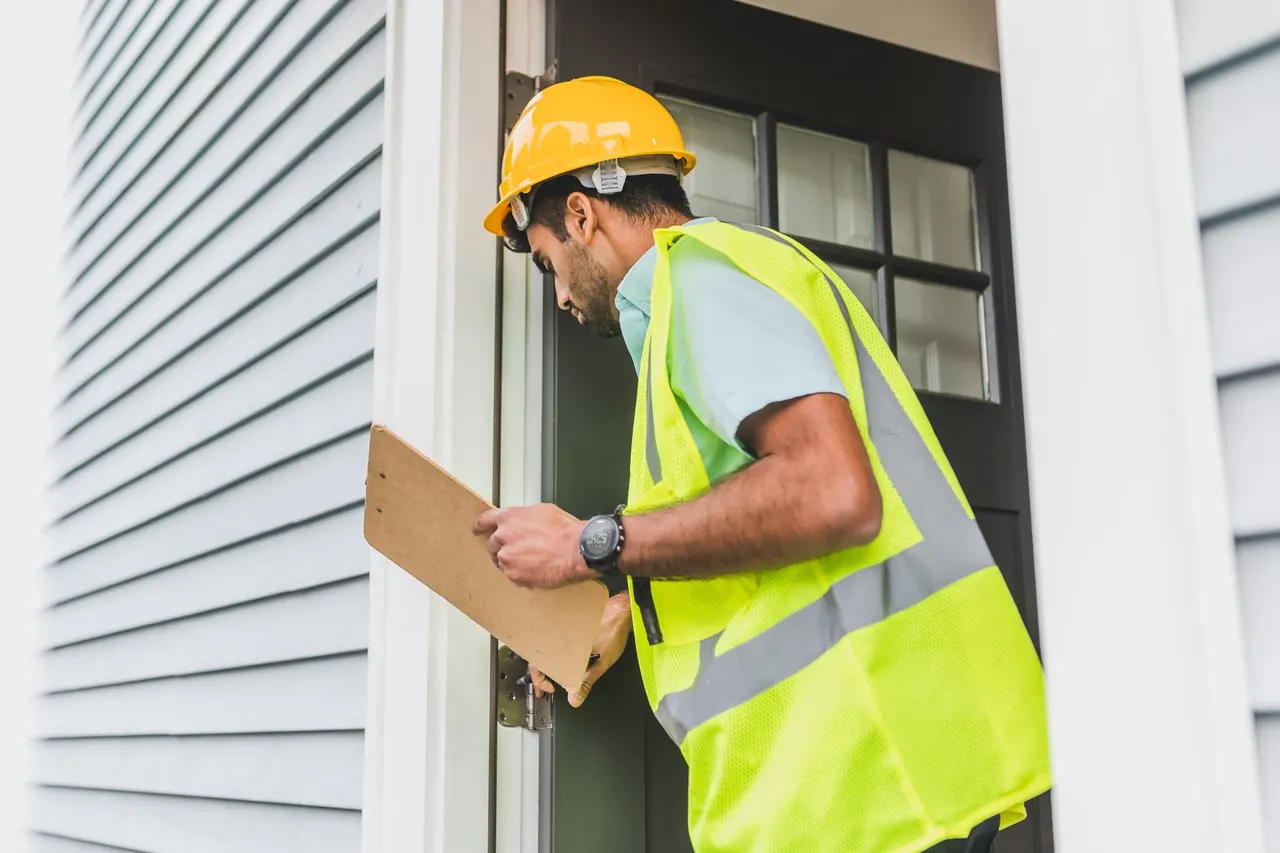
You call 215-281-3000 and describe what you found. We ask about the source, how long the water has been there, and whether the space is accessible. A technician arrives with a moisture meter and thermal imaging camera, walks the crawl space with a boroscope if needed, and tells you what we found before any equipment comes off the truck.
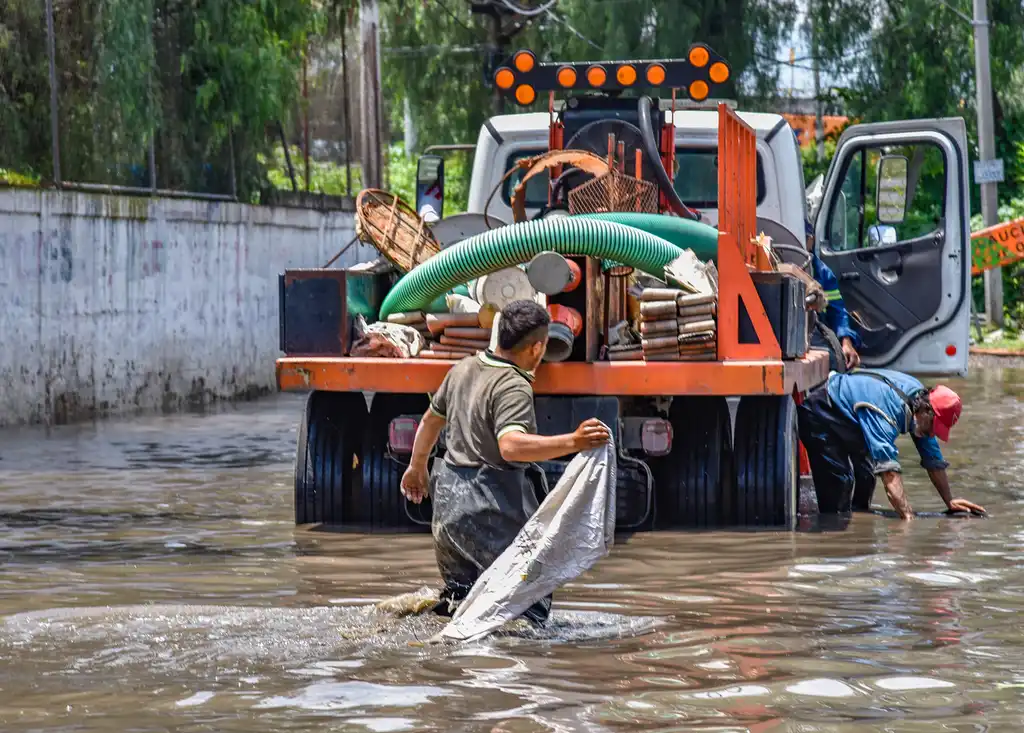
We set plastic sheeting to protect the access path, then pull standing water with a water extraction unit and wet/dry vacuum. Deep pockets get a sump pump. On a typical 600 square foot crawl space, extraction takes two to four hours. We bag and remove saturated insulation and carpet padding the same day.
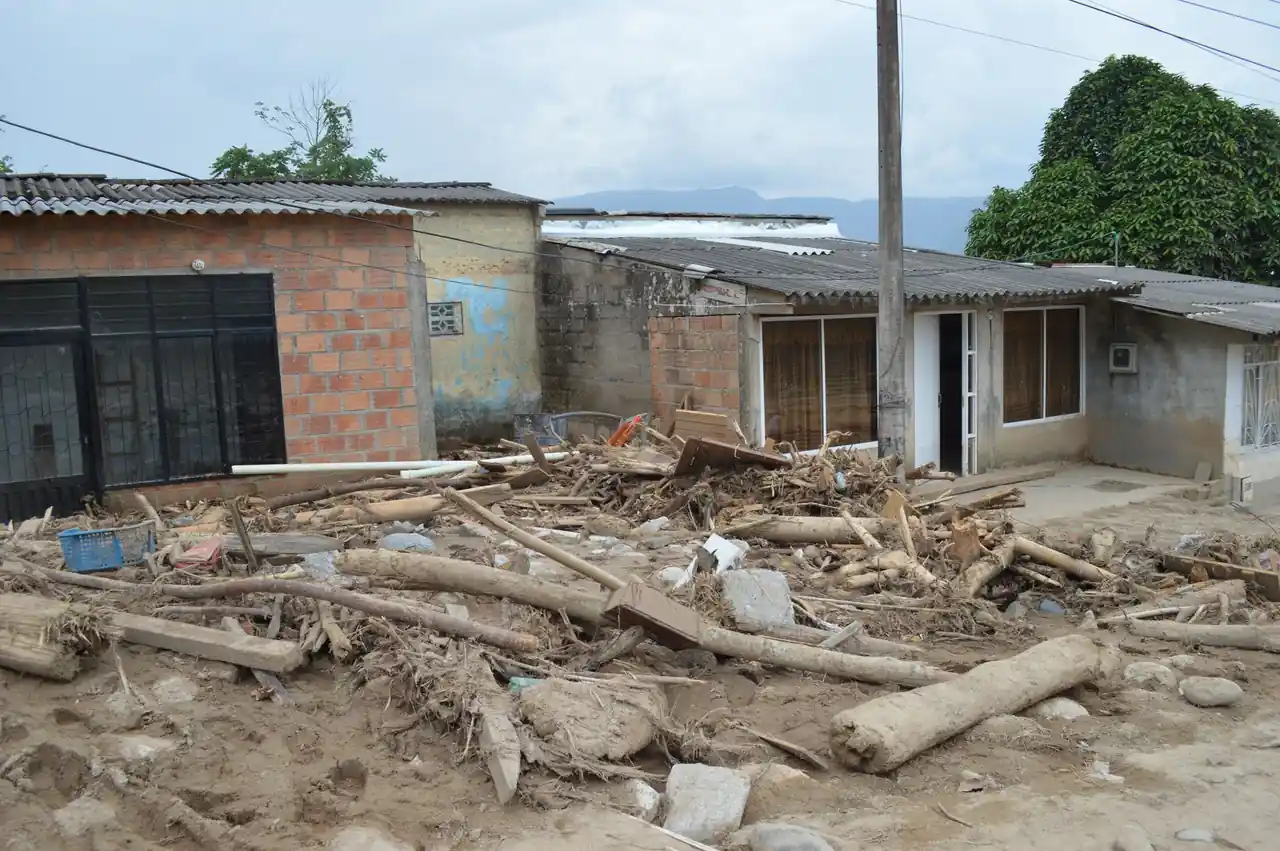
We place Dri-Eaz or Phoenix Restoration desiccant dehumidifiers and air movers to push dry air across the joists and subfloor. Drying mats go down on any hardwood above. Expect 3 to 5 days of runtime, with a technician checking moisture content and humidity every 24 hours and adjusting equipment placement.
Once readings hit the dry standard, we apply antimicrobial solution to the joists and any remaining wood, HEPA vacuum the space, and run an ozone generator if odor lingers. You get a final moisture log showing dry readings side by side with the day-one numbers.
We reinstall or replace vapor barrier, sealant at the foundation vents, and any insulation we removed. If drywall or baseboard upstairs was wet, that repair is scheduled next. You get a written summary, photo report, and the drying log for your insurance file.
Move across a circle, or focus it and press Enter, for an illustrative thermal view of the photograph.
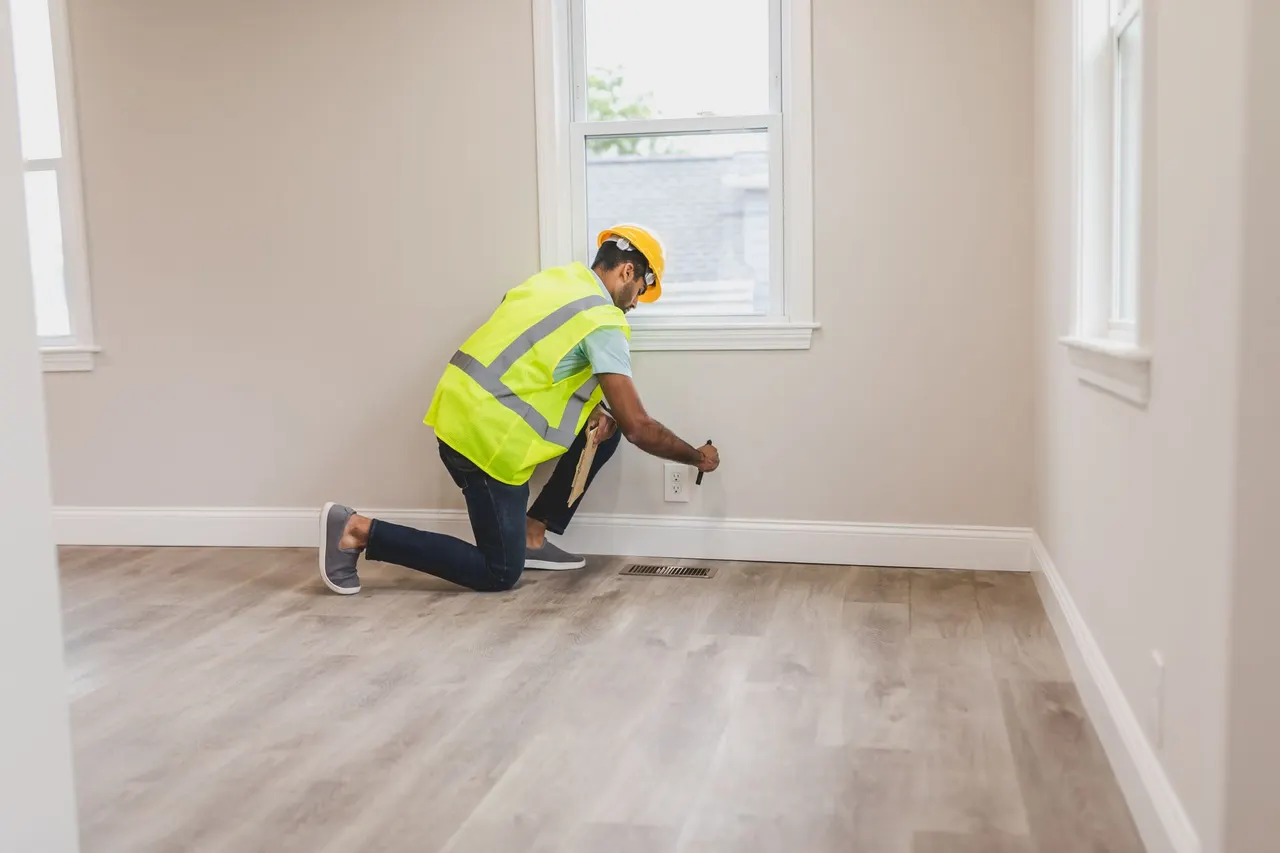
Pulls standing water out of the crawl space fast, including low spots a wet/dry vacuum cannot reach. Most 600 square foot crawl spaces are clear in two to four hours.
Dri-Eaz and Phoenix Restoration desiccant units hold the crawl space under 50 percent relative humidity during drying, which is the threshold that stops mold growth on wet wood.
Directed airflow across joists and subfloor speeds evaporation. We reposition them every 24 hours as wet zones shrink, so drying stays even.
We take a dry standard from unaffected wood and dry to that number. Readings are logged at every visit and included in your final report.
Finds hidden moisture behind vapor barrier and inside wall cavities without cutting into anything. It is how we trace a roof leak back to its entry point.
Thermal views are illustrative, generated from the photographs.
A camera on a flexible probe that lets us inspect inside joist bays and wall cavities too tight to see directly. It confirms whether insulation is wet behind an intact surface.
After drying, HEPA vacuuming removes settled spores and debris, and an ozone generator neutralizes the musty odor at the source instead of masking it.
We follow the IICRC S500 standard for water damage restoration, which sets the drying goals, equipment ratios, and verification steps for a crawl space. It is why our moisture logs hold up with adjusters.
Rather than drying to a fixed number, we take a moisture reading from an unaffected part of your crawl space and dry the wet areas to match. That accounts for differences between a 1920s stone foundation and newer concrete.
We apply antimicrobial solution to joists and framing after extraction, while humidity is still elevated. It closes the 24 to 48 hour window when mold growth starts on wet wood.
Damage is documented and priced in Xactimate, the estimating software most insurance carriers use. Your adjuster gets a line-item scope that matches the work performed, which speeds approval.
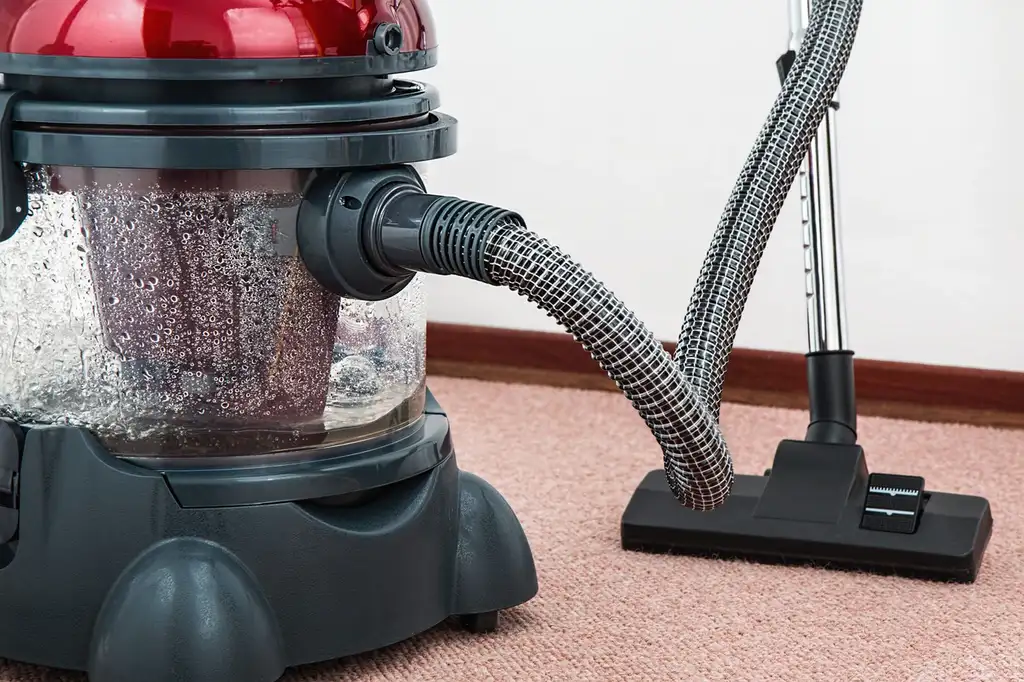
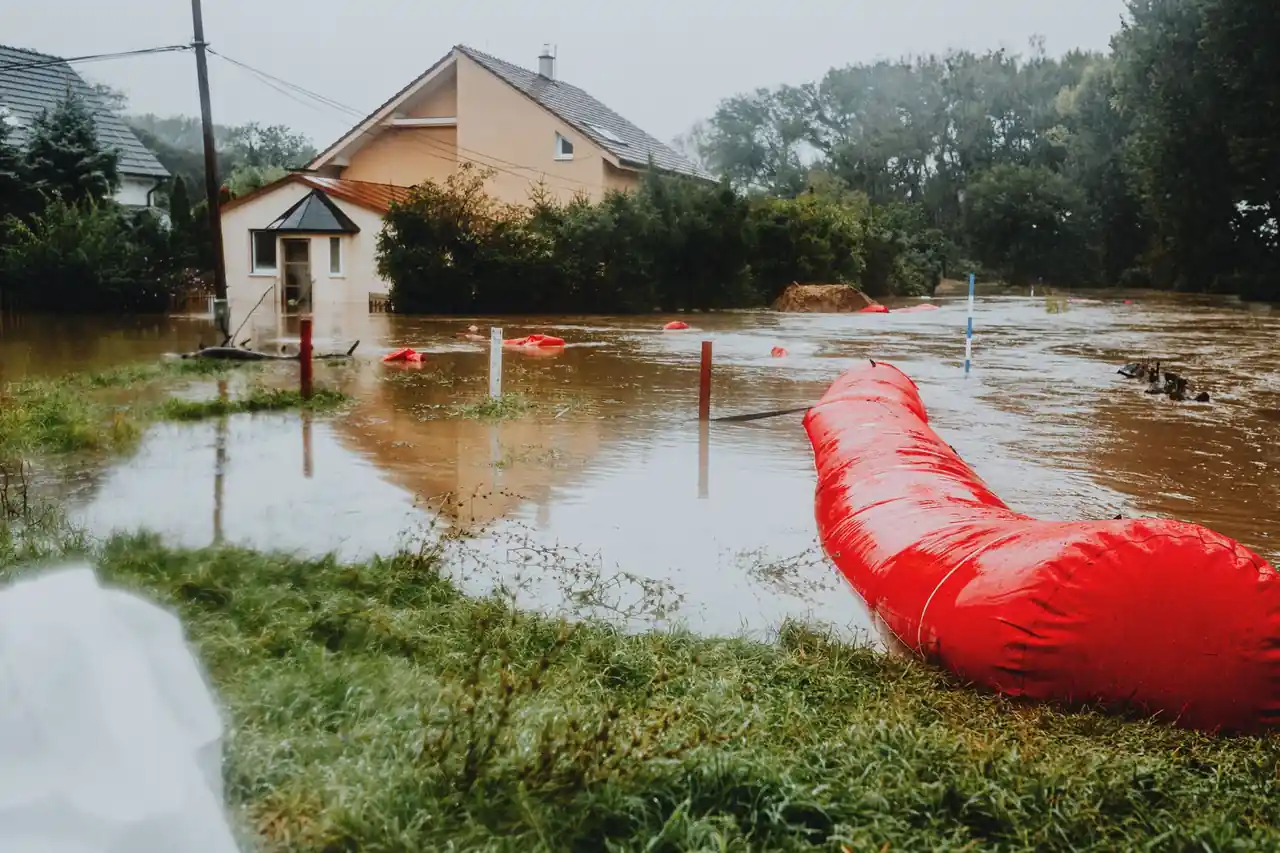
A nor'easter drops four inches of rain and the crawl space floods overnight in a South Philadelphia rowhouse.
We arrive same day, pump and extract the standing water, remove saturated insulation, and set up desiccant dehumidifiers and air movers. The vapor barrier gets inspected and replaced where it tore.
Outcome: The crawl space is dry in four days, the first floor stays mold-free, and the homeowner has a documented claim file for the carrier.
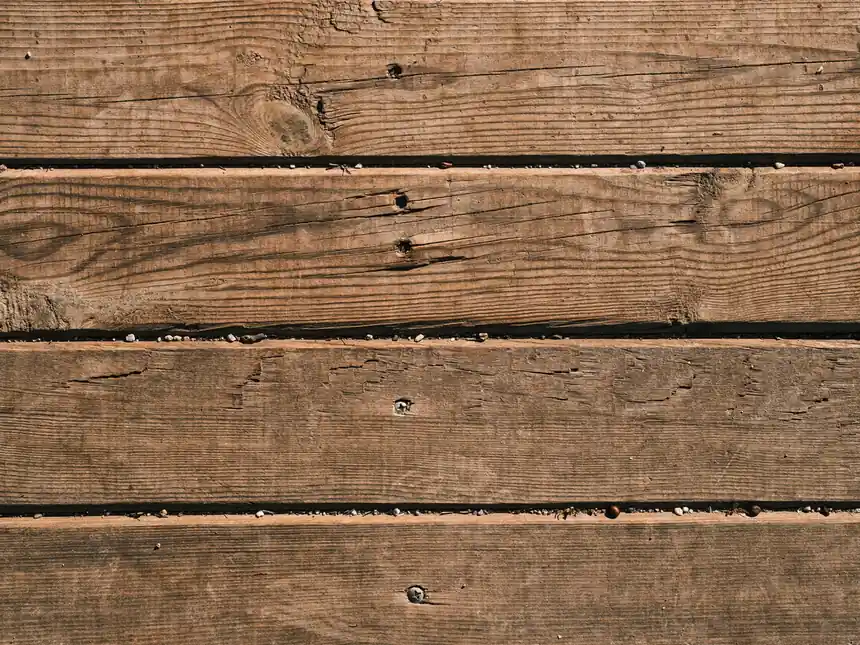
A water heater in a Northeast Philadelphia twin fails on a Saturday and dumps 50 gallons through the floor.
We extract the water from the crawl space, dry the subfloor and joists, and check the pan and drain line. The drying log records moisture content at every visit until the wood hits the dry standard.
Outcome: No mold growth, no cupped hardwood, and the new water heater goes in over a dry floor instead of a wet one.
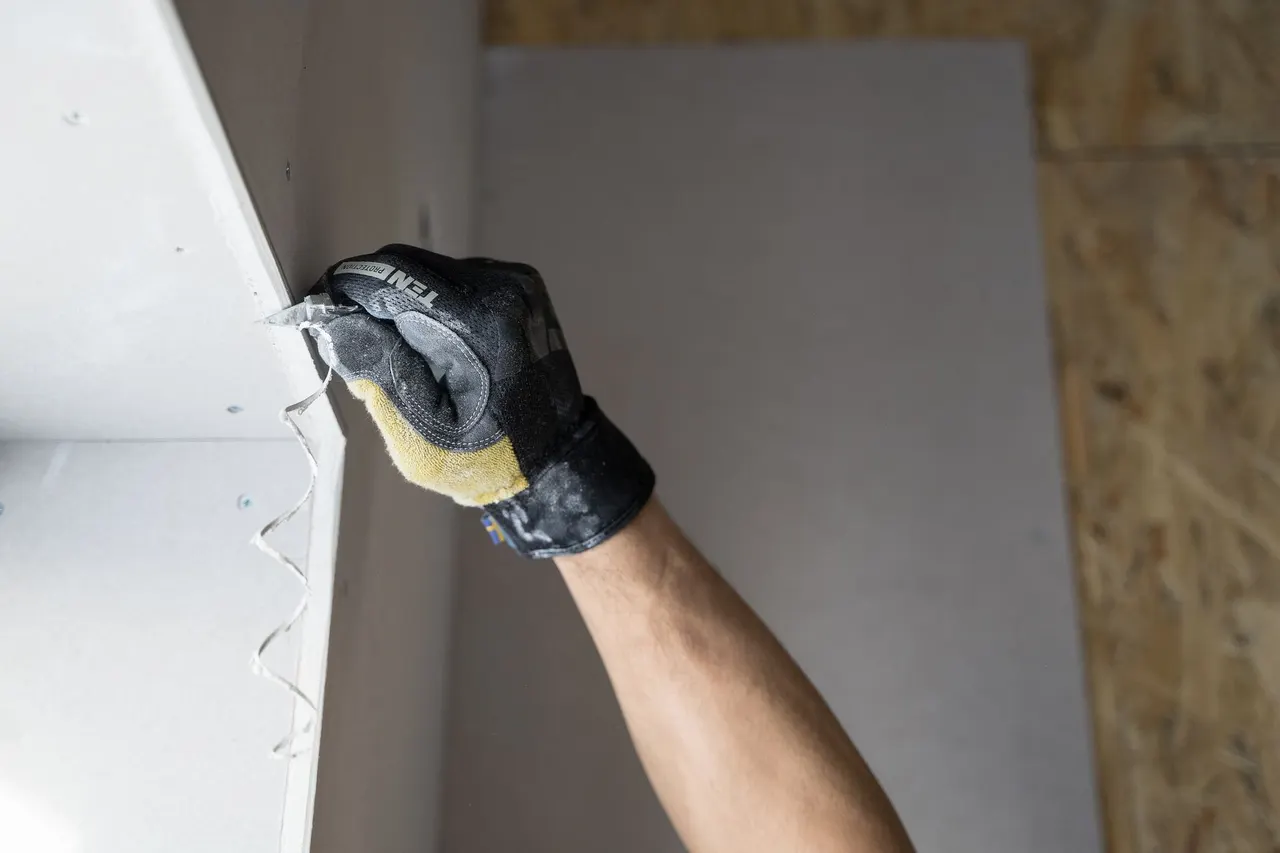
A property manager in University City finds standing water in two rowhouse crawl spaces after a storm.
We run both units in one day with two crews, extract, set drying equipment, and write a single Xactimate scope covering both addresses. Tenants get a schedule for equipment checks.
Outcome: Both crawl spaces dry in five days, the carrier approves the combined claim, and the manager has a documented baseline for the next storm.
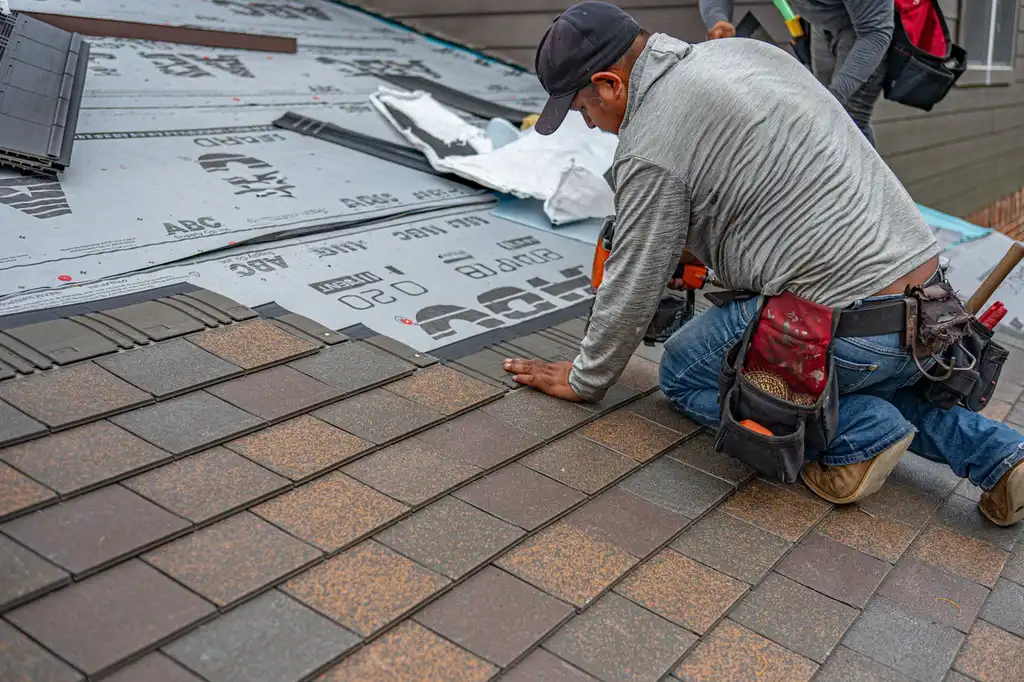
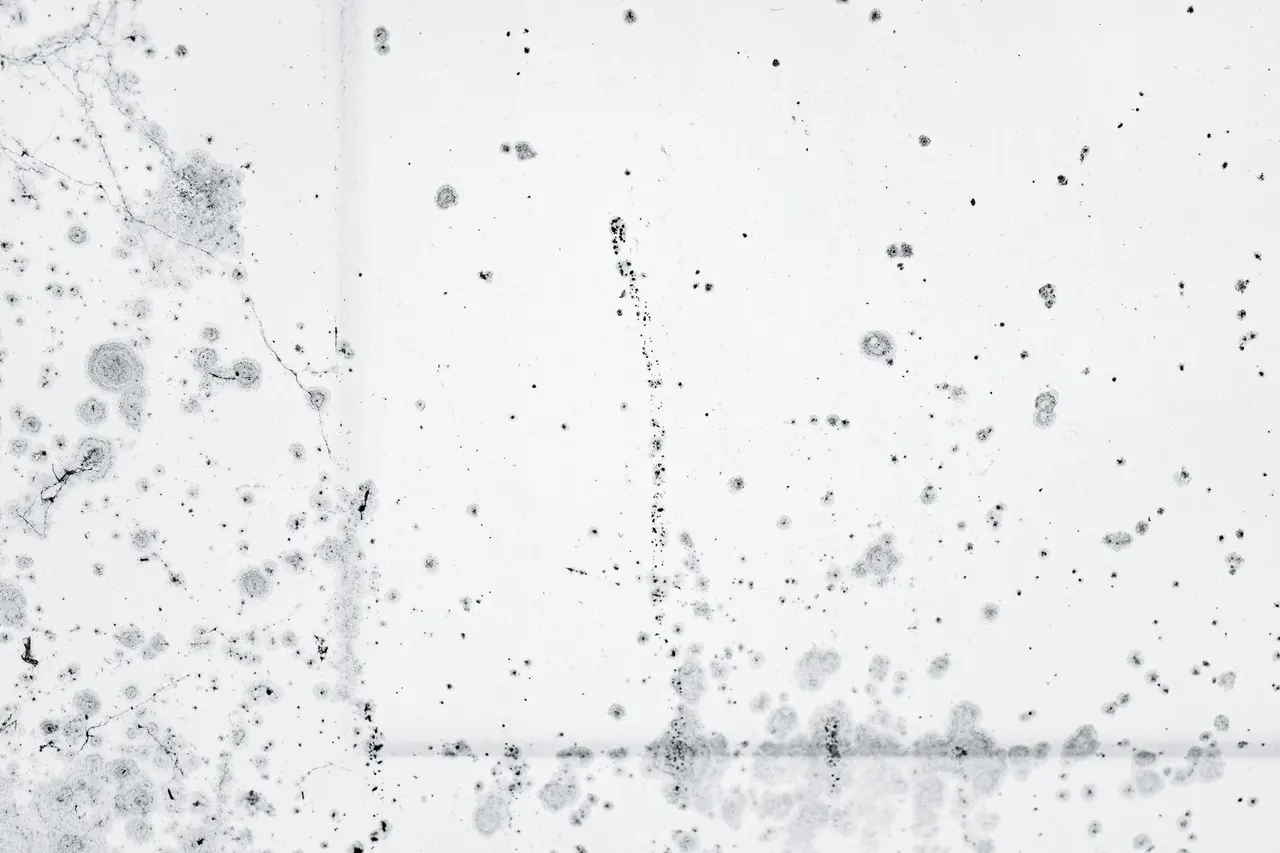
A homeowner in Mount Airy notices a musty smell and finds damp joists but no standing water.
We inspect with a hygrometer and thermal imaging camera, find the humidity source, and install commercial dehumidifiers. We treat the joists with antimicrobial solution as a precaution.
Outcome: Humidity holds under 50 percent, the smell clears within a day, and the homeowner avoids a mold remediation bill down the road.
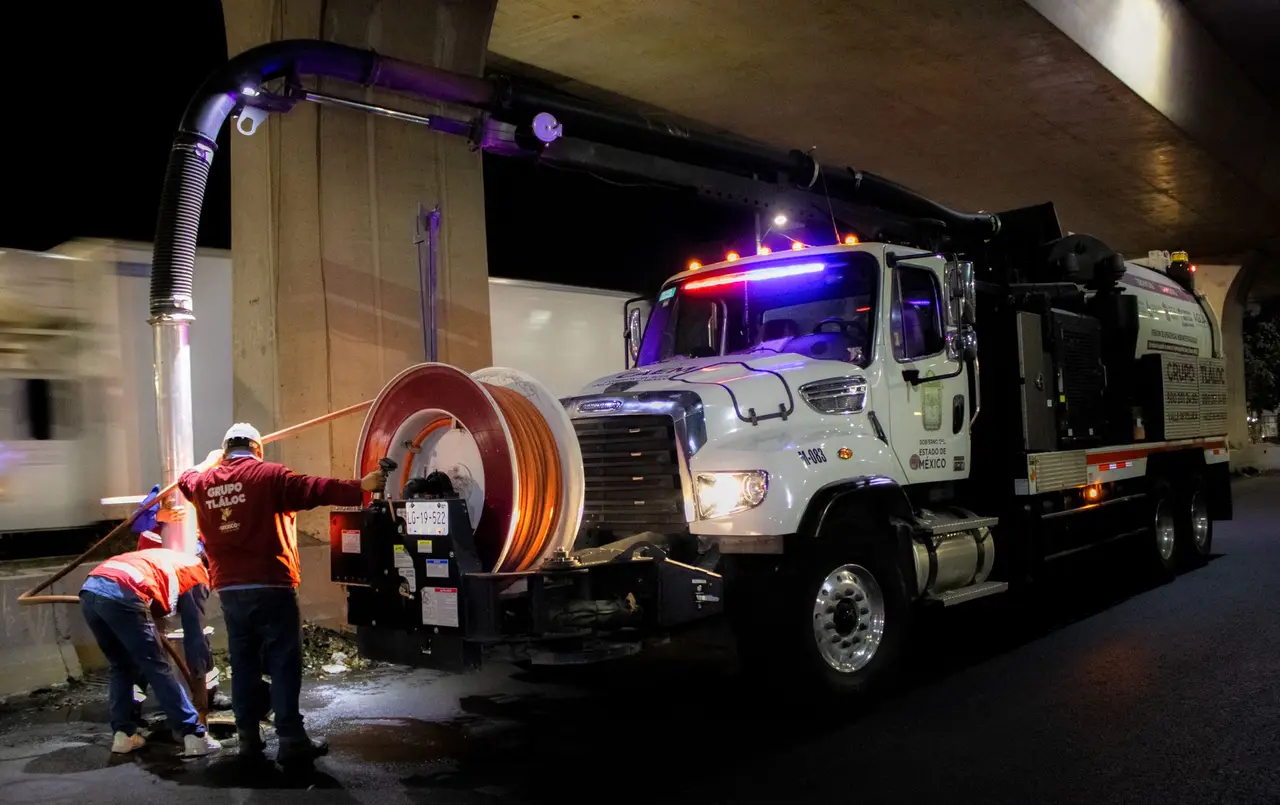
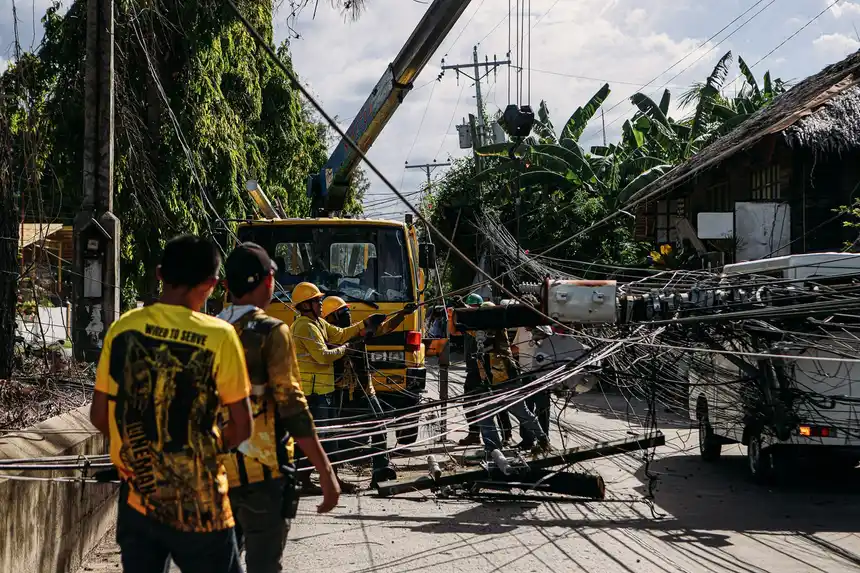
A frozen pipe bursts in a Kensington rowhouse in January while the owners are away for the weekend.
We extract the water, dry the crawl space and the wall cavity above, and document the burst section for the insurance claim. The pipe repair is coordinated so the water is off before drying starts.
Outcome: The structure dries in six days, the claim covers extraction and drying, and the owners return to a dry house instead of a mold problem.
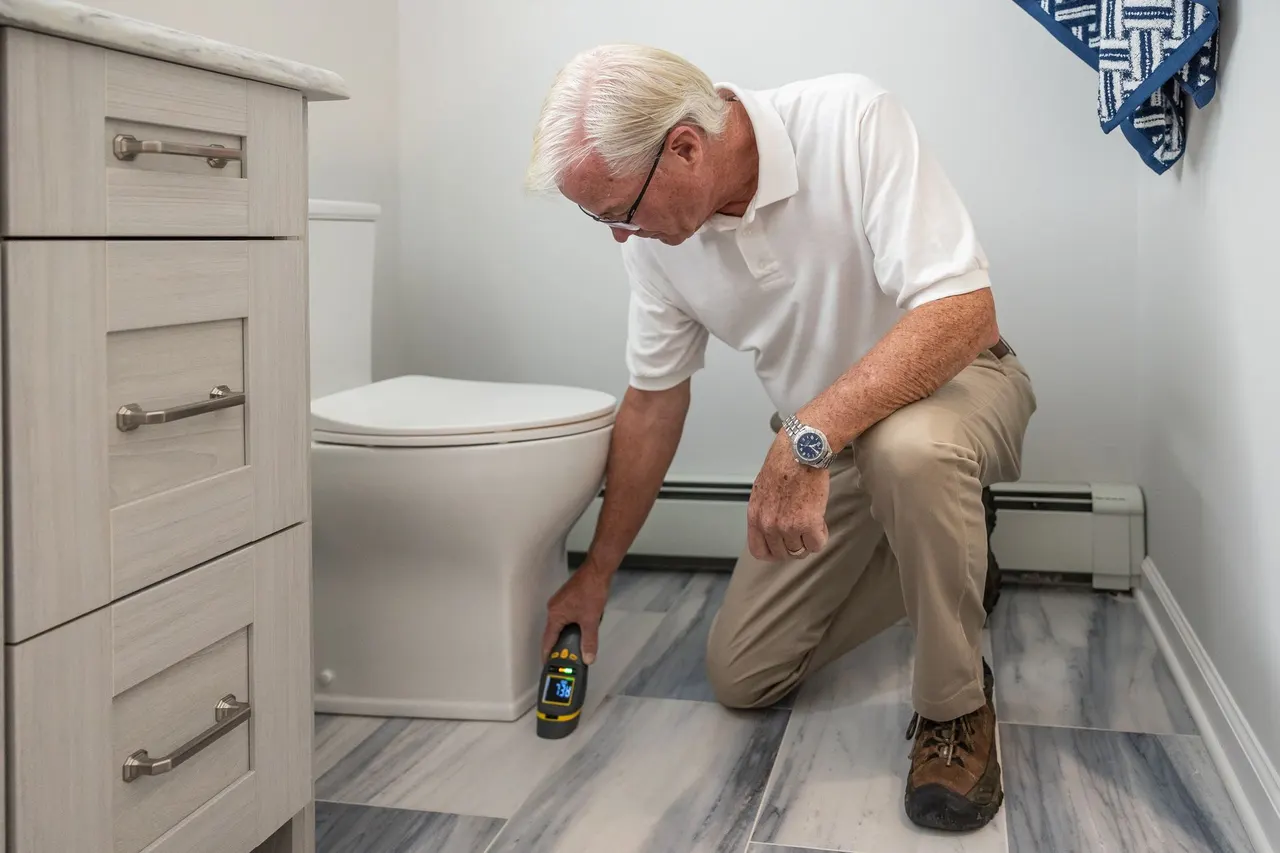
Philadelphia crawl spaces are mostly unvented or poorly vented, and the city's rowhouse blocks share foundation walls, so water in one crawl space often shows up next door. The fall nor'easters and spring thaw drive most calls, and the water table under South Philadelphia and Kensington rises fast after a heavy rain. Older homes in Chestnut Hill and Germantown sit on fieldstone foundations with clay drain tiles that back up, while newer construction in Northeast Philadelphia uses poured concrete and sump pumps that fail when the power goes out.
Before: Six inches of standing water covered a 500 square foot crawl space after a storm knocked out power. The vapor barrier was floating, insulation was saturated, and relative humidity read 88 percent.
After: We extracted the water in three hours, removed the wet insulation, and ran dehumidifiers for four days. Final readings showed 12 percent moisture content in the joists and 46 percent humidity, both within the dry standard.
We installed a battery backup sump pump and replaced the vapor barrier. Check the pump test button monthly and keep the discharge line clear of leaves before storm season.
Before: A frozen pipe burst in January and dumped water into a 1920s fieldstone crawl space. The joists above read 28 percent moisture content, and the musty smell had already reached the first floor.
After: Extraction took two hours, drying ran six days, and we treated the joists with antimicrobial solution. Final moisture content was 13 percent, and the first-floor odor was gone within 24 hours of the ozone treatment.
Insulate the supply lines in the crawl space and keep the access hatch sealed. Run a dehumidifier through the summer to hold humidity under 50 percent.
Before: A failed sewer line backed into a 700 square foot crawl space, soaking insulation and vapor barrier with Category 3 water. The property manager needed documentation for two units in the same block.
After: We removed contaminated materials, extracted, disinfected with antimicrobial solution, and dried both spaces in five days. The Xactimate scope covered both addresses, and the carrier approved the combined claim.
Have the sewer lateral scoped every two years, and keep the crawl space access clear so a technician can inspect without moving stored items.
Most crawl space water calls come down to one of these five situations. Each one has a different fix, and getting the diagnosis right is what keeps the water from coming back.
Dry wood, no mold, and a documented claim file.
Mold growth starts on wet joists within 24 to 48 hours. We extract, apply an antimicrobial solution, and get relative humidity under 50 percent, which shuts the growth window. A moisture meter and thermal imaging camera confirm the readings before we pack up.
Saturated wood loses strength fast. We dry structural lumber to within 2 percent of a dry standard taken from an unaffected part of the same crawl space, so your subfloor and floor joists keep their span rating and you avoid a five-figure structural repair.
That damp, earthy odor is microbial volatile compounds coming off wet wood and insulation. Extraction plus HEPA vacuuming and an ozone generator on the tail end removes the source. Customers in Fishtown and Port Richmond tell us the first floor smells normal again within a day.
We photograph every affected area, log moisture readings with a hygrometer, and write the scope in Xactimate, the estimating format most carriers accept. That documentation is why Philadelphia crawl space water removal services from our team get approved instead of argued over.
What a written scope covers and what shapes it. Prices are set by the business after the first look.
Included
Depends on
Clear records you can keep and share.
Before and after images of wet areas
Daily readings from meter and hygrometer
Line-item work summary for the claim
Final dry standard comparison
What is in the water decides what we can dry and what has to be removed.
From a supply line or rainwater
From appliances or a drain
Sewage or storm flooding
A list like this tells people straight away whether you cover their street. Not listed? Call and ask: it only takes a minute.
Based in Philadelphia and covering the places around it. Pick one for local details.
Cost climbs with sewage contamination, deep standing water, or insulation that has to be replaced. Insurance often covers the work when a burst pipe or appliance leak caused it. Call 215-281-3000 for a written scope.
Water Damage Restoration Philly does, and we have since 2015. Our technicians hold IICRC WRT and ASD credentials and work across Philadelphia County, including Center City, Fishtown, Mayfair, and Roxborough. We carry extraction units, commercial dehumidifiers, and air movers on every truck, so a same-day crawl space water removal in Philadelphia, Pennsylvania is usually possible when you call before noon.
Yes, in most cases where the water came from a burst pipe, appliance leak, or storm-driven roof leak. Sudden and accidental damage is typically covered; long-term seepage and neglected sump pump failure often are not. We document the source, photograph the damage, and write the scope in Xactimate so your adjuster has what they need. We can also bill the carrier directly on approved claims.
Plan on three to five days of equipment runtime for a typical Philadelphia crawl space, with a technician checking moisture content every 24 hours. Dense materials like subfloor and hardwood flooring above can push it to six or seven days. We do not pull equipment until a hygrometer and moisture meter confirm the wood has reached the dry standard taken from an unaffected area.
Other services from the same team.
Standing water under your home gets worse every hour. Call 215-281-3000 and we will tell you what we found, what it takes to dry it, and what it costs before we start. Same-day service across Philadelphia County.
Call 215-281-3000 any time, day or night. We answer live, ask what happened, and dispatch a crew. If you prefer email, send photos and your address to info@waterdamagerestorationphilly.com and we'll respond within the hour. Most Philadelphia calls get a technician on-site within 60 to 90 minutes.