What to do when your ceiling is leaking from a roof leak
A ceiling leak from a roof leak gets worse by the hour. Here's exactly what to do first, what it costs in Philadelphia, and when to call a pro.
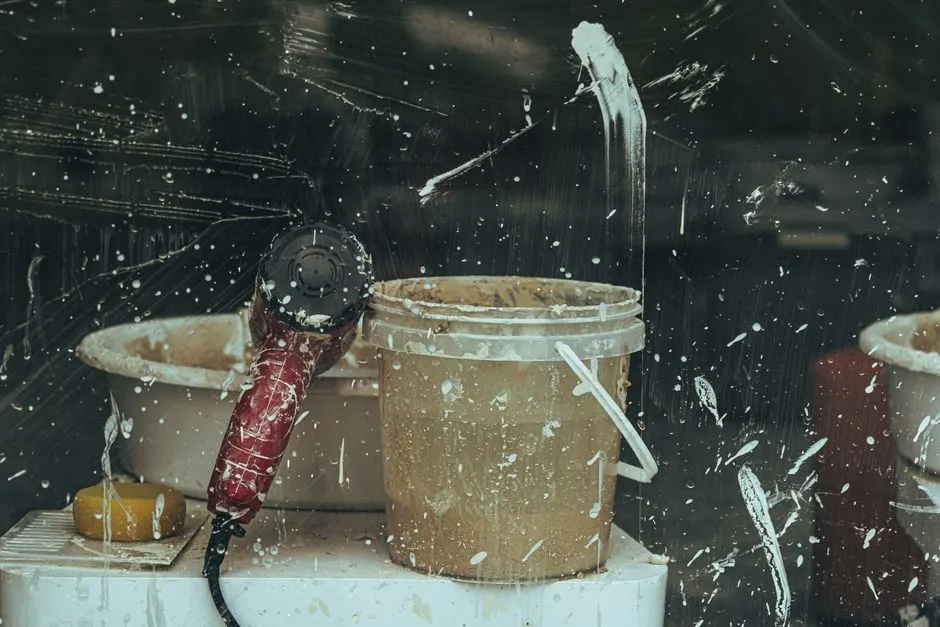
Move furniture and electronics out from under the drip, put a bucket or plastic sheet down, and poke a small drain hole in the bulging drywall if water is pooling behind the paint. Then call a roofer and a water damage crew. That is the short answer to what to do when your ceiling is leaking from a roof leak in Philadelphia - and the next two hours decide whether you are looking at a $400 ceiling patch or a $4,000 tear-out with mold remediation behind it.
What follows is the exact sequence we walk Philadelphia homeowners through on the phone: how to stop the water, how to keep the damage from spreading, what your insurance will and will not pay for, and when to stop DIY-ing and hand it to a crew.
First 10 minutes: stop the water and contain the damage
Your first job is not to find the roof leak - it is to keep water off your floors, your electronics, and your family. The roof leak itself is usually 8 to 20 feet away from where the ceiling stain appears, so chasing it from inside is a waste of the first hour.
- Kill the power to that room at the breaker if water is anywhere near a ceiling fixture, fan, or outlet. Water and 120-volt wiring do not mix, and this is the one step people skip.
- Move everything out - furniture, rugs, TVs, anything on the floor within a 6-foot radius. Ceiling leaks spread sideways along the joists before they drip.
- Catch the water. A 5-gallon bucket handles most active drips for 30 to 45 minutes. Line it with a trash bag so you can dump it without splashing.
- Relieve the bulge. If the drywall is sagging like a water balloon, that is 2 to 10 gallons of trapped water. Poke a 1/4-inch hole at the lowest point with a screwdriver and let it drain into your bucket. Yes, it makes a hole. That hole is cheaper than a collapsed ceiling.
- Photograph everything before you clean up. Ceiling stain, wet floor, damaged furniture, the bucket - all of it. Your adjuster will want it.
If the leak is coming through a light fixture, shut the breaker first and do not touch the fixture. If it is coming through a bathroom vent or a ceiling fan, same rule.
Once the immediate water is contained, the real work starts. Ceiling water damage from a roof leak in Philadelphia almost always involves insulation that is now soaked, drywall that has lost its structural strength, and framing that will start growing mold in 24 to 48 hours at typical indoor temperatures of 65 to 75 degrees. That timeline is not a scare tactic - it is the standard we work against on every job.
Why Philadelphia roof leaks show up in October and November
Philadelphia roof leaks spike in late fall because that is when three things happen at once: the first hard rain after a dry summer, the first freeze-thaw cycle, and the first time most homeowners climb into the attic to check on things.
The housing stock here makes it worse. A rowhouse in Fishtown or Kensington built between 1890 and 1930 has a flat or low-slope roof with a 15- to 25-year lifespan, and many of those roofs were last replaced after Hurricane Sandy in 2012. That puts a lot of them right at the end of their service life in 2026.
Common entry points we find in Philadelphia:
- Flashing failures around chimneys and sidewalls - the number one source of ceiling leaks in rowhouses.
- Cracked or missing slate on the older twin and trinity homes in Fairmount and Spring Garden.
- Clogged gutters backing water up under the drip edge, which then wicks into the roof deck.
- Ice dams forming along the north-facing eaves in January and February, pushing meltwater under shingles.
- Failed pipe boots around plumbing vents - a $15 part that causes $1,500 in ceiling damage when it goes.
If you live in one of the older neighborhoods and you have not had the roof looked at since 2020, budget for it. A $250 roof inspection in October is cheaper than a $3,000 ceiling repair in December.
What ceiling water damage from a roof leak actually looks like
Ceiling water damage from a roof leak is not just a brown stain - it is a moisture problem inside the assembly that keeps working after the rain stops. By the time you see a stain, water has already traveled through the roof deck, the underlayment, the insulation, and the back of the drywall.
Here is what we look for on a water damage assessment in Philadelphia, Pennsylvania when a homeowner calls about a ceiling leak:
- Staining and discoloration - the visible tip of the iceberg. Brown rings mean the leak has been active for at least a few rain cycles.
- Sagging or bowing drywall - the paper facing has separated from the gypsum core. That drywall is done; it will not dry back flat.
- Soft or crumbly texture - press gently with a screwdriver. If it sinks in, the sheet needs to come down.
- A musty smell - that is mold, and it usually means the leak has been running for 2 to 4 weeks.
- Peeling paint or bubbling - moisture pushing the paint off from behind.
- Wet insulation above the ceiling - the hidden problem. Fiberglass batts hold water like a sponge and lose most of their R-value once saturated.
We use thermal imaging and pin-type moisture meters to map the wet zone. In a typical Philadelphia rowhouse ceiling leak, the wet area extends 3 to 6 feet beyond the visible stain. If you only patch the stain, you are sealing mold inside the cavity.
Once the ceiling is opened up, our team handles the ceiling repair itself - new drywall, tape, texture, and paint - through our ceiling water damage repair in Philadelphia, Pennsylvania service. We also dry the framing and insulation first so the new drywall does not go up against wet wood.
Does insurance cover ceiling water damage from a roof leak in Philadelphia?
Usually yes - but only the interior damage, and only if the leak was sudden and accidental rather than the result of long-term neglect. A standard HO-3 homeowners policy in Pennsylvania covers the ceiling, drywall, insulation, and contents damaged by water from a roof leak. It typically does not cover the roof itself or the cost of fixing the source.
Here is how a typical Philadelphia claim breaks down:
- Covered: ceiling drywall, insulation, paint, flooring if water reached it, furniture and electronics, and the drying equipment.
- Not covered: roof repair or replacement, unless the damage was caused by a covered peril like wind or hail.
- Sometimes covered: mold remediation, if you can show you acted promptly. Delay is the fastest way to get a mold claim denied.
Two things matter more than anything else when you file. First, document the leak the day you find it. Second, get a professional moisture assessment so the adjuster has a number, not a guess. We provide written moisture readings, thermal images, and a scope of work that most carriers accept without a second visit.
If your ceiling leak is tied to a storm - wind tearing off shingles, hail cracking a vent - that is a different claim path. Our storm damage restoration Philadelphia PA team documents the exterior cause alongside the interior damage so the two halves of the claim line up.
What it costs to repair a ceiling leak in Philadelphia in 2026
Typical 2026 pricing in this area runs $350 to $900 to patch and repaint a small ceiling section, $1,200 to $2,800 for a full room dry-out with new drywall, and $3,500 to $8,000 when mold remediation and structural drying are involved. The spread is wide because the visible damage tells you almost nothing about what is behind it.
Real numbers we see in Philadelphia:
- Roof repair (source): $250 to $1,500 depending on whether it is a flashing reseal or a section replacement.
- Emergency water extraction: $500 to $1,200 for a single room.
- Structural drying: $800 to $2,500 for 3 to 5 days of equipment.
- Ceiling drywall replacement: $400 to $1,200 per 100 square feet, including finish.
- Mold remediation: $1,500 to $6,000 if the leak ran for weeks.
Most homeowners end up in the $1,800 to $3,500 range for a single-room ceiling leak that gets handled in the first 48 hours. That number roughly triples if you wait two weeks.
If you are dealing with a leak that has also soaked a basement or a first-floor ceiling below, our water damage restoration Philadelphia PA crews handle the whole vertical stack - attic to basement - in one mobilization.
Common mistakes that turn a $400 repair into a $4,000 one
The most expensive ceiling leak mistakes are the ones that feel like common sense at the time. We see all of these every month in Philadelphia.
- Painting over the stain. Stain-blocking primer hides the evidence but seals moisture in. The paint will peel within 60 days and the mold keeps growing.
- Assuming the leak stopped when the rain stopped. Saturated insulation and framing hold water for days. A dry-looking ceiling can still be at 25% moisture content.
- Running a box fan and calling it drying. A box fan moves air. It does not remove moisture. You need a refrigerant or desiccant dehumidifier and air movers to pull a wet ceiling assembly down to a safe moisture level.
- Waiting on the roofer before calling a water damage crew. These are two separate trades on two separate timelines. The roofer stops the source; the water crew saves the interior. Call both the same day.
- Skipping the attic check. The wet insulation is almost always above the stain, not directly behind it.
- Filing the claim before documenting. Once you start ripping out drywall, you are arguing with your adjuster instead of showing them photos.
One more: do not climb on a wet roof in October. Philadelphia roofs are slick with leaf debris this time of year, and a fall from a two-story rowhouse is a far bigger problem than a ceiling stain.
When to call a professional
Call a professional the moment the ceiling is sagging, the leak is near wiring, the stain is bigger than a dinner plate, or the leak has been active for more than 24 hours. Those four conditions mean the damage has moved past what a bucket and a fan can fix.
Water Damage Restoration Philly handles the interior side of a Philadelphia roof leak ceiling repair - emergency extraction, structural drying, mold inspection, drywall, and finish work. We are licensed and insured, we work directly with most major carriers, and we give you a written scope and price before we start.
If you are not sure whether you need us yet, call anyway. We will tell you honestly whether it is a bucket-and-wait situation or a today situation. That call is free.
Frequently Asked Questions
What should I do when my ceiling is leaking from a roof leak in Philadelphia?
Move furniture, kill power to the room, put a bucket under the drip, and poke a small drain hole if the drywall is bulging. Then call a roofer to stop the source and a water damage crew to dry the interior. Do both within the first 24 hours.
Who do I call for a ceiling leak from a roof leak in Philadelphia PA?
Call two people: a licensed roofer to repair the roof, and a water damage restoration company to dry and repair the ceiling. Water Damage Restoration Philly handles the interior side - extraction, drying, mold inspection, and ceiling repair - usually within 60 to 90 minutes of your call.
Does insurance cover ceiling water damage from a roof leak in Philadelphia?
Usually yes for the interior damage - ceiling, insulation, paint, and contents - if the leak was sudden and accidental. The roof itself is typically not covered unless wind or hail caused the damage. Document everything the day you find it and get a professional moisture assessment.
How long does it take to dry a wet ceiling after a roof leak?
Three to five days with professional air movers and dehumidifiers, depending on how much insulation is wet and how long the leak ran. A ceiling that has been leaking for two weeks can take seven days or more, and mold remediation may be needed first.
Can I just patch and paint the ceiling myself?
Only if the moisture reading is below 15% and the drywall is structurally sound. If the drywall is soft, sagging, or smells musty, patching traps moisture and mold inside the cavity. That is the mistake that turns a $400 repair into a $4,000 one.
Get help with water damage restoration in Philadelphia
A ceiling leak from a roof leak gets more expensive every hour it runs. We handle the interior side - emergency extraction, structural drying, mold inspection, and full ceiling repair - for homeowners across Philadelphia.
Call Water Damage Restoration Philly at 215-281-3000 and we will tell you exactly what you are dealing with and what it will cost before we start.