Sump pump failure cleanup Philadelphia PA done right the first time
When your sump pump quits during a storm, water climbs the basement walls fast. Our team handles sump pump failure cleanup Philadelphia PA from the first wet-vac pass to the final moisture reading. We serve homeowners and property managers across Philadelphia County, from Center City rowhouses to Northeast Philadelphia split-levels. Call 215-281-3000 and we roll a truck the same day.
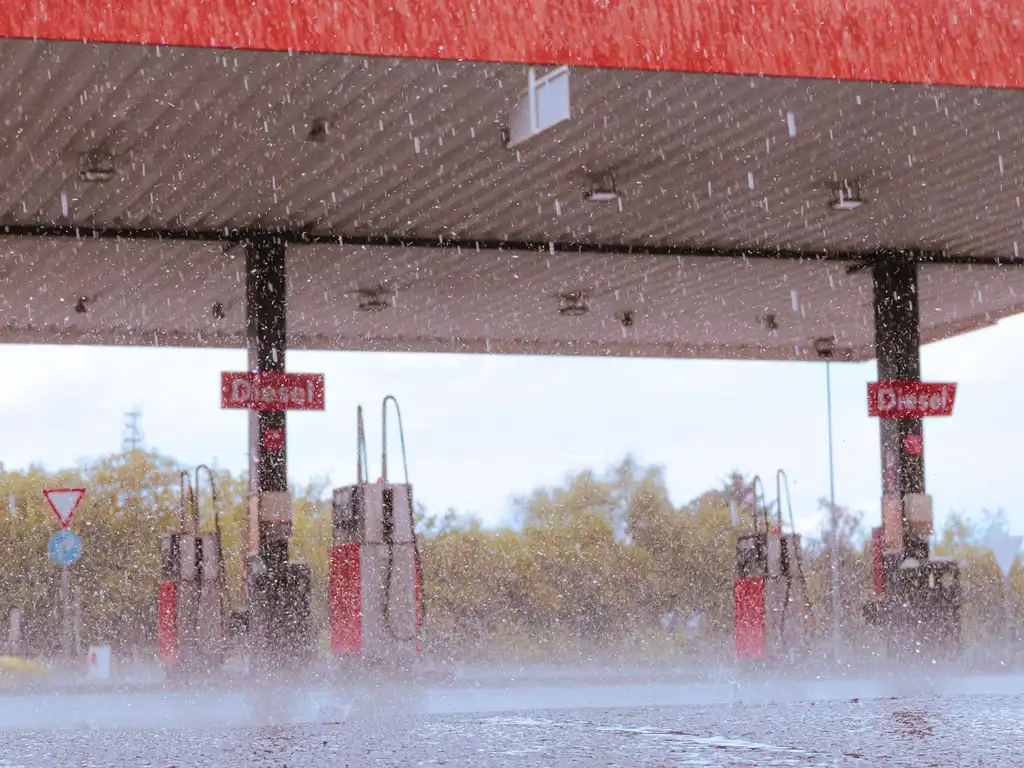
We photograph firstDocumentation before any work starts
We test the pumpBucket pour before we pack up
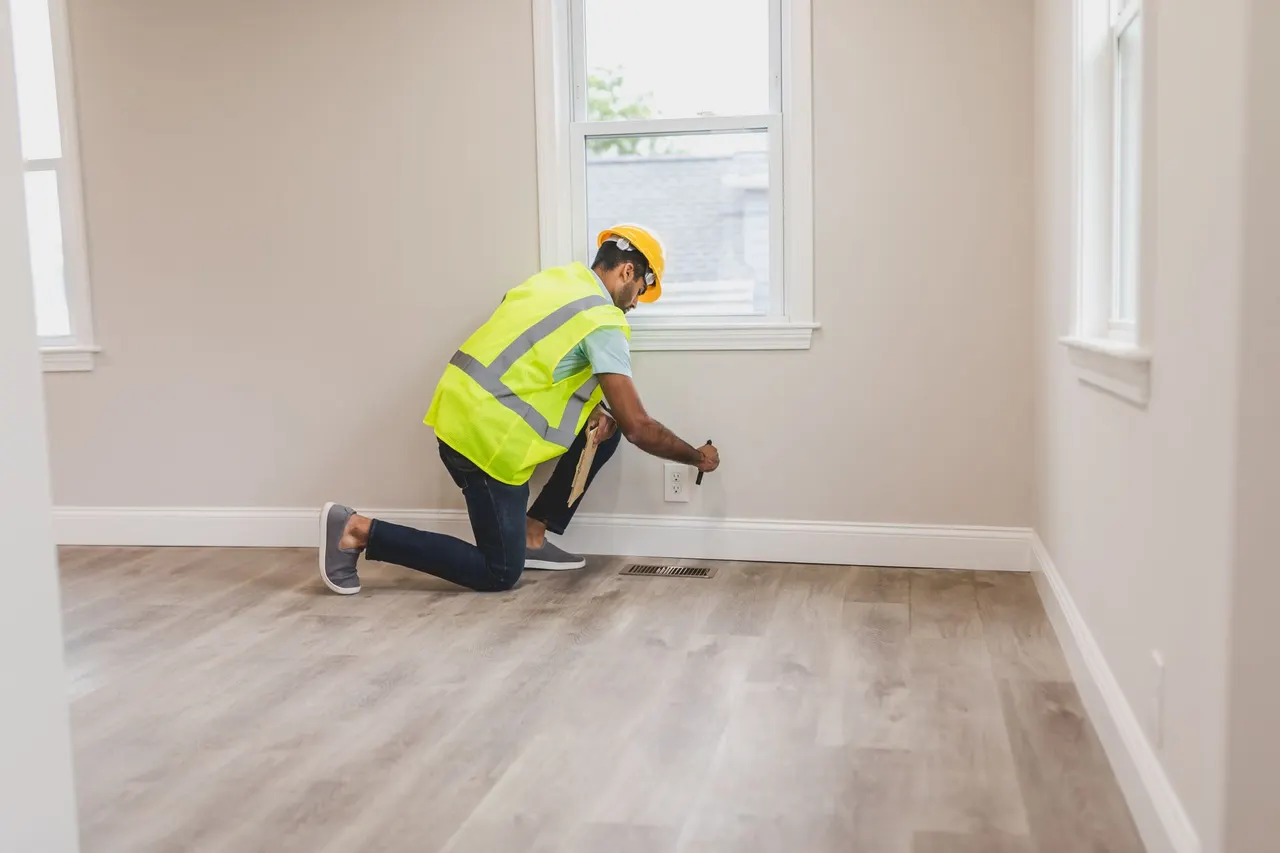
We log readingsDaily moisture checks until dry
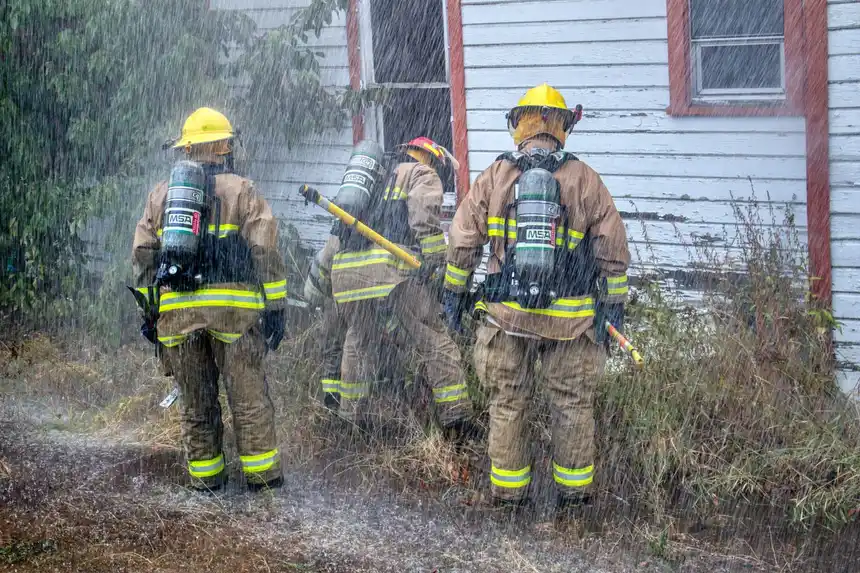
We protect floorsDrop cloths and shoe covers
What our sump pump failure cleanup covers
Every sump pump failure cleanup in Philadelphia, Pennsylvania starts with the same core scope: get the water out, dry the structure, fix the pump and document the loss. What changes is how much material has to come out and how long the drying takes. Here is what is standard on our jobs.
Emergency water extraction
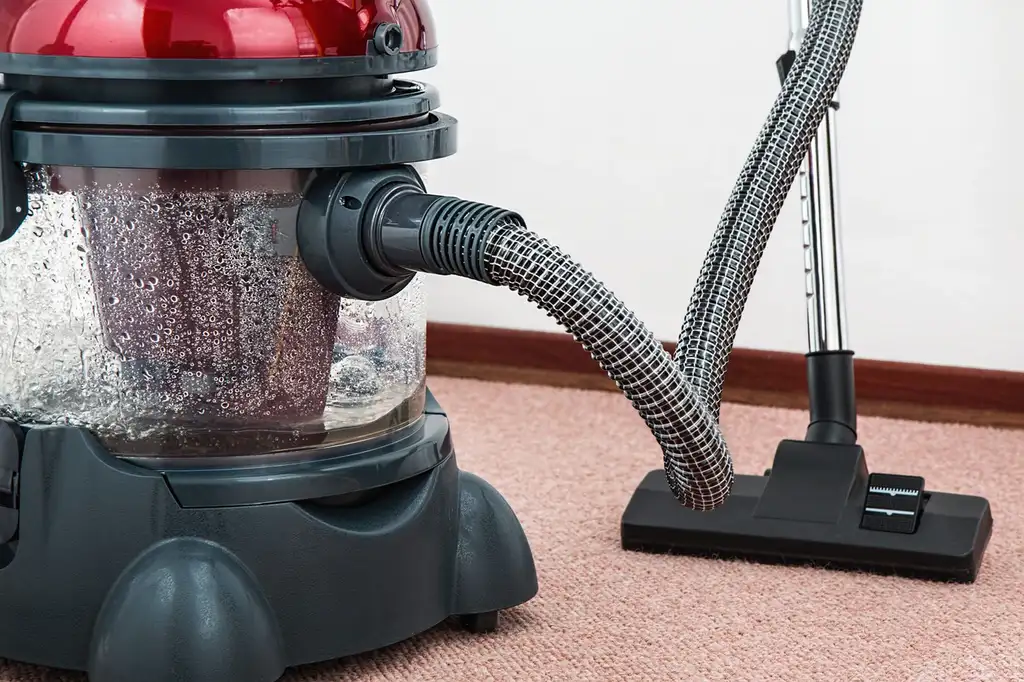
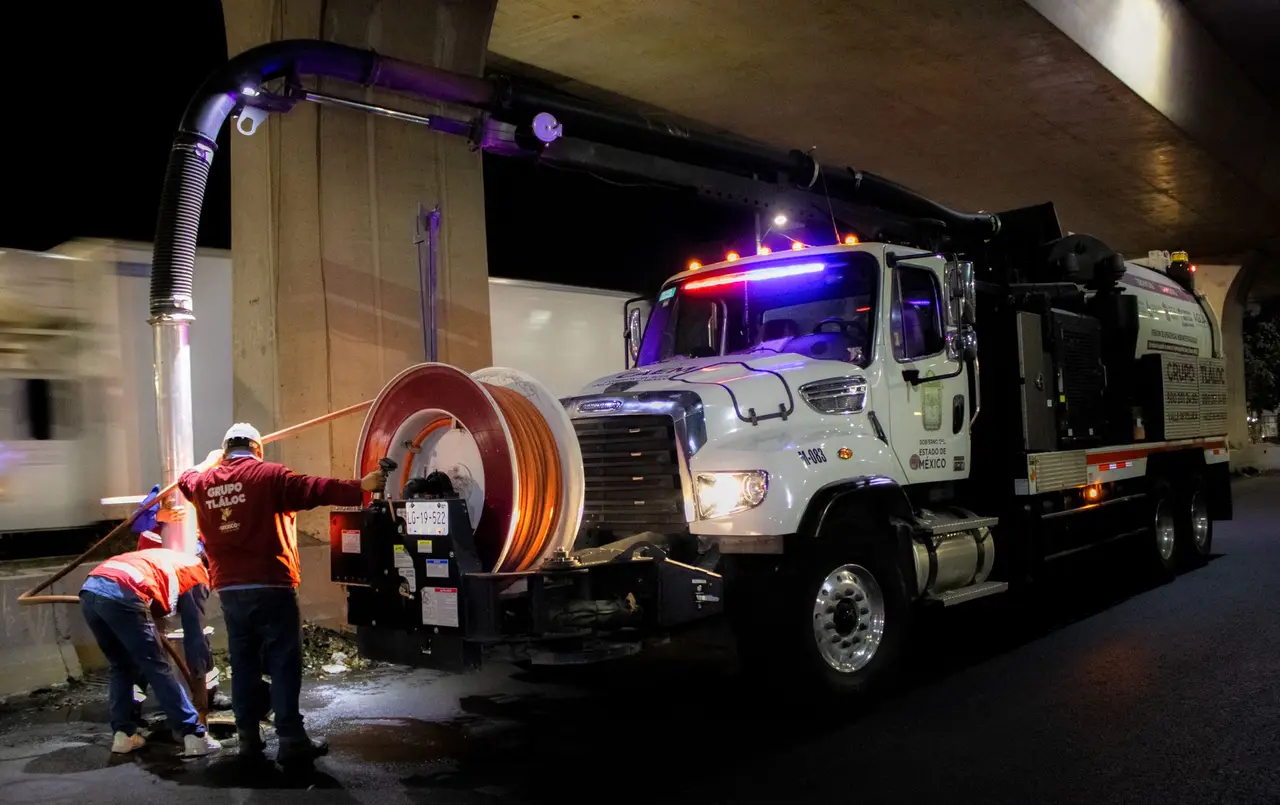
Extraction units and wet/dry vacuums pull standing water from the slab, floor drain area and wall base. We work from the deepest point outward and check the perimeter with a moisture meter before moving to drying.
Moisture mapping and documentation
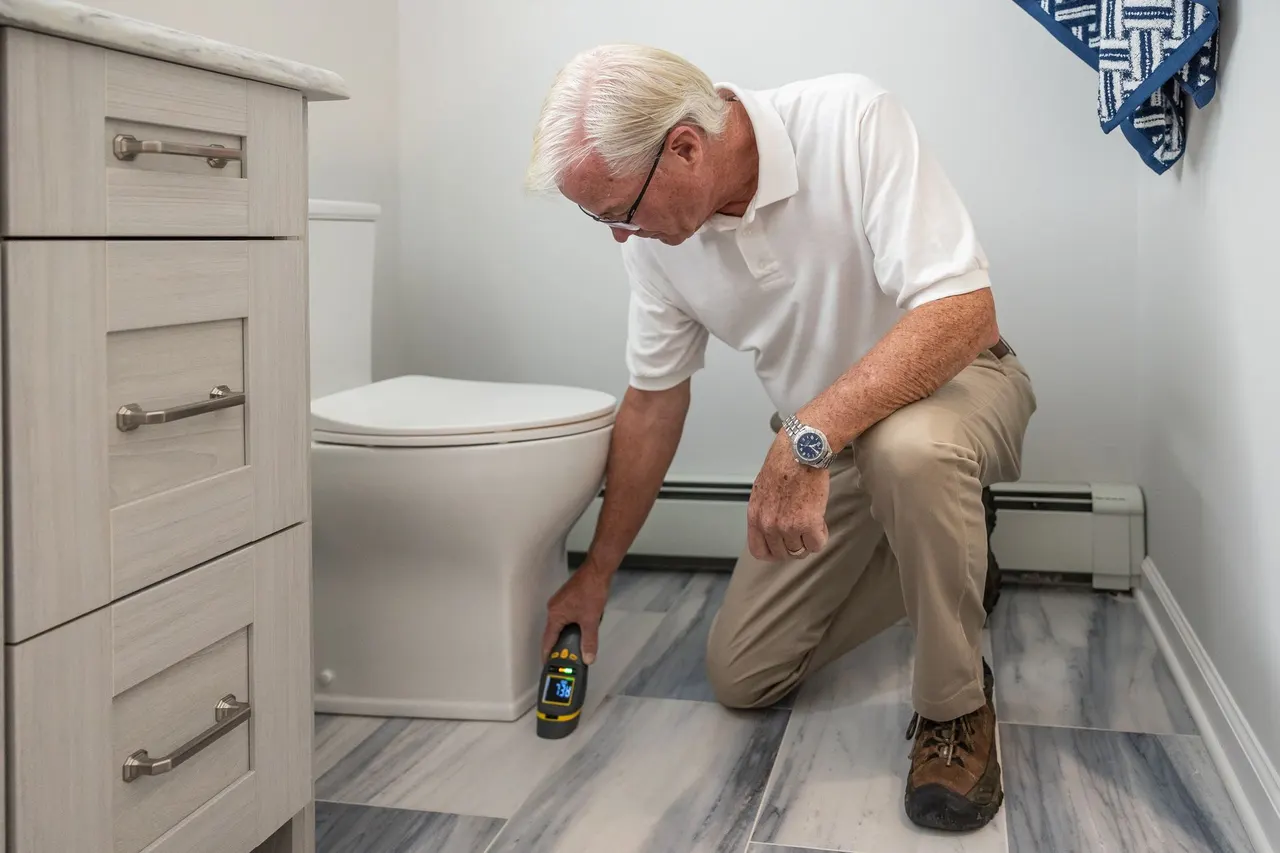
Thermal imaging camera and moisture meter readings map how far water traveled. We photograph the loss and log readings daily, which gives your insurance adjuster a clear picture of the damage.
Structural drying setup
Commercial dehumidifiers and air movers dry the slab, subfloor and wall cavities. A desiccant unit handles crawl spaces and tight masonry. Equipment stays until hygrometer readings confirm dry standard.
Antimicrobial treatment
We apply antimicrobial solution to concrete, framing and any surface that held water. This slows mold growth while the structure dries, which matters because mold can start within 24 to 48 hours.
Sump pump repair or replacement
Our technicians replace failed float switches, check valves, discharge lines and full pump units. Every repair gets tested with a bucket pour before we leave, so you know the pump cycles when the next storm hits.
Debris removal and disposal
Saturated carpet padding, cut drywall and ruined belongings get bagged and hauled out. We leave the space broom-clean so you can see exactly what is left to repair.
Homes and businesses.
The approach is the same for a home and a business. What changes is the access, the schedule and who needs the paperwork.
For homeowners
We handle flooded basements in rowhouses, twins and detached homes across Philadelphia. You get extraction, drying and pump repair in one visit.
Finished basement with carpet
Stone foundation weeping walls
Frozen discharge line in winter
For property managers
We work with landlords and managers on rental basement floods and mechanical room losses. Documentation is built for your insurance claim.
Rental basement flooding
Mechanical room water loss
Multi-unit pump failures
sump pump failure cleanup Philadelphia PA: what the job involves
A plain-language look at what Sump Pump Failure Cleanup involves and when it is needed.
sump pump failure cleanup Philadelphia PA is a water damage restoration service that removes standing water, dries the structure and documents the loss after a sump pump quits, clogs or loses power. A failed pump can dump 50 to 200 gallons into a finished basement in under an hour. We pull that water with a water extraction unit, then dry the subfloor, baseboard and drywall cavity with commercial dehumidifiers and air movers until a moisture meter reads dry.
Most Philadelphia basements flood for the same handful of reasons: a float switch jammed with grit, a check valve that failed, a power outage during a summer storm, or a discharge line frozen solid in January. We see it in Fishtown rowhouses with original stone foundations and in Bustleton split-levels with finished lower levels. If you searched sump pump failure cleanup near me Philadelphia PA at 2 a.m., we answer the phone and dispatch.
A failed sump pump is a water loss first and a pump problem second. Handle both.
What it is
Extraction, structural drying and pump repair after a sump pump fails and floods a basement.
When you need it
Any time standing water appears and the pump is not cycling or not moving water.
What to expect
Same-day extraction, three to five days of drying, and a tested pump before we leave.
How our sump pump failure cleanup works
From the first phone call to the final walkthrough, here is exactly what happens when you hire us for sump pump failure cleanup in Philadelphia, Pennsylvania. No guesswork, no surprise line items.
Call and triage
You call 215-281-3000 and describe what you see: water depth, square footage, whether the pump is running. We ask about sewage smell and electrical panels, then dispatch a crew with the right equipment. Most Philadelphia addresses get a truck on site within 60 to 90 minutes.
Phone triage
Crew dispatch
On-site arrival
Inspect and document
We walk the basement with a moisture meter and thermal imaging camera to map how far water traveled. A boroscope checks inside wall cavities. We photograph everything before touching a thing, because that documentation drives your insurance claim.
Moisture mapping
Photo documentation
Scope review
Extract and remove
Standing water comes out first with the extraction unit and wet/dry vacuum. Saturated carpet padding gets cut and bagged. Baseboard comes off where water wicked up the drywall. This stage usually runs two to four hours on a standard residential basement.
Water extraction
Pad removal
Baseboard check
Dry and monitor
We position commercial dehumidifiers and air movers to dry the slab, subfloor and framing. A desiccant dehumidifier handles crawl spaces and tight masonry. We return daily to log moisture readings until the structure hits dry standard, usually three to five days.
Equipment setup
Daily readings
Dry standard
Repair and restore
Once the structure is dry, we replace the failed pump components, reinstall baseboard, and patch drywall where needed. If mold-resistant drywall is the right call for a chronically wet basement, we say so. Final walkthrough confirms the pump cycles and the floor is dry.
Pump repair
Material rebuild
Final walkthrough
Equipment and methods we use
Move across a circle, or focus it and press Enter, for an illustrative thermal view of the photograph.
Water extraction unit
Pulls 30 to 50 gallons per minute from flooded basement floors. The first tool on site and the one that stops the damage from spreading.
Commercial dehumidifier
Removes moisture from the air so wet materials can dry. We size Dri-Eaz and Phoenix Restoration units to the cubic footage of the affected space.
Air mover
Circulates air across floors and walls to speed evaporation. Positioned to create a drying vortex in the wettest corner of the basement.
Thermal imaging camera
Reveals hidden moisture behind drywall and under flooring without cutting into the structure. We use it during the initial inspection to map the water path.
Moisture meter and hygrometer
Confirms when materials hit dry standard. Readings are logged daily and shared with you and your insurance adjuster.
Thermal views are illustrative, generated from the photographs.
Methods
Boroscope
Inspects inside wall cavities and under subfloor where a camera cannot see. Helps us confirm whether water reached the framing.
Ozone generator and HEPA vacuum
Clears odor and captures fine particles after the water is gone. Used when musty smells linger or mold spores are a concern.
IICRC S500 drying standard
The industry standard for water damage restoration. We follow it for equipment placement, daily monitoring and the dry standard that determines when the job is finished. It is also the language your insurance adjuster understands.
Xactimate estimating
We build the loss estimate in Xactimate, the software most major carriers use. That means line items match what the adjuster expects, which speeds up claim approval and reduces back-and-forth.
Antimicrobial application
Applied to concrete, framing and any surface that held water. This slows microbial growth during the dry-down, which is critical because mold can start within 24 to 48 hours of a flood.
Containment with plastic sheeting
When mold is present or the affected area is large, we seal off the workspace with plastic sheeting and run HEPA filtration. This keeps spores from spreading to the rest of your home.
When Philadelphia homeowners call us
Storm outage flood
A summer thunderstorm knocks out power for six hours and the sump pump never restarts. Water is two inches deep across a finished basement in Mayfair.
We extract the standing water, pull the saturated carpet padding, and set dehumidifiers and air movers. The pump gets a backup battery system so the next outage does not flood the basement again.
Outcome: Basement dry in four days, new backup system installed, and the homeowner's insurance claim documented with photos and moisture logs.
Frozen line burnout
A January cold snap freezes the discharge line on a Port Richmond rowhouse. The pump runs continuously, overheats and quits overnight.
We clear the frozen line, replace the burned-out pump, and reroute the discharge so it drains above the frost line. Extraction and drying follow the same day.
Outcome: Pump cycling normally, discharge line protected against the next freeze, and the basement slab dry within three days.
Rental basement loss
A property manager in University City finds three inches of water in a rental basement on a Sunday morning after the sump pump float jammed with grit.
We dispatch the same day, extract the water, document the loss for the owner's insurance, and coordinate with the tenant on access for drying equipment.
Outcome: Tenant back to normal use in five days, claim approved with our Xactimate estimate, and the pump replaced with a sealed float design.
Vacation mold find
A homeowner in Chestnut Hill returns from vacation to find the sump pump failed days earlier and mold is already visible on stored boxes and framing.
We contain the area, HEPA vacuum surfaces, remove mold-affected materials, and run a full dry-down with antimicrobial treatment before rebuilding.
Outcome: Mold cleared, framing dried to standard, and the basement rebuilt with mold-resistant drywall in the affected section.
FishtownPort RichmondBustleton
How sump pump failures play out in Philadelphia
Philadelphia basements flood differently depending on where you live. Rowhouses in Fishtown and Kensington often have original stone foundations that weep water even after the pump is fixed. Homes in Port Richmond and Bridesburg sit close to the river, so a heavy rain plus a failed pump means water comes in fast.
In the Northeast, split-levels in Bustleton and Somerton have finished lower levels where carpet and drywall soak up water quickly. Winter is the other risk window: discharge lines freeze, pumps burn out, and a January thaw sends meltwater into the pit. We handle emergency sump pump repair Philadelphia PA calls year-round, and we know which neighborhoods need a discharge line rerouted above the frost line.
If you need same day sump pump failure cleanup Philadelphia PA, call before the water reaches the drywall.
Fishtown: Original stone foundations and finished basements mean water wicks into framing fast. We check the wall base with a moisture meter before setting drying equipment.
Port Richmond: Close to the river and prone to street flooding during heavy rain. Sump pumps here work overtime, and discharge lines often need rerouting away from the foundation.
Bustleton: Split-level homes with finished lower levels. Carpet and drywall soak up water quickly, so extraction and pad removal happen on the first visit.
Chestnut Hill: Older detached homes with larger basements and sometimes multiple sump pits. We map the full water path before placing equipment.
Freezing discharge lines in January: A frozen line sends water back into the pit, burning out the pump. We reroute discharge above the frost line and clear blockages during the repair.
Summer thunderstorms with power outages: When the grid goes down, a standard pump stops. We install backup battery systems so the next outage does not flood the basement.
Walk-through and moisture mapping with you present
Floor protection and equipment staging
Daily readings and a clear next-step plan
From problem to finished result.
IllustrativeThe thermal view is generated from the photograph. It is not a measurement. Drag the handle, or use the arrow keys once it is focused.
Fishtown rowhouse basement flood
Before: A failed sump pump left three inches of water across a finished basement with carpet, drywall and stored furniture. The homeowner called at 6 a.m. after noticing the water on the way to work.
After: We extracted the water, removed saturated carpet padding and cut 12 inches of wet drywall. Dehumidifiers and air movers ran for four days. Moisture readings confirmed dry standard, and we replaced the pump and check valve.
Install a backup battery system and test the pump monthly by pouring a bucket of water into the pit. Clear the discharge line before winter.
Port Richmond pump burnout after freeze
Before: A January freeze blocked the discharge line. The pump ran continuously, overheated and quit. Water backed up into the basement overnight and reached the furnace area.
After: We cleared the frozen line, replaced the burned-out pump and rerouted the discharge above the frost line. Extraction and drying took three days. The furnace area was dried and checked for rust before the system ran again.
Insulate the discharge line and check the exterior termination point each fall. If the line exits below the frost line, have it rerouted.
University City rental basement loss
Before: A jammed float switch flooded a rental basement with two inches of water on a Sunday. The property manager needed documentation for the owner's insurance claim and a fast turnaround for the tenant.
After: We extracted the water the same day, logged daily moisture readings, and built the estimate in Xactimate. The claim was approved without back-and-forth. The pump was replaced with a sealed float design, and the tenant was back to normal use in five days.
Schedule a pump inspection each spring before storm season. Sealed float switches resist the grit that jams open floats.
Problems we solve after a sump pump failure
A failed sump pump causes more than a wet floor. Water spreads into materials, damages the pump itself and creates conditions for mold. Here are the problems we see most often in Philadelphia basements and how we handle them.
Standing waterStanding water across a finished basement floorWater wicks into carpet padding, baseboard and drywall within hours. The longer it sits, the more material has to be cut out and replaced. We extract standing water immediately with a water extraction unit, then pull saturated carpet padding and check the drywall for wicking. Drying equipment goes down the same visit so the structure starts drying the day you call.
Pump not movingPump runs but does not move waterA clogged impeller or failed check valve means the pump hums while the pit fills. Homeowners often do not notice until the basement is already wet. Our technicians pull the pump, inspect the impeller and check valve, and test the discharge line for blockages. If the pump is beyond repair, we replace it and test the new unit with a full bucket pour before leaving.
Musty odorMusty odor after the water is goneOdor means microbial growth is already active in the carpet, drywall or framing. Ignoring it leads to a bigger mold remediation bill later. We apply antimicrobial solution during the dry-down, HEPA vacuum affected surfaces, and use an ozone generator when odor has spread through the space. If mold is visible, we contain and remove affected materials.
Frozen lineDischarge line frozen or blockedA frozen or buried discharge line sends water right back into the pit. The pump runs continuously, burns out and floods the basement during a January thaw. We trace the discharge line, clear blockages and reroute where the line slopes wrong or exits below the frost line. In Philadelphia, that often means adjusting the termination point so it drains away from the foundation.
Why Philadelphia homeowners call us first
Water out, structure dry, pump running, claim documented.
Water out in hours
Our water extraction unit pulls 30 to 50 gallons a minute, so a typical 2-inch basement flood is gone in two to three hours. We start with the deepest corner and work toward the floor drain, then run a wet/dry vacuum along the baseboards where standing water hides.
Drying that passes inspection
We set Dri-Eaz and Phoenix Restoration dehumidifiers with air movers to dry the slab, subfloor and wall cavities to IICRC WRT standards. Daily moisture meter and hygrometer readings track the dry-down, and you get the log for your insurance claim.
Pump repair, not just cleanup
Cleanup without a working pump means the next storm floods you again. Our technicians replace failed floats, check valves and discharge lines, and test the new pump with a full bucket pour before we pack up. That is why customers call us for sump pump repair Philadelphia and cleanup in one visit.
Mold stopped early
Mold growth starts within 24 to 48 hours of a flood. We apply antimicrobial solution to framing and concrete, HEPA vacuum the affected area, and set up containment with plastic sheeting when needed. Catching it in the first day saves thousands in remediation later.
What a written scope covers.
What a written scope covers and what shapes it. Prices are set by the business after the first look.
Our sump pump died during a July storm and we had four inches of water in the basement by morning. The crew was here in about 90 minutes, pulled the water, and had dehumidifiers running by noon. They also replaced the float switch and tested it. Five days later the moisture meter read dry and they packed up. Straight answers, no runaround.
We manage six rental units and one of them flooded when the sump pump failed on a Sunday. Water Damage Restoration Philly handled the extraction and drying, documented everything for our insurance, and coordinated with the tenant. The Xactimate estimate matched what the adjuster approved. That never happens.
My finished basement had carpet and drywall wicking water up six inches. They cut out the wet padding, dried the walls with air movers, and replaced the pump and check valve. Took four days total. They showed me the moisture readings each day so I knew it was actually dry before they rebuilt.
Questions Philadelphia homeowners ask us
A small unfinished basement with an inch of water sits at the low end. Finished basements with soaked carpet padding and wet drywall land higher. We give you the number before we start.
We do, as part of the cleanup. Our technicians replace float switches, check valves, discharge lines and full pump units, then test the new pump with a bucket pour before leaving. You do not need a separate contractor for the pump and the water damage.
Often yes, but it depends on your policy. Standard homeowners policies usually exclude sump pump failure unless you added water backup coverage, which is a common endorsement in Philadelphia. We document the loss with photos, moisture logs and an Xactimate estimate so your adjuster has what they need. We work directly with most major carriers.
Extraction and tear-out usually take two to four hours on a standard Philadelphia basement. Structural drying runs three to five days with daily monitoring. Pump repair happens on the first visit or right after the structure is dry, depending on the scope. Total time from call to final walkthrough is typically four to seven days for a residential job.
Other services we pair with sump pump failure cleanup
Call now for sump pump failure cleanup Philadelphia PA
Water in your basement will not wait, and neither should you. We answer the phone, dispatch a crew and start extraction the same day. One call gets the water out, the structure dry and the pump running again.
Call 215-281-3000 any time, day or night. We answer live, ask what happened, and dispatch a crew. If you prefer email, send photos and your address to info@waterdamagerestorationphilly.com and we'll respond within the hour. Most Philadelphia calls get a technician on-site within 60 to 90 minutes.