For Homes
We clean ductwork in rowhouses, twins, and split-levels across Philadelphia. You get a moisture reading and a photo log before we start.
- Basement duct trunk flooded
- Musty smell from vents
- Mold visible on duct liner
Air Duct Cleaning After Water Damage Philadelphia PA is the step most homeowners skip after a burst pipe or basement flood, and it is the one that keeps mold spores from recycling through every room. We open the trunk lines, HEPA-vac the silt, and dry the interior of the ductwork with desiccant and air movers. If your HVAC pulled in flood water, sewage backup, or crawl space moisture, call 215-281-3000.
 Boroscope inspectionMoisture readingsHEPA vacuum
Every duct cleaning after water damage job includes inspection, extraction, HEPA vacuuming, antimicrobial treatment, and drying verification. Duct replacement and HVAC motor repair are separate scopes we will flag if needed.
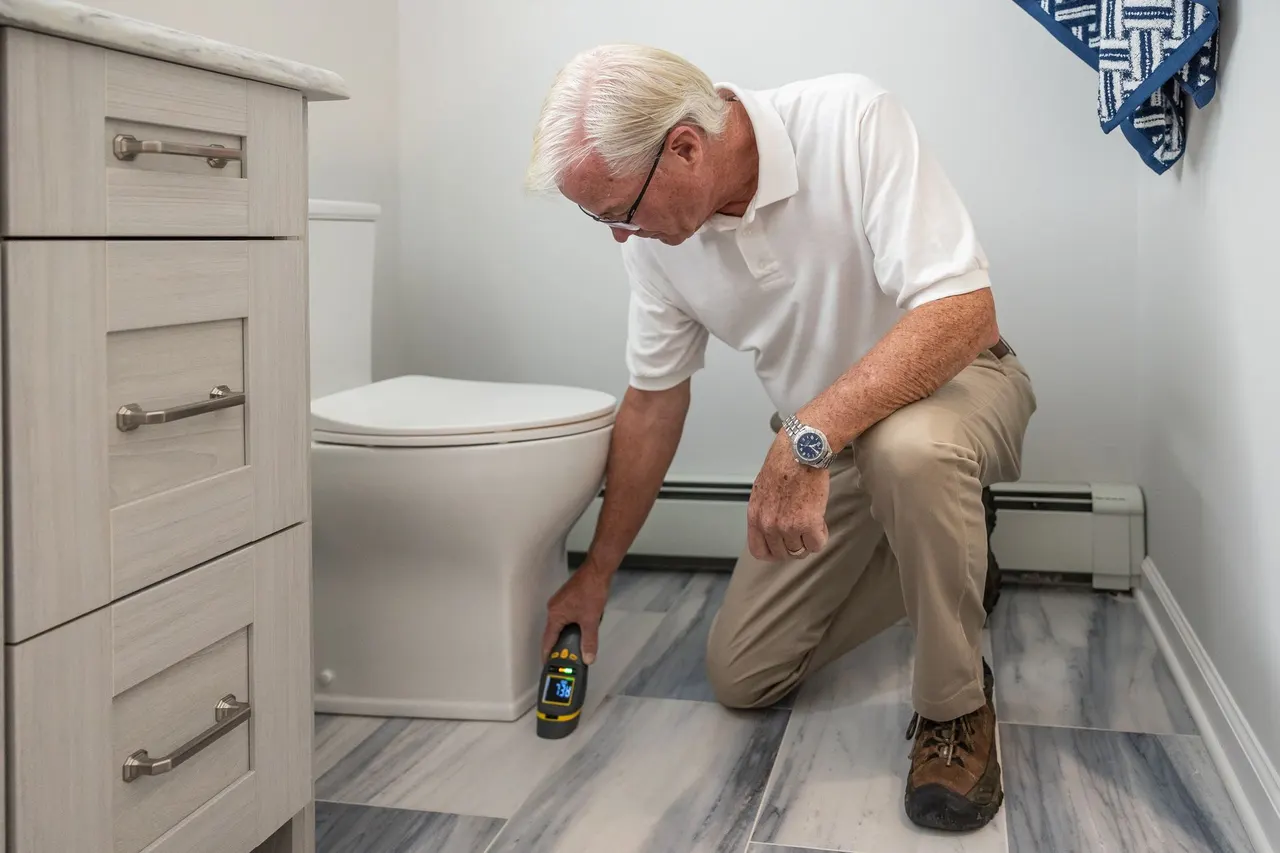
We run a camera through the trunk line and branch runs so you can see the mold, silt, and debris inside. You get a written moisture reading from the hygrometer and a photo log of what we found.
A HEPA vacuum pulls silt, drywall dust, and insulation fibers out of the ductwork without spreading them through the house. We seal the registers first so the debris goes into the vacuum, not your living room.
After the debris is out, we apply antimicrobial solution to the interior metal. This kills surface mold and stops regrowth while the ducts finish drying. It is the same treatment we use on Category 3 sewage losses.
A commercial dehumidifier and air movers bring the duct interior below 16 percent moisture content, the threshold where mold stops growing. Drying runs 24 to 48 hours, and we verify with a hygrometer before we leave.
We photograph the duct interior, log before-and-after moisture readings, and format the report for Xactimate. Your adjuster gets what they need to process the claim without back-and-forth phone calls.
We re-check moisture, photograph the cleaned duct interior, and hand you a written log of the job. If the blower or coil took on water, we flag it so your HVAC tech can inspect it before you run the system.
The approach is the same for a home and a business. What changes is the access, the schedule and who needs the paperwork.
We clean ductwork in rowhouses, twins, and split-levels across Philadelphia. You get a moisture reading and a photo log before we start.
We work with property managers and business owners on larger duct systems. After-hours scheduling keeps your operation running while we clean.
A plain-language look at what Air Duct Cleaning After Water Damage involves and when it is needed.
See how it worksAir duct cleaning after water damage Philadelphia PA is a restoration service that removes standing water, silt, and biological growth from the inside of your HVAC ductwork after a flood, burst pipe, or sewage backup. When water enters the system, it carries drywall dust, insulation fibers, and carpet padding debris into the trunk lines. A HEPA vacuum pulls the loose material out, a boroscope lets us see around elbows and dampers, and an antimicrobial solution treats the metal before we seal it back up.
Philadelphia's rowhouse stock makes this worse than in most cities. Duct runs sit in damp basements and crawl spaces where sump pump failure and roof leaks are common, and the system recirculates that moisture into every bedroom. If you search for air duct cleaning after water damage near me Philadelphia PA after a storm, we schedule a same-day inspection, measure moisture with a hygrometer, and tell you whether the ducts need cleaning or full replacement.
Water inside ductwork feeds mold and corrodes metal until the source is removed and the system is dried.
Five steps, start to finish. You get a written moisture reading, a photo log of the duct interior, and a clear answer on whether the system is salvageable.
We walk the basement or crawl space with a moisture meter and thermal imaging camera, then run a boroscope through the trunk line. You see the screen. If the duct board is saturated past the liner, we tell you straight that cleaning will not fix it. This step takes 30 to 45 minutes.
We seal the supply registers with plastic sheeting and set the HVAC to fan-only so loose debris does not spread through the house. A HEPA vacuum connects to the main trunk access. Setup runs about 20 minutes on a typical Philadelphia rowhouse.
A wet/dry vacuum and water extraction unit pull standing water from low spots in the duct run. Then we brush and HEPA-vac the trunk lines and branches. On a 1,500 square foot home this takes two to four hours, depending on how far the water traveled.
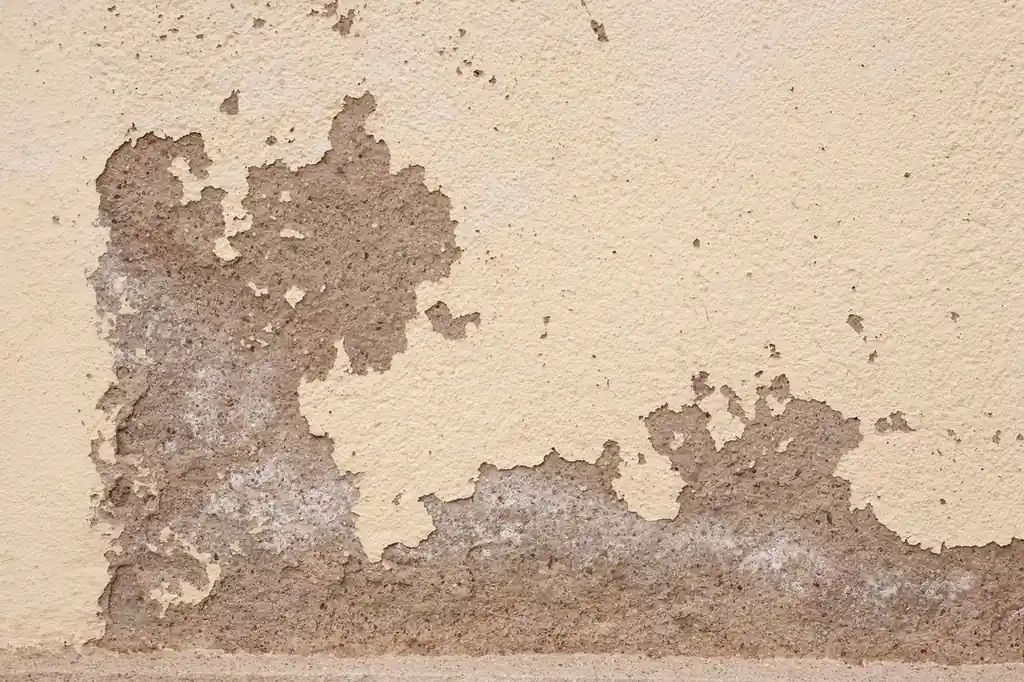
We apply antimicrobial solution to the interior metal, then place a commercial dehumidifier and air movers at the trunk access. Desiccant drying brings the duct interior below 16 percent moisture content, which is the threshold where mold stops growing. Drying usually runs 24 to 48 hours.
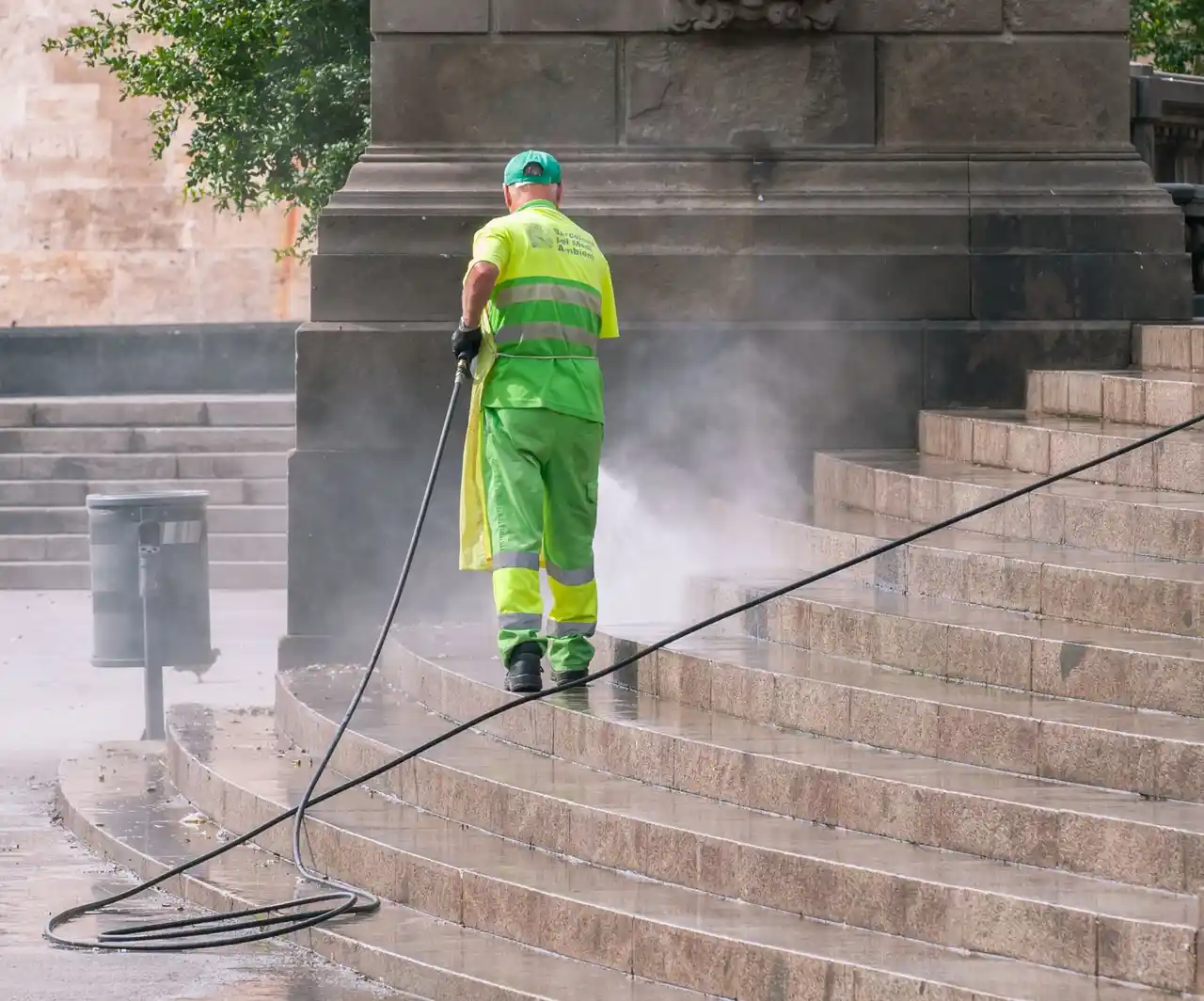
We re-check moisture with the hygrometer, photograph the duct interior, and hand you a written log with before-and-after readings. If the blower or coil took on water, we flag it for your HVAC tech. Final walkthrough takes about 30 minutes.
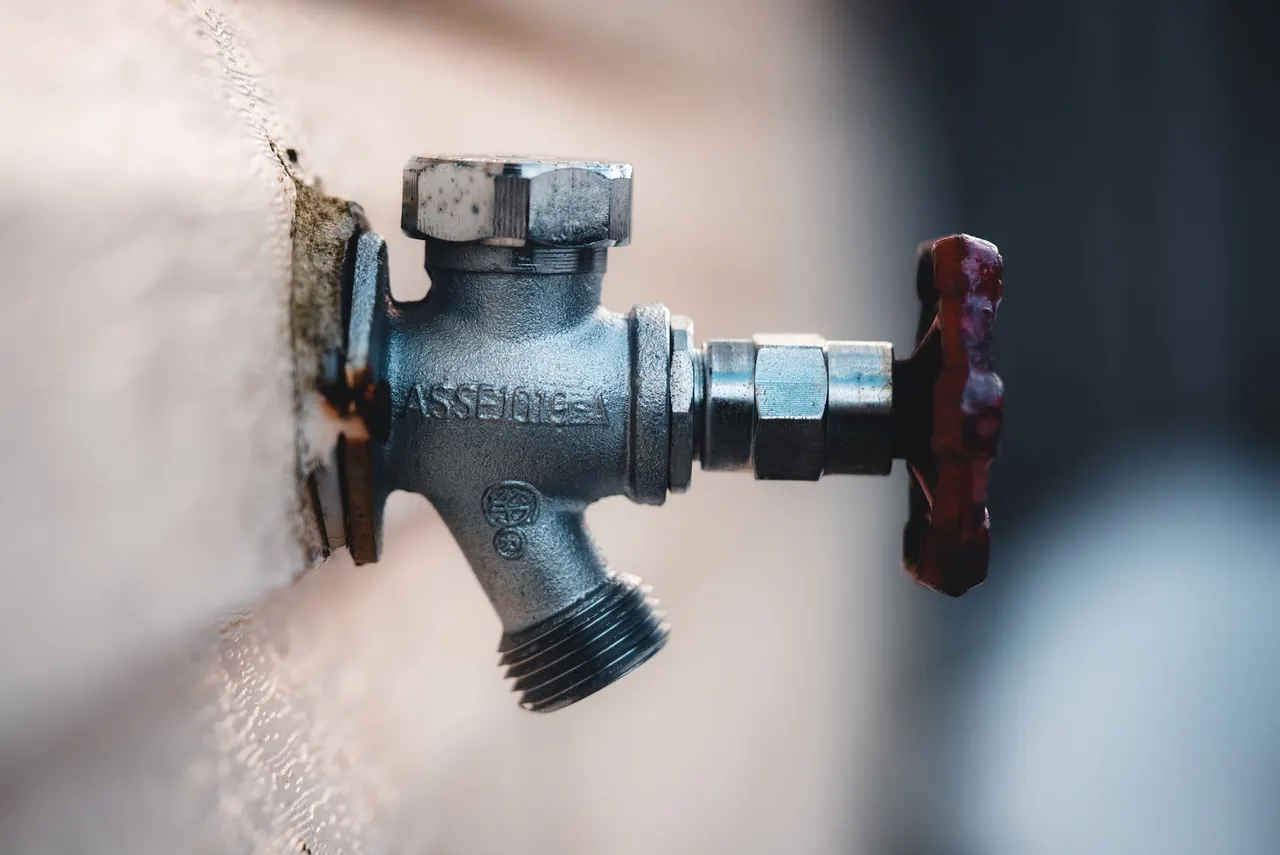
Move across a circle, or focus it and press Enter, for an illustrative thermal view of the photograph.
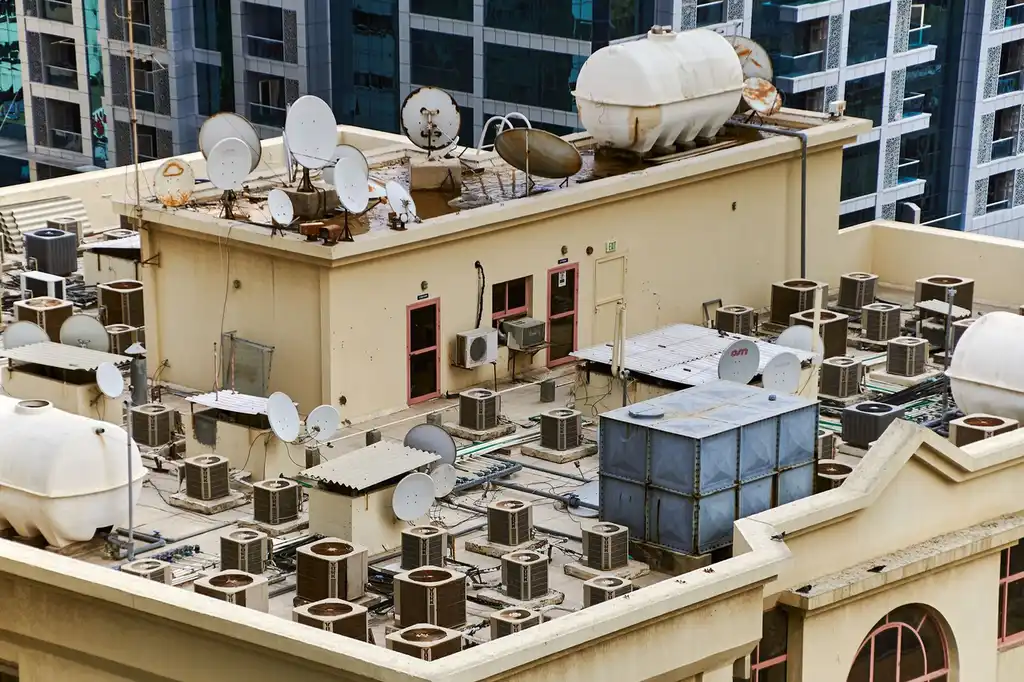
Pulls silt, drywall dust, and mold spores out of the ductwork without releasing them back into the air. The HEPA filter traps particles down to 0.3 microns.
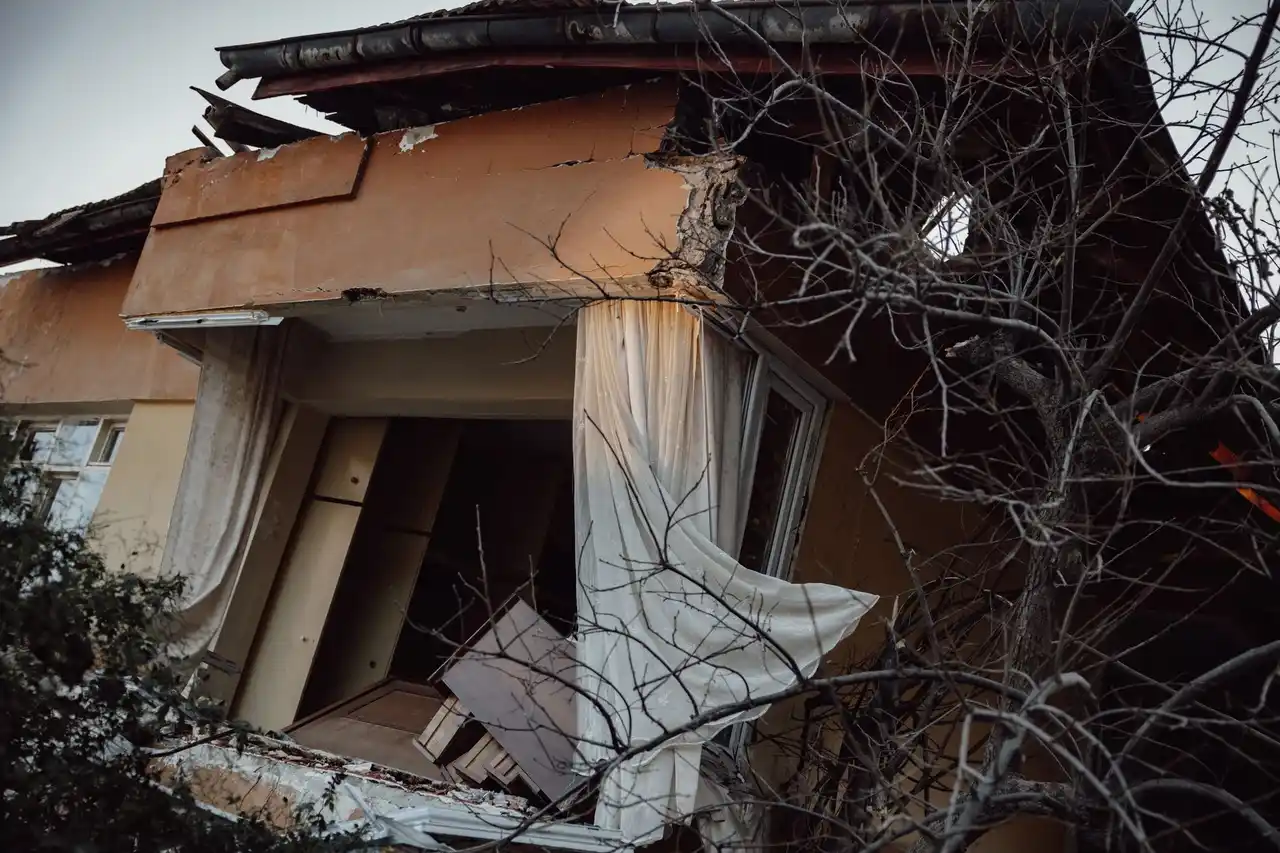
A camera on a flexible rod that lets us see inside the trunk lines and around elbows. You watch the screen with us so you know exactly what is in your ducts.
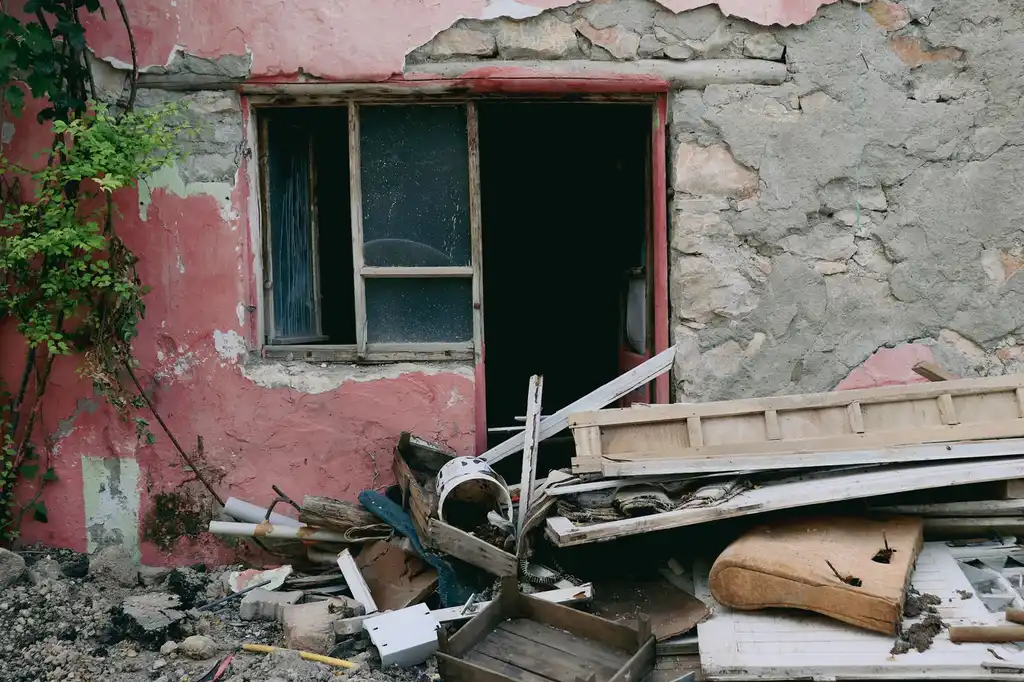
Maps temperature differences to find hidden moisture in duct chases, ceiling cavities, and crawl spaces. It shows us where water traveled even when the surface looks dry.
Dri-Eaz and Phoenix Restoration units pull moisture out of the duct interior and the surrounding space. We run them until the hygrometer reads below 16 percent moisture content.
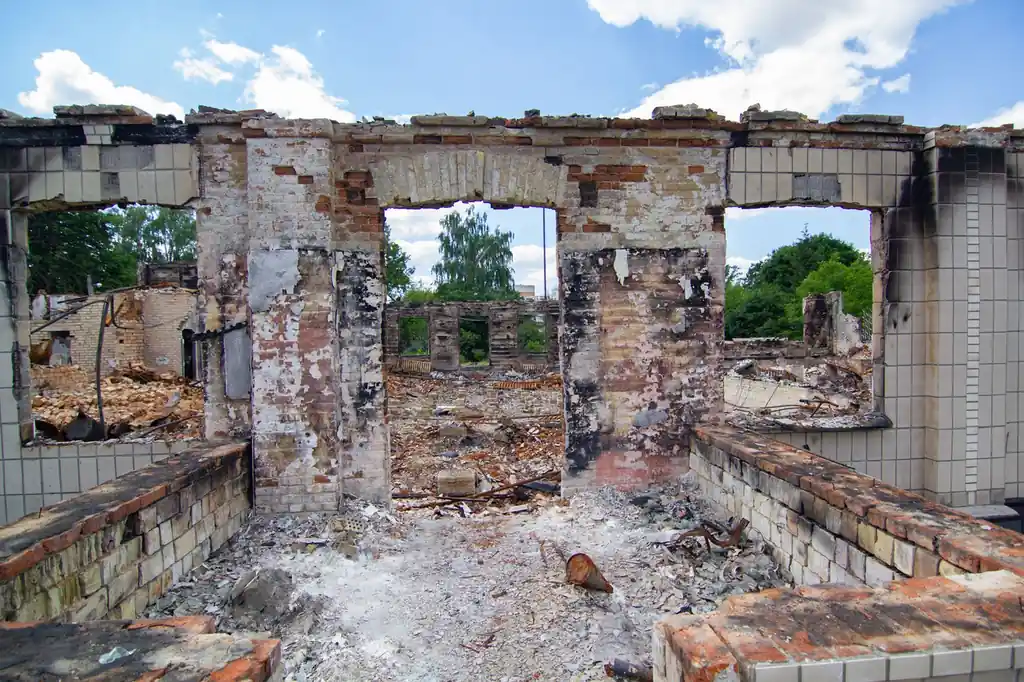
High-velocity fans that push dry air through the duct run to speed evaporation. We position them at the trunk access and move them as the drying front advances.
Thermal views are illustrative, generated from the photographs.
Pin and pinless meters measure moisture in duct board and surrounding materials. The hygrometer tracks relative humidity so we know when the system is actually dry.
Used only after source removal to neutralize lingering odors in the duct system. We do not run it as a substitute for cleaning, and we ventilate the space afterward.
The industry standard for water-damaged structures. It defines when ductwork must be cleaned, how moisture content is measured, and what documentation a restoration job requires. We follow it on every job.
We remove the water, silt, and mold before we treat anything. Ozone and antimicrobials only work after the source is gone. This is the difference between a real fix and a temporary smell cover-up.
We use desiccant dehumidifiers to pull moisture out of the duct interior when humidity is high. This brings the duct below 16 percent moisture content, which is the threshold where mold stops growing.
Every job ends with a hygrometer reading, a photo log of the duct interior, and a written summary. You get proof the ducts are dry, and your insurance adjuster gets the documentation they need.

A sump pump fails during a fall storm and floods the basement where the duct trunk runs.
We extract the standing water, dry the basement with commercial dehumidifiers and air movers, then clean and treat the ductwork. The whole job usually takes two to three days from call to final verification.
Outcome: The basement is dry, the ducts are clean, and the musty smell is gone. You can run the heat without pushing mold spores through the house.
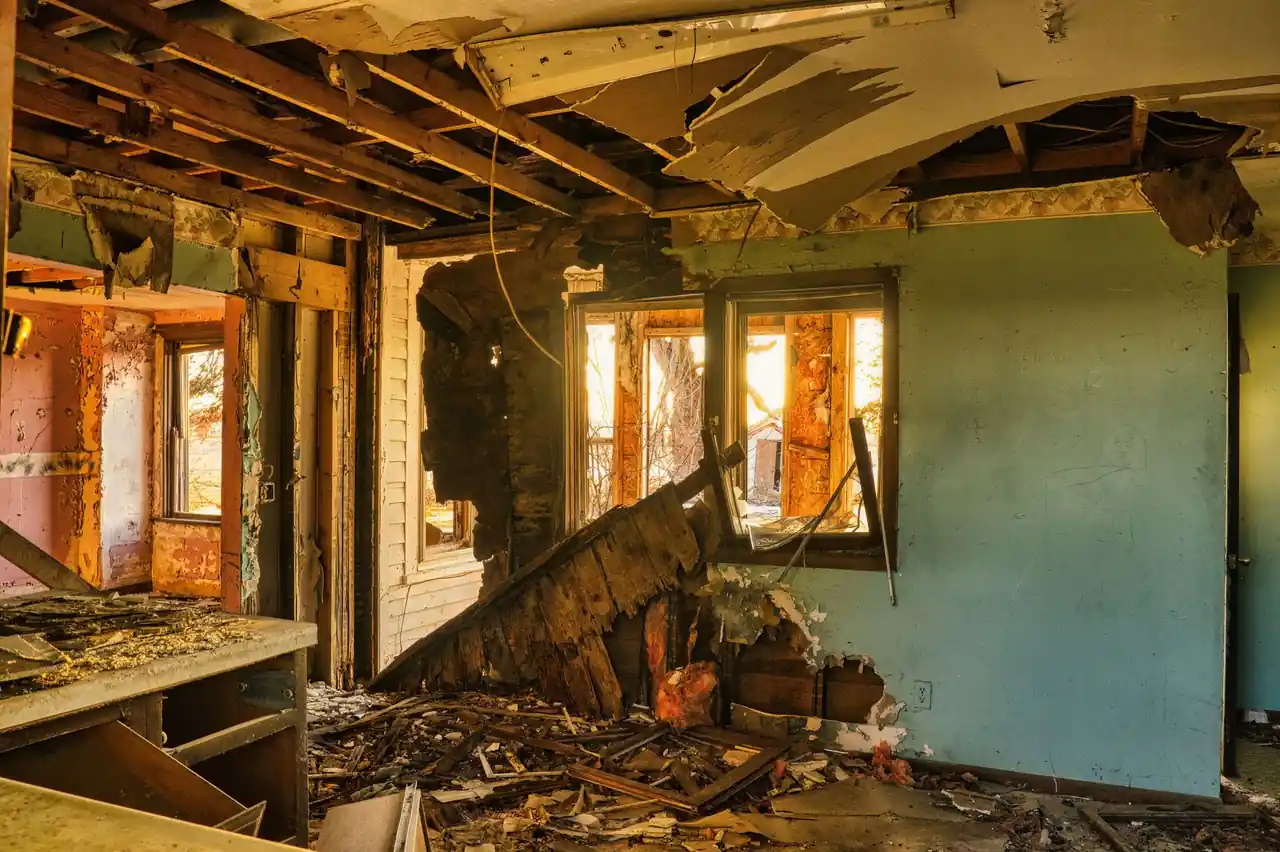
A pipe bursts on the second floor and water runs down through the ceiling into a duct chase.
We shut off the water, extract what we can, and open the ceiling to dry the cavity. Then we run a boroscope through the duct chase to check for moisture and clean any section that took on water.
Outcome: The structure is dry, the duct chase is clean, and the repair is documented for your insurance claim. No mold growth in the weeks that follow.
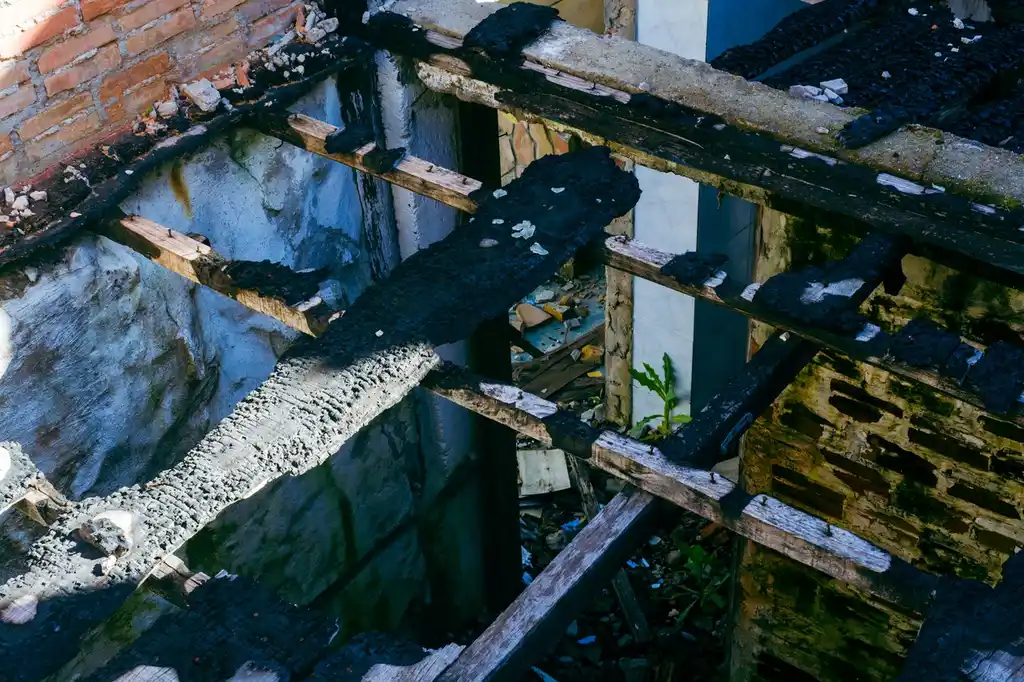
A roof leak drips onto attic ductwork for weeks before you notice the stain on the ceiling.
We trace the moisture with a thermal imaging camera, repair the leak area, and clean the duct sections that collected water. Antimicrobial treatment follows the cleaning, and we dry the attic cavity.
Outcome: The attic and ducts are dry, the musty smell in the upstairs bedrooms is gone, and the duct liner is treated against mold regrowth.
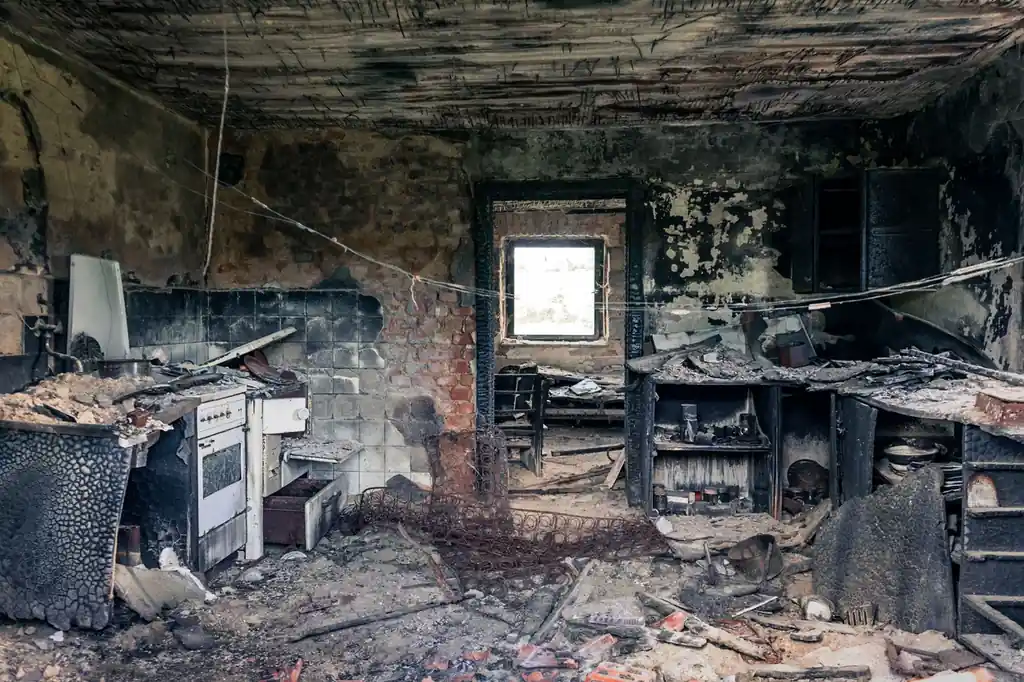
A water heater fails and dumps 50 gallons next to the furnace and duct trunk in the basement.
We extract the water, dry the area with air movers, and inspect the duct trunk with a moisture meter. If moisture reached the duct interior, we clean and dry it before you turn the system back on.
Outcome: The basement is dry, the ductwork is clean, and your HVAC system is safe to run. We document the loss for your insurance claim.
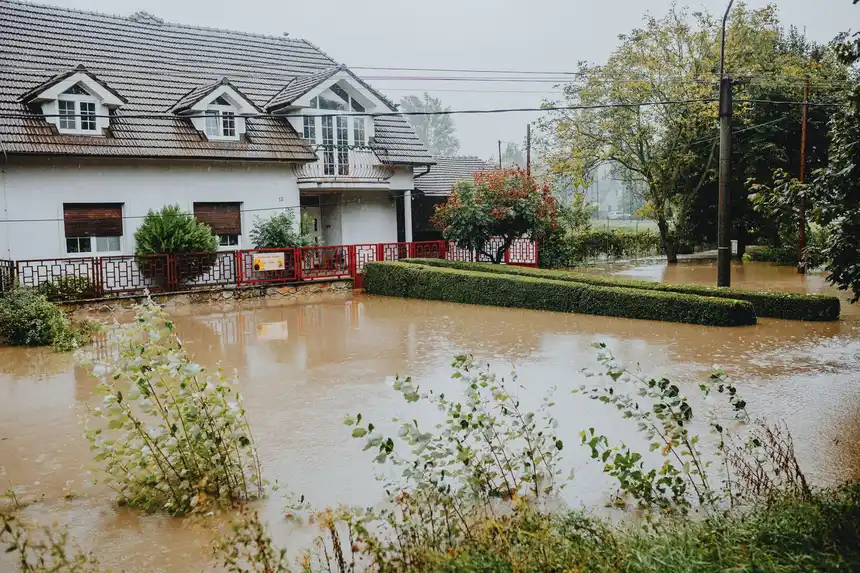
A sewage backup fills the basement with Category 3 water that reaches the air handler.
We treat the whole area as a contaminated loss, extract the water, and dispose of any saturated duct board. The duct interior gets full antimicrobial treatment, and we do not run the HVAC until it is clean and dry.
Outcome: The contamination is removed, the ducts are treated and dry, and the air in your home is safe to breathe again.
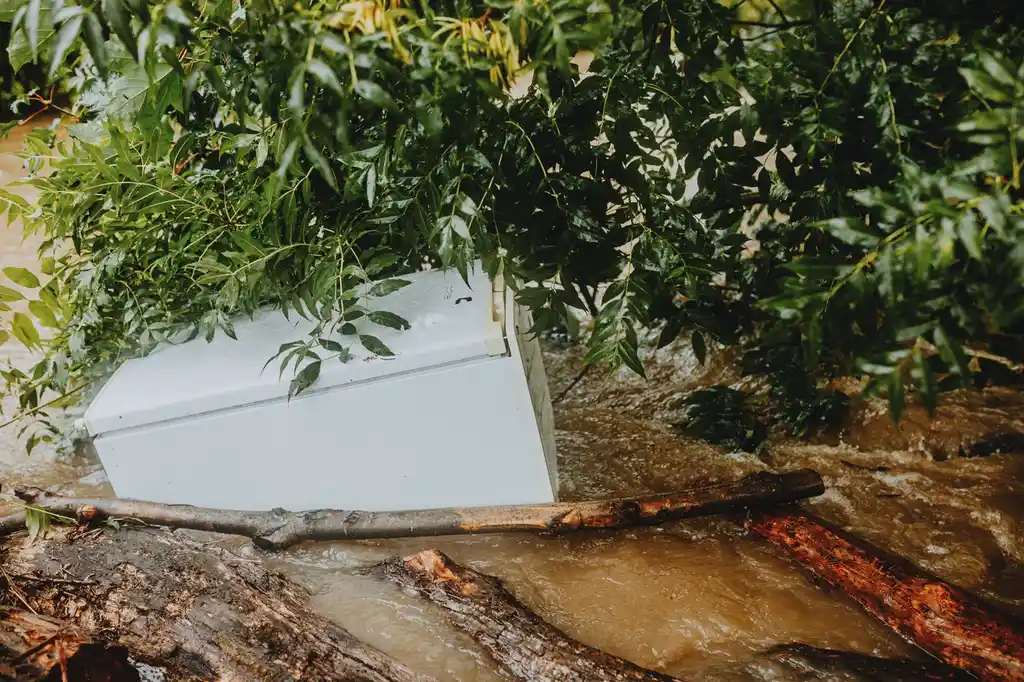
Philadelphia's housing stock makes duct cleaning after water damage a different job than in newer suburbs. Most of the city is rowhouses built before 1950, and the duct trunk lines run through damp basements or unheated crawl spaces. When a sump pump fails during a fall storm or a pipe bursts in January, water pools right where the ducts sit. We know the difference between a Center City high-rise duct system and a Northeast Philadelphia split-level, and we price the job accordingly.
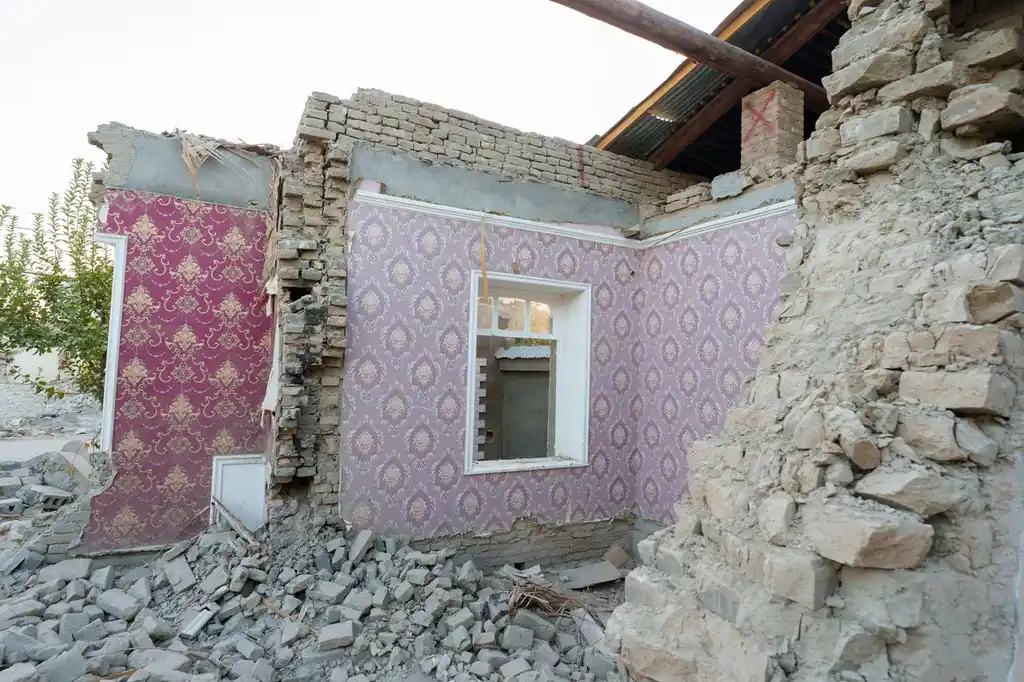
Before: A sump pump failed during an October storm and flooded the basement six inches deep. The duct trunk sat in the water for two days before the homeowner called. The boroscope showed mold on the interior liner and silt in every branch run.
After: We extracted the water, HEPA-vacced the trunk and branches, and treated the interior with antimicrobial solution. Desiccant drying brought the duct to 12 percent moisture content. The musty smell was gone within 24 hours of the cleaning.
Keep the sump pump on a yearly test schedule and check the basement after every heavy rain. If the pit fills faster than the pump clears it, call us before the water reaches the duct trunk.
Before: A supply line burst on the second floor of a duplex and ran down through the ceiling into a duct chase. The property manager noticed the stain two days later. Moisture had wicked into the duct insulation and the ceiling cavity.
After: We opened the ceiling, dried the cavity with air movers, and cleaned the duct section that took on water. The hygrometer read 14 percent after 36 hours of drying. The repair was documented for the insurance claim and the tenants moved back in on day three.
Have a plumber check supply lines in upper-floor bathrooms every few years. A slow drip behind a wall can reach the duct chase long before it shows on the ceiling.
Before: A roof leak dripped onto attic ductwork for weeks before the homeowner noticed the ceiling stain. The boroscope showed mold growth along the top of the trunk line and damp insulation wrapped around the duct.
After: We repaired the leak area, removed the damp insulation, cleaned and treated the duct interior, and dried the attic cavity. Moisture readings dropped from 28 percent to 11 percent over two days. The musty smell in the upstairs bedrooms cleared.
Check the attic after every major storm and look for water stains on the duct insulation. Catching a roof leak early keeps water out of the duct system entirely.
Water in ductwork causes problems that get worse the longer you wait. Here are the ones we see most often in Philadelphia homes.
Clean, dry ducts stop mold from recirculating through your home.
Mold growth inside a wet duct spreads spores to every supply register in the house. We treat the interior with antimicrobial solution and HEPA-vac the residue, which cuts the spore load instead of just masking the smell with an ozone generator.
Silt and grit pulled through a wet system grind the blower bearings and clog the evaporator coil. Cleaning the ducts after water damage protects the equipment you already paid for and keeps the system running at its rated airflow.
That basement smell in your living room is duct-borne. Once we remove the damp debris and dry the trunk lines with a commercial dehumidifier, the odor source is gone rather than covered up. Most customers notice the difference within 24 hours.
Collapsed insulation and debris block the trunk lines, so rooms at the end of the run stay cold. We measure static pressure before and after cleaning, and most Philadelphia homes see airflow return to within 10 percent of the original design.
What a written scope covers and what shapes it. Prices are set by the business after the first look.
Included
Depends on
Clear records you can keep and share.
Interior duct photos before and after
Hygrometer readings at each visit
Written summary of work performed
Xactimate-formatted documentation for adjusters
Not every wet duct system can be cleaned. The difference comes down to what the water carried and how long it sat.
Category 1 loss from a burst pipe or supply line
Category 2 loss from appliance leaks or washing machine overflow
Category 3 loss from sewage backup or storm flooding
A list like this tells people straight away whether you cover their street. Not listed? Call and ask: it only takes a minute.
Based in Philadelphia and covering the places around it. Pick one for local details.
A single trunk line in a rowhouse sits at the low end. A two-story home with a flooded basement and saturated branch runs sits higher.
We do. Water Damage Restoration Philly has been cleaning water-damaged ductwork in Philadelphia County since 2015. Call 215-281-3000 and we will schedule a same-day inspection.
Often yes, when the duct cleaning is part of a covered water loss like a burst pipe or appliance leak. Most Philadelphia policies exclude gradual seepage or long-term crawl space moisture. We document the damage with photos and moisture readings formatted for Xactimate, which gives your adjuster what they need to approve the claim.
The cleaning itself takes two to four hours on a typical Philadelphia rowhouse. Drying the duct interior with a commercial dehumidifier and air movers runs another 24 to 48 hours. We come back to verify moisture content with a hygrometer before we call the job done. Total turnaround is usually two to three days.
Other services from the same team.
Every hour you run a wet HVAC system pushes mold spores deeper into the duct liner. Call 215-281-3000 now and we will schedule a same-day inspection with a moisture meter and boroscope. We show you the screen and give you a straight answer.
Call 215-281-3000 any time, day or night. We answer live, ask what happened, and dispatch a crew. If you prefer email, send photos and your address to info@waterdamagerestorationphilly.com and we'll respond within the hour. Most Philadelphia calls get a technician on-site within 60 to 90 minutes.