Odor Removal and Deodorization Philadelphia PA That Clears the Air for Good
When smoke, sewage, or mold odor settles into your Philadelphia home, masking it with sprays only wastes time. Our odor removal and deodorization Philadelphia PA service finds the source, treats the materials, and verifies the air is clean before we leave. We handle rowhouses in Fishtown, twins in Mayfair, and commercial spaces in Center City. Call 215-281-3000 for same-day help.
What Our Odor Removal and Deodorization Service Includes
Every job includes inspection, source removal, drying, treatment, and air verification. If you need duct cleaning or content pack-out, we add that to the scope after the inspection. You get one flat price for the whole job.
Full Odor Inspection
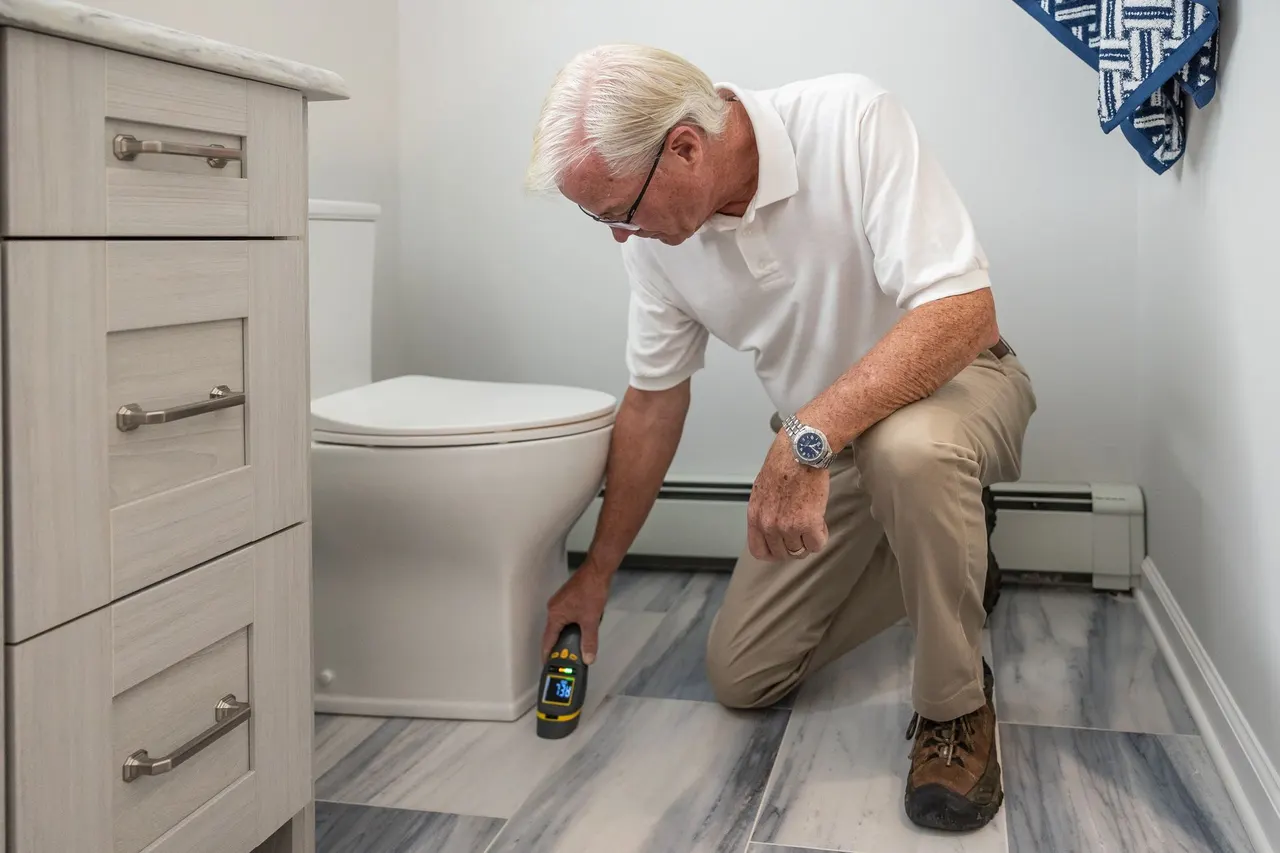
We use a thermal imaging camera, moisture meter, and boroscope to find the source. You get a written scope with photos and a flat price before we start. Inspection takes 30 to 45 minutes and is included in the job cost.
Source Material Removal
Wet carpet padding, saturated drywall, and contaminated insulation come out. We bag and dispose of everything according to Pennsylvania rules. This is the step that makes deodorization last instead of fading in a week.
Structural Drying
Commercial dehumidifiers and air movers dry the framing and subfloor to below 16 percent moisture content. We monitor with a moisture meter daily and adjust equipment as needed. Drying usually takes two to four days.
Antimicrobial Treatment
We apply an antimicrobial solution to framing, subfloor, and wall cavities after drying. This stops mold and bacteria from producing new odor. We treat every exposed surface, not just the ones you can see.
Ozone or Hydroxyl Deodorization
For smoke, sewage, and mold odor, we seal the space and run an ozone generator or hydroxyl unit. Treatment time depends on volume and odor severity, usually four to twelve hours. We ventilate and test the air before you re-enter.
Final Air Verification
We run a calibrated air test and give you the reading in writing. If the number is still high, we treat again at no extra charge. You walk the space with the crew lead before we pack up.
Homes and businesses.
The approach is the same for a home and a business. What changes is the access, the schedule and who needs the paperwork.
For homes and rentals
Odor in a home usually traces back to a leak, a backup, or old smoke residue. We find the source, remove what is holding the smell, and dry the structure.
Basement smells after rain
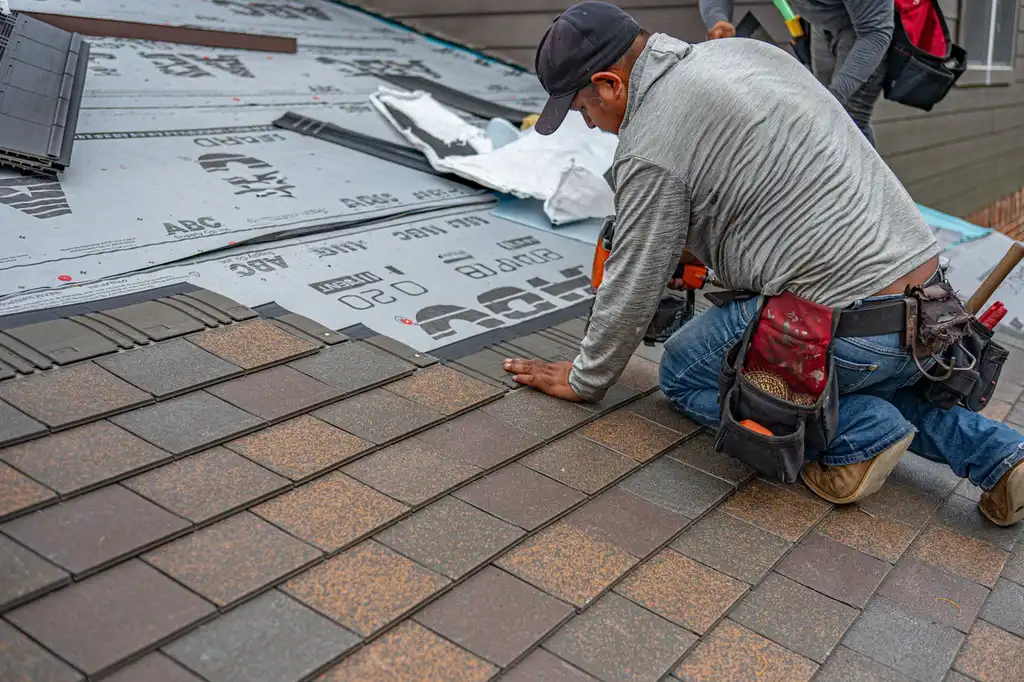
Musty odor from a roof leak
Smoke smell in a rental
For businesses and property managers
A lingering odor costs you customers and tenants. We work after hours, document everything, and clear the air before you reopen or re-lease the space.
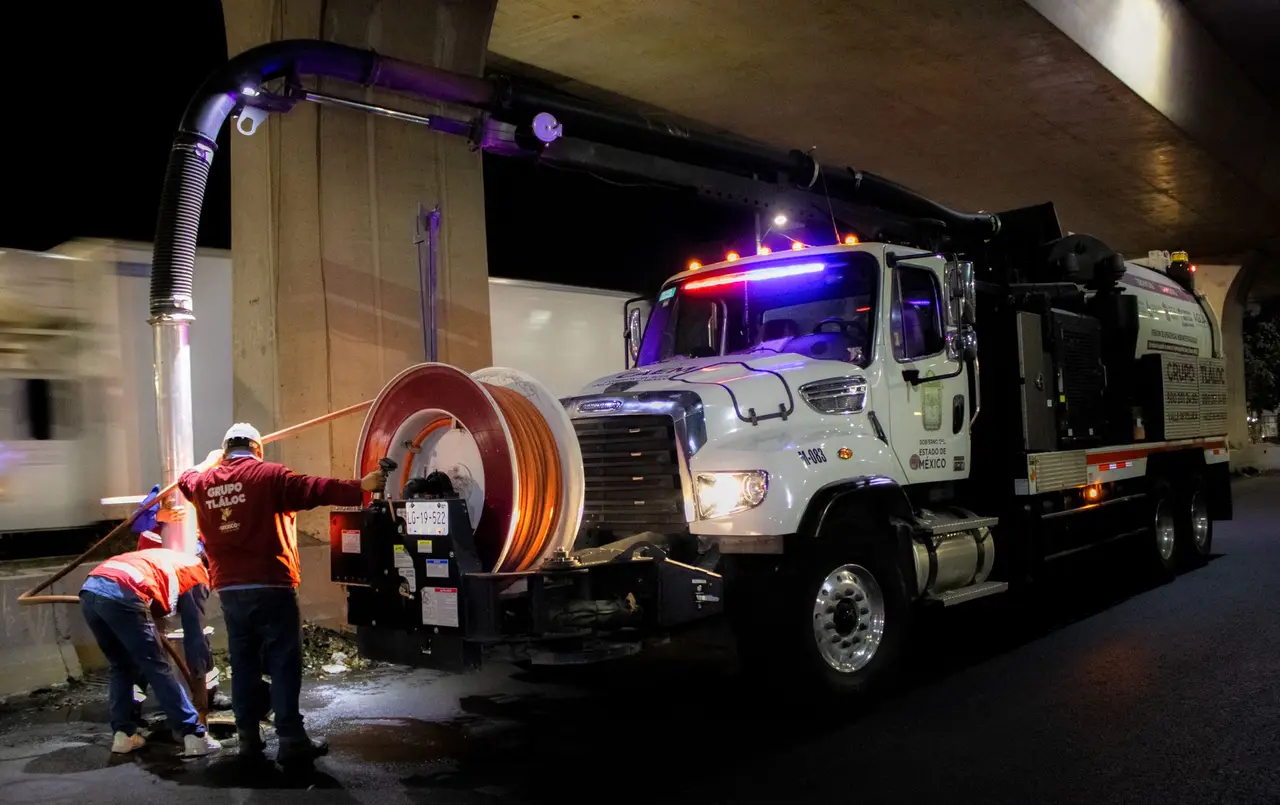
Restaurant sewage backup odor
Office smoke odor after fire
Retail space musty smell
What Odor Removal and Deodorization Philadelphia PA Really Involves
A plain-language look at what Odor Removal and Deodorization involves and when it is needed.
Odor removal and deodorization Philadelphia PA is a source-removal process, not a cover-up. We locate the odor with a thermal imaging camera and a hygrometer, then treat the materials holding it. That means pulling wet carpet padding, sealing a subfloor, running an ozone generator or hydroxyl unit, and wiping surfaces with an antimicrobial solution. A HEPA vacuum captures loose soot and spores. We finish with an air test so you know the reading, not just our word.
Most calls we get in Philadelphia County start with a burst pipe, a sewage backup, or a roof leak that sat too long. Old rowhouses in Kensington and Port Richmond have plaster walls and stone foundations that trap moisture and hold odor for months. If you search for odor removal and deodorization near me Philadelphia PA at 2 a.m., we answer. We also handle cigarette smoke in rentals and pet odor before a sale.
Odor is a symptom of moisture or residue; remove the source and the smell goes with it.
What it is
Removing the material that holds odor and treating the structure that remains.
When you need it
After a sewage backup, roof leak, fire, or any musty smell that keeps returning.
What to expect
Inspection, source removal, drying, treatment, and a final air test with written results.
Our Odor Removal and Deodorization Process in Philadelphia
Every job follows the same five steps. You will know what is happening, what it costs, and when we will be out of your way.
Inspect and Locate
A technician walks the space with a thermal imaging camera, moisture meter, and boroscope. We check behind baseboards, under hardwood flooring, and inside wall cavities. This usually takes 30 to 45 minutes. You get a written scope and a flat price before we start any work.
Inspect
Map
Price
Remove the Source
We pull wet carpet padding, cut out saturated drywall, and bag contaminated insulation. A wet/dry vacuum handles standing water, and a sump pump moves larger volumes. This is the step most competitors skip, and it is why their deodorization fails within a week. Removal typically takes two to four hours.
Remove
Bag
Dispose
Dry and Treat
We set commercial dehumidifiers and air movers to dry the structure to below 16 percent moisture content. Then we apply an antimicrobial solution to framing and subfloor. For smoke or sewage odor, we run an ozone generator or hydroxyl unit in the sealed space. Drying usually takes two to four days.
Dry
Treat
Monitor
Seal and Deodorize
Once the structure is dry, we seal exposed subfloor and framing with a stain-blocking sealant. We HEPA-vacuum every surface, wipe hard goods, and treat soft contents. Plastic sheeting isolates clean areas from work zones. This step locks in the result and stops odor from bleeding back through the finish materials.
Seal
Wipe
Isolate
Verify and Walk Through
We run a final air test and show you the reading. You walk the space with the crew lead, and we point out what was removed and what was treated. If anything still reads high, we treat again before we pack up. You get a written summary and photos the same day.
Test
Walk
Report
Tools and Methods We Use for Odor Removal
Move across a circle, or focus it and press Enter, for an illustrative thermal view of the photograph.
Thermal Imaging Camera
Finds hidden moisture behind walls and under floors without cutting. We use it to map the source before we remove anything.
Moisture Meter and Hygrometer
Measures moisture content in drywall, wood, and air. We use readings to decide when drying is complete, usually below 16 percent.
Boroscope
Inspects inside wall cavities and ductwork through a small hole. It lets us see mold and wet insulation without tearing out a wall.
Ozone Generator
Oxidizes smoke, sewage, and mold odor molecules in a sealed space. We run it for four to twelve hours depending on volume and severity.
HEPA Vacuum
Captures soot, spores, and fine particles from surfaces and ductwork. It removes the material that holds odor instead of spreading it around.
Thermal views are illustrative, generated from the photographs.
Methods
Commercial Dehumidifier and Air Mover
Dries the structure after water removal. We use Dri-Eaz and Phoenix Restoration units sized to the space, not a rental from a big-box store.
IICRC S500 Standard
We follow the IICRC S500 standard for water damage restoration, which sets drying goals and categories for contamination. It tells us when to remove materials and when drying is enough. Following it keeps your insurance claim defensible.
Source Removal First
We remove wet carpet padding, saturated drywall, and contaminated insulation before any deodorization. This is the step that makes the result last. Masking odor with sprays or foggers without removal fails within a week.
Antimicrobial Treatment
After drying, we apply an antimicrobial solution to framing, subfloor, and wall cavities. It stops mold and bacteria from producing new odor. We treat every exposed surface, including the ones behind baseboards.
Ozone and Hydroxyl Treatment
We seal the work area and run an ozone generator or hydroxyl unit to oxidize odor molecules. Ozone works faster but requires the space to be empty. Hydroxyl is safer for occupied spaces and works over a longer period.
Air Verification
We run a calibrated air test at the end of every job and give you the reading in writing. If the number is still high, we treat again before we leave. This is how you know the job is done, not just promised.
When Philadelphia Homeowners Call Us for Odor Removal
Sewage backup
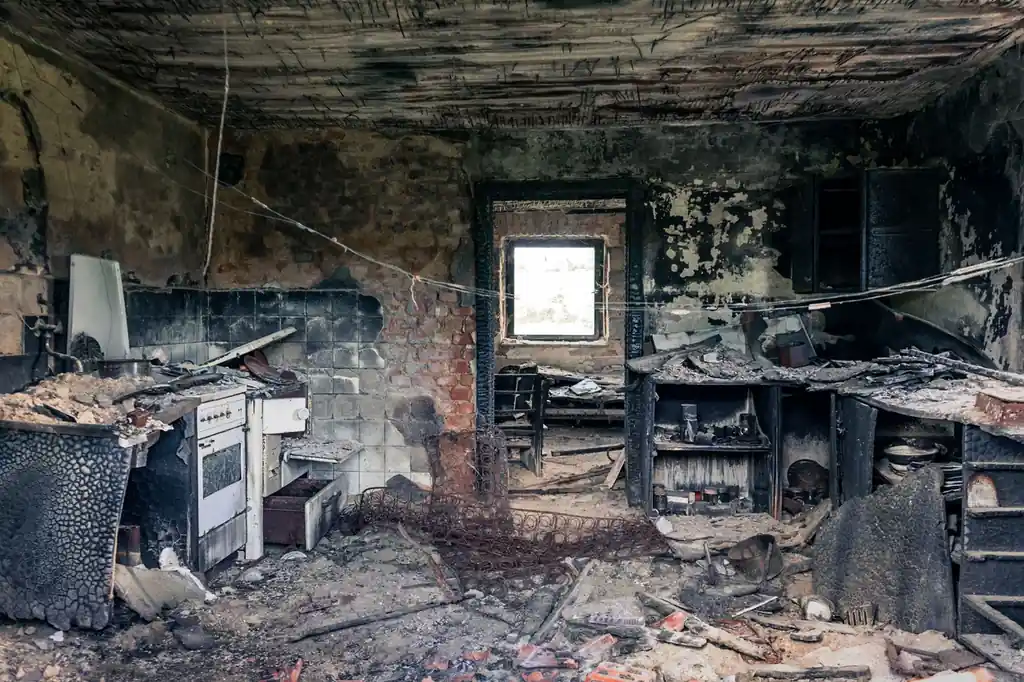
A sewage backup fills a Fishtown rowhouse basement on a Sunday night.
We dispatch a crew the same night, extract the water with a wet/dry vacuum and sump pump, and remove contaminated materials. We set dehumidifiers and air movers, then return the next day to treat with antimicrobial solution and run ozone.
Outcome: The basement is dry and odor-free within four days. You get photos and an air test result for your insurance claim.
Roof leak odor
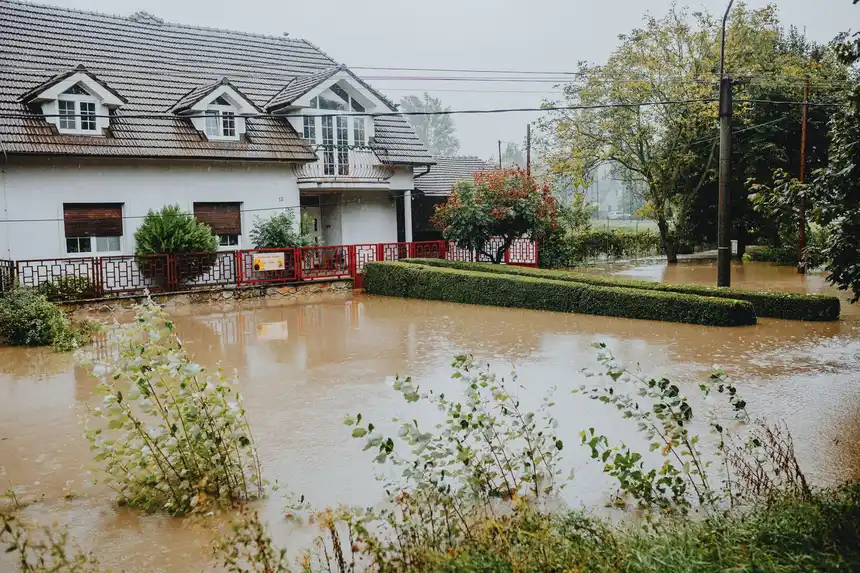
A roof leak in Mayfair soaks the upstairs ceiling and insulation during a storm.
We tarp the roof, open the ceiling, and remove wet insulation and drywall. We dry the framing with air movers, treat with antimicrobial solution, and deodorize the room. We document everything for your adjuster.
Outcome: The musty smell is gone and the ceiling is ready for repair within a week. Your claim includes the deodorization scope.
Cigarette smoke
A landlord in University City needs cigarette odor removed before a new tenant moves in.
We wash walls and ceilings, HEPA-vacuum all surfaces, and clean the ductwork. We seal the drywall with stain-blocking primer and run ozone treatment. The unit is ready for showing in three days.
Outcome: The unit passes the tenant walkthrough and rents at full price. You get a written summary and photos for your records.
Water heater flood
A water heater fails in a Port Richmond home and floods the utility room.
We extract the water, remove wet drywall and insulation, and dry the framing. We treat with antimicrobial solution and deodorize the space. We also help you document the water heater failure for the manufacturer.
Outcome: The utility room is dry and odor-free in three days.
Damp basement
A basement in Germantown smells musty after a wet summer.
We inspect with a moisture meter and thermal camera, find the damp walls, and dry with a commercial dehumidifier. We treat the stone foundation with antimicrobial solution and install plastic sheeting to control future moisture.
Outcome: The musty smell is gone and the basement stays dry through the next rainy season. You get a maintenance plan to keep it that way.
FishtownMayfairUniversity City
How Odor Removal and Deodorization Works in Philadelphia
Philadelphia's building stock makes odor removal a different job than in newer suburbs. Most homes here were built before 1950, with plaster walls, stone foundations, and original hardwood. Those materials hold moisture longer and release odor for months if the source is not removed. We see the same pattern across Philadelphia County: a slow leak behind a kitchen wall, a basement that floods every spring, or a sewage backup after a heavy rain. Our crews use a moisture meter and thermal imaging camera to find the source, then remove the wet materials before treating.
Fishtown: Many rowhouses here have original plaster and stone foundations that trap moisture. We see sewage odor after heavy rain when the combined sewer system backs up.
Mayfair: Post-war twins with finished basements flood from sump pump failure. Wet carpet padding is the most common odor source we remove here.
University City: Rental turnover means cigarette and pet odor jobs. We often work between tenants and finish within three days to keep the unit on schedule.
Germantown: Older stone basements stay damp year-round. We install plastic sheeting and run dehumidifiers to stop the musty smell from returning.
Roxborough: Homes on sloped lots get foundation seepage after storms. We dry the crawl spaces and treat the joists before odor rises into the living space.
Combined sewer system backups after heavy rain: Basements flood with Category 3 water that carries bacteria and strong odor. We treat it as a sewage job, not a clean water job, and remove all contaminated materials.
We lay mats and sheeting before bringing in equipment
We schedule the return visit and explain the next steps
From problem to finished result.
IllustrativeThe thermal view is generated from the photograph. It is not a measurement. Drag the handle, or use the arrow keys once it is focused.
Sewage Backup in a Fishtown Rowhouse
Before: A Sunday night backup left two inches of sewage water across a finished basement. The carpet was soaked, the padding was contaminated, and the smell reached the first floor. The homeowner had already tried a box fan and air freshener with no result.
After: We extracted the water, pulled the carpet and padding, and cut out the bottom 12 inches of drywall. After four days of drying, we treated with antimicrobial solution and ran ozone for eight hours. The final air test read clean and the basement was ready for new flooring.
We recommended a backwater valve on the sewer line and a battery backup sump pump. Both reduce the chance of another backup during heavy rain. The homeowner also runs a dehumidifier in summer.
Roof Leak Odor in a Mayfair Twin
Before: A storm drove water through a failed flashing detail and soaked the upstairs ceiling and insulation. The musty smell spread to two bedrooms within a week. The homeowner was worried about mold and had not filed an insurance claim yet.
After: We tarped the roof, opened the ceiling, and removed the wet insulation and drywall. We dried the framing for three days, treated with antimicrobial solution, and deodorized the room. The air test came back clean and we provided photos and a moisture log for the claim.
We advised the homeowner to have the flashing repaired before the next storm season. We also suggested a moisture meter check after any heavy rain to catch leaks early.
Cigarette Odor in a University City Rental
Before: A long-term tenant moved out and left cigarette residue on every wall and ceiling. The landlord had painted once, but the smell came back within a week. The unit sat empty for three weeks and was losing rental income.
After: We washed all walls and ceilings, HEPA-vacuumed every surface, and cleaned the ductwork. We sealed the drywall with a stain-blocking primer and ran ozone treatment for six hours. The unit passed the new tenant walkthrough and rented at full price.
We recommended a no-smoking clause in the lease and a fresh coat of paint every two years. The landlord now schedules a duct cleaning between long-term tenants.
Odor Problems We Solve for Philadelphia Homeowners
Most odor calls come down to five sources. We identify which one you have and remove it at the material level, not the surface.
Sewage smellSewage backup smell in the basementCategory 3 water carries bacteria that cause illness and a smell that spreads through the whole house. Ignoring it usually means mold growth within 48 hours. We remove contaminated materials, disinfect with antimicrobial solution, and run ozone treatment. Our crews follow OSHA and IICRC S500 guidelines for sewage. We also check the sump pump and discharge line so you know why it backed up.
Musty roof leakMusty odor after a roof leakWet insulation and ceiling drywall grow mold in two to three days. The smell gets worse each time it rains and can trigger allergies. We locate the leak with a thermal imaging camera, cut out wet drywall and insulation, and dry the framing. Then we treat with antimicrobial solution and deodorize. We work with your roofer to close the source before we finish.
Smoke residueSmoke odor from a kitchen or electrical fireSmoke residue settles into every porous surface, including ductwork and furniture. The smell returns every time the heat runs if the ducts are not cleaned. We HEPA-vacuum all surfaces, wipe hard goods, and treat soft contents. Our air duct cleaning after water damage service removes soot from the ductwork. Then we seal the space and run ozone treatment.
Pet odorPet odor in carpet and subfloorUrine soaks through carpet into the padding and subfloor. Surface cleaning does not reach it, so the smell stays even after shampooing. We pull the carpet and padding, treat the subfloor with an enzyme and antimicrobial solution, and seal it. If the subfloor is too far gone, we replace the affected section. Then we deodorize the room and verify the air.
Cigarette smokeCigarette smoke in a rental unitSmoke residue coats walls, ceilings, and ductwork. New tenants smell it immediately and often refuse to sign a lease. We wash walls and ceilings, HEPA-vacuum every surface, and treat the ductwork. For heavy residue, we seal the drywall with a stain-blocking primer. We finish with ozone treatment and an air test you can show prospective tenants.
Why Philadelphia Homeowners Call Us for Odor Removal
A home that smells like nothing at all, verified by an air test.
Source Removal, Not Masking
We pull the wet carpet padding, cut out the saturated drywall, and seal the subfloor before any deodorization starts. That is why our results hold. A can of air freshener covers a smell for a day; removing the material that feeds it ends the problem. We document every removal with photos for your records.
Odor Testing Before We Leave
We run a final air check with a calibrated meter and give you the reading. If the number is not where it should be, we treat again at no extra charge. That is how we handle odor removal and deodorization in Philadelphia, Pennsylvania, for homeowners who have already been burned by a quick-fix contractor.
Insurance-Ready Documentation
Our moisture meter logs, thermal images, and Xactimate-formatted scope make the claim process smoother. We work with adjusters from Belfor, Servpro, and ServiceMaster Restore on a regular basis. You get a clear paper trail showing what was wet, what we removed, and what the air quality was after treatment.
Same-Day Emergency Response
Sewage backup or a burst pipe does not wait for business hours. Call 215-281-3000 and we roll a truck the same day across Philadelphia. We carry ozone generators, HEPA vacuums, and drying mats so the first visit is not just an assessment. Emergency odor removal Philadelphia PA means we start work, not just take notes.
What a written scope covers.
What a written scope covers and what shapes it. Prices are set by the business after the first look.
Included
Odor source inspection with thermal camera
Removal of wet carpet and padding
Removal of saturated drywall and insulation
Structural drying with dehumidifiers and air movers
What Philadelphia Customers Say About Our Odor Removal
A sewage backup in our basement left a smell I could not get rid of. Two other companies just sprayed something. Water Damage Restoration Philly pulled the carpet padding, dried the floor, and ran an ozone machine. The air test came back clean and the smell has not returned. They explained every step and the price did not change.
I had a rental with cigarette smoke in the walls from a previous tenant. They sealed the subfloor, HEPA-vacuumed everything, and treated the ductwork. The unit passed inspection and I rented it within two weeks. They gave me photos and a written summary I could show the new tenant.
Our roof leaked during a storm and the upstairs smelled musty for weeks. They found the wet insulation with a thermal camera, cut it out, dried the framing, and deodorized. I appreciated that they worked with my insurance adjuster and sent the Xactimate scope directly. No surprises on the bill.
Frequently Asked Questions About Odor Removal in Philadelphia
A single-room sewage odor with carpet removal sits at the low end. Whole-house smoke odor with duct cleaning and ozone treatment runs higher. We give you a flat written price after the inspection, before any work starts.
Water Damage Restoration Philly handles odor removal and deodorization in Philadelphia, Pennsylvania, as part of our water damage and mold services. We are locally based, reachable at 215-281-3000, and we serve Philadelphia County including Fishtown, Mayfair, Roxborough, and University City. Our technicians hold IICRC WRT and ASD credentials and use calibrated air testing on every job.
Yes, when the odor comes from a covered event like a burst pipe, sewage backup, or storm damage. Most Pennsylvania homeowner policies include deodorization as part of the water damage claim. We provide Xactimate-formatted scopes and photo documentation that adjusters accept. If your claim is denied, we can still perform the work and give you the paperwork to appeal.
Most jobs take one to three days for the deodorization itself, plus two to four days of drying if the structure is wet. A single room with carpet removal and ozone treatment can finish in a day. Whole-house smoke or sewage odor in a Philadelphia rowhouse often needs a full week including drywall repairs. We give you a timeline at the inspection.
Call 215-281-3000 any time, day or night. We answer live, ask what happened, and dispatch a crew. If you prefer email, send photos and your address to info@waterdamagerestorationphilly.com and we'll respond within the hour. Most Philadelphia calls get a technician on-site within 60 to 90 minutes.