Germantown Homes
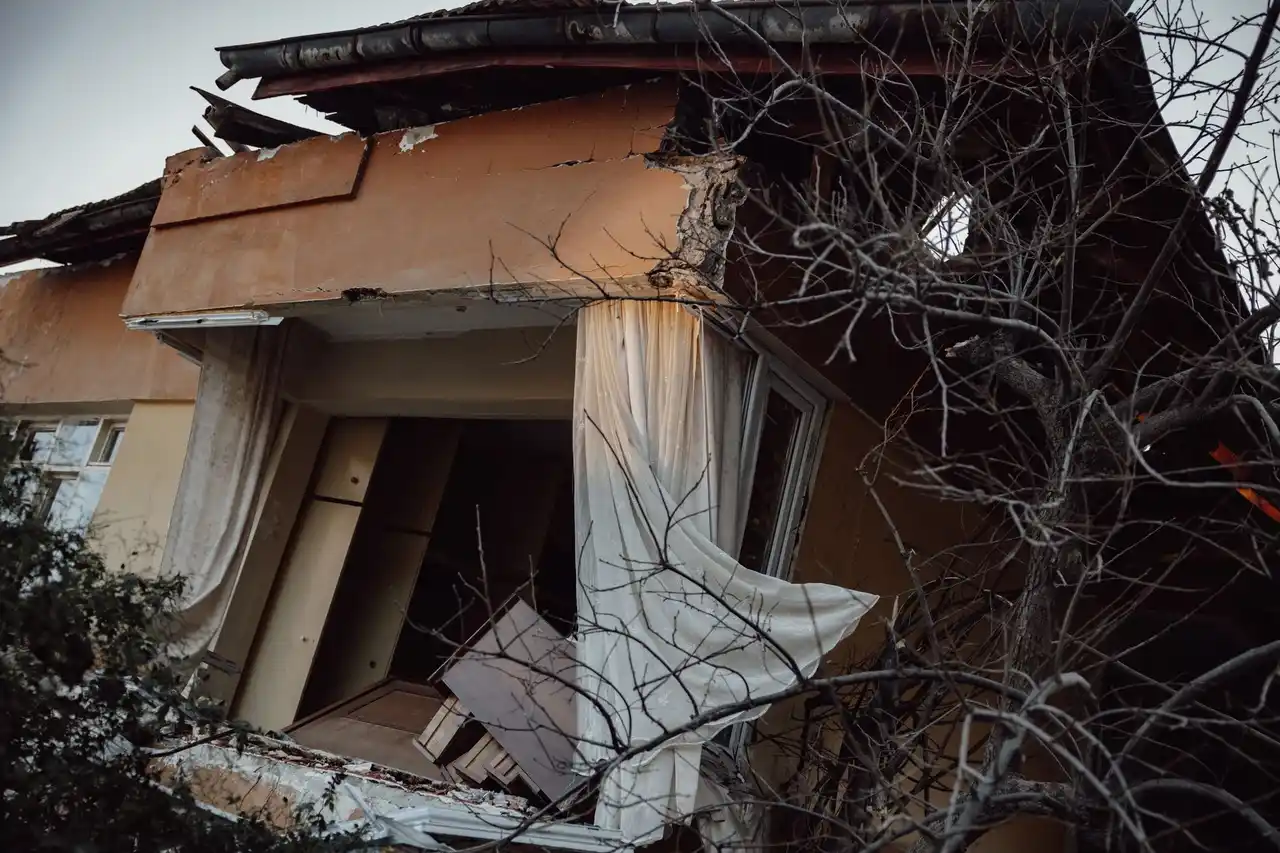
We work in rowhomes, twins, and colonials across Germantown. Older materials like plaster and stone need slower, controlled drying.
- Historic rowhomes
- Stone-foundation basements
- Original hardwood floors
- Finished attics
When a pipe lets go at 2 a.m. or your basement takes on water after a storm, water damage restoration in Germantown has to start fast.
121 Hillside Rd, Wayne, PA 19087, Philadelphia, Pennsylvania
Serving Germantown and nearby
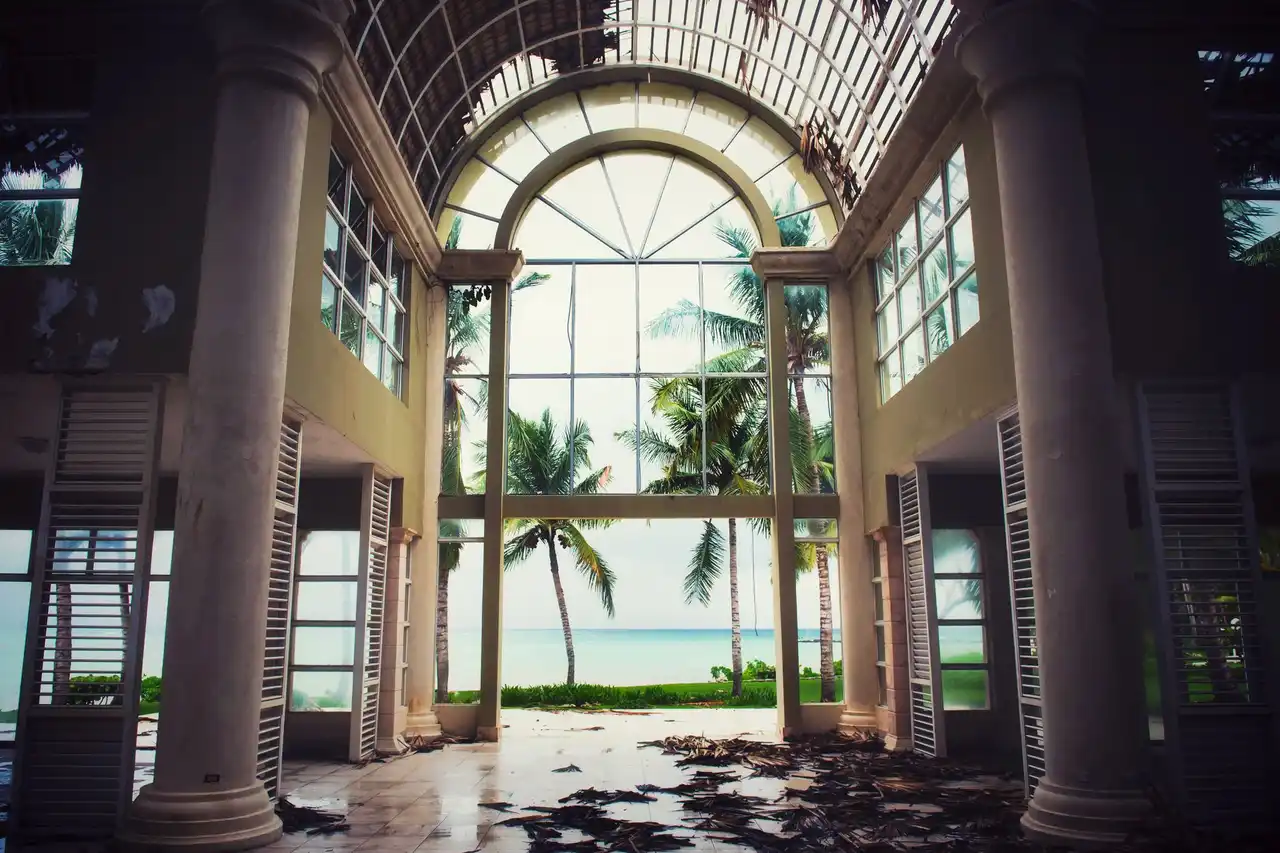
Water damage restoration in Germantown is the work of getting water out of a building fast, drying what is left, and repairing what the water ruined. We have been doing that here since 2015, which means we know what is behind the walls of a 1920s rowhome on Germantown Avenue and why so many basements in 19144 flood every spring. The housing stock is old.
Cast iron drains, galvanized supply lines, stone foundations, and original plaster all behave differently than modern construction, and they need a different approach. Our technicians carry moisture meters, thermal imaging cameras, and boroscopes to find water you cannot see, then set Dri-Eaz and Phoenix Restoration drying equipment sized to the room.
As a Germantown water damage company, we handle everything from a water heater leak in a Mount Airy twin to a sewage backup in a Logan rowhome. We work with Xactimate so your insurance claim moves, and we document every reading.
Germantown has more historic housing than almost anywhere else in Philadelphia, and that stock comes with aging plumbing and sewer lines that fail on their own schedule. Tree root intrusion is a real problem on the older streets, and the clay soil around Awbury Arboretum holds water after heavy rain. We serve this area because the demand is steady and the buildings are complicated. A crew that only knows new construction will miss a cracked clay sewer lateral or a stone foundation that wicks moisture up into the baseboard. We have spent 11 years learning these blocks.
Good to know in Germantown
Roots find the joints in old clay pipe and grow in, causing sewage backups that are a hazmat cleanup, not a simple water extraction. These jobs require containment, removal of contaminated materials, and antimicrobial treatment.
Any contractor doing home improvement work in Germantown needs this state registration. It protects you if something goes wrong. We are registered and can provide our HIC number on request.
Mount Airy sits on the border of Germantown and has a mix of large twins and single-family homes. Many have finished basements and older plumbing. We see a lot of water heater failures and sump pump issues here.
Germantown water damage restoration calls come in waves. Basement flooding spikes after summer storms, burst pipes hit in January, and sewage backups happen year-round on the older sewer laterals. Every job starts with an assessment, not a sales pitch.
Full-scope restoration for Germantown homes and businesses, from water extraction through final repairs. We handle the whole job: find the source, stop it, extract, dry, and rebuild.
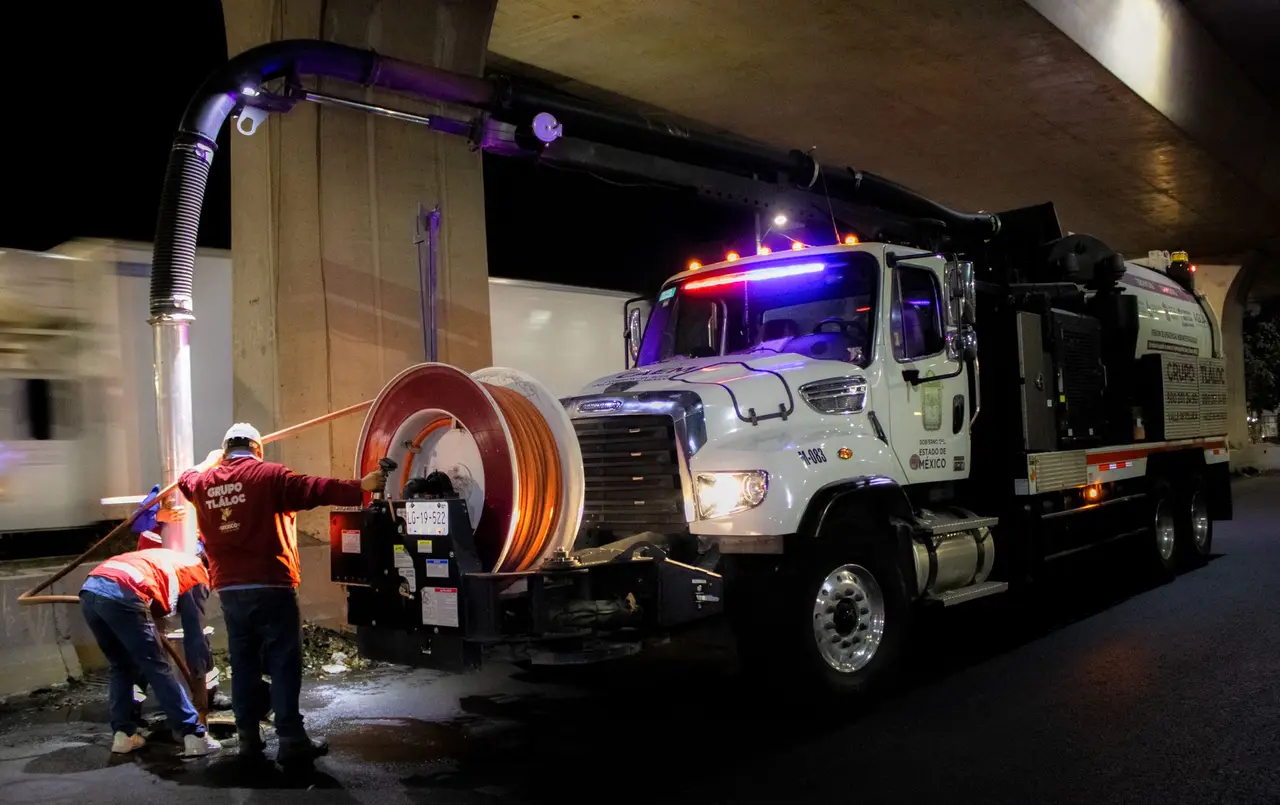
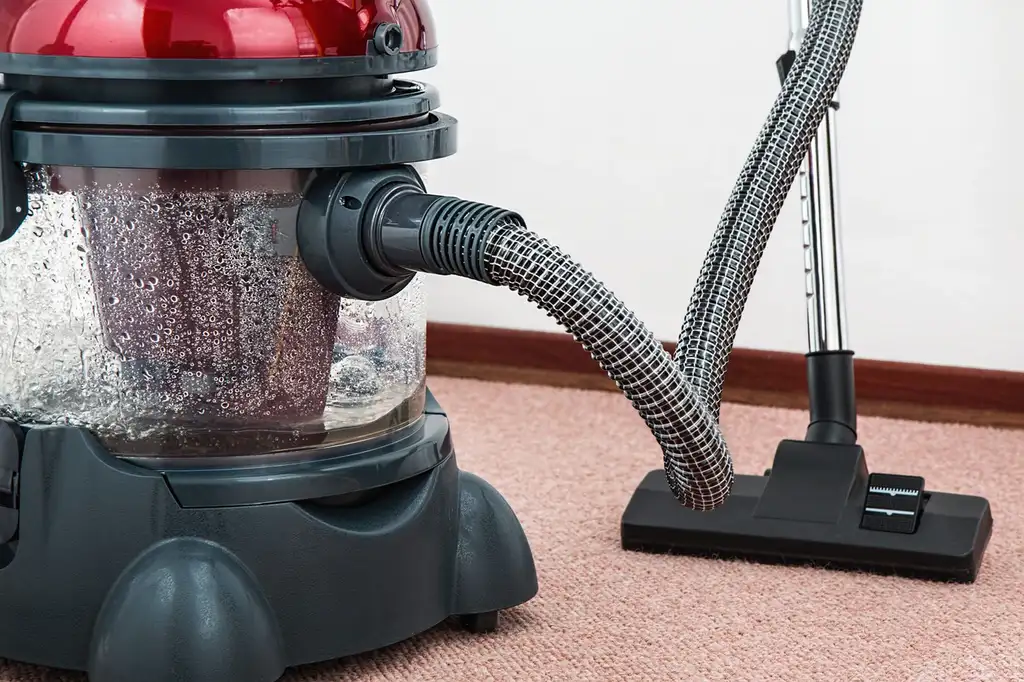
When water is still coming in, emergency water removal in Germantown means truck-mounted extraction units and portable wet/dry vacuums working the same hour we arrive.
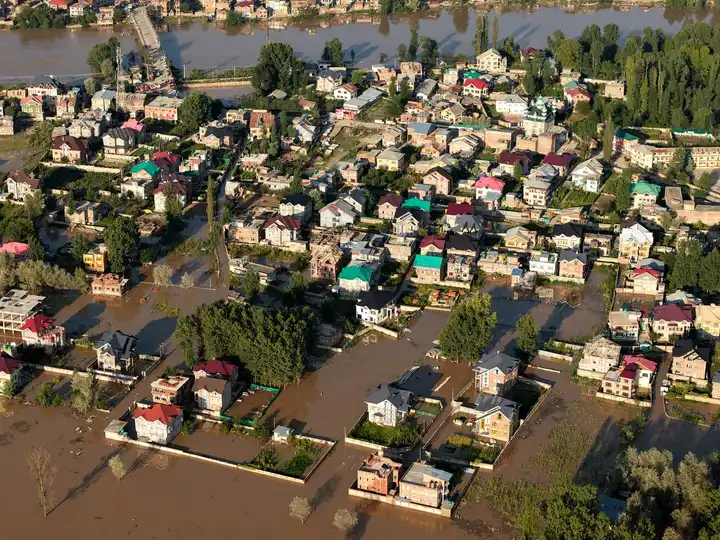
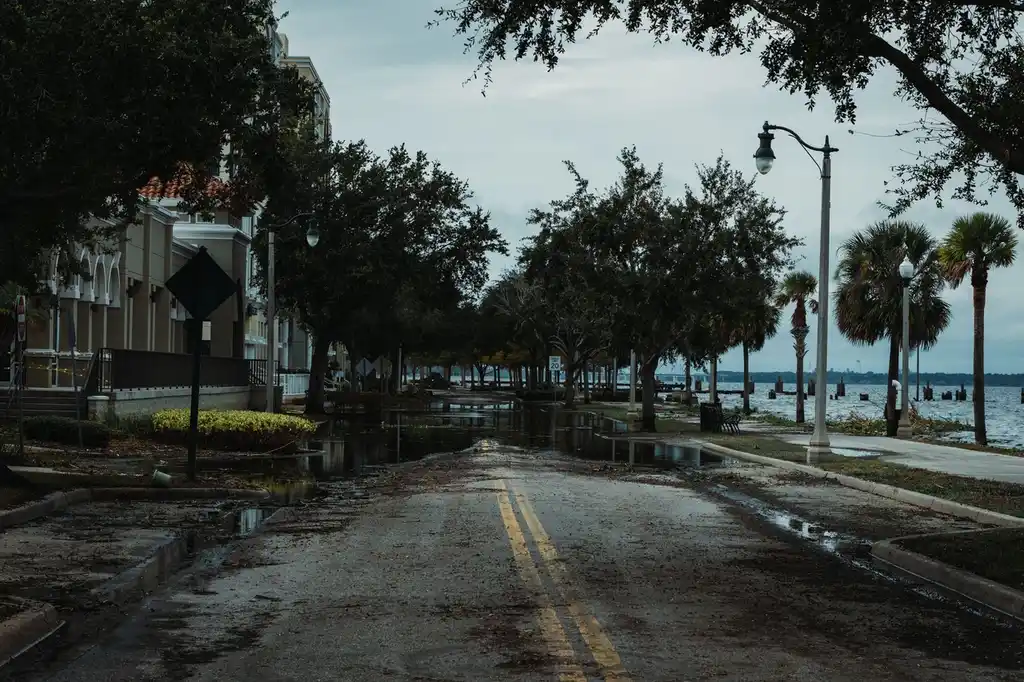
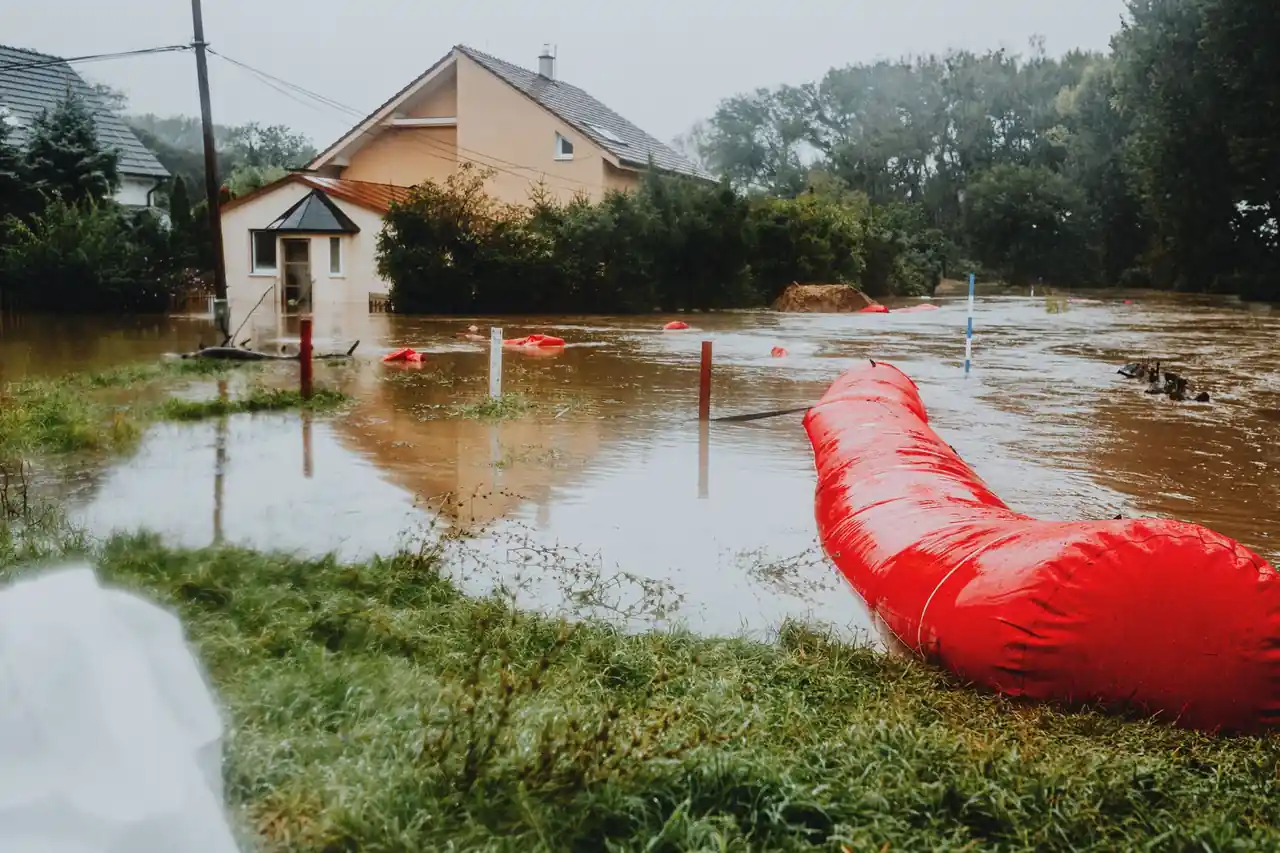
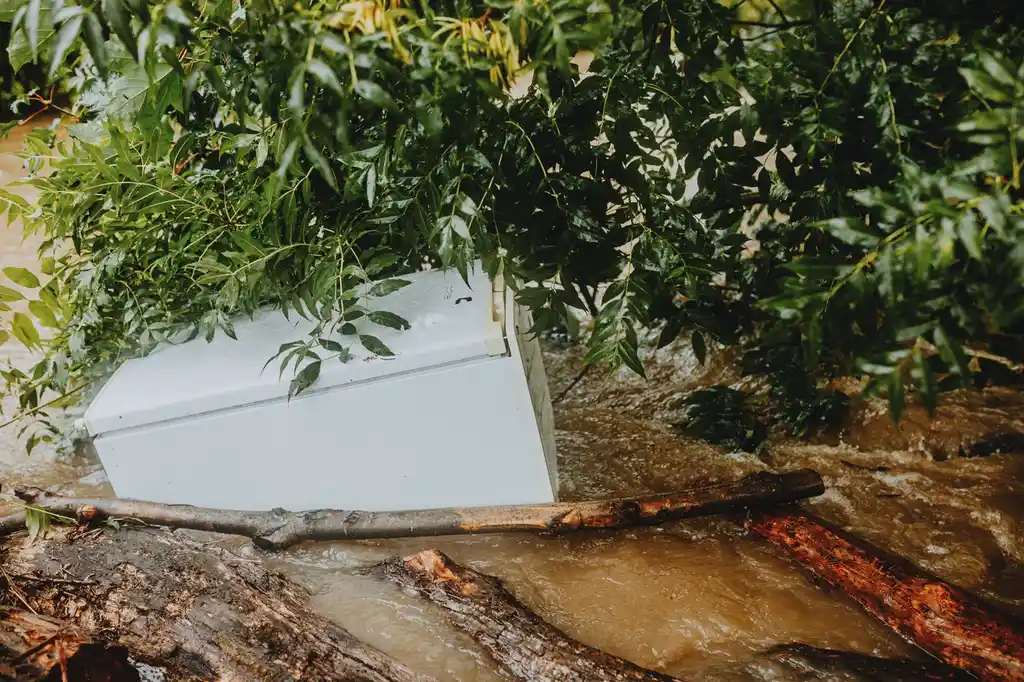
Storm flooding in Germantown often pushes water through basement windows and up through floor drains.
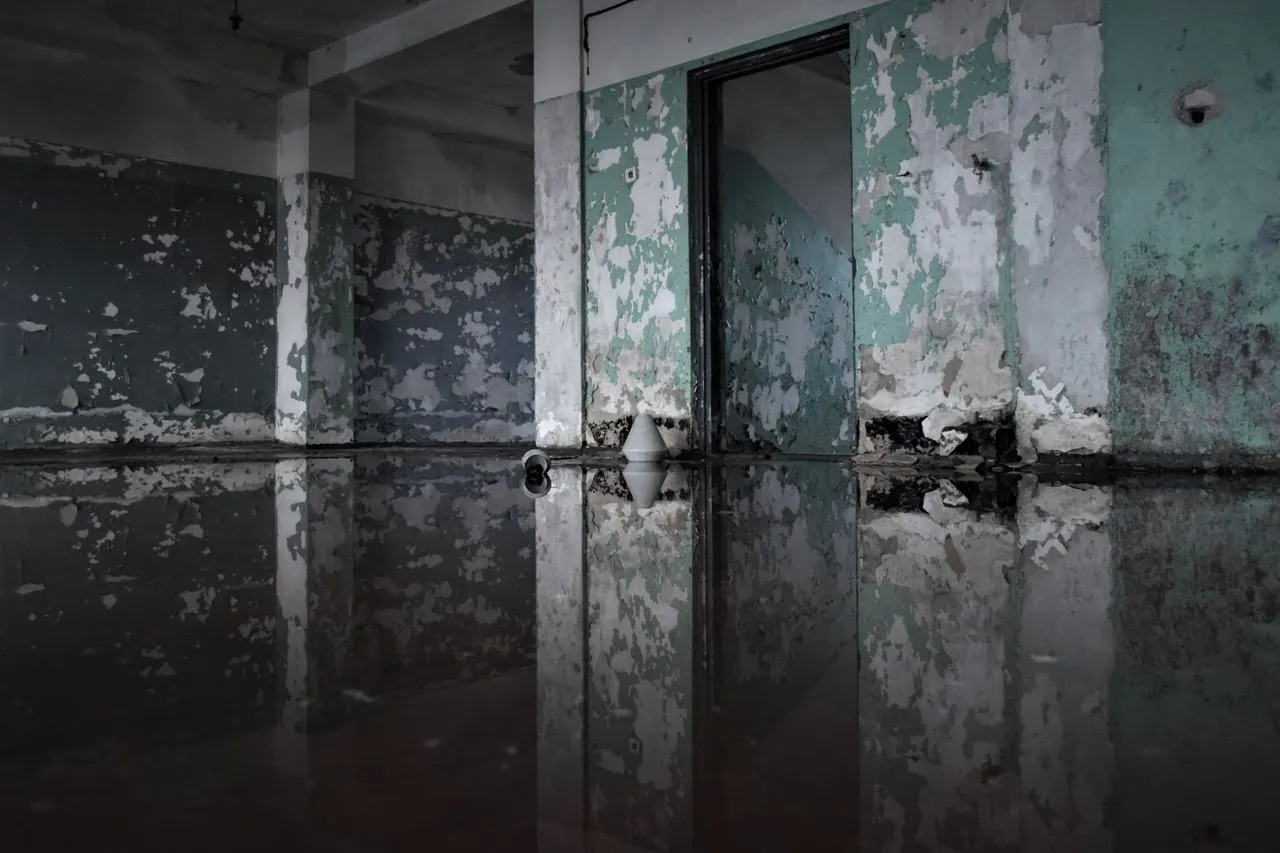
Basement water removal in Germantown is our most common call. Stone foundations, low floor drains, and aging sump pumps make these spaces vulnerable.
Tree root intrusion into clay sewer laterals causes backups in Germantown, especially on streets with mature trees. Sewage backup cleanup is a hazmat job.
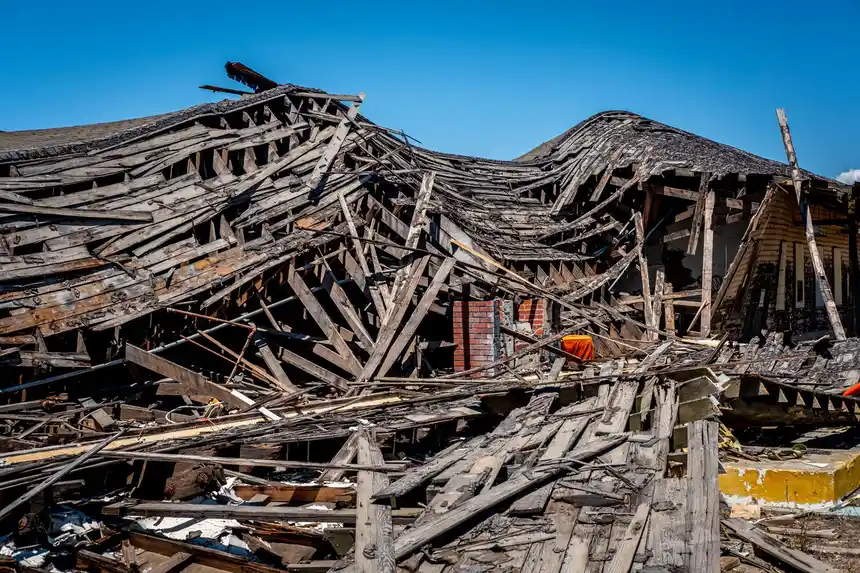
Summer storms and fall nor'easters drop water through roof leaks and failed flashing on Germantown's older homes.
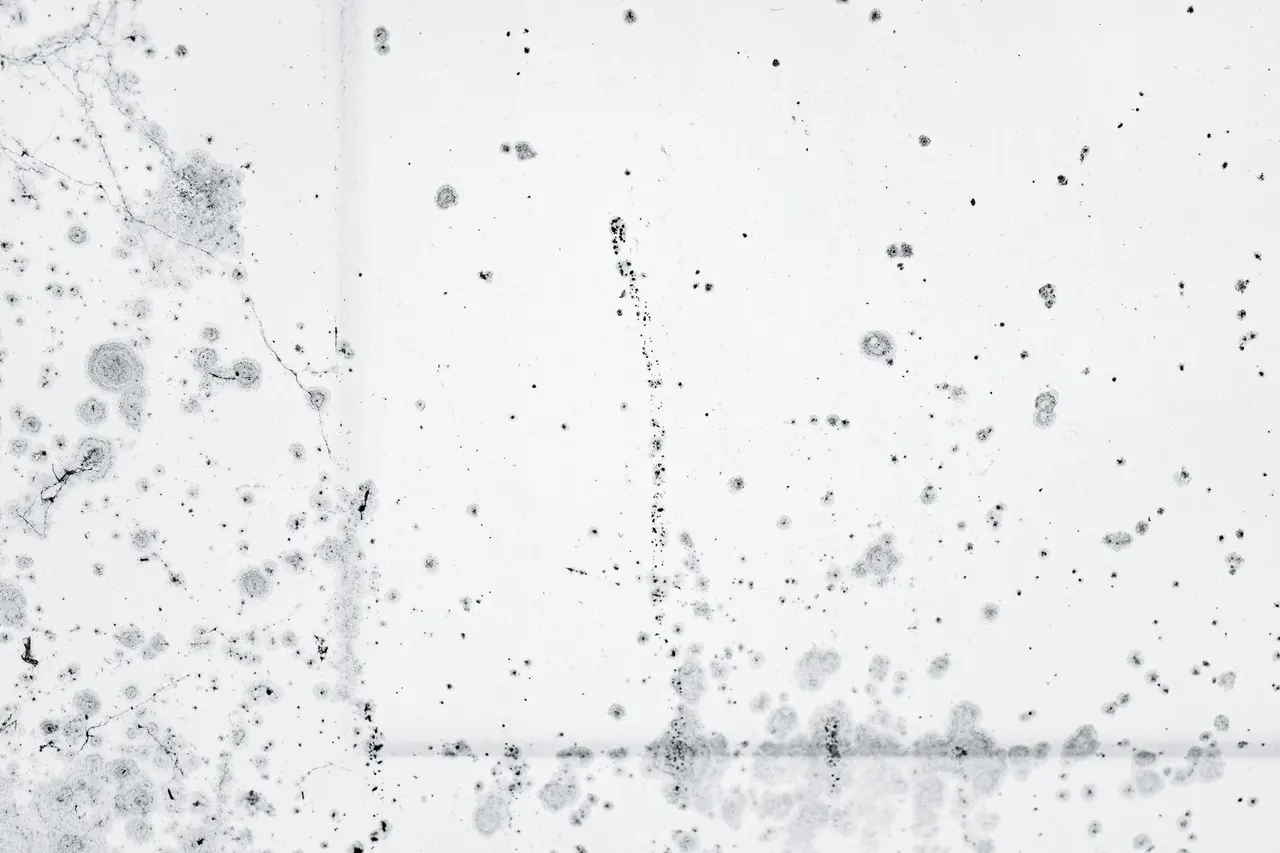
Mold can start growing within 48 hours of a water event in Germantown's humid summers.
If you smell something musty in a Germantown basement but cannot see mold, we run air and surface samples. Mold inspection and testing tells you what is growing, where, and how bad.
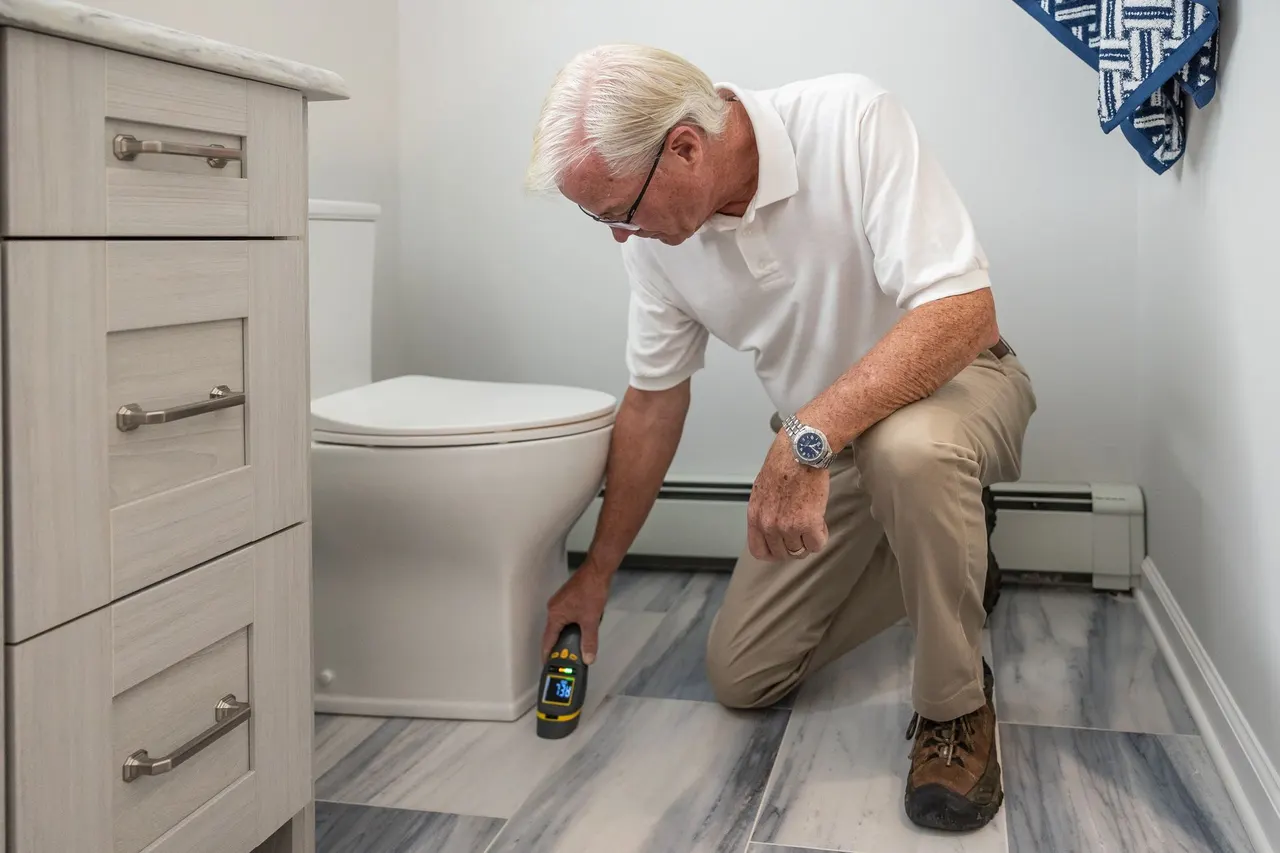
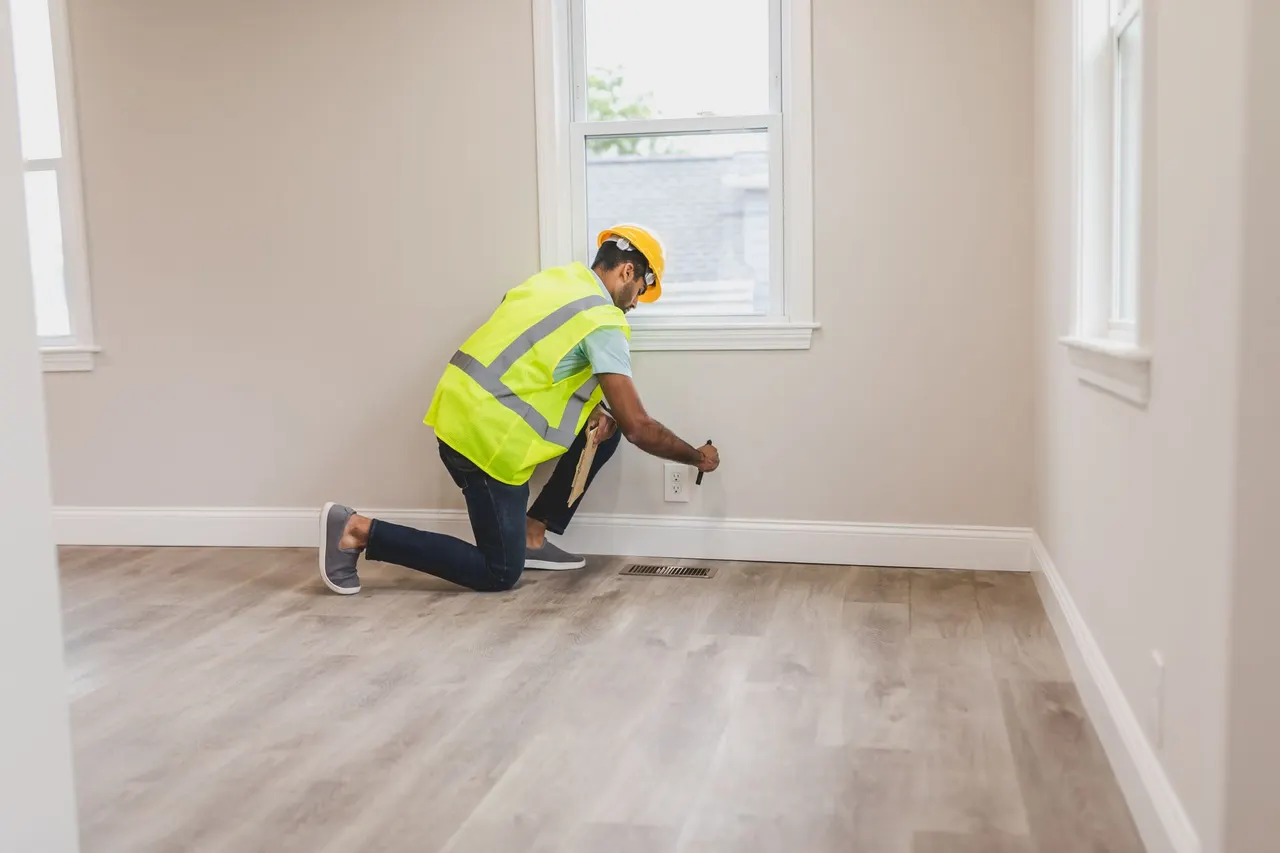
Every Germantown job starts with a water damage assessment. We use moisture meters, thermal imaging cameras, and hygrometers to map exactly where the water went.
Structural drying in Germantown's older homes takes longer than in new construction. Plaster, stone, and original hardwood release moisture slowly.
We run Dri-Eaz and Phoenix Restoration desiccant and refrigerant dehumidifiers sized to the job. In Germantown's stone basements, humidity can stay high even after visible water is gone.
Carpet padding soaks up water like a sponge and has to come out. We extract the carpet, pull wet padding, and dry the subfloor underneath.
Original hardwood floors are common in Germantown's historic homes. We use drying mats and controlled humidity to pull moisture out of the boards without causing cupping or splitting.
Water wicks up drywall fast. We cut out saturated sections, dry the studs and insulation behind them, and replace with mold-resistant drywall where it makes sense.
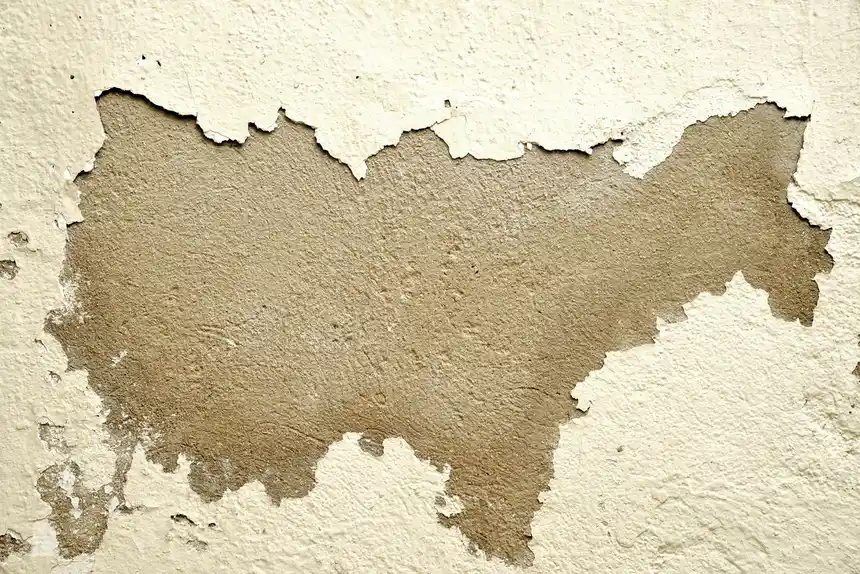
Ceiling leaks in Germantown usually trace back to a roof issue or a bathroom above. We find the source, extract any standing water, dry the ceiling cavity, and repair the drywall or plaster.
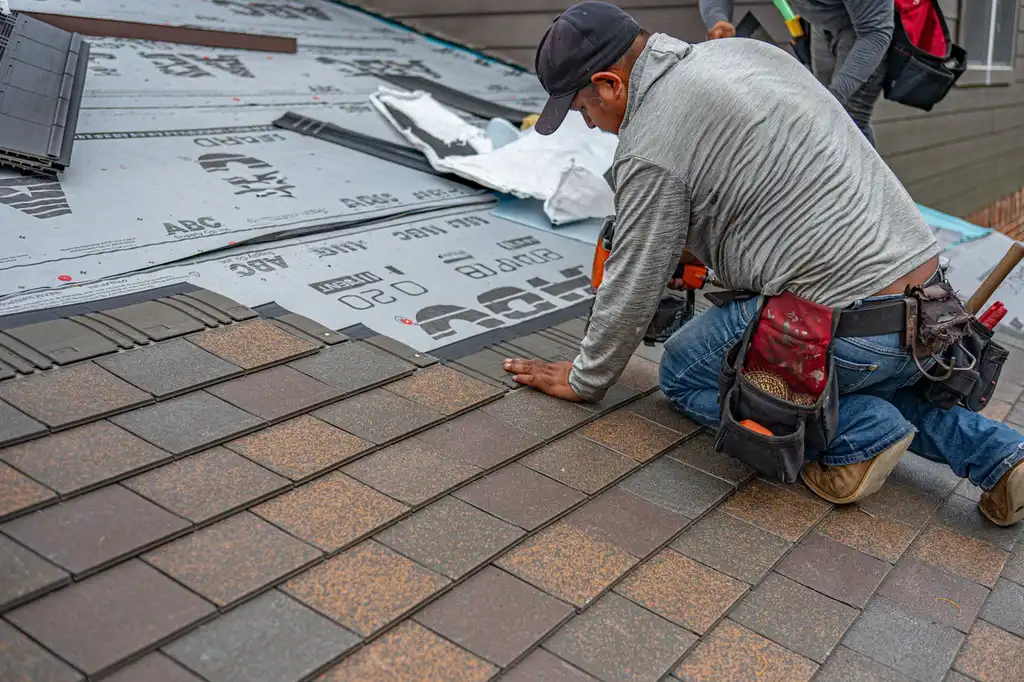
Older roofs and flashing fail in Germantown's freeze-thaw cycles. Roof leak water damage repair starts with stopping the water, then drying the attic, insulation, and ceiling below.
Pick a service to see how we approach it here.
We start by finding the source, then map how far the water traveled using moisture meters and thermal imaging. In Germantown's older homes, that often means checking plaster walls and stone foundations that hold moisture longer than modern materials. We set drying equipment sized to the room and check readings daily until the structure is dry.
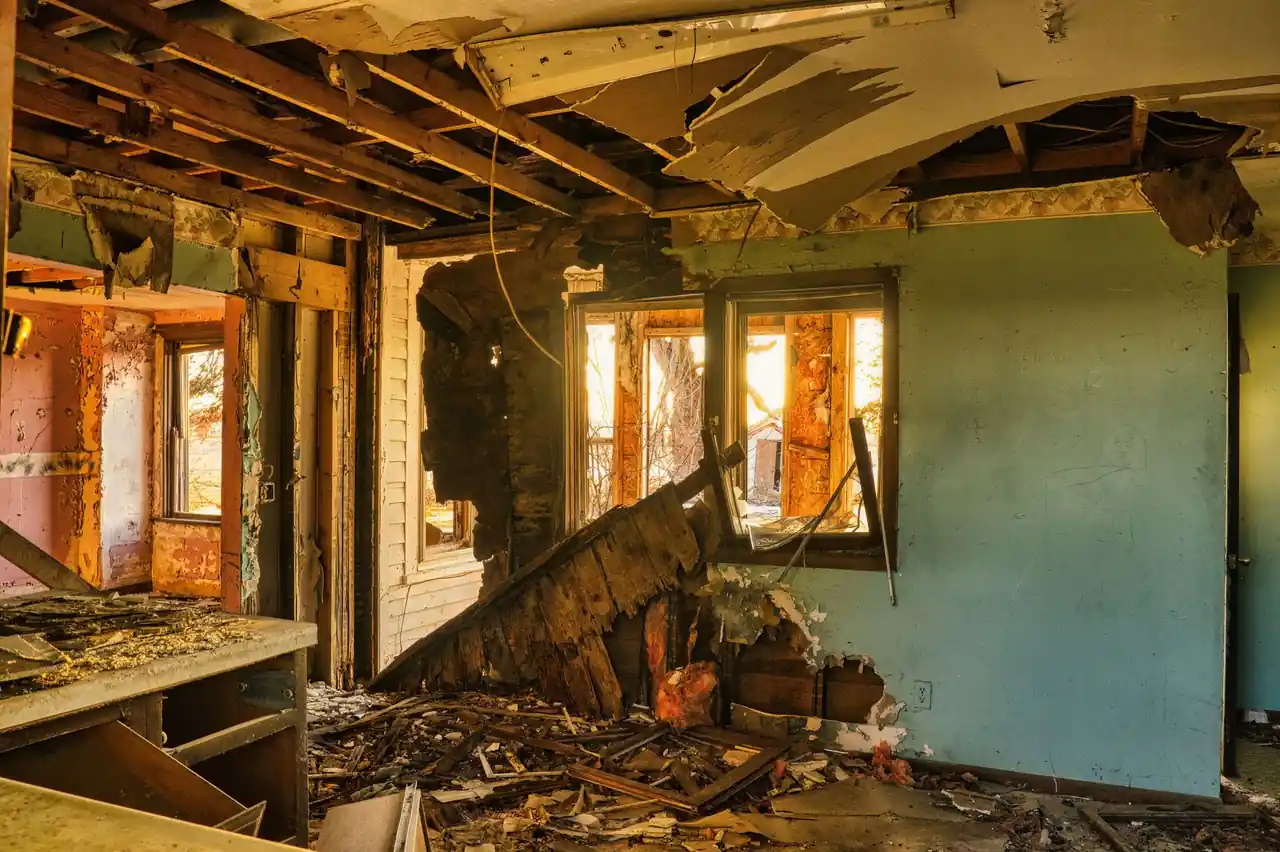
When water is still coming in, we shut it off and start extracting immediately. Truck-mounted units handle large volumes, while portable wet/dry vacuums reach tight basement stairs common in Germantown rowhomes. We work around your belongings and stage equipment to keep walkways clear.
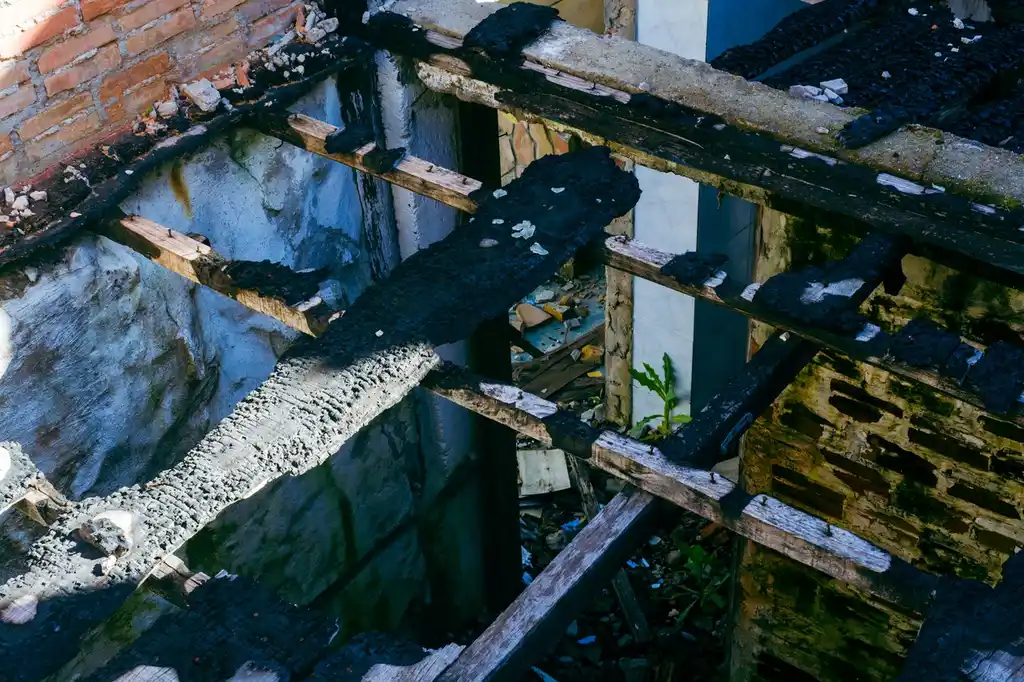
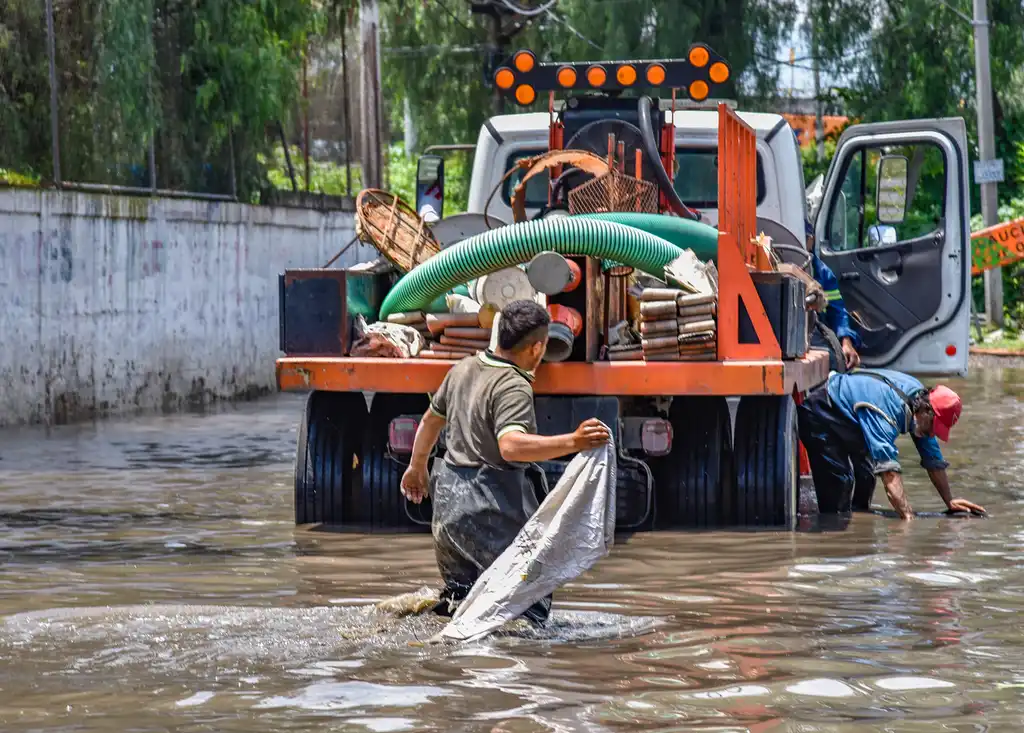
Floodwater in Germantown often carries silt and contaminants, so we treat every flood loss as dirty water until we test it. We pump the water, remove soaked materials, and apply antimicrobial solution to the affected areas. Then we dry the structure and document everything for your insurance claim.
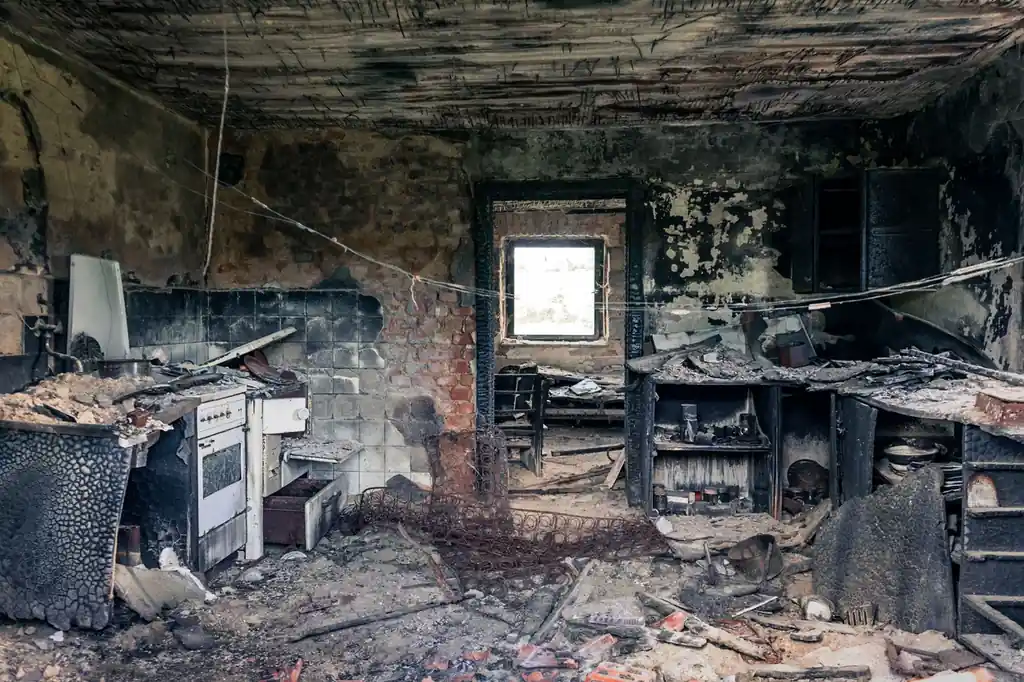
Basements in Germantown flood for different reasons: sump pump failure, sewer backup, or groundwater wicking through stone walls. We pump the standing water, extract what is left, and dry the walls and floor. We also check the sump pit and discharge line to see what failed.
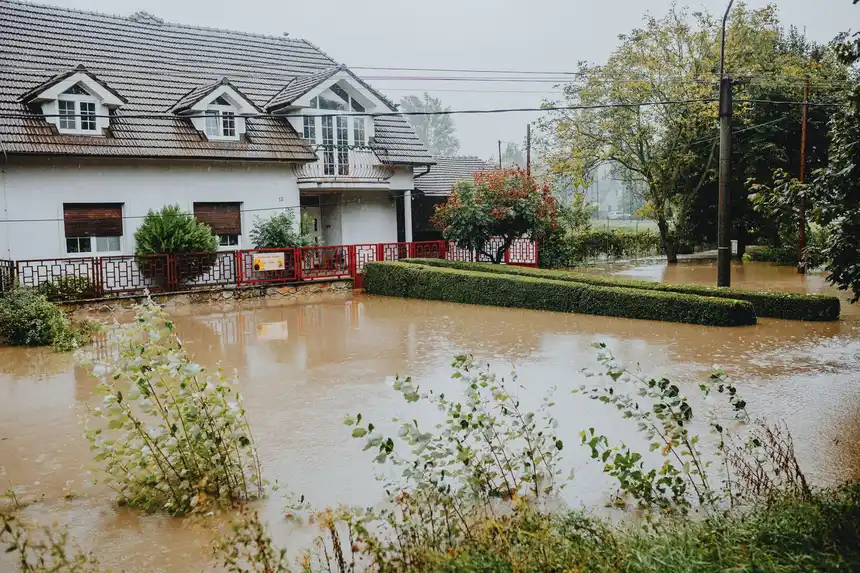
Homes and businesses in Germantown need different drying plans and different timelines.
We work in rowhomes, twins, and colonials across Germantown. Older materials like plaster and stone need slower, controlled drying.
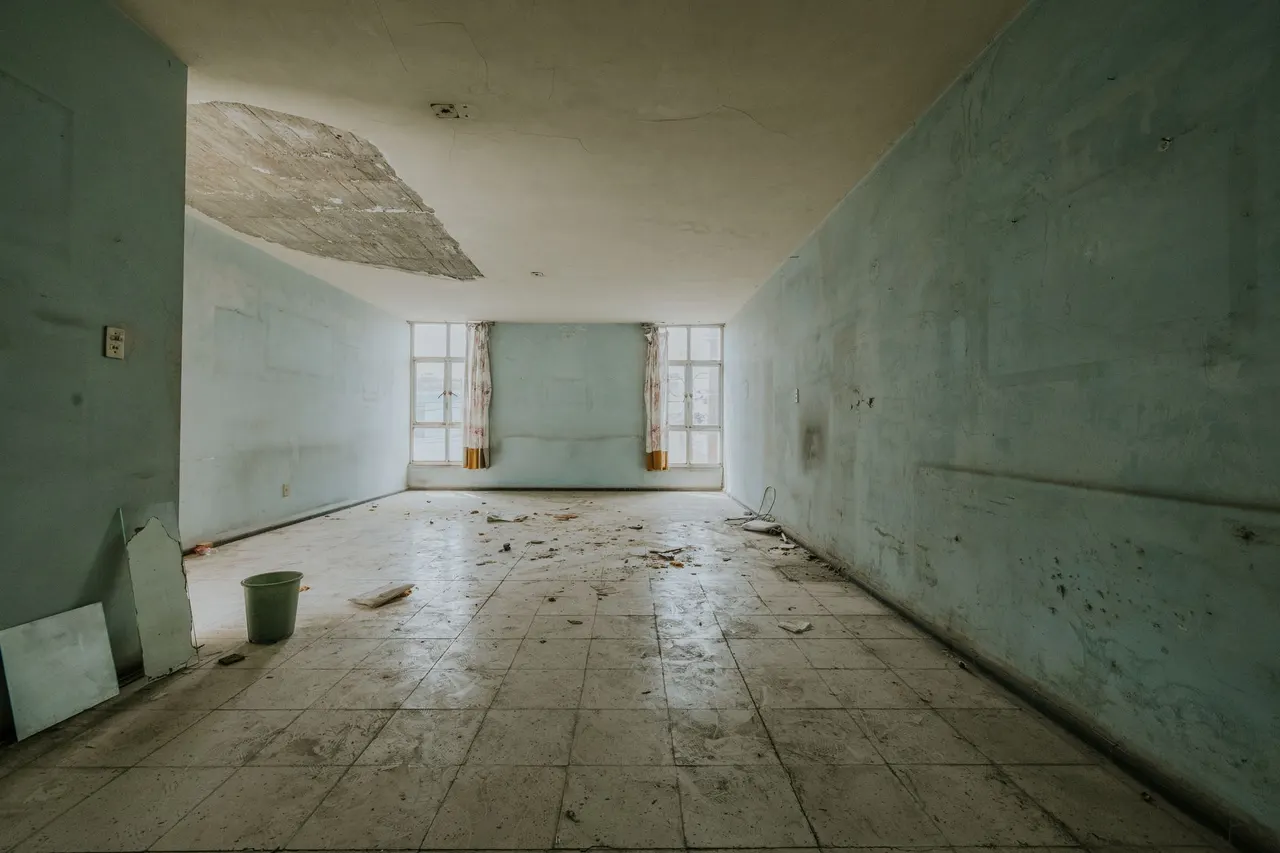
We serve the shops and offices along Germantown Avenue and Chelten Avenue. We work after hours to keep you open.
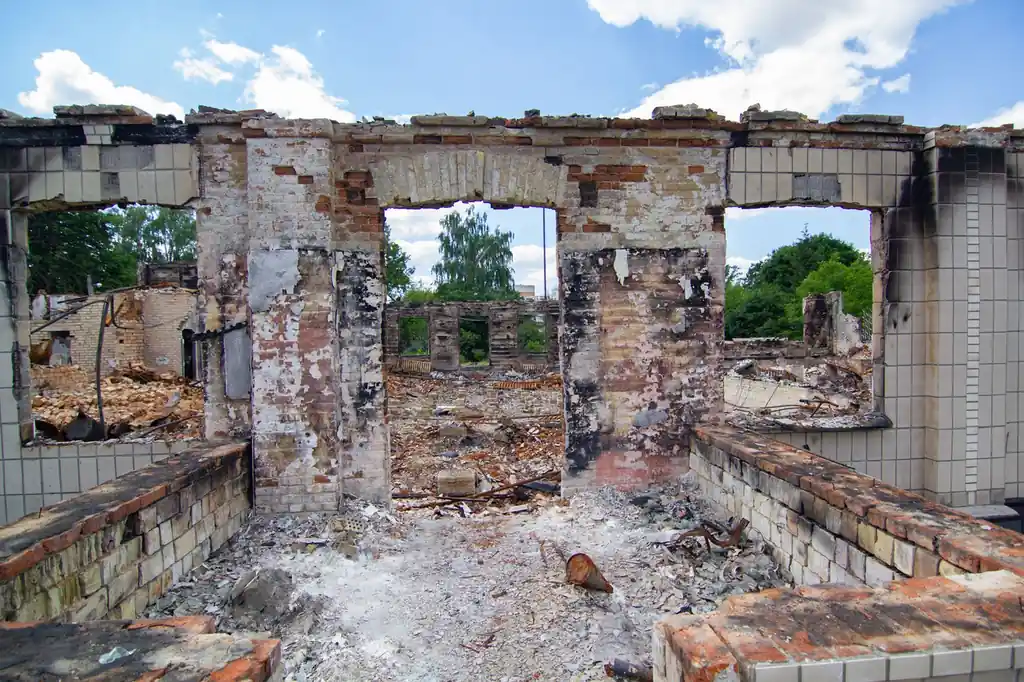
Germantown has a specific set of water problems that come from its age, its soil, and its weather. The housing stock is old, the sewer lines are aging, and the summers are humid. If you live here long enough, you will deal with at least one of these.
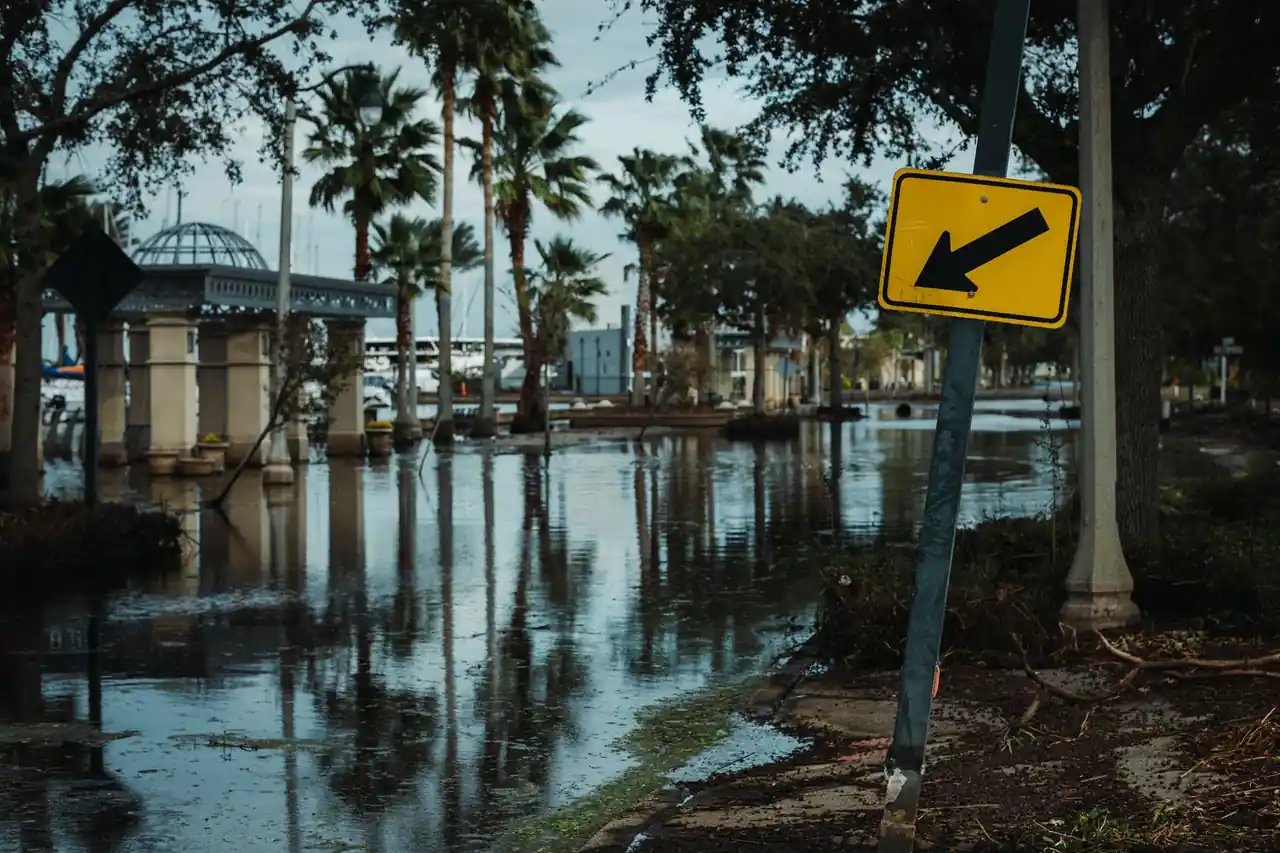
Summer storms dump a lot of rain in a short time. If your sump pump is old or the power goes out, the pit fills and the basement floods. This is the most common call we get in Germantown.
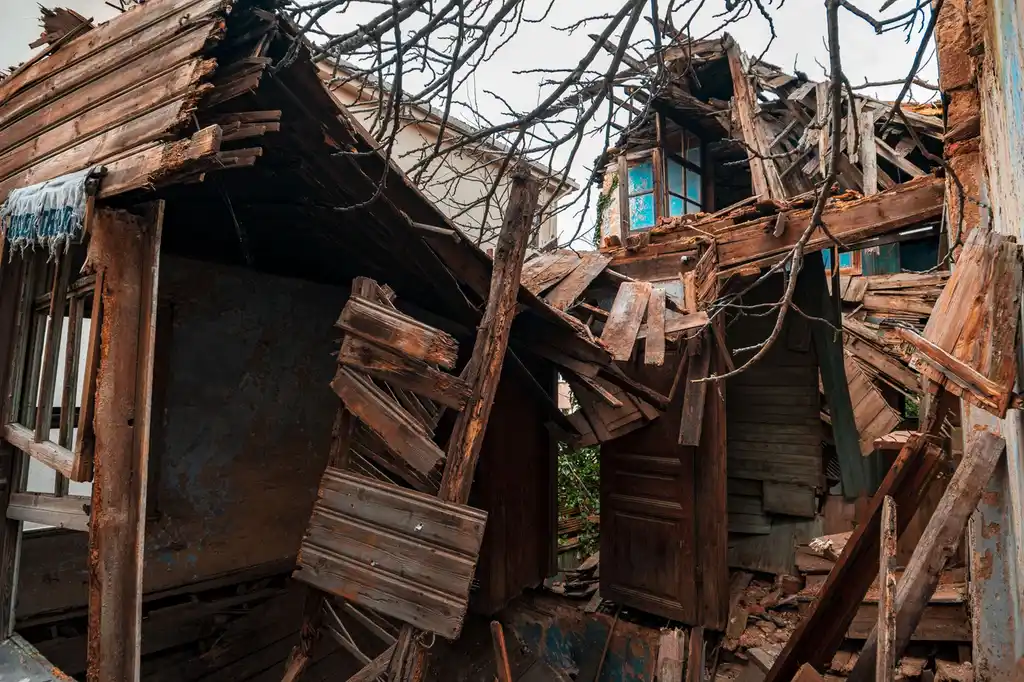
Germantown has a lot of mature trees, and their roots find the joints in old clay sewer laterals. Once roots get in, the line clogs and sewage backs up into the basement. This is a hazmat situation.
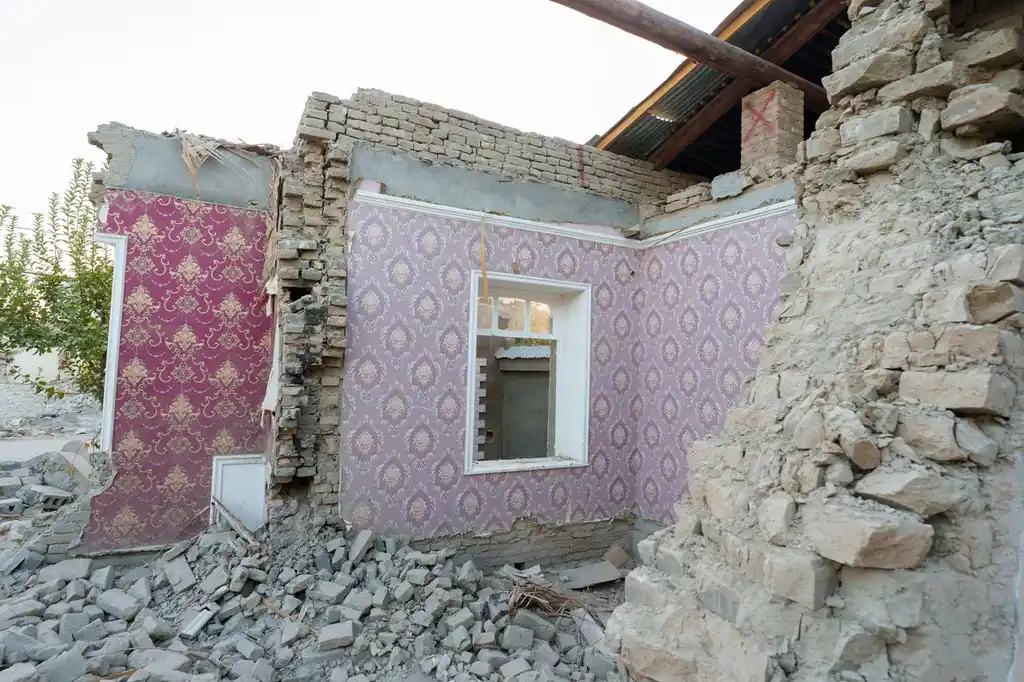
Germantown's older homes often have unheated basements and crawl spaces. When the temperature drops below freezing, the water in the pipes expands and the pipe splits. You do not know it happened until the thaw.

Many Germantown homes have original slate roofs and old flashing. After years of freeze-thaw cycles, the flashing fails and water gets in. The leak often shows up on the ceiling below, far from the actual source.
If you notice any of these in your Germantown home, it is time to call.
Any one of these is worth a call.
Nothing picked yet. Tap the signs you have noticed and this box will sum them up.
There is no price list here, because every job is different. These are the things that move an estimate most.
The square footage of water damage drives the cost. A single room is cheaper than a full basement. We measure the affected area during the assessment and price the drying equipment and labor accordingly.
Clean water from a supply line is cheaper to handle than sewage backup or floodwater, which is contaminated. Contaminated water requires removal of materials, antimicrobial treatment, and more disposal costs.
Plaster and stone in Germantown's older homes take longer to dry than modern drywall. Longer drying means more equipment rental days and more monitoring visits. We track moisture daily and stop when the structure is dry.
Germantown Avenue is the main spine through the neighborhood, and we use it to orient almost every job. If you tell us you are near Cliveden or the Wyck House, we know exactly where to go.
Landmark
Cliveden is a historic site on Germantown Avenue.
Landmark
Wyck House is another historic landmark on Germantown Avenue.
Landmark
Awbury Arboretum sits on the east side of Germantown.
Landmark
Germantown Avenue is the main commercial and transit corridor through the neighborhood. We use it to route our crews and to stage equipment when working on nearby side streets.
Commercial area
The Germantown Avenue corridor is the main business district, with restaurants, shops, and professional offices in historic buildings.
Commercial area
Chelten Avenue is another commercial strip with a mix of retail and service businesses.
Transit
Germantown Station is on the Chestnut Hill East Line. It is a useful landmark for jobs in the surrounding blocks, and it gives us a clear reference point for arrival times.
Transit
The Route 23 bus runs the length of Germantown Avenue. It is a reliable orientation point for customers who are giving us directions over the phone.
Our basement flooded on a Sunday night after a storm. I called and a crew was at our door in about 40 minutes. They pumped the water, set up fans and dehumidifiers, and checked the moisture every day until it was dry. They also helped us file the insurance claim. Straightforward and professional.
We had a sewage backup in our rowhome in Logan. It was a mess. The team contained the area, removed the ruined carpet and drywall, and treated everything. They were careful and explained each step. The basement is dry and smells clean now. I would call them again.
A pipe burst in our kitchen and water went everywhere. They came out the same day, extracted the water, and dried out the cabinets and floor. They were honest about what needed to be replaced and what could be saved. The repair work looks great.
Germantown gets all four seasons, and each one brings its own water problems. Fall is here now, and we are already getting calls for roof leaks and clogged gutters. Winter will bring frozen pipes. Spring will bring basement flooding. Summer will bring storms.
Germantown is our home base, but we cover a wide swath of Philadelphia from here. We regularly work in the neighborhoods to the south and east, and we can reach most of them within 30 to 45 minutes.
Straight answers to what people ask first.
A small basement extraction is on the lower end. A sewage backup with contaminated materials and a full dry-out is higher. We provide a written estimate before we start and work with your insurance to cover what your policy allows.
Most homeowner policies cover sudden and accidental water damage, like a burst pipe or a water heater failure. Flood damage from outside water usually requires separate flood insurance. We work with all major insurance companies, document the loss with photos and moisture readings, and use Xactimate so your claim moves faster.
A standard residential job takes three to five days for extraction and drying. Older homes in Germantown with plaster walls and stone foundations may take longer because those materials release moisture slowly. We check moisture readings daily and do not stop until the structure hits dry standard.
Water does not wait, and neither do we. If your basement is flooding, a pipe has burst, or you smell something musty behind the walls, call us now. We will find the water, stop it, and dry your home or business. Call 215-281-3000.
Call 215-281-3000 any time, day or night. We answer live, ask what happened, and dispatch a crew. If you prefer email, send photos and your address to info@waterdamagerestorationphilly.com and we'll respond within the hour. Most Philadelphia calls get a technician on-site within 60 to 90 minutes.