Water damage restoration in West Philadelphia is the process of extracting standing water, drying structural materials, and repairing what a leak, backup, or storm left behind. We have worked these blocks since 2015, and the housing stock here writes its own rulebook.
Spruce Hill and Cedar Park are full of Victorian twins and brick rowhomes with original galvanized supply lines and cast iron drains that have been patched for a century. In University City, student rentals turn over every August, and a slow supply-line drip behind a washing machine can run for weeks before anyone notices.
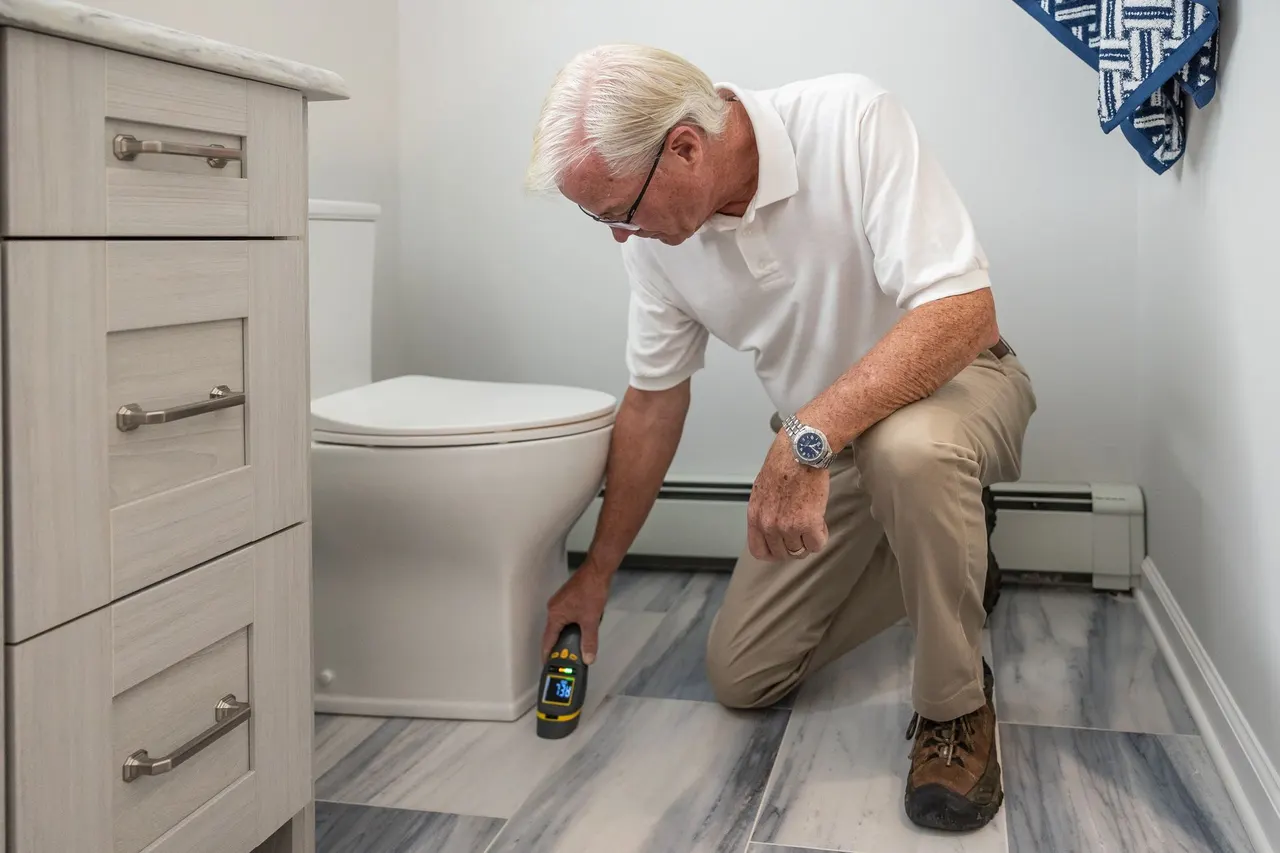
Down in Kingsessing and Cobbs Creek, the basements sit low, the soil holds water, and tree roots push into the lateral lines. We handle all of it, from a burst pipe at 2 a.m. to a sewage backup that needs antimicrobial treatment before we rebuild. Our technicians are IICRC WRT and ASD trained, and we document every job with moisture meter and hygrometer readings so your insurance claim stands on real numbers, not guesses.
West Philadelphia has more rowhomes per square mile than almost anywhere in the city, and most of them share the same weak points: aging plumbing, low basement slabs, and mature street trees. When a cold snap hits, supply lines in unheated porches freeze and split. When a summer storm rolls through, combined sewer lines back up into the lowest fixture in the house.
We serve this area because the demand is steady and the buildings reward a contractor who understands them. You cannot dry a 120-year-old brick rowhome the same way you dry a new build in the suburbs. The masonry holds moisture, the plaster releases it slowly, and the basement needs a different airflow plan than a poured concrete foundation.